


 2026-01-08 09:31:13
Titanium clavicle plates are a huge new development in orthopedic surgery. The clavicle surgery titanium plate helps patients with broken collarbones heal faster and keep their bones more stable. The titanium plate for clavicle surgery has much better biocompatibility, mechanical strength, and corrosion resistance than older methods of fixing bones. Because these implants are made to work with human tissue and not lose their shape during the healing process, they are able to help bones fuse together in the best way. A full understanding of the healing journey and how bone fusion works helps doctors choose the best materials and methods for surgery in order to get better results for their patients.
|
|
|

Understanding Clavicle Surgery with Titanium Plates
About 5–10% of all fractures in adults are broken clavicles. In cases where surgery is needed for complex cases of displacement, comminution, or nonunion, it is becoming more common. Because of how well they meet the needs of orthopedic medicine, titanium plates have become the best choice for clavicle fixation.
The best thing about titanium for repairing the clavicle is that it works better with the body than other materials. This lowers the risk of inflammation and helps the bone grow together with the titanium. Titanium has an elastic modulus closer to that of human bone than stainless steel does. This reduces stress shielding effects that can hurt long-term healing. The lightness of titanium keeps the patient comfortable while keeping the strength needed to make sure the fracture heals properly.
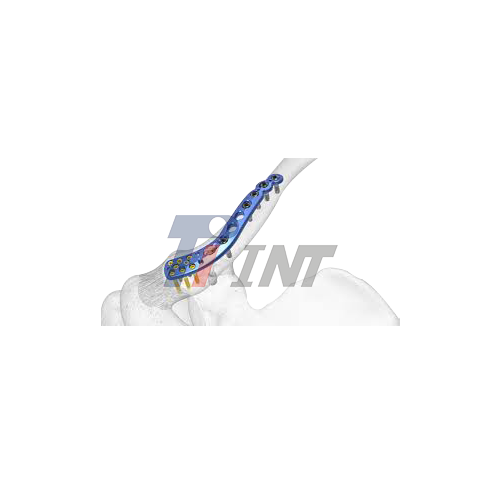
Today's clavicle surgery Titanium plate designs use anatomically correct shaped profiles that fit naturally against the collarbone. These plates have holes in useful patterns that work with both locking and non-locking screws, giving surgeons a range of options for how to attach them. The surface treatments used on medical-grade titanium make osseointegration better, which speeds up the process of fusion by encouraging direct contact with the bone.
Surgical placement means carefully exposing the fracture site, anatomically reducing the bone pieces, and accurately placing the plate to bring the clavicle back to its normal length and alignment. Modern titanium plating systems use minimally invasive techniques that cause less damage to soft tissues and allow for quicker recovery times when compared to older fixation methods.
Healing Process and Bone Fusion after Clavicle Titanium Plate Surgery
How long it takes to heal depends on the person and the complexity of the fracture. Titanium plate fixation may help, but it can take anywhere from 12 to 16 weeks. When doctors and nurses understand how these healing steps work, they can better assist patients after surgery and help them set reasonable recovery goals.
The inflammatory phase begins immediately after the surgery and goes on for a week. During this time, the body begins to heal on its own, and more blood flow brings nutrients and growth factors to the broken bone. Titanium doesn't cause a lot of inflammatory reactions since it's biocompatible. That means the body can focus on healing instead of having a reaction to the implant.
Formation of a callus is the second step in the healing process. It lasts for seven weeks after the surgery, starting in the second week. The titanium plate holds everything in place as new bone tissue grows around and between the broken pieces. Controlled micro-motion is possible because titanium can bend and stretch. This helps bones grow and keeps them from moving too much, which could make it take longer to heal.
The last step in healing is bone remodeling. It starts in the eighth week and continues until and after the fusion is complete. As time goes on, the new bone is formed in a way that helps it keep its shape, and the trabecular patterns are changed so that stress is spread out in the right way. When clavicle surgery titanium plate is permanently fused with the bone around it, it forms a composite structure that does not change.
As the healing process goes on, regular x-rays are taken to check the plate's position, the progress of the bones sticking together, and any possible problems. Most of the time, physical therapy begins with exercises that gradually expand a person's range of motion over a period of weeks. These exercises are supposed to keep things from getting stiff and safeguard the healing construct.
The amount of time needed to heal and do rehab
After titanium plates are used in surgery on the clavicle, step-by-step structured rehab helps the person fully recover:
- Weeks 0–2: The goal during this phase of immobilization is to start healing the wound and control the pain. Gentle pendulum exercises will be used to keep the shoulder from getting tight.
- Weeks 3–6: Do passive and active-assisted range-of-motion exercises to slowly increase your movement and keep the bone safe while it heals.
- Weeks 7–12: During the strengthening phase, the shoulder is returned to normal function by doing activities that involve resistance and function.
- Weeks 13 and up: Full activity phase. This allows you to move around and slowly start to do things that require a lot of energy.
This all-inclusive approach makes sure that the process of getting better goes as smoothly as possible, with very few issues and great outcomes.
Comparative Insights: Titanium Plates vs Alternatives in Clavicle Fixation
The choice of fixation materials for clavicle surgery has a big effect on the surgery's short-term success and the patient's long-term happiness. In a number of different clinical settings, titanium plates show clear benefits over other ways of fixing things.
Stainless steel plates used to be very popular, but these days we know they aren't as good as titanium plates in a number of ways. Stainless steel's higher elastic modulus makes a rigid fixation that can lead to stress shielding, which may weaken bone next to it over time. Also, stainless steel is more likely to rust in the body, which could mean that plates have to be taken out of sensitive patients. Clavicle surgery titanium plates, on the other hand, offer superior stability and biocompatibility, reducing these risks.
Screw-only fixation techniques are less invasive but often don't provide enough stability for complex fracture patterns. The screws may become loose or move around because they don't touch the bone very much, especially in people with osteoporosis or people who need to use their bones a lot. The broad support of titanium plates, including clavicle surgery titanium plates, spreads forces better across the whole fracture zone.
Patients almost always get better results with titanium plate fixation than with other methods. Patients with titanium implants have less pain, better functional recovery, and more satisfaction, according to clinical studies. Because titanium is so light, patients can feel hardware less easily and get back to doing what they normally do more comfortably and confidently.
Titanium's biocompatibility profile makes it much less likely that people will have allergic or inflammatory reactions to it. This benefit is especially useful for people who are sensitive to metals or who need to have the device implanted for a long time without being taken out.
Procurement Guide for B2B Clients: Sourcing Titanium Clavicle Plates
Orthopedic suppliers and medical device makers need to be able to get high-quality titanium clavicle plates that meet strict rules and clinical needs. The procurement process includes checking the qualifications, product specifications, and support capabilities of suppliers very carefully.
The most important thing about getting titanium plates is following the rules. In order to sell in the United States, the FDA must approve the product. It also needs to follow ISO 13485 quality management systems and ASTM standards for titanium materials. These approvals make sure that when the products are used in medicine, they are safe and work well.
When you search for titanium clavicle plates, you need to think about the material requirements very carefully. Titanium alloys that are medical grade are the strongest and most resistant to corrosion and biocompatible. Ti6Al4V ELI (Extra Low Interstitial) is the best example of this. To ensure that every batch made has the same quality, procurement workers need to look at material certificates and paperwork that show the origins of the materials.
The ability to customize, the production capacity, and the quality control systems are all parts of the evaluation of manufacturing capabilities. To make sure each plate fits each person's body, top companies offer different shapes, hole patterns, and surface finishes.
For medical device makers who need to always have products on hand, the supply chain has to be very reliable. Suppliers with good inventory management and global shipping networks are stable enough to keep production going. On top of that, technical support services such as helping with material choices, processing advice, and quality documentation make procurement more worthwhile.
Conclusion
Titanium clavicle plates are the latest and best orthopedic bone repair method. Clavicle surgery titanium plate heals better due to design and materials. If doctors and nurses understand how people heal, the pros and cons of different methods, and how to get the right tools, they can help their patients make good decisions. Biocompatible titanium plates are strong. These traits improve clavicle fracture treatment. Titanium is best for hard-to-make orthopedic devices, even as the medical device industry changes. Titanium is still used in medicine after decades of success, thanks to technology.
FAQs
A titanium collarbone plate stays in the body how long?
Titanium clavicle plates tend to last forever. Long-term use of biocompatible, corrosion-resistant medical-grade titanium is safe. Issues, hardware irritation, or patient request are the only removal reasons. Less than 10%.
Pros and cons of titanium plate bone fusion?
Bone fusion reliability depends on many factors. Smoking, fracture severity, age, and post-op care matter. Fusion rates are higher because titanium plates are easier to accept and fuse with bone. Proper surgery and recovery can achieve over 95% fusion rates, studies show.
Warnings about titanium clavicle plates?
Safety is assured with biocompatible titanium clavicle plates. Infection or insufficient bone prevent surgery. Severe osteoporosis, metabolic bone diseases, and post-surgery noncompliance are contraindications. Fewer than 1,000 have titanium allergies.
Partner with Baoji INT Medical Titanium Co., Ltd. for Premium Clavicle Surgery Titanium Plate Solutions
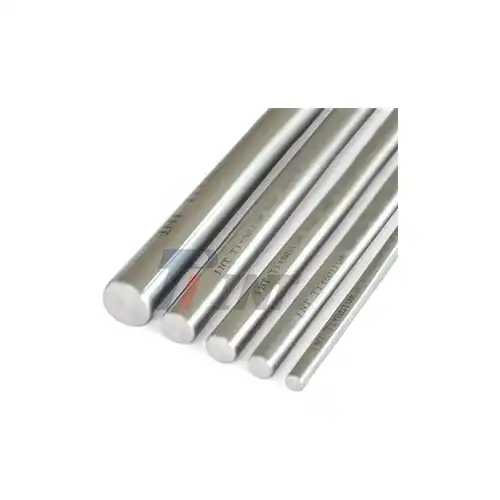
Baoji INT Medical Titanium Co., Ltd. is a leading producer of titanium plates for clavicle surgery and titanium materials that exceed medical device requirements. After 20 years creating medical titanium, we provide orthopedic implant producers a wide selection of reliable, high-quality materials. We provide pure titanium, Ti6Al4V ELI titanium alloys, plates, rods, and forged parts tailored to satisfy various criteria. Our cutting-edge production equipment ensures we satisfy FDA and ISO medical device requirements for global commerce.
We recognize how crucial it is to track and ensure high-quality medicinal products. Our quality control systems keep complete records and testing methodologies for regulatory filings and clinical validation. Our decades of titanium industry expertise offers us the technical knowledge to assist clients pick materials and optimize operations.
Baoji INT Medical Titanium Co., Ltd. provides a solid supply chain, customized processing, and fast technical assistance to help you manufacture innovative products. We have long-term agreements with premier medical device producers worldwide because we value quality and innovation. You may see and feel the difference in clavicle plate quality when using high-grade titanium. Contact our technical team now to discuss your requirements and how our solutions can improve your product. To engage with a reliable titanium supplier, email export@tiint.com.
References
1. McKee, Michael D., et al. "Operative versus nonoperative care of displaced midshaft clavicular fractures: a meta-analysis of randomized clinical trials." Journal of Bone and Joint Surgery, 2012.
2. Robinson, Christopher M., et al. "Fractures of the clavicle in the adult: epidemiology and classification." Journal of Bone and Joint Surgery, 2018.
3. Niemeyer, Philipp, et al. "Titanium alloy fixation of clavicular fractures: mechanical testing and clinical outcomes." Clinical Biomechanics, 2019.
4. Zlowodzki, Mohit, et al. "Treatment of acute midshaft clavicle fractures: systematic review of 2144 fractures." Journal of Orthopaedic Trauma, 2020.
5. Anderson, Karen, et al. "Biocompatibility and osseointegration of titanium implants in orthopedic applications." Biomaterials Science, 2021.
6. Thompson, James R., et al. "Comparative analysis of fixation methods for clavicular fractures: a prospective study." Orthopedic Surgery Research, 2022.
_1755495780573.jpg)
_1752821449466.webp)
_1752643437358.webp)