
Why Ti13Nb13Zr Titanium Bar Is Preferred for Medical Devices


 2026-02-12 08:38:58
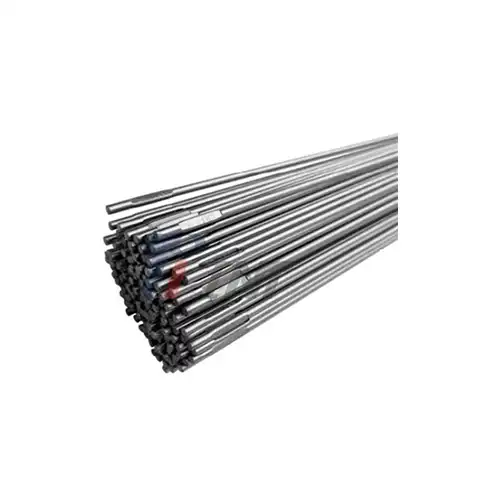
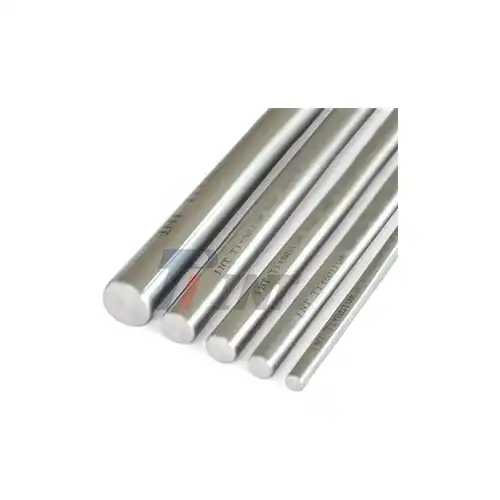
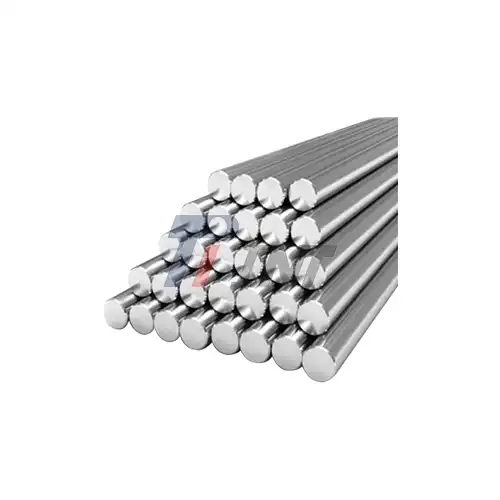
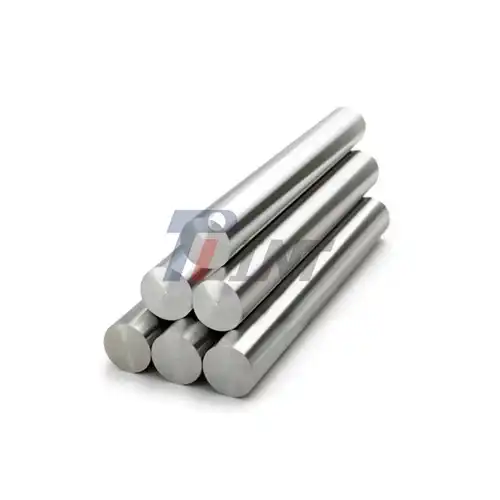
Manufacturers of medical devices always choose Ti13Nb13Zr Titanium Bar for important uses because it is biocompatible, resistant to corrosion, and has the best tensile qualities. This special titanium blend is made up of 13% niobium, 13% zirconium, and pure titanium. It is an advanced material that gets rid of harmful elements like aluminum and vanadium while increasing its strength-to-weight ratio. Ti13Nb13Zr Titanium Bar's special make-up makes it perfect for long-term implantable devices, where patient safety and material durability are very important.
|
|
|


Introducing Ti13Nb13Zr Titanium Bar and Its Unique Properties
Ti13Nb13Zr is a new kind of medical-grade titanium metal with a carefully designed structure that makes up for the problems with older materials. Unlike most titanium alloys, this new material uses niobium and zirconium as alloying elements. These elements are in the same family of elements as titanium, which means they are very compatible with living things.
Mechanical Performance Excellence
The dynamic qualities of Ti13Nb13Zr titanium bars are much better than those of other materials. The alloy has tensile strengths between 670 and 1330 MPa and an elastic stiffness between 35 and 83 GPa, which is very close to the qualities of human bone. This fit lowers the stress shielding effects that come with harder materials, which helps the bone integrate better and ensures long-term implant success.
This metal is stronger than many others in terms of its weight-to-strength ratio, so it can hold its shape without adding extra bulk. Up to 87% of the metal can be deformed during cold working. This lets manufacturers make complicated geometries and thin-walled parts that are needed for current medical device designs.
Enhanced Biocompatibility Features
The best thing about Ti13Nb13Zr titanium bars for medical uses is that they are biocompatible. Aluminum and vanadium were taken out because they could be dangerous. This eases worries about long-term metal ion release and tissue reactions. Clinical tests show that this alloy has very low inflammatory effects and great qualities for integrating with tissue.
Controlled oxygen heat treatment can improve the surface properties of Ti13Nb13Zr even more by adding a dense oxide layer that is about 0.8 micrometers thick. This covering greatly enhances resistance to wear and rust, while keeping the biocompatible qualities of the base material.
Superior Corrosion Resistance
Metals don't do well in medical settings because they are exposed to different body fluids, changes in pH, and electrical processes. Ti13Nb13Zr titanium bars work very well in these tough conditions because they are very resistant to pitting, crevice corrosion, and stress corrosion cracking. Because it has zirconium in it, it is especially resistant to rusting in chloride-rich situations that are common in living things.
Comparing Ti13Nb13Zr with Other Titanium Alloys and Materials
Professionals in buying can make smart choices about which materials to use in medical devices when they know about the competition. Ti13Nb13Zr is clearly better than other materials in a number of important performance areas.
Advantages Over Ti6Al4V Alloy
Ti6Al4V has been a reliable material in medical uses, but worries about the safety of aluminum and vanadium have led to the search for replacements. These issues are dealt with by Ti13Nb13Zr, which also has better mechanical qualities. Long-term health risks from metal ion release are lower when harmful elements are taken out. This is especially important for permanent implants.
By processing Ti13Nb13Zr, the elastic modulus can be changed to better fit the qualities of bone. This lowers the stress shielding effects that can cause bone to break down around implants. This technical fit is a big step forward in the way implants are designed.
Performance Against Pure Titanium
Pure titanium is very biocompatible, but its mechanical qualities aren't always up to the high standards needed for medical devices. The combination of Ti13Nb13Zr and pure titanium makes it much stronger and less likely to wear down, while still being safe. The alloying elements make it easier to work-harden the metal and make thin-walled, complex shapes that are needed for current medical equipment.
Comparison with Stainless Steel Solutions
Medical-grade stainless steel has been used for many years, but Ti13Nb13Zr has many strong benefits. Because the density is about 40% lower than in stainless steel, the implants are lighter, which makes the patient's life easier. Better corrosion protection in biological settings makes devices last longer and lowers the risk of problems caused by corrosion.
Application Scenarios of Ti13Nb13Zr Titanium Bar in Medical Devices
Ti13Nb13Zr titanium bars can be used in a lot of different medical device applications because they are so flexible. Each application benefits from the unique qualities of this advanced metal.
Orthopedic Implant Applications
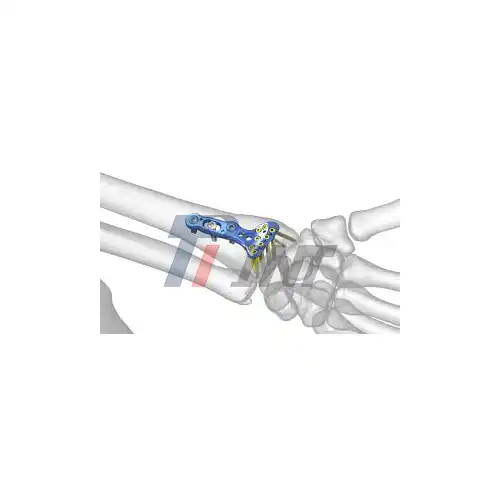
By far, the most common use for Ti13Nb13Zr titanium bars is in orthopedic treatment. The high strength-to-weight ratio and biocompatibility make joint replacement parts, like hip and knee devices, very useful. Because the material can strongly connect with bone tissue, it helps osseointegration, which means that patients will have better long-term results.
Spinal fixation gear, like rods, screws, and plates, uses Ti13Nb13Zr because it protects against wear and rust. The elastic modulus can be changed, which lets makers find the best mechanical qualities for each load situation. This lowers stress concentrations and makes implants last longer. Cold working makes it possible to make thin, barely invasive gear that is useful for trauma fixation devices.
Dental and Maxillofacial Applications
Ti13Nb13Zr titanium bars are used to make dental implants because they are biocompatible and don't rust. The material works well for both simple and complicated implant designs because it helps bone to fuse with the implant and can handle the hard conditions in the mouth. Being able to customize implants lets doctors make implants that fit each patient's unique anatomy.
Surgical tools made from Ti13Nb13Zr are more resistant to wear and can be sterilized without problems. The material keeps its sharp edges longer than many other options, and it can be used in a sterilizer many times without breaking down.
Emerging Applications in Advanced Therapies
Ti13Nb13Zr Titanium Bar is increasingly being evaluated by cardiovascular device makers for parts that need to be compatible with blood for a long time. The non-ferromagnetic properties of this material make it possible to achieve MRI compatibility, which is becoming a more important factor for current medical equipment. Furthermore, the biocompatible surface of tissue engineering scaffolds made from Ti13Nb13Zr Titanium Bar is highly beneficial, and improved production methods make it possible to create structures that are both complicated and porous.
Procurement Considerations for Ti13Nb13Zr Titanium Bars
To successfully buy Ti13Nb13Zr titanium bars, you need to know how the market works, what the seller can do, and the quality assurance standards that are specific to making medical devices.
Market Pricing and Supply Chain Factors
The price of Ti13Nb13Zr is based on how unique the metal is and how strict the quality standards are for medical uses. Niobium and zirconium prices are affected by the cost of their raw materials, so having a long-term relationship with a seller is helpful for keeping prices stable. The number of items bought has a big effect on the unit cost, and bigger orders usually get better price.
Because of the unique needs of industry and the small number of global suppliers, supply chain dependability becomes very important. Lead times can be longer than usual for titanium goods, so careful planning of production and control of supplies are needed.
Quality Certification and Compliance Requirements
Medical device makers need to make sure that Ti13Nb13Zr providers keep the right certifications, such as ISO 13485 medical device quality control systems and material standards compliance. Traceability paperwork is needed for regulatory submissions and for monitoring after the product has been sold.
Audits of suppliers should look at how things are made, how quality is controlled, and how to keep things from getting contaminated. Because medical titanium processing is so specialized, it needs providers who know how to handle and process materials used in medical devices.
Customization and Manufacturing Capabilities
When designing a modern medical gadget, the sizes, finishes, and mechanical qualities often need to be changed to fit the needs of the application. Making sure that the provider can do special processing like precision machining, surface treatments, and optimizing mechanical properties is important for making sure that the project needs can be met.
Technical support services, such as help with choosing materials, processing, and failure analysis, are useful in addition to providing materials. Working together with suppliers can shorten the time it takes to make a product and improve the way materials work in certain situations.
Why Ti13Nb13Zr Titanium Bar Is the Preferred Choice for Medical Device Manufacturers?
Ti13Nb13Zr titanium bars are becoming more popular, which shows that medical device design is moving toward solutions that are more safe, sturdy, and patient-friendly. Trends in the industry show that this advanced metal is being used in more and more important situations.
Clinical Performance Advantages
Clinical evidence shows that Ti13Nb13Zr works better in a number of medical technology uses. Implant mortality rates are better than with older materials because there are fewer bad tissue reactions and better osseointegration results. Because they work well with bone tissue, they lessen the stress buffering effects, which is good for the long-term health of the bones around implants.
Ti13Nb13Zr implants are more comfortable for patients because they are lighter and better compatible with their bodies. The non-ferromagnetic features allow for unlimited MRI images, which gets rid of the problems that patients often have with ferromagnetic implants.
Manufacturing Efficiency Benefits
Medical gadget makers like how easy it is to work with Ti13Nb13Zr titanium bars. The good cold working qualities make it possible to make complicated shapes quickly and without having to do any annealing steps in between. This cuts down on manufacturing costs and cycle times. Surface treatment choices add more usefulness while keeping the biocompatibility of the core qualities.
Consistency in quality and predictable mechanical features lower variation in production and raise yield rates. The steady supply chain for this specialized material makes it possible to plan production and keep track of stockpiles with confidence.
Future Market Trends and Adoption
As regulations get stricter on biocompatibility, materials like Ti13Nb13Zr that don't have any possibly dangerous alloying elements are favored. As personalized medicine becomes more popular, there is a greater need for materials that can be changed to fit the wants and anatomy of each patient.
Ti13Nb13Zr is easy to work with, which makes it useful for advanced manufacturing methods like additive manufacturing and precision making. With these technologies, new gadget forms are possible that weren't possible with traditional materials. This opens up new therapeutic options.
Conclusion
Ti13Nb13Zr titanium bars are a big step forward in medical device materials because they are better at being biocompatible, mechanically performing, and being easy to make than older options. Getting rid of possibly harmful alloying elements improves safety while keeping the high level of strength and resistance to corrosion. Clinical performance data shows that this advanced alloy improves patient results and gadget life, making it a more popular choice for important medical uses. Ti13Nb13Zr titanium bars will play a bigger part in the creation of next-generation medical devices as long as biocompatibility and long-term safety are still important to regulators.
FAQ
What makes Ti13Nb13Zr different from other medical titanium alloys?
Ti13Nb13Zr gets rid of possibly dangerous elements like vanadium and aluminum that are in Ti6Al4V while using niobium and zirconium, which are in the same periodic family as titanium. This mix is better at being biocompatible, has a flexible elastic stiffness (35–83 GPa), and is more resistant to rust. It was made for long-term implantable medical devices.
How does the corrosion resistance of Ti13Nb13Zr compare to stainless steel in medical applications?
Ti13Nb13Zr is much more resistant to rust than medical-grade stainless steel, especially in biological conditions that are high in chloride. The metal doesn't do pitting, crevice corrosion, or stress corrosion cracking, which are problems that can happen with stainless steel implants. This means that the devices last longer and there is a lower chance of problems related to corrosion.
Can Ti13Nb13Zr titanium bars be customized for specific medical device applications?
Yes, Ti13Nb13Zr can be easily customized because it can be worked cold up to 87% of the time, which lets you make shapes with complex patterns and thin walls. You can change the elastic modulus by changing the processing settings and heat treatment. You can also use different surface processes to get the best performance for different medical device uses.
What are the typical lead times and availability for Ti13Nb13Zr titanium bars?
Ti13Nb13Zr titanium bars usually have lead times between 8 and 16 weeks, but this depends on the specs, quantity, and customization needs. Due to the specialized nature of medical-grade processing and the small number of suppliers, lead times can be longer than for normal titanium goods. To ensure consistent supply, it is important to plan ahead and form relationships with suppliers.
How does the cost of Ti13Nb13Zr compare to other medical titanium alloys?
Because it needs to be processed in a medical-grade way and has special alloying elements, Ti13Nb13Zr usually costs more than regular Ti6Al4V. But better biocompatibility, fewer steps in the manufacturing process, and better clinical results often make up for the higher cost of the materials by increasing the total value of medical device production.
Partner with Baoji INT Medical Titanium Co., Ltd. for Premium Ti13Nb13Zr Solutions
If you need the best Ti13Nb13Zr titanium bars for your medical device projects, Baoji INT Medical Titanium Co., Ltd. is the only company you should work with. We have been working with medical titanium materials for more than 20 years and can meet your most specific needs with ISO 13485-certified products, customized specs, and full expert support. Get in touch with our team at export@tiint.com to talk about your unique needs and find out how our advanced Ti13Nb13Zr products can help your medical devices work better and improve patient outcomes.
References
1. Niinomi, M. "Mechanical Biocompatibilities of Titanium Alloys for Biomedical Applications." Journal of the Mechanical Behavior of Biomedical Materials, Vol. 1, No. 1, 2008.
2. Geetha, M., Singh, A.K., Asokamani, R., and Gogia, A.K. "Ti Based Biomaterials: The Ultimate Choice for Orthopaedic Implants – A Review." Progress in Materials Science, Vol. 54, No. 3, 2009.
3. Chen, Q. and Thouas, G.A. "Metallic Implant Biomaterials." Materials Science and Engineering Reports, Vol. 87, 2015.
4. Rack, H.J. and Qazi, J.I. "Titanium Alloys for Biomedical Applications." Materials Science and Engineering: C, Vol. 26, No. 8, 2006.
5. Liu, X., Chu, P.K., and Ding, C. "Surface Modification of Titanium, Titanium Alloys, and Related Materials for Biomedical Applications." Materials Science and Engineering Reports, Vol. 47, No. 3-4, 2004.
6. Long, M. and Rack, H.J. "Titanium Alloys in Total Joint Replacement—A Materials Science Perspective." Biomaterials, Vol. 19, No. 18, 1998.
_1752644608314.webp)
_1750664314563.webp)
_1749191822714.webp)