
Medical Titanium Bar vs Stainless Steel


 2026-02-10 08:44:37
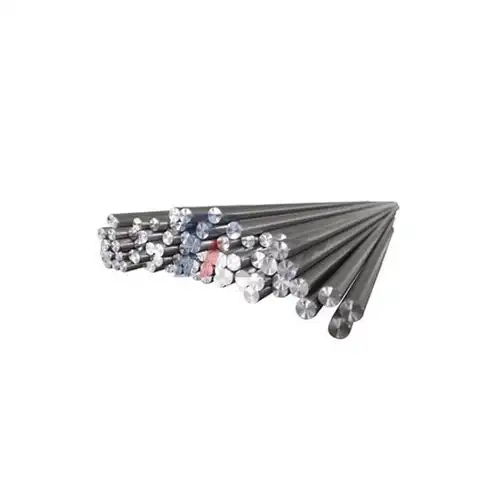
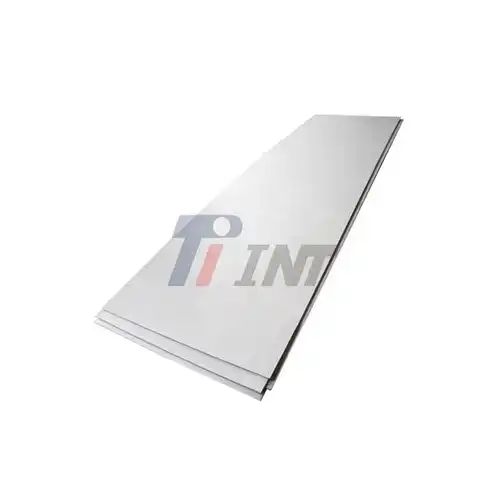
When choosing between a medical titanium bar and stainless steel for medical applications, titanium consistently emerges as the superior option for critical medical implants and surgical instruments. Medical titanium bars offer exceptional biocompatibility, superior strength-to-weight ratios, and enhanced corrosion resistance compared to stainless steel alternatives. While stainless steel provides cost-effective solutions for temporary applications, titanium's unique properties make it the preferred choice for permanent implants, orthopedic devices, and high-performance surgical tools where patient safety and long-term durability are paramount considerations.
|
|
|


Introduction to Medical Titanium Bars and Stainless Steel Bars
In order for procurement experts to make educated judgments about the selection of materials, it is essential for them to have a solid understanding of the underlying distinctions between medical-quality titanium and stainless steel. Although both materials play important roles in the production of medical devices, the ideal uses for each material within the healthcare business are determined by the specific features that each material has.
Medical Grade Titanium: The Premium Choice
In terms of safe metals for use in medical applications, medical-grade titanium, and more specifically Ti6Al4V and titanium dioxide ELI alloys, is considered to be the most superior option. These alloys are composed of 6% aluminum & 4% vanadium, which results in the creation of materials that are very strong while also being compatible with human tissue structures. Titanium in its purest form and its alloys that are suitable for medical use have a density of 4.51 grams per cubic centimeter, which makes them substantially lighter than other metals without sacrificing their structural integrity.
The non-ferromagnetic features of the material guarantee that it is compatible with magnetic resonance imaging (MRI) operations. Additionally, the material's low coefficient of expansion and conductivity add to the patient's comfort during lengthy implantation periods. Titanium bars are very beneficial to producers that produce orthopedic implants, dental equipment, and precise surgical tools because to the properties described above.
Stainless Steel: The Versatile Alternative
Medical-grade stainless steel, typically 316L or 316LVM variants, offers mechanical versatility and cost-effectiveness for specific medical applications. With a density of 8g/cm³, stainless steel provides robust mechanical strength suitable for surgical tools and temporary implants where biocompatibility requirements are less stringent.
Stainless steel's established manufacturing processes and widespread availability make it an attractive option for medical device manufacturers seeking economical solutions for non-permanent applications. However, its higher elastic modulus and potential for corrosion in bodily environments limit its use in critical, long-term implant scenarios.
Regulatory and Compliance Standards
Both of these materials are required to fulfill severe regulatory criteria, such as the ISO 13485:2016 healthcare quality control standards, FDA clearances, and CE approval for European markets. The fabrication of medical devices must adhere to international standards, and these certifications guarantee that the material's purity, mechanical characteristics, and biocompatibility are all up to scale. To ensure the legitimacy of the material and the dependability of its performance, procurement specialists are required to check that suppliers comply with ASTM requirements.
In particular, ASTM F136 for alloys composed of titanium and ASTM F138. for stainless steel are the standards that need verification.upplier compliance with ASTM standards, particularly ASTM F136 for titanium alloys and ASTM F138 for stainless steel, to guarantee material authenticity and performance reliability.
Comparative Analysis: Medical Titanium Bar vs Stainless Steel Bar
A comprehensive comparison reveals significant performance differences between these materials across critical parameters that directly impact medical device effectiveness and patient outcomes.
Mechanical Properties and Performance
When compared to stainless steel, which has a strength-to-density ratio of 63 kN/kg, titanium's higher strength-to- density ratio of 76 kN/kg surpasses it by about 20%. Titanium offers remarkable load-bearing capabilities while simultaneously lowering device weight. In orthopedic applications, where the weight of the implant has a direct impact on the patient's comfort and mobility, this benefit proves to be very significant.
Titanium has an elastic modulus of 110 GPa, which is very similar to the characteristics of human bone. In comparison, stainless steel has a modulus of 200 GPa. This allows titanium to reduce stress shielding effects, which may hamper bone integration near implants. Titanium bars with a tensile strength that is more than 895 MPa (Ti6Al4V; ELI) exhibit outstanding fatigue resistance during multiple stress cycles. This is an essential quality for implants that are exposed to constant physiological loading.
Elongation properties of titanium bars typically exceed 10%, providing flexibility that accommodates natural bone movement while maintaining structural integrity. This flexibility prevents stress concentration points that could lead to implant failure or surrounding tissue damage.
Corrosion Resistance and Biocompatibility
Titanium is able to generate a persistent oxide layer when it is exposed to oxygen, which creates a protective barrier over the acids and fluids that are found in the body. This oxide layer is the source of titanium's outstanding corrosion resistance. This naturally occurring passivation process assures durability in the acidic atmosphere that surrounds the human being, therefore considerably lowering the release of ions that may potentially cause undesirable tissue responses.
Stainless steel, while offering adequate corrosion resistance for short-term applications, may experience gradual degradation in chloride-rich bodily environments over extended periods. This degradation can release chromium, nickel, and iron ions, potentially causing inflammatory responses in sensitive patients. In contrast, the superior biocompatibility of a medical titanium bar makes it an ideal material for long-term implantation with minimal risk of adverse reactions.
The biocompatibility advantages of titanium extend beyond corrosion resistance to include osseointegration properties that promote natural bone growth around implants. This biological integration creates stronger, more durable connections between implant and tissue compared to stainless steel's mechanical fixation approach.
Cost Analysis and Lifecycle Value
The initial material prices are more favorable for stainless steel, whereas titanium bars fetch a premium price owing to the complicated processing and extraction requirements. The lifespan cost study, on the other hand, demonstrates that titanium offers a better value proposition for situations involving permanent implants.
The extraordinary durability and biocompatibility of titanium minimize the number of revision surgeries that are performed, which in turn reduces the long-term healthcare expenses that are connected with implant replacement or the treatment of complications. The durability of the material, which is resistant to wear and corrosion, allows implants to have a longer lifetime, which results in a higher return investment return for both the producers and the healthcare providers.
Maintenance requirements differ significantly between materials, with titanium requiring minimal post-implantation monitoring compared to stainless steel devices that may need regular assessment for signs of degradation or adverse reactions.
Applications and Use Cases in Medical Industry
Each material serves unique functions within the manufacture of medical devices, with each material performing specialized roles depending on requirements for performance and patient demands. The ideal uses of titanium & stainless steel are determined by their qualities, which are diverse from one another.
Titanium Bar Applications: Premium Performance Solutions
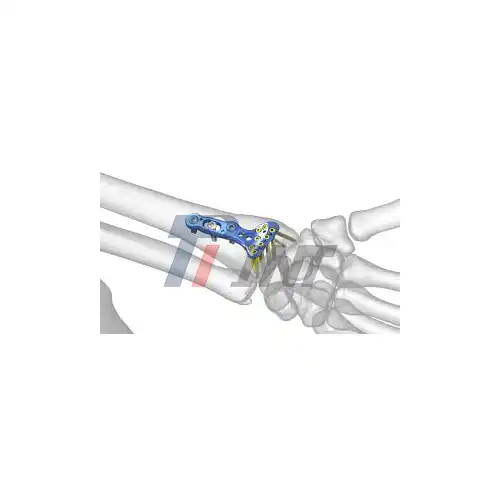
Titanium bars are used extensively by orthopedic implant makers for the production of components for both knee and hip replacement, spinal fusion rods, etc trauma fixation devices. The low elastic modulus of the material encourages natural load distribution, which in turn promotes bone development and integration while simultaneously limiting stress shielding effect that might potentially impair the bone tissue that is around the treatment area.
Dental implant applications showcase titanium's exceptional osseointegration capabilities, with titanium screws serving as artificial tooth roots that naturally bond with jaw bone over time. The material's biocompatibility ensures minimal inflammatory response while supporting long-term implant stability.
Titanium bars that have been carefully machined are used by makers of surgical instruments for the formation of specialty instruments that need remarkable strength-to-weight ratios. titanium's non-magnetic characteristics and resistance to corrosion make it an ideal material for neurosurgical equipment, microsurgical tools, including arthroscopic devices. These features allow titanium to withstand several cycles of sterilization without deteriorating.
Stainless Steel Bar Applications: Cost-Effective Solutions
The principal use for medical-grade aluminum bars is in the fabrication of surgical instruments, especially for tools that need a high level of mechanical strength with edge retention. A number of cutting devices, including scissors, blades, retractors, and others, may benefit from the hardness and machinability of stainless steel while still satisfying the standards for sterility.
When the standards for biocompatibility are less stringent, applications for temporary implants, such as external anchorage devices for short-term orthopedic gear, make use of the mechanical qualities of stainless steel. These applications take advantage of the economic benefits that stainless steel offers while being willing to accept reduced service life requirements.
As a result of the costs of production and the fact that stainless steel provides appropriate performance for applications that are either single-use or short-term, emergency medical equipment and disposable equipment often integrate stainless steel components.
Case Study: Material Selection Process
A leading orthopedic implant manufacturer faced material selection decisions for a new spinal fusion system. Initial cost analysis favored stainless steel components, offering 40% lower material costs compared to titanium alternatives, including the medical titanium bar. However, comprehensive evaluation revealed titanium's superior performance characteristics justified premium pricing.
In clinical tests, titanium was shown to have improved bone integration capabilities, which resulted in a reduction in fusion times by a typical of 25 percent when compared to treatments with stainless steel controls. Patient outcomes demonstrated decreased complication rates and increased long-term stability having titanium implants, which supports the use of titanium implants as the material of choice despite the higher initial payment.
The manufacturer ultimately selected Ti6Al4V ELI titanium bars for primary load-bearing components while using stainless steel for secondary hardware elements, optimizing performance while managing cost considerations.
Procurement Considerations for Global B2B Clients
Successful procurement of medical-grade titanium bars requires careful evaluation of supplier capabilities, material specifications, and compliance standards to ensure product quality and regulatory adherence.
Material Grade Classifications and Specifications
The ability to make educated purchase choices based on particular application needs is made possible by having a solid understanding of titanium grade classifications. Pure titanium of grade 2 is highly biocompatible and suitable for use in fundamental applications. Grade 5 (Ti6Al4V) titanium, on the other hand, is more robust and suitable for use in structural applications that are very demanding. Grade 23 (Ti6Al4V ELI) is the material of choice for essential implant applications that need the highest possible level of biocompatibility and mechanical functionality.
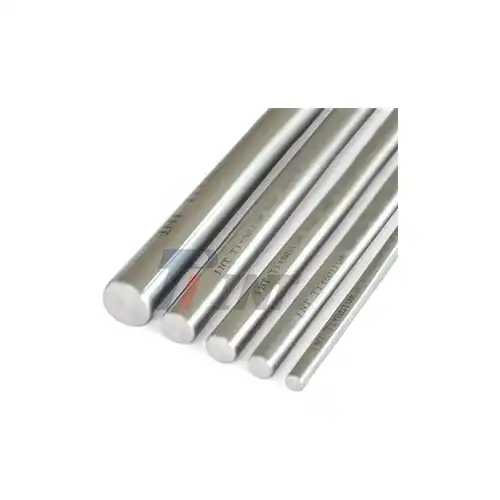
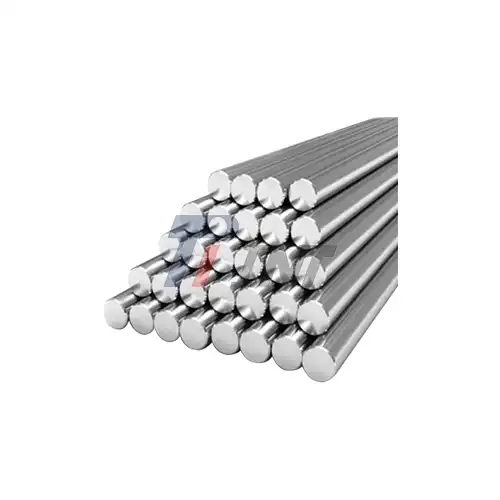
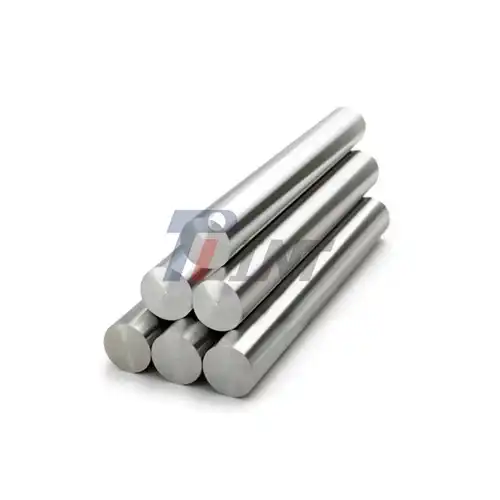
Specifications for dimensions must be in accordance with manufacturing necessities, with diameters ranging from 6 millimeters to 150 millimeters and lengths spanning from 1000 millimeters to 3000 millimeters to accommodate a wide variety of production requirements. Surface finish choices, including as polished & sandblasted treatments, have an impact on following manufacturing procedures as well as the properties of the finished item.
Supplier Qualification and Verification
In addition to verifying ISO 13485:2016 med device-specific requirements, comprehensive inspections of suppliers should also check the 2015 edition of ISO 9001 quality management certification. When it comes to overseas markets, regulatory compliance may be shown by EU certificate of conformity and FDA registration. This ensures that the criteria for material traceability including documentation are taken into account.
Evaluation of capacity to produce, quality assurance systems, other technical support services should all be included in the assessment of manufacturing capabilities. Suppliers that provide unique processing capacities, dimensional verification, including material certification are able to deliver additional value for production needs that are difficult.
When it comes to sustaining uninterrupted production schedules, the reliability of the supply chain becomes very essential for makers of medical devices. Having established suppliers that have a variety of sourcing skills and inventory control systems helps to limit the risks of supply disruptions while also guaranteeing that the quality of the materials remains constant.
Logistics and Compliance Management
International shipping requirements for medical-grade materials involve specific documentation and handling procedures to maintain material integrity and traceability. Proper packaging, climate control, and chain of custody documentation ensure material properties remain unchanged during transportation.
It is possible to lower unit costs via the use of bulk ordering procedures while also assuring acceptable inventory levels in production planning. On the other hand, due to the premium value of medical-grade titanium, rigorous inventory management is required in order to strike a balance between cost minimization and concerns of working capital.
Export regulations and customs requirements vary by destination country, requiring experienced suppliers familiar with international trade procedures for medical materials. Proper classification and documentation prevent shipment delays while ensuring regulatory compliance.
Company Introduction and Our Medical Titanium Bar Solutions
Baoji INT Medical Titanium Co., Ltd. has established itself as a benchmark enterprise in medical titanium bar development and production since our founding in 2003. With over two decades of specialized experience, we've developed comprehensive expertise in titanium alloy processing and medical device manufacturing requirements.
Our Technical Expertise and Capabilities
In addition to pure titanium, titanium aluminum vanadium and the Ti6Al4V ELI titanium bars, our extensive product line also offers titanium bars that have been particularly designed for use in medical applications. These materials have excellent technological characteristics that enable them to fulfill essential criteria for medical electronic devices.
Our titanium bars have a high strength-to-weight ratio, which allows them to be used in medical applications that are both flexible and sturdy. This makes them a perfect choice for circumstances in which strong and lightweight considerations are of the utmost importance. While preserving great load-bearing qualities that are required for orthopaedic and surgical applications, the lightweight design of our products decreases overall stress on the body so that it may be used more effectively.
Exceptional fatigue resistance ensures durability in critical environments where repeated stress and load cycles are expected. This characteristic minimizes material failure risk over time, enhancing implant longevity and reliability in dynamic bodily conditions that subject devices to continuous physiological loading.
Our titanium bars have qualities that have a low elastic modulus, which reduces the amount of stress shield in orthopedic implants. This results in improved bone integration and healing. Our materials help transfer stress more uniformly, which facilitates enhanced bone formation and adaptability around implanted devices. This is accomplished by aligning themselves more closely with the mechanical characteristics of natural bone.
Quality Assurance and Certifications
Baoji INT Medically Titanium Co., Ltd. ensures that each and every product it manufactures satisfies stringent quality requirements. These standards include the international quality assurance certification ISO 9001:2015, the health care equipment quality management network certification ISO 13485:2016, and the European Union CE safety certification. Regulatory authorities demand traceability documentation, and these certifications assure that our materials fulfill international requirements for the development of medical devices. Additionally, they provide the paperwork that is necessary.
As part of our production procedures, we have implemented sophisticated systems for quality control that check the qualities of the material, the correctness of the dimensions, and the surface finish criteria. Tensile strength testing demonstrates that our titanium dioxide ELI materials have a tensile strength that is more than 895 MPa while preserving elongation qualities of at least 10%. This guarantees that the performance parameters of each manufacturing batch are constant at all times.
Surface treatment options include both polished and sandblasted finishes, allowing customers to select appropriate surface characteristics for their specific manufacturing processes and final device requirements.
Comprehensive Service Capabilities
Beyond material supply, we provide technical support services including material selection guidance, processing technology consultation, and quality control assistance. Our engineering team works closely with customers to understand their specific requirements and recommend optimal material solutions for their applications.
Customized processing services accommodate unique dimensional requirements, with diameter capabilities ranging from 6mm to 150mm and lengths from 1000mm to 3000mm. This flexibility enables customers to receive materials precisely matched to their manufacturing specifications, reducing waste and improving production efficiency.
Our commitment to on-time delivery and stable supply ensures customers can maintain consistent production schedules while meeting their own customer commitments. Established supply chain relationships and inventory management systems support reliable delivery performance even during periods of high demand or market volatility.
Conclusion
The comparison between medical titanium bars and stainless steel clearly demonstrates titanium's superior performance characteristics for critical medical applications. While stainless steel offers cost advantages for certain applications, titanium's exceptional biocompatibility, strength-to-weight ratio, and corrosion resistance make it the preferred choice for permanent implants and high-performance medical devices. The initial investment in premium titanium materials yields significant long-term value through improved patient outcomes, reduced revision rates, and enhanced device longevity. For medical device manufacturers prioritizing quality and performance, titanium bars represent the optimal material choice despite higher upfront costs.
Partner with Baoji INT Medical Titanium Co., Ltd. for Superior Medical Titanium Bar Solutions
Baoji INT Medical Titanium Co., Ltd. stands ready to support your medical device manufacturing requirements with premium-grade titanium materials and comprehensive technical expertise. As a leading medical titanium bar manufacturer with over twenty years of specialized experience, we provide certified Ti6Al4V and Ti6Al4V ELI materials that meet the most stringent international quality standards. Our commitment to exceptional customer service, reliable delivery schedules, and competitive pricing makes us the ideal partner for your medical titanium procurement needs. Contact our team at export@tiint.com to discuss your specific requirements and receive detailed quotations for your next project.
References
1. Steinemann, S.G. "Titanium - the Material of Choice?" Periodontology 2000, Medical Device Materials Research, 1998.
2. Williams, D.F. "Biocompatibility of Clinical Implant Materials: Volume II." CRC Press Medical Materials Series, 1991.
3. Rack, H.J. and Qazi, J.I. "Titanium Alloys for Biomedical Applications." Materials Science and Engineering Reports, 2006.
4. Long, M. and Rack, H.J. "Titanium Alloys in Total Joint Replacement - A Materials Science Perspective." Biomaterials International Journal, 1998.
5. Niinomi, M. "Mechanical Properties of Biomedical Titanium Alloys." Materials Science and Engineering Series, 1998.
6. Brunette, D.M. "Titanium in Medicine: Material Science, Surface Science, Engineering, Biological Responses and Medical Applications." Springer Medical Publishing, 2001.
_1755061331871.png)
_1752644608314.webp)
_1751958555199.webp)
_1749447504716.webp)