

Buying Titanium Rods:A Comprehensive Guide


 2026-06-15 10:24:57
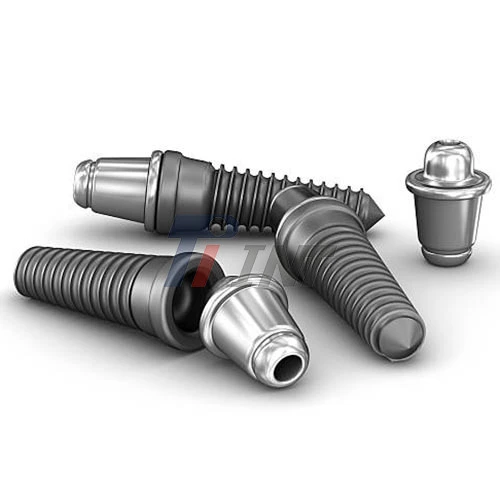
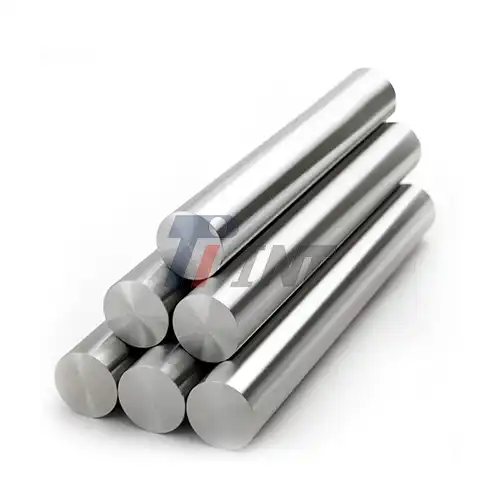
When looking for titanium rod medical parts for your business, it's important to know the differences between material types, approval needs, and source capabilities. Titanium bars that are medical-grade are the building blocks of hip implants, spine fastening systems, and oral replacements. These carefully designed cylinder-shaped bars have to meet strict biocompatibility standards and work very well mechanically in the tough environment of the human body. This guide shows you the most important things that buying managers, R&D experts, and supply chain workers need to think about when they are looking for these important products.
|
|
|
Understanding Titanium Rods in Medical Use
Medical titanium rods are a special kind of metal biomaterial that was made to be implanted surgically and used to make devices. In contrast to industrial-grade titanium, these bars go through vacuum arc remelting and controlled thermomechanical processing to make sure they have the same microstructure throughout, which is necessary for reliable performance.
Core Properties That Define Medical-Grade Titanium
The steady oxide layer that appears naturally on the surface of medical titanium, including titanium rod medical products, is what makes it so biocompatible. This inactive film stops immune reactions that could be harmful and makes a good environment for osseointegration, which is when living bone directly connects with the implant surface. The material's modulus of elasticity, which is about 110 GPa, is very close to that of human cortical bone. This prevents the "stress shielding" effect that happens when bone is near harder materials like stainless steel.
Another defining feature is its resistance to corrosion. Medical titanium bars keep their shape even when they are in harsh metabolic conditions with proteins, chloride ions, and changing pH levels. This means that the implants will last longer, which will lower the number of surgeries that need to be redone and improve patient results over many years.
Classification and Grade Selection
Commercially Pure (CP) titanium grades 1 through 4 and Ti-6Al-4V ELI (Extra Low Interstitial, also called Grade 23) are the most common types used for a titanium rod medical implant. For bone plates and screws, Grade 4 CP titanium is a good choice because it is stronger and can still be shaped very well. Ti-6Al-4V ELI has a tensile strength of 860 MPa and a yield strength of 795 MPa. It is used for load-bearing parts like spine rods and intramedullary nails where resistance to wear under repeated loads is very important.
The "ELI" name means that the material has less oxygen, nitrogen, and carbon in it. This makes it more flexible and less likely to break, which are important qualities for parts that will be loaded and unloaded millions of times inside the body. When buying teams understand these differences, they can choose the right grade for their gadget needs.
Sterilization Compatibility and Surface Treatments
Medical titanium bars must not break down when they are sterilized many times. Titanium is chemically stable enough to be sterilized by autoclaving, gamma irradiation, or ethylene oxide. Surface processes, like polished, sanded, or machining finishes, affect how quickly bones fuse together and how bacteria stick to them. Sandblasted surfaces have tiny bumps that help bone cells stick together, while polished finishes are better for situations where the joint needs to move smoothly or cause little tissue discomfort.
Comparing Titanium Rods with Other Materials
The choice of material has a big effect on both clinical success and the speed of production. Knowing how titanium stacks up against other materials helps buying workers make choices that are based on facts and fit the needs of the gadget and the budget.
Titanium Versus Stainless Steel
Because it costs less, stainless steel 316L has been used in medical uses for a long time. However, its higher bulk makes implants heavier, and its much higher elastic modulus (200 GPa) makes stress protection worse. Corrosion can happen in places with a lot of chloride, which can cause metallosis, which is the release of harmful metal ions into nearby tissue. Titanium takes away these worries and is better at blending in with the body, which is why it is the best material for permanent implants, even though it costs more at first.
Performance Against Polymer and Composite Alternatives
Carbon fiber-reinforced plastics and PEEK (polyetheretherketone) are better at radiolucency for spine uses, which means that images after surgery can be seen more clearly. Their springy moduli can be changed to be more like bone than metal ones. Still, these materials don't have the long-term track record of titanium rod medical when it comes to load-bearing situations. It is still not easy to predict how fatigue will behave under complex multiaxial stress, and production precision is hard to achieve. Titanium tubes are reliable and consistent mechanically, which is what regulation processes and clinical data need.
Titanium Alloy Selection Considerations
Which one to choose between pure titanium and Ti-6Al-4V ELI depends on the technical needs. Pure titanium grades work best for things like jaw repair plates that need to be resistant to rust and easy to shape. When strength-to-weight ratio and wear performance under high cycle loads are important for design, Ti-6Al-4V ELI is a must-have. Rod diameter and length can be changed from 3 mm to 100 mm and up to 6 meters long, so they can fit a wide range of device shapes, from infant spine systems to large-diameter femur stems.
Key Considerations When Buying Medical Titanium Rods
To be successful at procurement, you need to check the qualifications of suppliers, know how approval works, and set up contracts that balance cost with supply chain stability.
Essential Certifications and Compliance Standards
Getting ISO 13485:2016 approval shows that a seller cares about medical device quality control systems. This standard ensures that the whole process of making something can be tracked, from getting the raw materials to checking them for quality at the end. The ASTM F136 (Ti-6Al-4V ELI) and ASTM F67 (CP titanium) standards say what medical-grade bars must have in terms of chemical makeup and mechanical properties.
Even though FDA licensing doesn't guarantee specific materials, it does show that the maker follows rules that are accepted by American authorities. European agreement is proven by the CE marking required by the Medical Device Regulation (MDR 2017/745). For every package, procurement teams should ask for material documents that show the heat lot tracking, chemical analysis results, and mechanical testing data.
Evaluating Supplier Capabilities and Reputation
The track record of a provider is just as important as their qualifications. Companies that have been making medical titanium for decades know how important uniformity is. Different batches can affect how well a gadget works and how it is submitted to regulators. Look for companies that have written down their quality control processes, such as ultrasound testing for internal flaws and surface screening routines.
Technical help skills are what set good providers apart from great partners. Having access to metallurgists who can help with choosing materials, machinability, and heat treatment methods is very useful in addition to having access to raw materials. Suppliers that put money into research and development and keep up test production sites show that they are committed to new ideas, which is good for building long-term relationships.
Pricing Structures and Lead Time Realities
Medical-grade titanium costs more than industrial-grade titanium because it has to go through strict quality control and licensing. Prices will change depending on the type of metal, the thickness, the accuracy requirements, and the number of items ordered. When you buy in bulk, you can get better prices and make sure that your production plans don't run out of supplies.
Standard wait times for off-the-shelf titanium rod medical sizes are usually between 4 and 8 weeks, which includes processes for melting, casting, cutting, and checking the quality. Custom requirements, such as odd sizes, specific surface finishes, or better mechanical qualities, could make lead times 12 weeks or longer. Minimum order amounts depend on the provider and the level of detail needed in the design. For normal grades, they usually start at 50 to 100 kilograms.
Procurement Process and Best Practices
Structured buying processes keep the supply chain running smoothly and make sure that regulations are followed. They also save money.
Defining Technical Specifications with Cross-Functional Teams
Creating clear specifications is the first step to a successful purchase. Engineers in research and development (R&D) set performance standards that include mechanical qualities, surface finish factors, and physical limits. Quality assurance teams decide what kinds of tests and paperwork are allowed. Production managers give information about how much work is needed and how quickly product is sold. This way of working together makes standards that combine cost, performance, and ease of manufacture.
Supplier Evaluation and Selection Methodology
Make a checklist that rates possible providers on a number of different factors. Baseline qualifications are set by how full the certification is, how many audits it has had, and its standing with the government. Operational success is shown by things like production capacity, quality measures like failure rates, and on-time supply performance. Financial security, quick technical help, and the desire to provide samples of materials for testing are some of the other factors that make up a full review.
When you can, do checks of your suppliers, especially for partnerships that deal with a lot of goods. Visits to the manufacturing facility, the quality control infrastructure, and the organizational mindset can be learned in a way that written records alone can't. Referrals from current buyers who have used similar products in the past are a great way to get real-world success data.
Order Management and Supply Chain Resilience
Set clear buy order requirements, such as the material grade, ASTM/ISO standard references, measurement requirements with tolerances, surface finish, amount, delivery schedule, and any paperwork that is needed. Set rules for packaging that will keep the material's purity while it's being shipped and stored.
Set up processes for inspecting materials that come in, and when possible, use independent tests to compare material licenses to their actual features. To reduce the risks of relying on a single source, make backup plans that include skilled alternative providers. Keep the right amount of backup stock on hand to account for changes in wait times and the amount of production that needs to happen. You should balance the costs of keeping inventory with the risk of running out of stock, which could stop production.
Support after the sale includes more than just the guarantee. Make it clear that expert help is available for questions about cutting or materials that don't behave as expected. Set up rules for dealing with non-conforming materials, such as when they can be returned and when they need to be replaced.
Conclusion
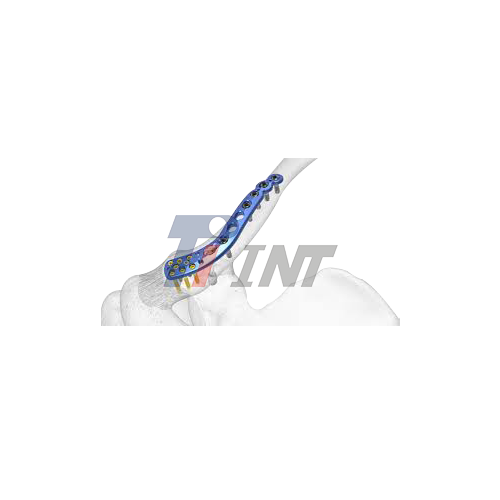
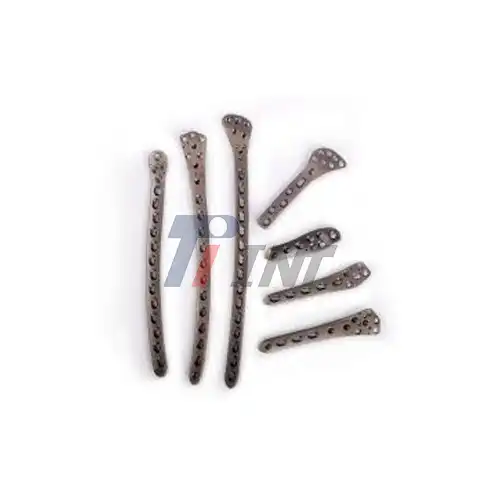
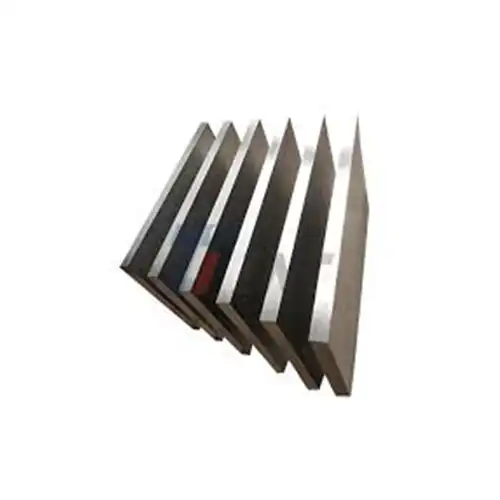
To get medical titanium plates and titanium rod medical products, you need to know a lot about materials science, following the rules, and managing the supply chain. Biocompatibility, technical efficiency, and resistance to rust are all qualities that make titanium unbeatable in life-critical medical equipment. A good buying process combines technical needs with the supplier's abilities, checking certifications, and keeping costs low.
Purchasing workers get the reliable, high-quality materials their companies need to make devices that improve patient results by knowing material grades, comparing options in an unbiased way, and using organized evaluation methods. Having long-term partnerships with sellers who consistently provide high-quality goods and helpful technical support gives you a competitive edge that goes beyond just one transaction.
FAQ
Q1: What makes titanium rods superior for medical implants compared to other metals?
A: Titanium doesn't cause refusal like some other metals do because it is biocompatible. Its elastic stiffness is very similar to that of human bone, so it doesn't cause stress buffering, which breaks down bone around implants. Titanium, on the other hand, forms a solid oxide layer that makes it very resistant to rust in physiological settings. This means that it will work reliably for decades without giving off any harmful ions.
Q2: How can I verify the authenticity of material certifications?
A: Ask for full certificates of materials that include heat lot numbers, chemical makeup analyses, and test reports for mechanical properties. Check the supplier's ISO 13485:2016 certification against records of granting bodies. When looking for a new source or for important projects, ask for third-party testing of the material by independent labs and compare the results to ASTM standards.
Q3: What lead times should I expect for customized titanium rod orders?
A: Standard sizes usually take 4 to 8 weeks to deliver from the time the order is placed. Custom specs, such as non-standard sizes, specific surface processes, or better mechanical qualities, may make delivery times 10 to 12 weeks longer. By planning purchase cycles around these facts and keeping enough safety stock on hand, production can continue without interruptions, even though medical-grade materials are more difficult to make.
Partner with a Proven Titanium Rod Medical Manufacturer
Baoji INT Medical Titanium Co., Ltd. has been working with medical-grade titanium products for more than 30 years. We have been known as a leader in medical titanium research and development, production, and processing since our founding in 2003. Pure titanium, Ti-6Al-4V ELI titanium alloys, and custom-made bars with diameters from 3 mm to 100 mm and lengths up to 6 meters are all in our extensive product line.
Each item has the ISO9001:2015, ISO13485:2016, and CE certificates that show it meets the requirements of the regulations you need to submit to. During the whole development process, our professional team helps you choose the right materials, make suggestions for cutting, and make sure the quality is good. Contact us at export@tiint.com to talk to our titanium rod medical supply team about your unique needs and get personalized prices based on decades of experience making orthopedic, spinal, and dental devices.
References
1. American Society for Testing and Materials. "Standard Specification for Wrought Titanium-6Aluminum-4Vanadium ELI (Extra Low Interstitial) Alloy for Surgical Implant Applications (UNS R56401)." ASTM F136-13, 2013.
2. Long, M., and Rack, H.J. "Titanium Alloys in Total Joint Replacement—A Materials Science Perspective." Biomaterials, vol. 19, no. 18, 1998, pp. 1621-1639.
3. Niinomi, M. "Mechanical Biocompatibilities of Titanium Alloys for Biomedical Applications." Journal of the Mechanical Behavior of Biomedical Materials, vol. 1, no. 1, 2008, pp. 30-42.
4. International Organization for Standardization. "Medical Devices—Quality Management Systems—Requirements for Regulatory Purposes." ISO 13485:2016.
5. Brunette, D.M., et al. "Titanium in Medicine: Material Science, Surface Science, Engineering, Biological Responses and Medical Applications." Springer-Verlag Berlin Heidelberg, 2001.
6. Geetha, M., et al. "Ti Based Biomaterials: The Ultimate Choice for Orthopaedic Implants—A Review." Progress in Materials Science, vol. 54, no. 3, 2009, pp. 397-425.
_1753429726760.webp)
_1752462890412.webp)
_1751956503238.webp)
_1750663525879.webp)