

What are the welding guidelines for 2mm titanium sheets?


 2026-06-15 10:25:05
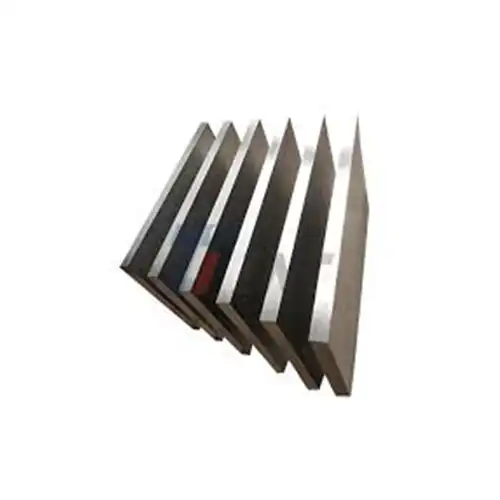
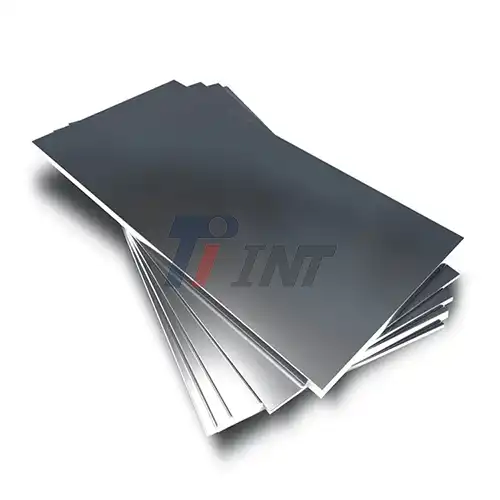
Shielding, cleaning, and heat control must all be taken into account when welding a titanium sheet 2mm. The main rule is to keep air, nitrogen, and hydrogen from getting into the titanium during the welding process, since titanium easily mixes with these elements when they are heated up. It is necessary to use neutral protective gases, usually high-purity argon, on both the weld face and the root side. Controlled heat input through TIG or laser welding methods, along with proper joint preparation such as degreasing and mechanical cleaning, keeps the weld intact and keeps the biocompatibility and mechanical qualities needed for medical device uses.
|
|
|
Understanding the Properties of 2mm Titanium Sheets Relevant to Welding
Material Composition and Mechanical Characteristics
Medical devices are mostly made of grade 2 economically pure titanium because it has the best mix of strength, flexibility, and rust protection. This material has a tensile strength of over 275 MPa at a thickness of 2 mm and a stretch of about 20%. This makes it easy to shape into complex shapes while still maintaining its structural integrity. With a density of 4.51 g/cm³, it is lighter than stainless steel, which is very important for portable medical tools and internal parts. Medical-grade titanium sheet 2mms made to ASTM B265 standards have strict limits on their chemical make-up. This makes sure that all production runs are able to join and work with tissue.
Thermal Conductivity and Heat Management Implications
Titanium has a heat conductivity of about 16–17 W/m·K, which is much lower than that of aluminum or copper metals. This feature makes a small heat-affected zone during welding, which lowers the risk of damage in thin parts. But the same trait means that movement speed and current must be carefully controlled to keep areas from getting too hot. At 2mm gauge, too much heat can lead to bending or "oil-canning" effects that make it harder to keep the dimensions that are needed for putting together medical devices. Welding experts can figure out the right cooling rates and choose filler materials that match the base metal's coefficient of thermal expansion when they understand this thermal behavior.
Reactivity with Atmospheric Gases
Titanium is very reactive with oxygen, nitrogen, and hydrogen above 400°C. This is the main problem that welders have to deal with. When metals are exposed to contaminated air during the melting and freezing stages, weak intermetallic compounds form in the weld zone and other areas that are heated. Oxygen pollution shows up on the joint surface as a straw-colored or blue rust layer, which means the mechanical qualities have been weakened. Taking in nitrogen weakens the material and makes it less flexible, while taking in hydrogen can delay breaking. Because of these processes, inert gas protection is needed during the whole welding process, from starting the arc to cooling the weld completely below the critical temperature level.
Welding Challenges and Causes of Common Issues in 2mm Titanium Sheets
Porosity and Gas Entrapment
When bonding a titanium sheet 2mm with other small titanium pieces, porosity is still the most common problem that comes up. This problem happens because the protective gas isn't covering enough, the joint surfaces are wet, or there are air pockets that are stuck because the parts don't fit together well. At 2 mm thickness, even small holes can lower the load-bearing capacity by 30 to 40 percent, which means that the parts can't be used in medical uses that require a lot of stress. When arc heat breaks down moisture that was absorbed by surface oxides or leftover cleaning solvents, hydrogen is released and gets stuck in the hardening weld pool. Due to its fast solidification rate, thin-section welding doesn't give gas bubbles enough time to escape, leaving holes in the material that can only be seen with x-rays or sound waves.
Embrittlement and Cracking Mechanisms
Different from porosity, contamination-induced embrittlement affects both the fusion zone and the heat-affected area in different ways. When nitrogen is picked up, it makes titanium nitride precipitates that greatly reduce their impact hardness and wear resistance. These are qualities that are very important for medical tools that have to withstand repeated cleaning cycles and mechanical stress. When hydrogen diffuses to stress concentration places, hours or days after welding is done, cold cracking can happen. This is especially problematic in joint setups that are limited in space. Hot cracking happens less often in commercially pure grades, but it can happen in Grade 5 titanium alloy sheets if the wrong filler is used or there is too much control, which causes high solidification pressures.
Distortion and Dimensional Control
Due to its low thermal conductivity and high rate of thermal expansion, titanium sheet 2mms can twist when they are welded. Longitudinal shrinking and rotational distortion can go beyond the limits set by medical device manufacturers, which can lead to expensive repair or rejection of the part. To meet smoothness requirements, tack welding processes, fixturing techniques, and the placing of heat sinks become very important factors. When you solder, the material may get residual pressures that can cause it to warp later on during forming or stress-relief treatments. This can make the multi-stage construction processes that are common in implant production more difficult.
Best Practices and Welding Guidelines for 2mm Titanium Sheets
Process Selection and Equipment Requirements
With its better control over heat input and join pool dynamics, TIG (Gas Tungsten Arc Welding) is the gold standard for welding titanium sheet 2mm. Through exact current modulation, this process can work with the thin cross-section while keeping distortion to a minimum. Laser welding is an option for places that make a lot of things. It uses concentrated energy to make the heat-affected zone narrower and the movement speeds faster. For both methods to work, special tools must be kept just for working with titanium, so that other metals don't get on them. Pulsed current makes it easier to control thin sections by lowering the amount of heat that is put in during the cooling part of each pulse cycle.
Shielding gas purity must meet or exceed 99.99% argon content, and oxygen and moisture levels must be kept below 20 ppm no matter what process is used. Behind the torch, 150–200 mm long trailing shields protect the hot weld area while it cools, and 10-15 liters per minute of backing gas purges protect the root side. Glove box welding rooms keep neutral atmospheres throughout the whole heating cycle, which is the best way to keep important medical parts from getting contaminated.
Pre-Welding Preparation Protocols
In titanium manufacturing, surface preparation has a direct effect on the quality of the weld. Using stainless steel wire brushes made just for titanium for mechanical cleaning gets rid of rust layers and surface contaminants. Chemical degreasing with methanol or acetone gets rid of fingerprints, oils, and other marks left over from keeping or handling. Within 50 mm of where the weld is going to happen, the sides of the joints must not have any burrs, scale, or cutting marks on them. The way titanium sheet 2mms are stored is very important. They should stay in protected packaging until they are welded to keep them from oxidizing and absorbing moisture from the air.
When compared to steel welding, joint fit-up tolerances get a lot tighter. For autogenous welds, gap sizes are limited to no more than 0.1 to 0.2 mm. Too many holes make the protective gas flow more unstable and raise the risk of leakage. Tack welds every 25 to 40 mm keep the seams straight while letting the metal expand during continuous seam welding. Every tack gets the same protective care as a production weld, because compromised tacks often start problems that spread to the final weld passes.
Parameter Optimization and Quality Control
In TIG uses, the welding current range for titanium sheet 2mm is usually between 50 and 90 amps, but this can change depending on the joint shape and trip speed. Lower currents reduce heat intake and warping, but they also need slower travel speeds, which extends the time that contaminants are exposed. The arc voltage stays stable between 10 and 14 volts, and the flow rate of argon on the torch cup is set to 12 to 15 liters per minute. Travel speeds of 150 to 250 mm per minute are good for balancing the need for entry with the amount of heat that can be put in. These factors need to be checked using process approval testing that mimics the shapes and thicknesses of production joints.
Real-time monitoring systems that keep track of arc voltage, current, and travel speed provide the quality assurance records that are needed when making medical devices. Visually checking for staining is part of the post-weld inspection. Welds that are okay have a bright silver finish, while welds with straw or blue tints need to be rejected because they are contaminated. Dye penetrant testing finds flaws that break the surface, and x-rays make sure that important structure parts are sound on the inside. The tensile strength, bend flexibility, and wear performance of qualification coupons are tested mechanically to make sure they meet application requirements.
Comparison: Welding 2mm Titanium Sheets vs. Other Metals
Titanium Versus Stainless Steel
Welding stainless steel is much better at handling air exposure than titanium welding. This means that less protective gas is needed and the equipment is easier to use. Standard argon-CO2 mixes and minor following shield protection are enough to keep the weld qualities of 316L stainless steel, which is often used in medical applications. For 2 mm stainless steel, the heat input settings allow for faster travel speeds and more gap tolerance, which boosts production output. But titanium's better resistance to rust in salt settings and biocompatibility make it worth the extra work to weld for implanted devices and tools that need to stay in contact with flesh for a long time.
Considerations Across Titanium Grades
Grade 5 titanium alloy (Ti-6Al-4V) has aluminum and vanadium added to it, which makes it stronger (up to 828 MPa yield) but makes bonding more difficult, especially when working with a titanium sheet 2mm. The mix of metals in the alloy makes it more likely to crack when heated, so filling metal is often added and the weld is heated at 650–760°C for a while. It is easier to solder grade 2 economically pure titanium because it is more flexible and strong enough for many medical uses. This makes it the best choice for making thin sheets. The lower modulus of elasticity (105 GPa compared to 200 GPa for steel) makes the spring-back properties different during making processes after welding, which means that the equipment needs to be changed.
Procurement and Supplier Considerations for Welding-Ready 2mm Titanium Sheets
Material Certification and Traceability
Medical device makers need to be able to fully track their materials from the mill where they are certified to the final assembly of the part. Titanium sources you can trust will give you certificates for each production lot that show its chemical makeup, mechanical qualities, and size limits. Depending on the needs of the application, mill test results make sure that the product meets the standards of ASTM B265, ISO 5832-2, or AMS 4902. Oxygen levels in Grade 2 materials are usually kept below 0.25%, and iron, carbon, nitrogen, and hydrogen elements are kept in check to keep the materials weldable and biocompatible. Suppliers who keep their ISO 13485 certification show that their quality management systems are in line with the rules for medical devices. This makes it easier for buying organizations to do audits.
Dimensional Accuracy and Surface Finish
The quality of a welding process is directly affected by the thickness limit. Differences greater than ±0.15mm may need parameter changes or the creation of a new procedure. When compared to hot-rolled goods, cold-rolled and annealed titanium sheet 2mms are more flat and have more consistent thickness, which makes fit-up problems during welding less likely. Surface cleanliness standards, usually 2B or better, make sure that the spark starts consistently and cut down on the amount of cleaning that needs to be done before welding. The state of the edge is very important. Sheared edges need more work before they can be welded, while laser-cut or waterjet-cut edges leave smoother, burr-free areas that can be welded after only a little degreasing.
Lead Times and Supply Chain Reliability
Getting titanium sheet 2mms takes longer than getting other metals. For normal specs, shipping usually takes between 6 and 12 weeks. Getting to know sources and keeping your goods in standard sizes cuts down on the time it takes to buy things for production planning. When the market is short on supplies, volume agreements can often unlock better prices and priority placement. Over the course of our 20-year experience, Baoji INT Medical Titanium Co., Ltd. has always delivered on time by keeping a smart collection of medical-grade materials that help our manufacturing partners finish projects faster.
Conclusion
To weld titanium sheet 2mms, you have to pay close attention to keeping them clean, choosing the right parameters, and preparing the surface well. The unique qualities of the material—its biocompatibility, resistance to rust, and high strength-to-weight ratio—make the complicated steps needed to make good welds in medical device uses worth it. By understanding titanium's unique temperature and chemical properties, engineering teams can come up with strong bonding methods that keep the material's integrity during the production process. Choosing the right source guarantees stable material quality, and following best practices for insulation, cleaning, and heat management makes welds that meet the strict performance needs of surgery implants and precision tools.
FAQ
Q1: Can I weld titanium sheets without specialized shielding equipment?
A: When titanium is welded without the right protective gear, the welds are always dirty and break easily, making them unsuitable for medical uses. As a minimum, both the torch cup and the following shield must be shielded with high-purity argon, and the root side must be purged with backing gas. Glove box welding tanks are the best way to keep contaminants out, but following shields that are set up correctly and reach 150–200 mm behind the torch can work well for less important jobs.
Q2: What causes discoloration on titanium welds and how does it affect performance?
A: Weld darkening shows exactly how polluted the air was while the weld was being made. A shiny silver finish means that the screening is very good, while oxides of straw color mean that there is some oxygen exposure, but it may still meet the requirements for non-critical uses. Blue, purple, or gray staining means there is a lot of contamination that needs to be removed and reworked. This is because these oxide layers are linked to big drops in flexibility, fatigue resistance, and rust performance.
Partner with a Trusted Titanium Sheet 2mm Supplier for Your Medical Device Welding Projects
Baoji INT Medical Titanium Co., Ltd. brings more than 30 years of experience in the titanium business right to your production processes. Our medical-grade titanium sheet 2mm comes with full mill certifications, ASTM B265 compliance paperwork, and ISO 13485 quality system tracking, which makes the approval process easier for you. We know how important it is to have materials that are ready to weld. Our cold-rolled sheets have width limits of ±0.10mm and surface finishes that cut down on the time you need to prepare them and improve the regularity of the weld.
As an experienced creator of titanium sheet 2mm, we help implant makers and medical tool makers all over North America with choosing the right material, setting up the right welding conditions, and making sure the quality of their work. Get in touch with our team at export@tiint.com to talk about your unique welding application needs, ask for samples of materials, or find out how our inventory management programs can shorten the time it takes to get what you need.
References
1. American Welding Society. (2018). Welding Handbook, Volume 4: Materials and Applications, Part 2. AWS, Miami, Florida.
2. Donachie, M.J. (2000). Titanium: A Technical Guide, 2nd Edition. ASM International, Materials Park, Ohio.
3. Lütjering, G. and Williams, J.C. (2007). Titanium, 2nd Edition: Engineering Materials and Processes. Springer-Verlag, Berlin.
4. American Society for Testing and Materials. (2021). ASTM B265-20a: Standard Specification for Titanium and Titanium Alloy Strip, Sheet, and Plate. ASTM International, West Conshohocken, Pennsylvania.
5. Schutz, R.W. and Watkins, H.B. (1998). "Recent Developments in Titanium Alloy Application in the Energy Industry." Materials Science and Engineering: A, Volume 243, Issues 1-2, pp. 305-315.
6. Peters, M., Kumpfert, J., Ward, C.H., and Leyens, C. (2003). "Titanium Alloys for Aerospace Applications." Advanced Engineering Materials, Volume 5, Issue 6, pp. 419-427.
_1753427753918.webp)
_1752817116199.webp)
_1752462890412.webp)
_1750209732185.webp)
_1772162494331.jpg)