Can a titanium plate get infected?


 2025-12-24 09:34:15
Titanium plate implants have revolutionized the field of orthopedic surgery, providing a solid and biocompatible arrangement for bone breaks and reproductions. However, a common concern among patients and healthcare experts alike is the potential for contamination. In this comprehensive direct, we'll explore the complexities of titanium plate implants, their defenselessness to disease, and the measures taken to prevent and treat such complications.
|
|
|

Comprehending Titanium Plate Implants
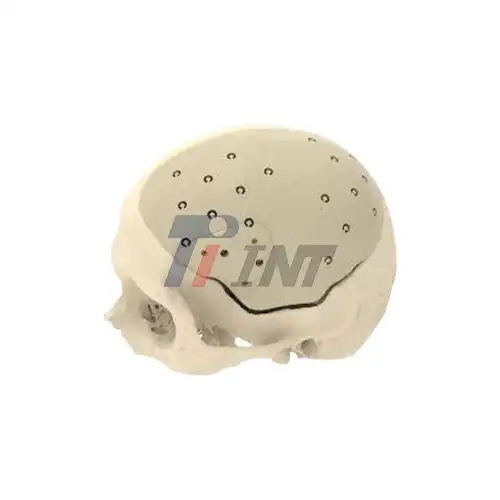
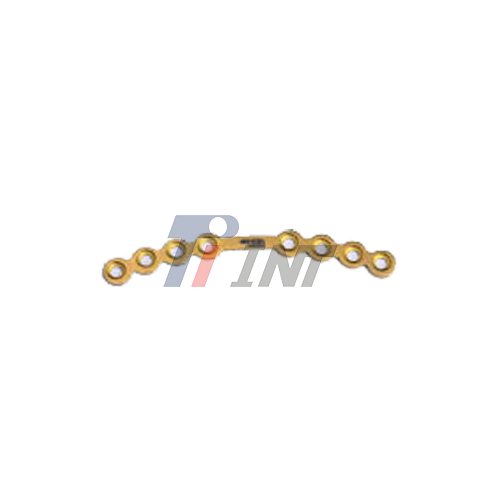
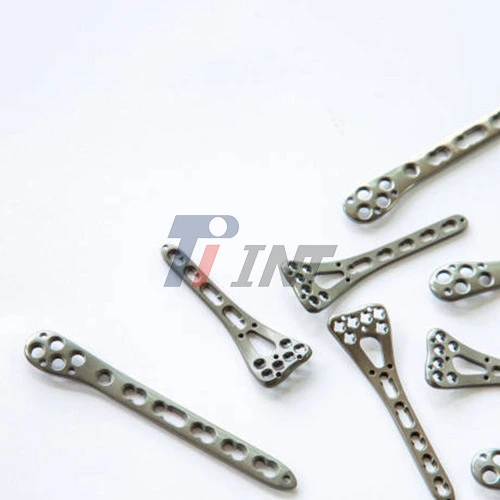
Titanium plate implants are medical gadgets utilized to stabilize and support broken bones amid the mending handle. These plates are favored in orthopedic surgery due to their extraordinary strength-to-weight proportion, erosion resistance, and biocompatibility. The human body generally tolerates titanium well, making it a perfect fabric for long-term implantation.
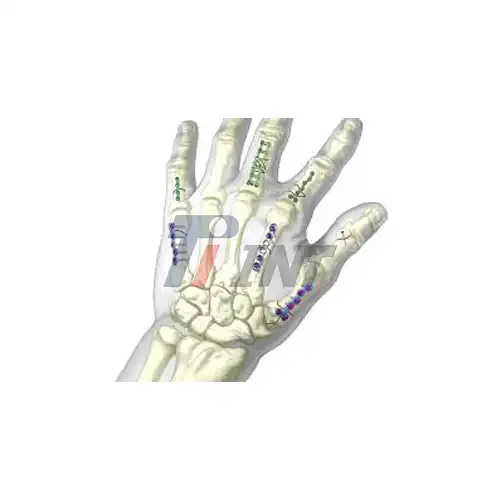
The process of implanting a titanium plate involves carefully positioning it against the bone and securing it with screws. This creates a stable environment for the bone to heal properly. Titanium's unique properties allow it to integrate with the surrounding bone tissue, a process known as osseointegration, which enhances the implant's stability over time.
While titanium plate implants are designed to be as safe and effective as possible, it's crucial to understand that any foreign object introduced into the body carries some risk of complications, including infection.
The Risk of Infection in Titanium Plate Implants
Despite the advanced manufacturing processes and stringent sterilization protocols used in producing titanium plate implants, infections can occur. It's important to note that the infection is not due to the titanium itself, but rather to bacteria that may enter the surgical site during or after the procedure.
Several factors can contribute to the risk of infection in titanium plate implants:
1. Surgical Technique: The skill and experience of the surgeon, as well as the adherence to sterile procedures, play a significant role in preventing infection.
2. Patient Health: Individuals with compromised immune systems, diabetes, or other chronic health conditions may be at higher risk for infection.
3. Wound Care: Proper postoperative care and wound management are crucial in preventing bacterial entry at the surgical site.
4. Implant Surface: While titanium is inherently resistant to bacterial adhesion, the surface characteristics of the implant can influence bacterial colonization.
Infections associated with titanium plate implants can be classified into early (occurring within the first three months post-surgery) or late infections. Early infections are often due to contamination during surgery, while late infections may result from hematogenous spread of bacteria from other parts of the body.
Symptoms of an infected titanium plate implant may include:
- Persistent pain or discomfort at the implant site
- Redness, swelling, or warmth around the surgical area
- Fever or chills
- Drainage or oozing from the wound
- Delayed healing or wound dehiscence
If you experience any of these symptoms, it's crucial to consult your healthcare provider promptly. Early detection and treatment of implant-associated infections are vital for successful outcomes.
Preventing and Managing Infections in Titanium Plate Implants
The medical community has developed various strategies to minimize the risk of infection in titanium plate implants. These approaches include:
1. Preoperative Screening: Identifying and addressing potential risk factors before surgery, such as uncontrolled diabetes or active infections elsewhere in the body.
2. Strict Aseptic Techniques: Implementing rigorous sterilization protocols in the operating room to minimize the risk of contamination during surgery.
3. Antibiotic Prophylaxis: Administering preventive antibiotics before and sometimes after surgery to reduce the risk of bacterial colonization.
4. Advanced Implant Technologies: Developing titanium plates with antimicrobial coatings or surface modifications that inhibit bacterial adhesion and growth.
5. Postoperative Care: Providing comprehensive patient education on wound care and signs of infection to ensure early detection and intervention if necessary.
In cases where an infection does occur, treatment typically involves a multidisciplinary approach. This may include:
- Targeted antibiotic therapy based on culture and sensitivity testing
- Surgical debridement to remove infected tissue and biofilm
- Implant retention or removal, depending on the severity and timing of the infection
- Long-term antibiotic suppression in some cases
The decision to retain or remove an infected titanium plate implant depends on various factors, including the stability of the fracture, the extent of the infection, and the patient's overall health status. In some cases, temporary removal of the implant, treatment of the infection, and reimplantation may be necessary.
Recent advancements in implant technology have led to the development of "smart" titanium implants that can detect and respond to bacterial presence. These innovative devices incorporate sensors and drug-delivery systems that can provide real-time monitoring and targeted antibiotic release, potentially revolutionizing the management of implant-associated infections.
While the risk of infection in titanium plate implants cannot be completely eliminated, ongoing research and technological innovations continue to improve outcomes and reduce complication rates. Patients considering or undergoing titanium plate implant surgery should engage in open dialogue with their healthcare providers to understand the risks, benefits, and proper care associated with these devices.
Conclusion
Titanium plate implants remain a crucial tool in orthopedic surgery, offering excellent biocompatibility and mechanical properties. While infections can occur, the risk is relatively low when proper precautions are taken. By understanding the potential for infection and working closely with healthcare providers, patients can maximize the benefits of these implants while minimizing complications.
For those seeking high-quality titanium materials for medical applications, Baoji INT Medical Titanium Co., Ltd. offers a comprehensive range of titanium products that meet stringent international standards. With over 30 years of experience in the field, INT provides reliable solutions for medical device manufacturers and healthcare professionals. To learn more about their medical titanium products, please contact them at export@tiint.com.
References
1. Arens, S., Schlegel, U., Printzen, G., Ziegler, W. J., Perren, S. M., & Hansis, M. (1996). Influence of materials for fixation implants on local infection. An experimental study of steel versus titanium DCP in rabbits. The Journal of bone and joint surgery. British volume, 78(4), 647-651.
2. Ribeiro, M., Monteiro, F. J., & Ferraz, M. P. (2012). Infection of orthopedic implants with emphasis on bacterial adhesion process and techniques used in studying bacterial-material interactions. Biomatter, 2(4), 176-194.
3. Campoccia, D., Montanaro, L., & Arciola, C. R. (2013). A review of the biomaterials technologies for infection-resistant surfaces. Biomaterials, 34(34), 8533-8554.
4. Metsemakers, W. J., Morgenstern, M., McNally, M. A., Moriarty, T. F., McFadyen, I., Scarborough, M., ... & Raschke, M. (2018). Fracture-related infection: A consensus on definition from an international expert group. Injury, 49(3), 505-510.
5. Moriarty, T. F., Kuehl, R., Coenye, T., Metsemakers, W. J., Morgenstern, M., Schwarz, E. M., ... & Busscher, H. J. (2016). Orthopaedic device-related infection: current and future interventions for improved prevention and treatment. EFORT open reviews, 1(4), 89-99.
_1752818186472.webp)
_1750210463958.webp)