


 2025-12-26 08:44:08
Understanding Titanium Plate Implants in Facial Surgery
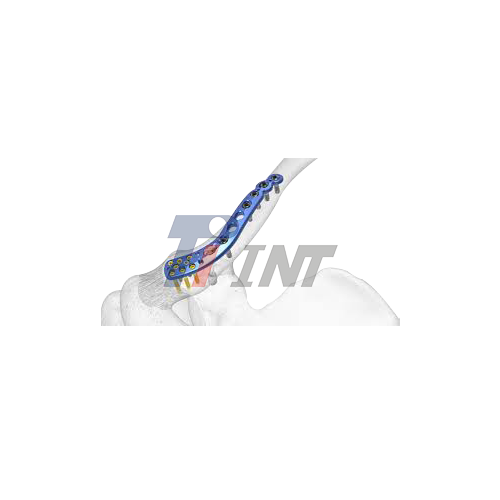
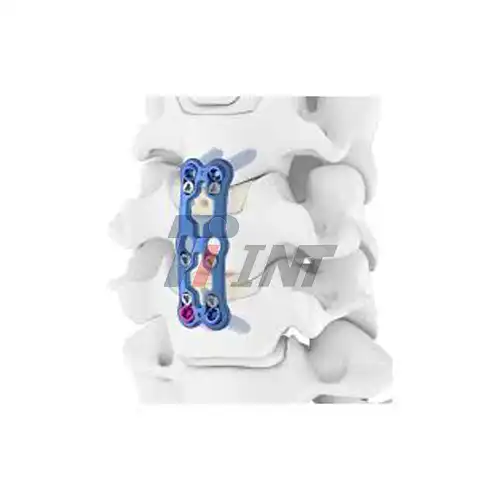
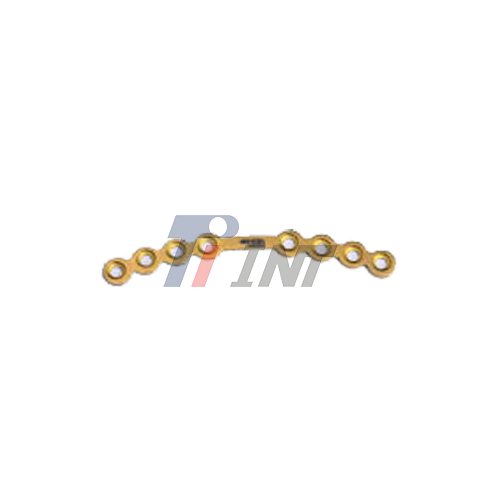
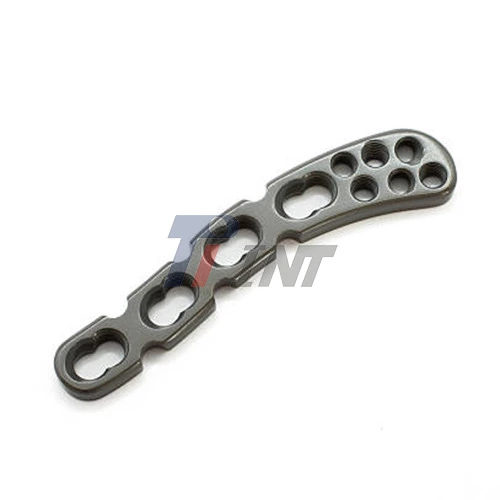
Titanium plate implants are essential in facial reconstructive surgery, stabilizing fractures and supporting healing. Their biocompatibility ensures rare adverse reactions, making them ideal for medical use. Titanium’s strength-to-weight ratio allows for thin, sturdy plates for facial surgeries, balancing aesthetics and function. Its corrosion resistance ensures implants last decades without degradation.
The versatility of titanium plate implants extends to various facial procedures, including:
- Mandibular reconstruction
- Zygomatic (cheekbone) fracture repair
- Orbital floor reconstruction
- Maxillofacial trauma repair
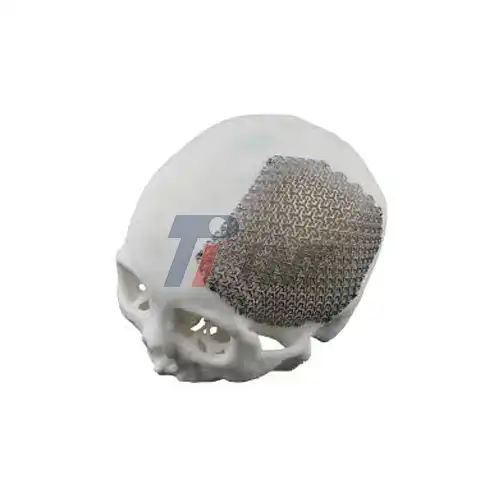
- Cranioplasty
While the benefits of titanium plate implants are numerous, it's essential to be aware of potential side effects that may occur in some patients.
Potential Side Effects of Titanium Plates in the Face
In spite of the common security and adequacy of titanium plate inserts, a few patients may encounter side impacts or complications. It's critical to note that serious complications are uncommon, and most issues can be tended to with legitimate restorative mediation. Here are a few potential side impacts to be mindful of:
Infection
In spite of the fact that exceptional, contamination remains a potential hazard with any surgical strategy, including titanium plate implants. Symptoms of infection may include:
- Persistent pain or swelling
- Redness around the surgical site
- Fever or chills
- Drainage from the incision
Proper sterilization techniques and post-operative care significantly reduce the risk of infection. However, if an infection does occur, it may necessitate antibiotic treatment or, in severe cases, removal of the implant.
Allergic Reactions
While titanium is generally considered hypoallergenic, a small percentage of individuals may develop an allergic reaction to the metal. Symptoms of a titanium allergy can include:
- Skin rash or irritation
- Itching or burning sensation
- Swelling around the implant site
- Chronic inflammation
In rare cases where a titanium allergy is confirmed, alternative materials or treatment options may need to be considered.
Hardware Complications
Occasionally, issues with the titanium plate itself may arise, such as:
- Plate migration: The implant may shift from its original position
- Plate exposure: The plate may become visible through the skin or mucosa
- Screw loosening: Screws securing the plate may become loose over time
- Plate fracture: Although rare, the plate may break under extreme stress
Nerve Damage
The intricate network of nerves in the face means there's a potential risk of nerve damage during implant placement. This can lead to:
- Numbness or tingling in the affected area
- Altered sensation or loss of feeling
- Facial muscle weakness
Thermal Sensitivity
Some patients report increased sensitivity to temperature changes, particularly in cold environments. This sensitivity is often due to the thermal conductivity of titanium, which can transmit temperature changes more readily than natural bone.
Palpability and Visibility
Depending on the location and size of the implant, some patients may be able to feel the plate beneath their skin or notice a slight contour change. In areas with thin soft tissue coverage, the plate may be subtly visible, potentially affecting facial aesthetics.
Pain and Discomfort
Whereas most patients adjust well to titanium inserts, a few may experience progressive inconvenience or torment at the embed location. This can be due to various factors, including:
- Pressure on surrounding tissues
- Inflammatory response
- Scar tissue formation
Minimizing Risks and Optimizing Outcomes
While the potential side effects of titanium plate implants may seem daunting, it's important to remember that serious complications are relatively rare. The benefits of these implants in facial reconstruction and repair often far outweigh the risks. To minimize potential issues and optimize outcomes, consider the following:
Choose an Experienced Surgeon
The aptitude and involvement of your specialist play a significant part in the victory of titanium plate implantation. See a board-certified facial plastic specialist or oral and maxillofacial specialist with broad experience in facial remaking and embedding strategies.
Discuss Your Medical History
Be thorough when discussing your medical history with your surgeon. Mention any allergies, previous surgeries, or medical conditions that could impact your treatment or recovery.
Follow Post-Operative Instructions
Adhering to your surgeon's post-operative care instructions is vital for proper healing and reducing the risk of complications. This may include:
- Keeping the surgical site clean and dry
- Taking prescribed medications as directed
- Attending follow-up appointments
- Avoiding certain activities during the recovery period
Monitor for Signs of Complications
Be vigilant for any unusual symptoms or changes following your surgery. Early detection and treatment of complications can often lead to better outcomes.
Consider Alternative Materials
In some cases, particularly for patients with known metal allergies or concerns about titanium, alternative materials may be considered. These could include:
- Bioresorbable plates
- Polyether ether ketone (PEEK) implants
- Autologous bone grafts
Long-Term Follow-Up
Even after successful healing, it's important to maintain regular check-ups with your surgeon or dentist. This allows for monitoring of the implant's condition and early detection of any long-term issues that may arise.
Conclusion
Titanium plate implants have revolutionized facial reconstruction, improving patients' quality of life. While rare complications may arise, they are manageable with prompt attention, allowing patients to approach procedures confidently.
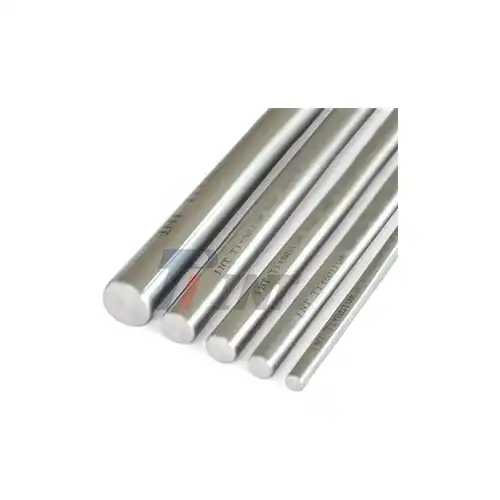
If you're considering facial reconstruction or repair involving titanium plate implants, consult a qualified healthcare professional for facial reconstruction with titanium implants. Baoji INT Medical Titanium Co., Ltd. offers high-quality titanium materials tailored for medical applications. To learn more about their products or discuss your specific requirements, don't hesitate to reach out to their expert team at export@tiint.com.
_1753429871786.webp)