

Can GR1 titanium medical bars be used in dental implant production?


 2026-06-24 11:32:28
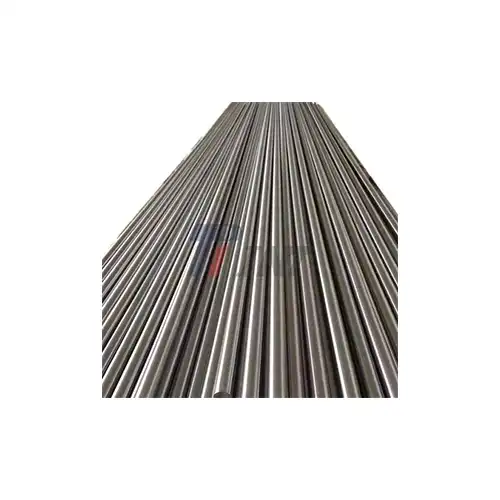
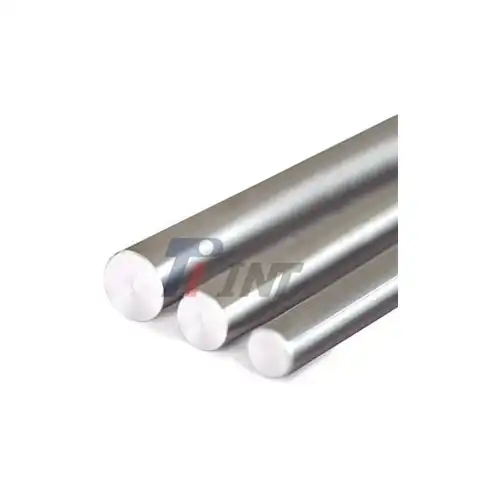
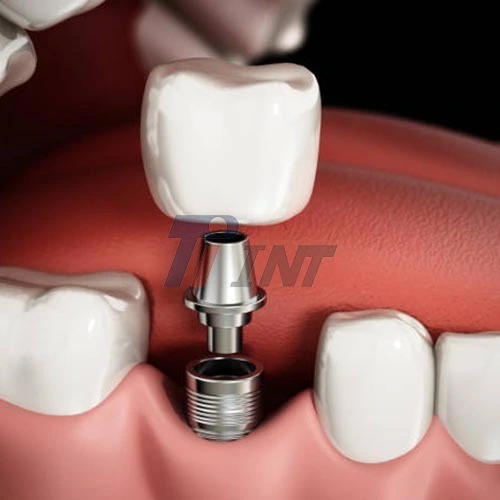
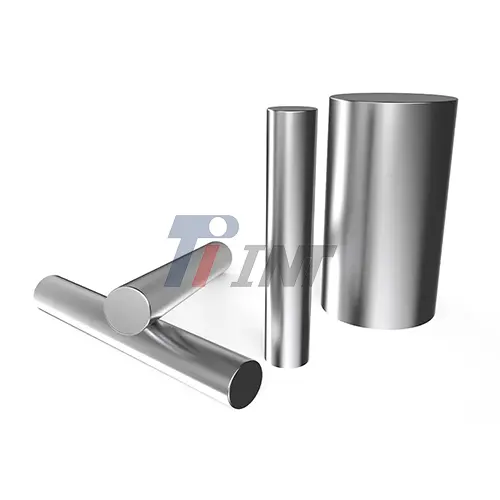
Yes, Gr1 Titanium Medical Bars are used to make tooth implants, especially for parts that need to be very flexible and compatible with living tissue. Gr1 Titanium Medical Bar is the highest type of available pure titanium. It meets ASTM F67 and ISO 5832-2 standards and has a low interstitial content, with iron levels below 0.20% and oxygen levels at most 0.18%. This mixture is very easy to shape, which makes it perfect for healing caps, temporary abutments, and custom dental parts. Higher-strength types like Gr4 or Ti-6Al-4V are better for load-bearing implant bodies, but Gr1 Titanium Medical Bar is best for soft tissue contact and surgical shaping. This meets the needs of the dental business for materials that are both pure and easy to make.
|
|
|
Understanding GR1 Titanium Medical Bar in Medical Applications
Chemical Composition and Purity Standards
The purest type of titanium is Gr1 Titanium Medical Bar, which is made without any alloys. It is different from industrial-grade products because the chemicals that make it up are strictly managed. The amount of oxygen stays at 0.18%, and the amount of iron never goes above 0.20%. This keeps the material's softness and ability to be shaped. Nitrogen can only be 0.03%, carbon can only be 0.08%, and hydrogen can't be more than 0.015 %. With this exact mix, an alpha-phase microstructure is made that behaves consistently during cutting and shaping processes. This stability is especially important for companies that make medical devices because it gets rid of factors that could affect the accuracy of measurements during precise cutting or turning processes.
To make sure the material meets ASTM F67 standards, each output lot goes through strict chemical and mechanical tests. Medical-grade titanium bars must meet stricter standards and be fully traceable through EN 10204 3.1 Mill Test Certificates compared to ASTM B348 industrial-grade titanium bars. These papers keep track of each heat number from melting the sponge titanium to making the final bar. This meets the standards of the FDA quality system and the EU Medical Device Regulation.
Biocompatibility and Corrosion Resistance
Gr1 Titanium Medical Bar is unique in dentistry uses because it forms a steady titanium dioxide (TiO₂) passive film as soon as it comes in contact with air. If this nanometer-thick oxide layer gets scratched, it grows back right away. This makes it completely resistant to rust in the tough mouth environment, where saliva, bacterial acids, and changes in temperature are always testing implant materials. Since alloying elements like aluminum or vanadium are not present, there are no worries about the release of ions that could cause hypersensitivity reactions in people who are allergic to metals.
Biocompatibility of Gr1 Titanium Medical Bar goes beyond just being inactive, as shown by clinical data. The oxide layer actively helps osseointegration by creating a surface chemistry that helps bone cells stick together and grow. Dental labs that use Gr1 Titanium Medical Bars say that the results are great for patients who need more time to heal or whose immune systems aren't working well. The low modulus of elasticity of the material (103 GPa) makes it more like natural bone density than stronger metals. This means that it doesn't protect against stress as well, which can cause bone loss around implants over time.
Comparison with Other Titanium Grades
Teams that buy things often compare Gr1 Titanium Medical Bar to other options such as GR2, GR4, and Ti-6Al-4V ELI (Grade 23). GR2 has a little more oxygen in it (0.25% at most), which makes it a little stronger but less flexible than Gr1 Titanium Medical Bar. This increase in strength rarely makes up for the loss of shapeability in tooth parts that need to be cold-bent or have complicated shapes. GR4 has a tensile strength of about 550 MPa when oxygen levels hit 0.40%. This makes it good for load-bearing implant fixings, but it breaks easily when complex cutting processes are done on it.
Ti-6Al-4V ELI is the most popular material for hip and knee implants because it has a tensile strength of more than 860 MPa. But because it is hard, it makes cutting more difficult and takes longer because tools wear out faster. Dental applications don't usually need to be so strong. Custom abutments, healing screws, and orthodontic anchoring devices work better with Gr1 Titanium Medical Bar because it is easy to make and doesn't hurt the gums. When you take into account that Gr1 Titanium Medical Bar requires less time to machine and has a lower rate of scrap, the difference in cost between grades stays small.
The Role of GR1 Titanium Medical Bars in Dental Implant Production
Common Applications in Dental Manufacturing
Dental implant systems are made up of different parts, and each one needs a different kind of material. For maximum strength, the threaded implant body that goes into the jawbone usually uses GR4 or GR5. However, Gr1 Titanium Medical Bars are useful in a number of important situations. As the implants fuse with the bone, healing caps are threaded onto them and sit flush with the gum tissue for a few weeks or months. These caps need to be able to withstand rusting from bacterial biofilms without hurting soft tissue, which is a great fit for Gr1 Titanium Medical Bar qualities.
Another popular use is for temporary abutments. These temporary parts hold up temporary caps while the tooth heals, so they need to be taken out and put back in a lot. Because Gr1 Titanium Medical Bar is soft, it doesn't cause galling or thread damage during repeated assembly processes. Harder metals, on the other hand, can stop or pull threads. The formability of Gr1 Titanium Medical Bar is also used in surgical guides and drill templates. This lets makers make shapes that are specific to each patient by bending and shaping the metal without the risk of metal wear failure.
Manufacturing Processes and Surface Treatments
More and more orthodontic temporary anchoring devices (TADs) call for Gr1 Titanium Medical Bars. These mini-screws stay in place for months before they need to be taken out. They provide set points for applying corrected forces to teeth. Their small width (1.2–2.0 mm) and need to be easy to remove make Gr1 Titanium Medical Bar a good choice because it is strong and flexible at the same time. Sometimes, Gr1 Titanium Medical Bar parts are used in custom oral prosthesis systems where adapting to the shape of soft tissue is more important than providing skeletal support.
Precision CNC cutting is the first step in turning raw Gr1 Titanium Medical Bars into dentistry parts. Swiss-type automatic lathes are great at making small parts with tight tolerances; they can usually keep measurements within ±0.02mm. With carbide tools, cutting speeds for Gr1 Titanium Medical Bar are usually between 50 and 80 meters per minute, and feed rates are around 0.01 to 0.15 mm per cycle. Because the material is flexible, it can be machined smoothly without work hardening. However, it is still important to control the water to avoid chip welding and surface contamination.
Performance Data and Case Studies
Heat treatment isn't usually done to Gr1 Titanium Medical Bar parts because the grade's appeal lies in how flexible it is as-supplied. Stress-relief annealing at 480–600°C for 30–60 minutes, on the other hand, can get rid of any remaining stresses from cold working without changing the mechanical features much. This step is helpful when making parts that need to be welded or laser-marked later on because it keeps the dimensions stable during heat processing.
Finishing the surface is what makes dental implants work well. Parts that have been made from Gr1 Titanium Medical Bar are immersed in nitric acid solutions during passivation treatments. This gets rid of surface contaminants and iron particles that were introduced during machining. The protective oxide layer gets thicker during this process, which makes it more resistant to rust. Electropolishing makes the surface even smoother until the Ra value is below 0.4 micrometers. This makes it harder for germs to stick to. Some makers create micro-textured surfaces in certain areas where soft tissue attachment is wanted by acid etching or grit blasting. This creates controlled surface roughness that helps cells stick together.
Comparing GR1 Titanium Medical Bars With Alternative Materials for Dental Implants
Material Performance Across Key Metrics
Biocompatibility is the only thing that matters. Gr1 Titanium Medical Bar is one of the best implant materials because it has been used in clinical trials for many years. Stainless steel metals are cheap, but they contain nickel and chromium, which can make people with allergies sick. About 10 to 15 percent of people are sensitive to nickel, which means that stainless steel, even though it is strong, is not a good choice for lasting implants. Zirconia ceramics have become popular as options for aesthetic reasons because they have a color that looks like teeth. However, because they are so weak, they can break under horizontal loads that Gr1 Titanium Medical Bar can handle.
Gr1 Titanium Medical Bar is expected to last longer. Accelerated rust testing with electrochemical impedance spectroscopy shows that Gr1 Titanium Medical Bar keeps its shape after being exposed to salty and acidic environments for decades. After the same amount of time, stainless steel shows damage that can be measured. Weight and tissue response also favor Gr1 Titanium Medical Bar. Its low density (4.5 g/cm³) makes it feel less intrusive than heavier metals, and the chemicals on its surface actively stop inflammatory responses that cause pain.
Cost-Value Analysis for Procurement
The price of raw materials for Gr1 Titanium Medical Bars is usually between GR2 and GR4 per kilogram. Prices on the market right now range from $85 to $120 per kilogram, based on the size, finish, and approval paperwork. This is 40–60% more expensive than industrial-grade titanium, but buying pros know that the total cost of ownership is more than just the price of the material. The extra is often more than made up for by shorter cutting times, less tool wear, and lower scrap rates.
Strategies for buying in bulk have a big effect on the economy. Volume savings of 15-20% are available for orders over 500 kilos, and long-term supply deals with approved makers provide price security that is essential for medical device budgets. Customization services like precision centerless grinding, laser cutting of lot numbers, or cut-to-length specs raise the base price by 8–12% but get rid of the need for extra work and lower the cost of keeping inventory.
Procurement Guide: How to Source GR1 Titanium Medical Bars for Dental Implant Manufacturing?
Identifying Qualified Suppliers
Verifying the supplier's license is the first step in choosing the right one for Gr1 Titanium Medical Bars. Getting ISO 13485:2016 approval shows that a company cares about medical device quality control systems. This standard requires industrial metal suppliers to have design controls, risk management, and proof procedures that aren't usually present. Mill Test Certificates must clearly show that they are in line with ASTM F67. This helps to tell the difference between medical-grade production and similar commercial material that doesn't meet biocompatibility standards.
Manufacturers who want to sell their products in the U.S. can feel safer when they register their business with the FDA. Suppliers who are listed with the FDA are inspected on a regular basis and must keep complaint handling systems that are in line with 21 CFR Part 820 rules. European buyers should make sure that the paperwork that comes with the CE mark shows that the product meets the standards of MDR 2017/745. Asking for source audit reports from third-party companies like BSI or TÜV shows how well the quality system is being used beyond just getting certificates.
Minimum Orders and Customization Options
Assessment of production potential is just as important as approval. Suppliers should show controlled atmosphere melting facilities that keep ingots clean during production, as well as hot-working tools that can make Gr1 Titanium Medical Bars with a regular grain structure. Ask about the testing options. X-ray fluorescence for chemical confirmation, tensile testing tools, and metallographic facilities for nanoscale analysis are all signs of a company that takes quality control very seriously.
Depending on the width and finish needs, the standard minimum order quantity for Gr1 Titanium Medical Bars is between 50 and 200 kilograms. Common sizes range from 3 mm to 150 mm, and for important uses, precision-ground choices are offered in 0.5 mm steps. Lead times range from 8 to 12 weeks from placing an order to delivery, taking into account when to melt, roll, heat treat, and check the finished product.
Logistics and Quality Assurance
OEM partnerships give well-known makers a lot of value. Suppliers like Baoji INT Medical Titanium Co., Ltd. can make a Gr1 Titanium Medical Bar that is exactly right for your cutting tools and part geometry. They can also make changes to the metal that aren't allowed by ASTM F67. As part of these partnerships, vendors often run inventory programs that keep a backup stock at the manufacturer's plant. This lowers the risk in the supply chain and makes the best use of working capital.
When you ship something internationally, you need to be very careful with the packing and paperwork. Gr1 Titanium Medical Bars are shipped in protective bags or tubes that keep the surface from getting damaged. During shipping, desiccant packs keep the bars dry. Along with certificates of compatibility that say the package meets legal requirements, every shipment must have full material approvals that can be linked to the individual heat numbers in the delivery.
Technical Tips for Working with GR1 Titanium Medical Bars in Dental Applications
Optimized Machining Parameters
When inspection methods come in, they should use accurate micrometers to check the accuracy of the dimensions, profilometry to check the finish of the surface, and portable XRF testers to check the chemical composition. Testing for hardness makes sure that the material hasn't been heat-treated or work-hardened too much by accident. Setting up lists of approved suppliers based on regular quality performance speeds up the receiving process while still allowing for the tracking that medical device quality systems need.
To get a great surface finish and accurate measurements when working with Gr1 Titanium Medical Bar, you need to know how it works when it comes to cutting. Because the material doesn't transfer heat well (17 W/m·K), heat builds up in the cutting zone, which needs 20 to 30 liters of flood coolant per minute. Extreme pressure additives in synthetic or semi-synthetic coolants stop chip welding and make tools last longer. When choosing cutting tools, it's best to choose ones with sharp shapes (positive rake angles of 10-15 degrees) and carbide types that have aluminum oxide coats that keep chips from sticking.
Heat Treatment and Joining Methods
Balance between depth of cut and feed rate is very important for Gr1 Titanium Medical Bar. Cutting very shallowly (less than 0.5 mm) at fast feed rates (0.15-0.20 mm/rev) makes bigger chips that better remove heat from the object than light finishing passes. When threading, form taps are better than cut taps because they reduce cutting forces and improve the finish on the thread surface. When deburring, you need to be very careful because Gr1 Titanium Medical Bar is flexible and likes to spread out burrs instead of breaking them cleanly. Vibratory finishing with ceramic media for two to four hours makes clean edges without losing any dimension.
Stress-relief annealing keeps complex shapes from distorting, but Gr1 Titanium Medical Bar rarely needs to be strengthened with heat. Oxidation doesn't happen in vacuum furnaces or neutral gas rooms when they are heated. Consistent results are guaranteed if the temperature is kept within ±10°C across the work area. When it comes to age-hardenable alloys, cooling rates don't matter as much. Air cooling from stress-relief temperatures gives good results, but managed cooling keeps thin parts from experiencing thermal shock.
Sterilization Compatibility and Surface Finishing
Laser welding is the most common way to put Gr1 Titanium Medical Bar dentistry parts together. At 200 to 400 watts, Nd:YAG or fiber lasers make narrow heat-affected zones with little warping. Argon shielding gas at a rate of 15 to 20 liters per minute keeps the air clean while the metal solidifies. For strength, the depth of the weld should be 80 to 100 percent of the width of the material. However, full-penetration welds can cause internal gaps if the parameters are not carefully optimized. By adding the protected oxide layer again, post-weld passivation fixes areas that were damaged by heat and makes them resistant to rust again.
Gr1 Titanium Medical Bar doesn't break down when sterilized in any normal way. When an autoclave is run at 121–134°C for 15–30 minutes, neither the size nor the properties of the material change. The material stays steady even after being sterilized many times, which is very important for surgery tools and guides that will be used again and again. Gamma radiation sterilization at doses up to 25 kGy and ethylene oxide treatment don't change the qualities of Gr1 Titanium Medical Bar. This gives device makers options when they use different sterilizing systems.
Conclusion
Strategies for finishing the surface of Gr1 Titanium Medical Bar aim for certain molecular reactions. Electropolished surfaces that are smooth (Ra < 0.3 micrometers) make it harder for bacteria to grow on healing caps and temporary parts. On the other hand, making the surface rougher with acid etching (Ra 1-3 micrometers) helps soft tissue stick where gingival integration is wanted. Anodization makes colored metal layers that can be used to find and identify parts without harming their biocompatibility. By carefully adjusting the voltage to reach a certain oxide thickness, type III anodizing creates bright colors ranging from gold to purple. This is useful for size-coding in implant systems.
When making tooth implants, Gr1 Titanium Medical Bars are very important because they are pure, biocompatible, and easy to shape, not because they need to be very strong. Because they meet ASTM F67 and ISO 5832-2 standards and have been shown to work well in clinical settings, they are the best choice for healing caps, temporary abutments, surgery guides, and parts that are specific to each patient. When deciding what to buy, you have to weigh the qualities of the material against the needs of the application and the cost. Gr1 Titanium Medical Bar history of success in tough dental applications shows its value throughout the product development process. Building partnerships with licensed providers who offer full paperwork and technical support guarantees consistent quality that meets government standards and patient safety goals.
FAQ
Q1: Can GR1 titanium bars support load-bearing dental implants?
A: With a tensile strength of about 240 MPa, Gr1 Titanium Medical Bars are strong enough for many dentistry uses. However, GR4 or Ti-6Al-4V are usually used for load-bearing implant bodies because they are stronger. Gr1 Titanium Medical Bar works great for temporary or non-load-bearing parts that need to be biocompatible and easy to shape over being strong mechanically.
Q2: How does GR1 pricing compare to other medical titanium grades?
A: Most of the time, Gr1 Titanium Medical Bars cost 5–10% less per kilogram than Ti-6Al-4V ELI but 10–15% more than GR2. Due to faster cutting speeds and less tool wear, Gr1 Titanium Medical Bar often has lower total production costs, which more than make up for the small difference in material price.
Q3: What certifications ensure medical-grade GR1 quality?
A: To get into the U.S. market, make sure that Mill Test Certificates meet ASTM F67 standards, that the maker has ISO 13485:2016 approval, and that the product is registered with the FDA. For quality control and legal compliance, EN 10204 3.1 documents that show full heat tracking for Gr1 Titanium Medical Bar are necessary.
Partner with Baoji INT Medical Titanium Co., Ltd. for Certified GR1 Titanium Medical Bars
Getting medical-grade materials can be hard, so you need a partner with a lot of experience in the field and a strong commitment to quality. Baoji INT Medical Titanium Co., Ltd. has been in the titanium business for over 30 years and is a leading seller of Gr1 Titanium Medical Bars. They have done this by strictly following ISO 13485:2016 and CE approval standards. We can heat, forge, and finish each bar with great care, making sure it meets ASTM F67 standards and comes with all the paperwork needed to prove it. We know how hard it is for companies that make dental devices—tight deadlines, strict government rules, and no room for quality reductions.
That's why we keep our stocking systems strong so that we can offer flexible minimum order amounts and fast shipping choices. When it comes to choosing the right materials and handling settings for your application, our technical team works closely with our R&D engineers. We always provide consistent quality, backed by full Mill Test Certificates, whether you need standard sizes or unique specs. Get in touch with our team at export@tiint.com to talk about the dental implant materials you need and find out how our full-service support turns supply chain problems into competitive benefits.
References
1. Long, M., & Rack, H.J. (1998). Titanium alloys in total joint replacement—a materials science perspective. Biomaterials, 19(18), 1621-1639.
2. Elias, C.N., Lima, J.H.C., Valiev, R., & Meyers, M.A. (2008). Biomedical applications of titanium and its alloys. JOM, 60(3), 46-49.
3. Brunette, D.M., Tengvall, P., Textor, M., & Thomsen, P. (2001). Titanium in Medicine: Material Science, Surface Science, Engineering, Biological Responses and Medical Applications. Springer-Verlag Berlin Heidelberg.
4. Rack, H.J., & Qazi, J.I. (2006). Titanium alloys for biomedical applications. Materials Science and Engineering: C, 26(8), 1269-1277.
5. Geetha, M., Singh, A.K., Asokamani, R., & Gogia, A.K. (2009). Ti based biomaterials, the ultimate choice for orthopaedic implants – A review. Progress in Materials Science, 54(3), 397-425.
6. Niinomi, M. (2008). Mechanical biocompatibilities of titanium alloys for biomedical applications. Journal of the Mechanical Behavior of Biomedical Materials, 1(1), 30-42.
_1751959047184.webp)
_1751956094730.webp)