
Can I get GR9 titanium bars, 8mm diameter with custom alloy specifications?


 2026-05-07 08:55:50
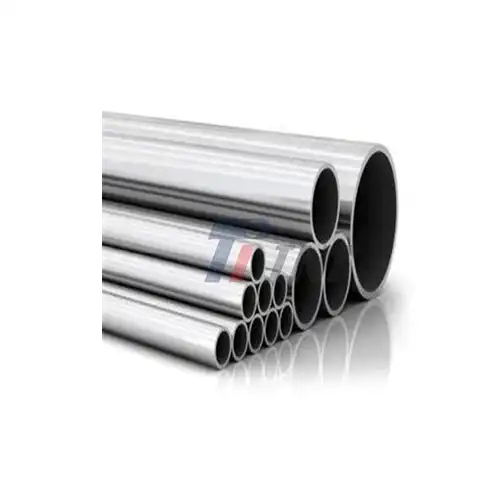
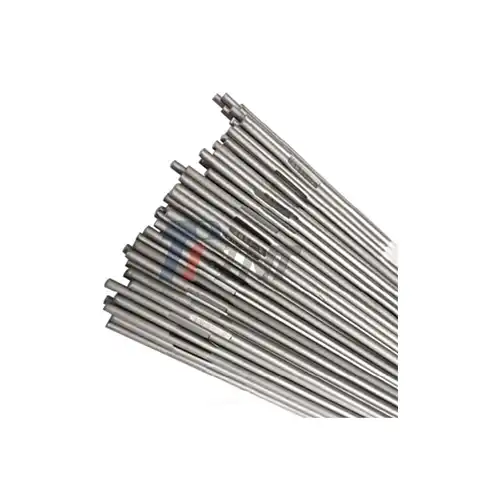
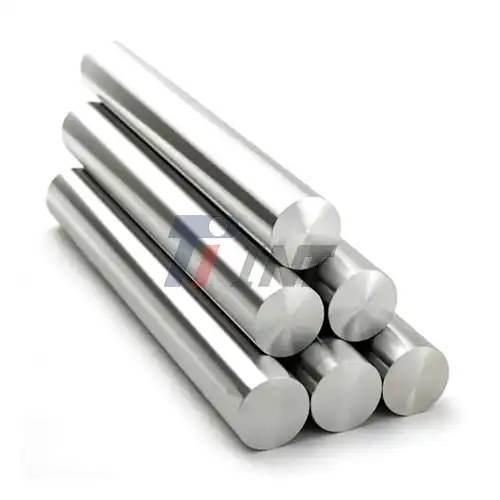
Yes, you can get GR9 titanium bars with a width of 8mm and unique alloy specs. The Gr9 Titanium Bar Dia 8mm is made of a metal called Ti-3Al-2.5V and is easy to find from makers who know exactly what is needed to make medical devices. In the medical field, this diameter is highly valued because it strikes the right mix between being easy to machine, maintaining structural integrity, and being biocompatible. Customization choices usually include changing the surface finish, length requirements, and even small changes to the mechanical properties to fit your individual needs.
|
|
|
Understanding GR9 Titanium Bars and Their Properties
The GR9 titanium alloy is known as a "half-6-4" material because it is carefully placed between pure titanium used in commerce and the stronger Grade 5 alloy. Because of this, it is a smart choice for companies that make medical devices that need power without giving up ease of use.
Chemical Composition and Material Structure
There is a special benefit in metalworking with the Ti-3Al-2.5V mix. Aluminum keeps the alpha phase stable, and vanadium makes the beta phase stronger. This makes a two-phase structure that makes the metal stronger and more flexible. This titanium alloy has between 2.5% and 3.5% aluminum, 2.0% to 3.0% vanadium, and an iron content of less than 0.25% and an oxygen content of less than 0.15%. These strict compositional controls make sure that all production batches have the same mechanical behavior. This is very important when making implants or surgical tools that need to work effectively in harsh hospital settings.
Mechanical Performance Characteristics
When looking at titanium bar stock for medical uses, the mechanical qualities have a direct effect on how well the gadget works and how safe the patient is. The 8mm diameter standard has a tensile strength of at least 620 MPa and a yield strength of more than 483 MPa. The stretch range is usually between 15 and 20%. With a mass of 4.48 g/cm³, these bars weigh about half as much as stainless steel bars of the same size, but they are just as strong, if not stronger. This strength-to-weight ratio is especially helpful when making tools that doctors have to hold and move for long periods of time or when making implants where the patient's weight must be kept as low as possible.
Why the 8mm Diameter Matters?
The 8mm standard isn't made up on the spot; it's based on decades of experience in designing medical devices. This width has the right amount of cross-sectional area for structural uses while still being small enough for precise cutting. The 8mm starting stock makes it easy to remove material quickly without creating too much waste when making orthopedic pins, dental implant parts, or surgery tool shafts. Modern centerless grinding methods make it possible to keep dimensions consistent, which means that your CNC equipment can keep tight standards throughout production runs. This lowers the amount of scrap and increases the overall efficiency of manufacturing.
Comparing GR9 Titanium Bars with Other Materials and Grades
Choosing the right type of titanium is one of the most important decisions that go into making medical devices. Different grades have different benefits, and knowing these differences can help you make sure that your buying plan fits both your performance needs and your budget.
GR9 Versus GR2 Titanium
Because it is biocompatible and cheaper, grade 2 commercially pure titanium is often the first step into medical uses. GR9, on the other hand, has about 40–50% better tensile strength while keeping the same level of corrosion protection. When your design needs to be able to hold weight, like with orthopedic screws or dental abutments, the extra strength of GR9 is a must. The adding of aluminum and vanadium to GR9 improves its performance without affecting its cold formability too much, which is a key feature that makes titanium a good material for making complex shapes. Gr9 Titanium Bar Dia 8mm is an ideal choice for these types of applications, offering the right balance of strength and formability for critical medical devices.
GR9 Versus GR5 (Ti-6Al-4V) Comparison
Grade 5 titanium metal is used a lot in aircraft and high-stress medical settings because it has a tensile strength of over 900 MPa. But this strength comes with some costs. GR5 is much harder to work with when it's cold, and most of the time, it needs to be formed while hot, which makes production more complicated and expensive. For many uses in medical devices, GR9 has good enough mechanical qualities while being much easier to weld and shape in cold temperatures. GR9 is often cheaper and better for technical reasons than its stronger twin when it comes to making parts that need to be thread-rolled, headed, or put together with welding.
Titanium Versus Stainless Steel and Aluminum
Stainless steel 316L is still commonly used in medical equipment because it is easy to work with and doesn't cost as much. But titanium metals like GR9 take away all worries about nickel sensitization and show better resistance to rust caused by chloride. Titanium forms a stable oxide layer in body fluids that heals quickly if it gets scratched. This makes implants stable over time. Aluminum metals are lighter than titanium, but they are not biocompatible and don't fight corrosion as well. Titanium's higher starting price is often the better long-term choice when you look at the total lifecycle costs, which include possible repeat surgeries because of material failure.
Procuring GR9 Titanium Bars with Custom Alloy Specifications
In order to buy specialized titanium goods, you need to know both the technical specs and how the supply chain works. The market for medical titanium is not the same as the market for regular metals. In the medical titanium market, quality control and following the rules are more important than just competing on price.
Customization Capabilities and Options
Modern titanium makers can make a wide range of customizations that go beyond normal mill stock. You can choose a polished, pickled, or specific treatment for the surface to make the next steps of processing better. Customizing the length cuts down on waste and speeds up the cutting process. Some makers can even change the way they heat treat their products to make the mechanical qualities just right for certain uses. When you talk about custom specs, be clear about what you want the finished gadgets to do and any regulatory standards they need to meet. Because of this, sellers can suggest the right ways to process the goods and the right approval paperwork.
Supplier Selection and Certification Requirements
Quality in medical titanium starts with making sure the seller is trustworthy. Look at more than just price quotes when you're evaluating manufacturing skills and quality systems. The ISO 9001:2015 certification shows that you know the basics of quality management, while the ISO 13485:2016 certification talks about the specifics of making medical devices. EU CE stamp means that the medical device meets European safety standards. Reliable sellers include full mill test certificates with every shipment. These certificates show the chemical makeup, mechanical properties, and heat treatment records of each production lot. Gr9 Titanium Bar Dia 8mm is an example of a product where this documentation is crucial. During regulatory checks and quality probes, this paperwork is very important.
Pricing Structures and Delivery Expectations
Titanium prices are based on both the cost of the raw material and the special preparation that is needed to make medical-grade goods. The 8mm bars are usually priced in a middle range—they cost more than widely pure grades but less than high-performance metals like Grade 5. Volume has a big effect on unit prices, and production numbers can get you big savings. Depending on how customized you want it to be and how busy production is at the moment, lead times are usually between 2 and 6 weeks. Planning your buying processes around these dates will help you keep making things without having to pay too much for goods.
Technical Guidance for Using and Machining GR9 Titanium Bars
To work with titanium effectively, you need to know how this particular material behaves. Titanium, unlike steel or aluminum, needs to be machined and tooled in a certain way to get the best results.
Machining Strategies and Tool Selection
Because titanium doesn't transfer heat well, the heat from cutting stays where it is, at the contact between the tool and the chip, instead of spreading out into the workpiece. Because of this trait, active water application is needed—flood cooling is necessary, and high-pressure systems work best. Tool life is increased and surface finish is improved by using sharp carbide or treated titanium tools. Cutting steel at slower speeds (usually 40–60% slower) and keeping feed rates modest stops work hardening and tool failure. The 8mm bar width is very flexible for turning tasks, letting you make multiple passes without worrying about displacement issues that come up with smaller stock.
Welding and Heat Treatment Considerations
When compared to higher-alloyed titanium types, GR9 is very easy to weld. TIG welding with argon protection makes clean, strong joints that can be used in most medical device situations. Unlike Grade 5, GR9 usually doesn't need to be heated after welding for non-critical uses, which makes the production process easier. Keeping things clean is very important when welding is part of your production process. Any pollution from oils, water, or gases in the air can weaken the join. Because GR9 can be cold formed, it can also be joined mechanically using thread forming and riveting, which gives you more design options than just welding together parts.
Quality Standards and Testing Protocols
Every step of the process of making a medical gadget needs to be checked for quality. As needed for your purpose, material certification papers must show that they meet ASTM B348, ASTM F136, and ISO 5832-3 standards. The incoming review should check the size, state of the surface, and correct identification of the material. A lot of manufacturers do extra tests, like laser inspection to find flaws inside and mechanical testing to make sure the qualities they say they have are correct. Gr9 Titanium Bar Dia 8mm is a prime example of a material that adheres to these rigorous standards. You can successfully address any quality issues that come up during or after production as long as you can track them all the way from the raw materials to the finished product.
Why Choose GR9 Titanium Bars for Your Industrial Needs?
Choosing GR9 titanium was a smart move that will pay off in the long run in terms of product performance, legal compliance, and market success. The unique mix of properties in this material solves a number of problems that medical gadget makers face.
Medical Device Applications and Performance
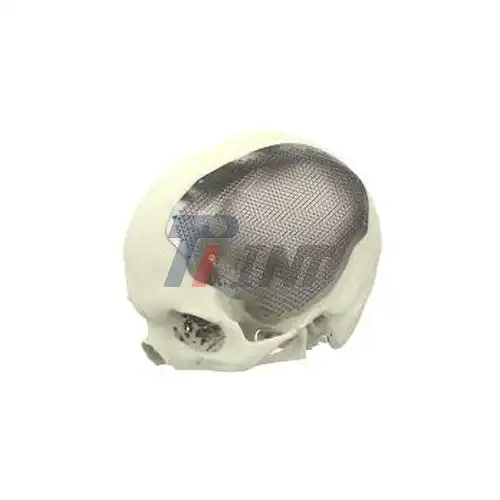
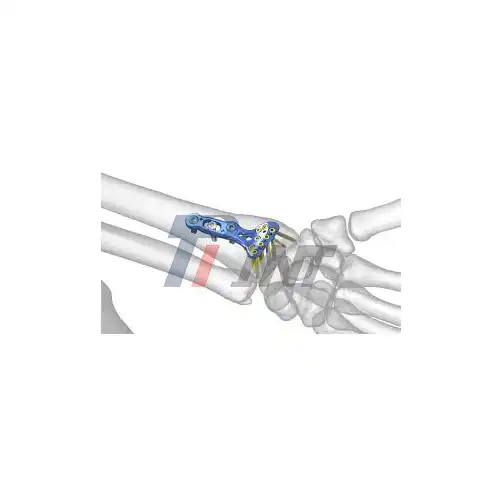
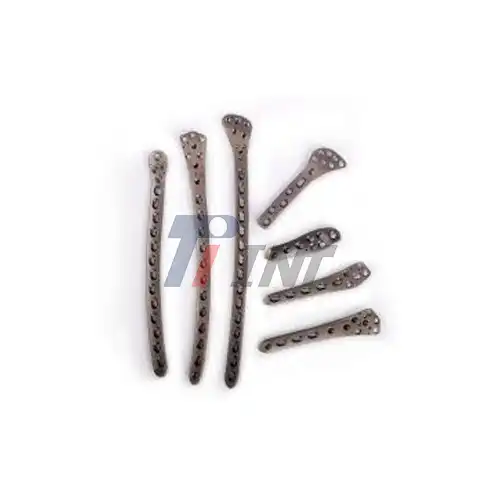
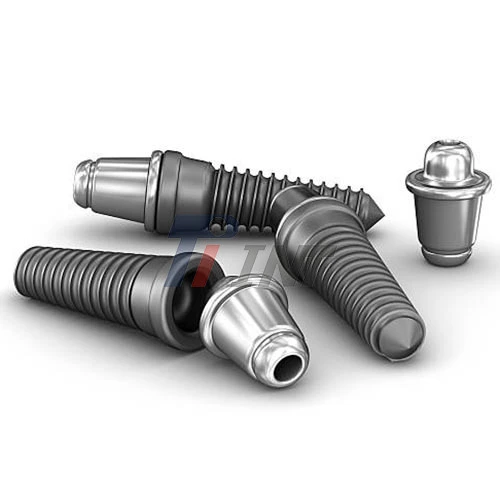
The fact that GR9 is both strong and biocompatible makes it a great material for orthopedic uses. The material works really well for tools like fixation screws, intramedullary rods, and spine fusions, where resistance to corrosion and performance over time directly affect patient results. The material's ability to keep its mechanical qualities in the acidic conditions of the mouth makes it useful for dental uses like implant abutments and orthodontic wire. Surgical tools made from GR9 stay sharp and stable in size even after being sterilized many times. This lowers the cost of replacements and improves the result of surgeries.
Cross-Industry Versatility
GR9 is used in more than just medical equipment. It is useful wherever strength, corrosion protection, and light weight are needed. These bars are used by aerospace companies to make hydraulic fittings and structural bolts. Less weight means better fuel economy in these systems. GR9 has become popular in the bicycle business for high-end frame parts. The small flex in the material reduces vibrations without weakening the structure. Chemical processing plants use GR9 for parts of valves and control systems that are exposed to process streams that are acidic. This widespread use across industries shows how versatile the material is and how well it has worked in the past.
Long-Term Value Proposition
The initial cost of materials is only one part of the total costs of ownership. Because GR9 is so resistant to rust, it doesn't need to be coated and has a much longer service life than other materials. Because it is lighter than stainless steel, it costs less to move and puts less stress on the tissues around it when it is implanted. Better fatigue resistance means that devices can handle repeated loads without cracking. This lowers the number of guarantee claims and protects the brand's image. When looking at the whole picture, GR9 often has lower lifetime costs, even though it costs more to buy the materials up front.
Conclusion
It is not only possible to find 8mm diameter GR9 titanium bars with unique alloy specs, but it's also a smart move that can greatly improve your ability to make medical devices. Gr9 Titanium Bar Dia 8mm is an excellent example of this versatile material. This substance is in between commercially pure titanium and high-strength aircraft metals. It has the best mix of being easy to work with, strong, and safe for living things.
The medical device business is getting more complex, so it needs materials that meet high performance standards and help make production more efficient. These needs are met by GR9 titanium bars, which have been fully certified and shown to work well in a number of therapeutic settings. When choosing a material for your next project, think about how GR9's special qualities fit with both the needs of the current manufacturing process and the success of the product in the long run.
FAQ
Q1: Can GR9 titanium bars be changed to fit specific alloys for specific uses?
A: Good makers can change the mechanical qualities of their products within certain limits by using different processing methods and heat treatment techniques. GR9 is made up of the basic elements Ti-3Al-2.5V, but small changes in the melting temperatures and cooling rates can change its hardness and flexibility. When you talk to technical teams about your unique performance needs, they can suggest the right processing changes that will still meet grade standards.
Q2: What lead times should procurement managers expect when ordering custom 8mm GR9 bars?
A: Standard specs usually ship within two to three weeks from reputable sources who have stock on hand. Timelines can be extended to 4 to 6 weeks for custom surface finishes, specialty lengths, or more testing needs. It could take 6 to 8 weeks for complex customizations that need special heat processes or a lot of quality paperwork. By planning buying cycles around these realistic dates, you can keep making things without having to pay extra for rush jobs or worry about supply problems.
Q3: How does GR9 pricing compare to other medical-grade titanium alloys?
A: In terms of price, GR9 is somewhere between commercially pure grades and Grade 5 metal. Prices may be 20–30% higher than for Grade 2 titanium but 15–25% lower than for Grade 5 titanium, based on the market and the number of orders. The higher price is usually worth it because it has better mechanical qualities than commercially pure grades. Also, it is easier to work with than Grade 5, which can lower overall production costs even though the materials are priced the same.
Partner with Baoji INT Medical Titanium Co., Ltd. for Your Gr9 Titanium Bar Dia 8mm Requirements
We at Baoji INT Medical Titanium Co., Ltd. have been making medical titanium products for over 30 years, so we can help you with even the most difficult jobs. Our 8mm GR9 titanium bars are certified by ISO 9001:2015, ISO 13485:2016, and CE. This makes sure that they are legal in all places around the world.
As a well-known company that makes Gr9 Titanium Bar Dia 8mm, we offer full expert help during the whole process, from choosing the right materials to making sure the best results are achieved during processing to checking the quality. Custom surface finishing, precise length cutting, and full tracking paperwork are all things that we can do in production. Email our technical team at export@tiint.com to talk about your unique needs and get thorough quotes with fair prices for both prototypes and large production runs.
References
1. The International ASTM. (2020). The standard for titanium and titanium alloy bars and billets is ASTM B348-13. ASTM International is based in West Conshohocken.
2. Donachie, M. J. (2000). Titanium: A Technical Guide (2nd ed.). ASM International is in Materials Park.
3. Li, J. H. C., Elias, C. N., Valiev, R., & Meyers, M. A. (2008). Titanium and its alloys have uses in medicine. 46(1), 1–14 in Biological Materials Science.
4. ISO. (2016). Part 3 of ISO 5832-3:2016 covers wrought titanium 6-aluminium 4-vanadium alloy implants used in surgery. The International Organization for Standardization is based in Geneva.
5. Zhang, G., & Williams, J. C. (2007). Titanium (second edition). Springer-Verlag in Berlin.
6. Peters, M., Kumpfert, J., Ward, C. H., & Leyens, C. (2003). Titanium alloys are used in spacecraft. Advanced Engineering Materials, vol. 5, no. 6, pp. 419–427.
_1751958555199.webp)
_1751956503238.webp)
_1750668839491.webp)
_1750668472070.webp)