
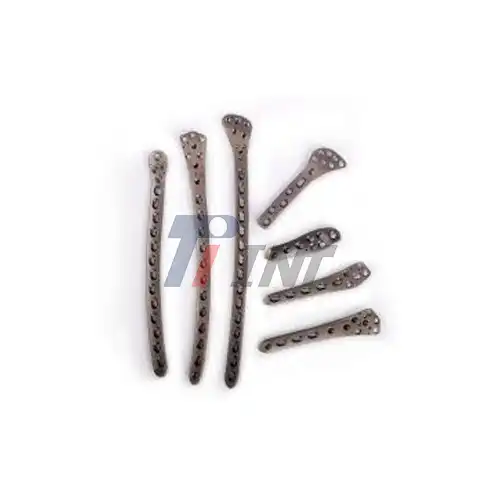


Can Titanium Bars be used in the medical field?


 2026-06-22 10:56:54
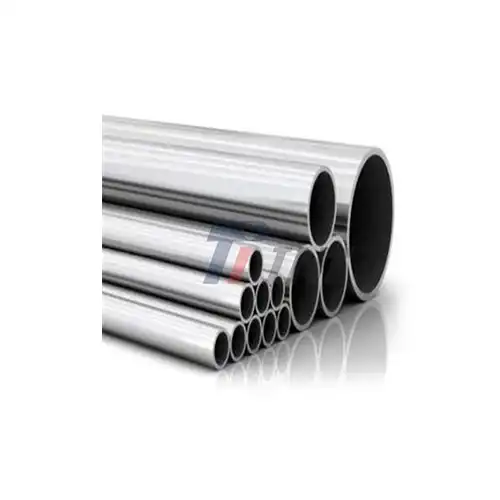
The answer is that titanium bars can be used in many ways in medicine. Medical titanium bar materials are now the best way to make orthopedic devices, dental implants, surgery implants, and very accurate surgical tools. They are very important to modern science because they are biocompatible, don't rust, and have strength-to-weight qualities that are very similar to human bone. To make sure they meet international standards like ASTM F136, ASTM F67, and ISO 5832-3, titanium bars are carefully handled and approved. This is especially true for bars made of commercially pure titanium and Ti6Al4V ELI alloys. For a long time, this makes sure they are safe to put in the body.
|
|
|
Understanding Medical Titanium Bars and Their Applications
Like, medical titanium bar materials are made of a certain type of metal that was created to be used in health care. The high-purity titanium metals that are used to make these bars can easily be around living things for a long time. They are pure titanium (Grades 1, 2, and 4) and titanium alloys such as Ti6Al4V (Grade 5) and Ti6Al4V ELI (Grade 23, Extra Low Interstitial). Grade 23 is now the best choice for internal devices because it is made in a way that keeps air, nitrogen, and iron to a minimum. These elements can all be harmful to biocompatibility.
Core Properties That Define Medical-Grade Titanium
The distinctive silvery features of medical titanium bars are what set them apart. When titanium goes into air, it forms a solid layer of titanium dioxide (TiO2) oxide on its surface. Titanium doesn't rust easily in body fluids, which are full of salts, acids, and enzymes that break down most metals. What makes titanium so strong is this layer that doesn't do anything. As this oxide layer is biocompatible, the immune system of the body sees it as safe. This means that it doesn't cause inflammation or rejection like other metal devices can.
Titanium bars are safe and have very good mechanical properties that are the same as human bone. Bone that is naturally formed has an elasticity modulus of 10 to 30 GPa, while titanium has an elasticity modulus of about 110 GPa. What a low strength! Stainless steel (around 200 GPa) and cobalt-chromium metals (around 240 GPa) are much stronger. When an implant is too stiff, it takes on most of the mechanical load, leaving the normal bone unable to support weight. This better fit lowers a problem called "stress shielding." Over time, this lets the bone break down and get weaker.
Critical Applications Across Medical Specialties
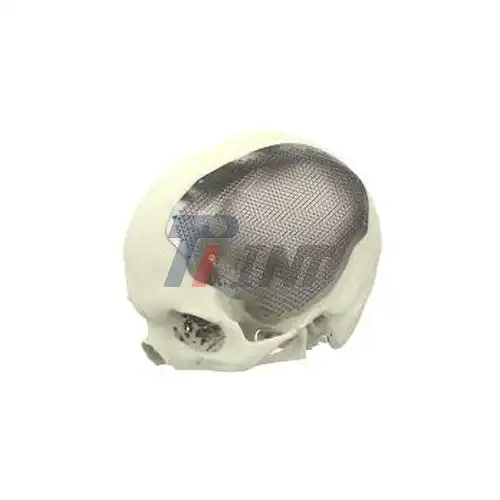
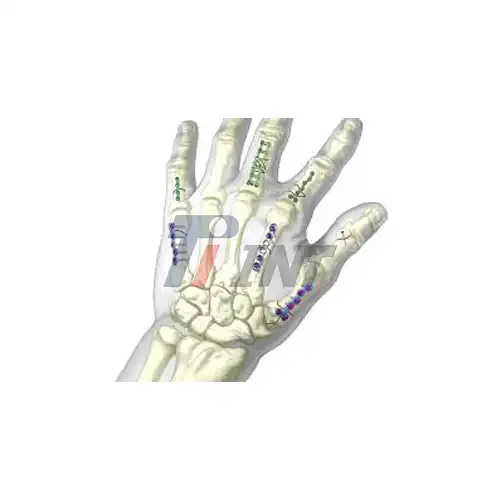
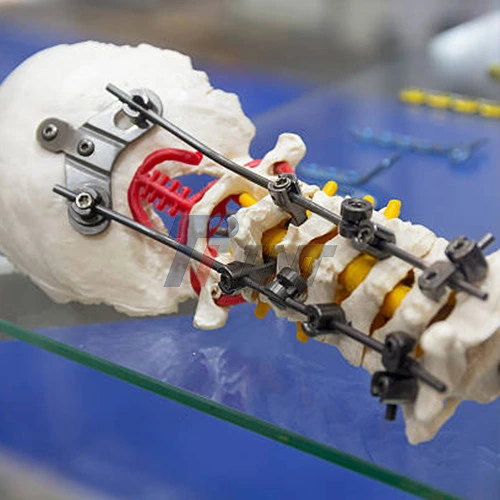
To make many things that save lives and make life better, medical titanium bars are used as building blocks. Bars made of titanium are used to replace hips and knees, fuse spinal discs, make bone plates, and fix broken bones inside the skull. The material is very strong against wear, which makes it great for load-bearing joints like the knees and hips, where implants need to last a patient their whole life without breaking.
The dental field is another important use case. Implants made of titanium are called precision titanium bars. They have changed the way people fix lost teeth. There is a process called osseointegration that makes the implant screw bond with the jawbone. This happens when bone tissue grows into the tiny cracks on the titanium's surface. This makes a strong base for fake teeth that lasts. This kind of bond between live things and titanium is one of the few safe ones. Because of this, it is essential in modern dentistry.
Titanium bars are also used to make tools like tweezers, retractors, needle clamps, and more that are used in surgery. Titanium is a light metal that makes surgeries easier for doctors. It's also safe to use in MRI machines because it's not magnetic, unlike stainless steel materials that are used to make similar tools.
Comparing Medical Titanium Bars with Alternative Materials
There are many things that procurement managers and R&D experts have to think about when they look at materials for making medical devices. Some of these are how well the materials work mechanically, how well they work medically, how much they cost, and whether the materials can be made. That's why titanium has become the material of choice for many important jobs, even though it costs more. Knowing how a medical titanium bar compares to other materials helps explain this.
Titanium Versus Stainless Steel
316L grade stainless steel has been used for a long time in medical implants. It is still used today in bone screws, plates, and other short-term support devices. The best thing about stainless steel is that it is much cheaper than titanium. On the other hand, nickel, chromium, and other alloying elements in stainless steel can make some people allergic or sensitive. Studies have shown that people who are sensitive to nickel can have their implants come loose and swell up.
If you only need something for a short time, stainless steel will not rust. But titanium is better for long-term use. If implants are in body fluids for a long time, they can get pitting corrosion or pocket corrosion over time. This lets metal ions get into the cells around it. Titanium's oxide layer guards better than any other material, making the construction strong and inactive for life for the patient.
These two things are very different in how dense they are. Stainless steel weighs about 8 g/cm³, while titanium only weighs 4.51 g/cm³. When it comes to spine rods or big joint replacements, this weight benefit is very useful because a smaller implant puts less stress on the bone and soft tissue around it.
Titanium Versus Cobalt-Chromium Alloys
All the way between titanium and stainless steel is cobalt-chromium (Co-Cr) metal. These materials don't wear down quickly, so they can be used in joint replacements where metal touches metal or plastic touches metal. Co-Cr is stronger than titanium, which is good for places where things rub against each other all the time.
But Co-Cr metals have some of the same issues with being biocompatible as stainless steel. Chrome and cobalt ions can leak out of devices over time. Bad effects in the body's tissues and the growth of fake tumors have been linked to Co-Cr implants, mainly in some types of hip replacements. Due to their close study of metal-on-metal hip implants over the past few years, the FDA has made these risks public.
The flexibility of Co-Cr metals is even higher than that of stainless steel. Stress protection is now a bigger problem because of this. The higher hardness can speed up bone loss around implants, which could make it harder to hold them in place for a long time. Plus, titanium has a lower stiffness, which makes it a better material for bone to heal and grow.
Understanding Different Titanium Grades
It's important to pick the right type of titanium for the job. Pure titanium types 1 through 4 that are sold in the market don't have any alloying elements added to them. Titanium gets stronger as the grade number goes up because it has more air in it. Number 1 is the softest and most shapeable grade. Number 4 is the hardest but less easy to shape grade. When protecting against rust is very important, these grades are often used for surgery on the face and skull.
There is 6% aluminum and 4% vanadium in Grade 5 Ti6Al4V. This makes it much harder and less likely to wear down than pure grades that are sold in stores. This metal is now the standard for medical tools that need to be strong and work well. At first, though, people were worried about what releasing vanadium ions would mean for living things in the long run. This is what led to the creation of Ti6Al4V ELI (Grade 23). The name "ELI" means that the metal has extra-low interstitial content, which means that it has less iron, nitrogen, and oxygen. This makes the metal more bendable and less likely to break, but it still has good tensile properties. Grade 23 is now the best material to use for long-term products that need to handle stress loads.
Procurement Guide: Sourcing Medical Titanium Bars
Plan ahead to find medical titanium bar supplies that are of good quality, don't cost too much, follow the rules, and have a supply system that you can trust. When materials used to make medical equipment fail, they can hurt people, lead to product recalls, and get companies into a lot of legal trouble. So, picking a provider is one of the most important decisions that people who work in buying have to make.
Essential Supplier Qualifications and Certifications
Companies that sell medical titanium bars need to show that they use well-known methods for quality control. At least ISO 13485:2016 approval is needed, as this standard spells out the rules that companies that make medical devices and the companies that sell them must follow. Suppliers should be able to show proof that well-known licensing groups have checked their quality systems.
There are standards like ASTM F136 for Ti6Al4V ELI surgical implants and ASTM F67 for unalloyed titanium surgical implants. There are also standards for the raw materials called the ISO 5832 series. Material certificates should have full analyses of the chemicals used, test results for mechanical qualities, and data that lets you link each batch to a particular production run. This information is needed to file with the government and for customer checks.
There are also regional rules and laws that make things even harder. It's important for companies that work with the U.S. market to know what the FDA wants from medical devices. It's important for companies that sell to people in Europe to know what the Medical Device Regulation (MDR) says about CE marking. People from China who want to sell their goods in other countries need to get the right export licenses and show they know how the rules work in those other countries.
Evaluating Manufacturing Capabilities and Process Controls
Making medical titanium bars involves several important steps, and even small changes to these steps can affect how the material turns out. Vacuum arc remelting (VAR) is the best way to melt things because it creates very pure materials with stable chemistry. Because some suppliers don't follow strict heating rules, the materials they make might not be safe or may have flaws that make them less strong.
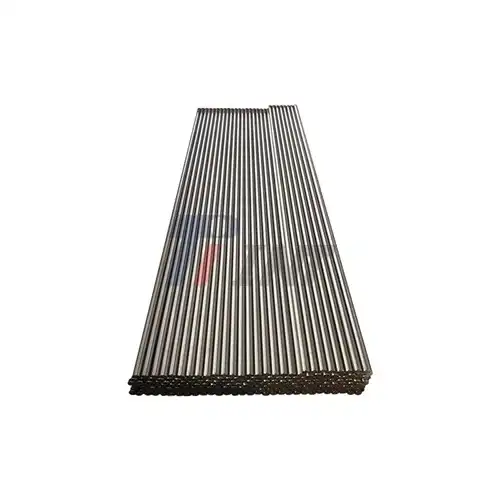
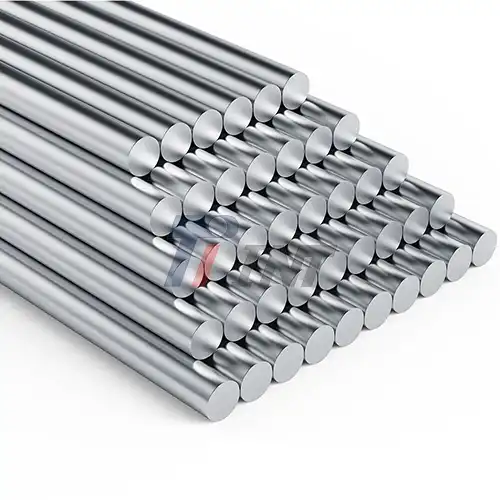
This is the controlled hot working and heat treatment of titanium. It sets the nanoscale and mechanical properties of titanium. For suppliers to show process control, they should have written methods, records of how the equipment was set up, and statistical process control data that shows how the same things are made over and over again. The fact that bars can be made in different lengths and widths (1000 mm to 3000 mm) while still having the same cross-sectional shape shows how advanced the manufacturing process is.
The surface finish needs to be different for each use. For implant-grade materials, smooth surfaces are the norm, while sanded finishes are better for uses that need better osseointegration. To make sure they meet the needs, suppliers should show more than one way to finish the surface and check how rough it is.
Supply Chain Considerations and Risk Management
Being able to count on deliveries affects both work plans and the cost of having goods on hand. Planning ahead for wait times, minimum order amounts, and stock-holding helps keep production from being held up, which can cost a lot of money. Some sellers keep a smart supply of materials that are often bought, which speeds up delivery times for urgent orders. Custom specs, on the other hand, might need longer wait times so that plans for production can be made.
When picking a local source, you need to think about how much it will cost, how good it is, and how hard the steps are. Since Chinese suppliers are close to raw material sources and already have a way of making things, they can often offer good deals. This is especially true for suppliers in places like Baoji that make a lot of titanium. But procurement teams need to think about longer shipping times, possible language hurdles, and the need for stricter quality checks than with local providers. You can feel less stressed if you buy from sellers who have done well in foreign markets before and whose technical support staff speaks English.
The cost of goods is not the only thing that affects prices. It's very important to choose the right grade. The processing needs for Ti6Al4V ELI are tighter, so it costs more than other pure types. The price per unit changes based on the amount of orders, which is why strategies for grouping orders together are attractive. If you need non-standard sizes, special surface treatments, or fast shipping, you'll have to pay more. These extra costs should be added to the total cost of ownership.
Manufacturing and Sterilization of Medical Titanium Bars
It takes a long time and a lot of work to go from raw titanium rock to finished medical titanium bar stock. Careful attention is paid to every step to make sure the final product meets strict standards. When engineers and procurement workers know about these steps in the manufacturing process, they can choose better sources and products.
From Ore to Medical-Grade Alloy
Titanium is found in ilmenite and rutile rocks, which are used to make titanium. Titanium tetrachloride is made by adding chemicals to these ores. The Kroll process then lowers this intermediate product with magnesium that is gaseous. This makes titanium sponge, which is a pure titanium mass that is bumpy and has holes in it. For medical-grade output, you need a very clean sponge that doesn't have a lot of iron, oxygen, or other things that might make it less biocompatible or less strong.
To combine titanium, it is heated down and mixed with the right amount of aluminum, vanadium (for Ti6Al4V alloys), or other elements based on the grade that is needed. The melting process in vacuum arc remelting is done in a vacuum, so the gas doesn't get on the object. To make sure that the alloying elements are spread out properly, electromagnetic shaking is used. If the intermediate grades are very low, you might need to do more than one remelting run to get the level of cleaning you want.
Bar Production and Quality Control
It is possible to break up the solid titanium ingot's cast structure by hot forging or extrusion. This makes a worked microstructure with better mechanical properties. The material is stretched while the width of the ingot is shrunk in this main step of the process. After that, steps of hot rolling are used to make the surface better and the circle even smaller. Keep an eye on the temperature to make sure the material stays in the best range for processing (870–950°C for Ti6Al4V alloys).
Heat treatment is used to improve the microstructure and get rid of any pressures that are still there after mechanical works. What heat treatment cycle is used depends on the metal and the traits that need to be reached, but solution treating is usually the first step. This is followed by controlled cooling and aging. The best strength, ductility, and wear resistance can be found in the microstructure that was made. It is a good mix of alpha and beta phases in Ti6Al4V metals.
Quality control is done at every step of the process, but for medical-grade products, it's done even more carefully. The ultrasonic test finds flaws in a material, like cracks, holes, or spots. The yield strength, elongation (≥10%), tensile strength (≥895 MPa for Ti6Al4V ELI), and drop in area all meet the standards. This was tested with machines on samples from each output heat. Chemical study backs up the make-up, focusing on intermediate elements like carbon, nitrogen, and oxygen that have big effects on mechanical properties even in small amounts.
Sterilization Methods and Material Compatibility
Manufacturers of medical devices need to know how to make titanium bars work with cleaning, even though they don't come clean. The gadgets that are made from these bars must be cleaned before they can be used on living people. Making things germ-free shouldn't change their properties or put biological safety at risk.
A lot of titanium tools and gadgets are cleaned with steam in autoclaves. Being exposed to high-pressure, condensed steam at 121 to 134°C for set amounts of time is part of the standard cycle. Titanium works very well in these situations, and neither its strength nor its ability to fight rust change. The stable oxide layer stays in place, so biocompatibility is kept.
It is good to clean packed goods with gamma radiation because the deep radiation can kill germs on devices even while they are still in their boxes. Radiation doesn't hurt titanium very much. Amounts of 25–50 kGy are often used to sterilize medical equipment, but there are no changes in its qualities that can be seen. A lot of people use this method for medical tools and implants that are packaged separately and only used once.
If your machine can't handle the heat, you can use ethylene oxide (EtO) gas sterilization instead of autoclaving. Titanium can be cleaned with EtO, but extra care needs to be taken during the ventilation step to make sure that all the gas and waste is scrubbed off the sides and packing of the device.
Benefits and Future Prospects of Medical Titanium Bars
Most of the time, titanium is still used in medicine because it has basic benefits that make it hard for other materials to compete. A medical titanium bar is becoming more important in healthcare as better ways to make them are found and old ones are put to new uses. They should make a bigger difference in how well people do in the next few decades.
Quantifying Clinical Advantages
Titanium implants are useful in many medical areas because they are very light. For spine surgery, bars and plates made of titanium are lighter than those made of stainless steel. When they do this, they put less stress on nearby spine regions, which may slow down the aging process. People who have implants say they don't notice it as much and can get back to their normal lives faster.
How long an implant will last is directly related to how well it resists fatigue. Hip and knee replacements are loaded and unloaded millions of times every day when people do everyday things like walk. Every step makes the tools stronger than the body itself. If titanium parts are made correctly, lab tests show that they can last through more than 10 million rounds without breaking. This helps reach the goal of implants that don't need to be changed for the rest of a person's life.
Titanium implants help hold bone in place better than other metal biomaterials in clinical tests. This is because they are less stiff when stretched. It's easier for bone to break down when it's not under normal mechanical loads. This can happen when the implant is too stiff. This helps the bone grow bigger and stronger around the implant. Over time, this makes the placement more stable.
Osteointegration is when living bone directly joins to the surface of the graft in a way that is structurally and functionally sound. Titanium does this job better than any other material. Histological tests show that bone grows right up against metal surfaces, with no layer of soft tissue in between. Sometimes, this organic bonding works better and faster than cement fixing, and it can be used right away.
Innovations Driving Next-Generation Applications
Making medical devices with 3D printing of titanium parts is a new and exciting method that will change the way things are made. Either selective laser melting or electron beam melting can be used to make complicated forms that can't be made any other way. Some of these forms are hollow ones that help bones grow and implants that are custom-made for each person based on their body type. Titanium powder from bar stock or straight from titanium dust is used in these fields. This means that companies that sell titanium can make more money.
Changing the surface of titanium keeps making it more biodegradable, which was already very good. Plasma blasting, electrochemical anodization, and micro-arc oxidation can change the chemical make-up of the surface or make it rougher. This can help the bone absorb faster and might have beneficial ingredients like calcium phosphate in it. Nanotechnology has come up with new ways to make tiny surface features that control how cells act. This could help the repair process around devices.
Putting bioactive layers on metal gadgets is a brand-new, cutting-edge idea. Surfaces with hydroxyapatite coatings have been used for years to make them more like bone, which helps them stick together quickly. For newer ways, growth factors, antibiotics, or painkillers are injected into the body to help it heal or stop illnesses. The layers will stay safe on the implant for as long as it works because the titanium base is chemically stable.
Market Trends and Industry Outlook
Because of changes in the population and new technologies, the world market for medical titanium is still growing very quickly. People in wealthy countries need more joint replacements and other medical care as they age. As access to health care grows in emerging areas, new needs arise. The world market for hip implants will likely be worth more than $70 billion by 2030. Most of that money will go to titanium devices.
There is also a lot of growth in the field of tooth implants. No longer are dental implants just a fancy alternative to bridges and false teeth. They are becoming more common as methods get better and costs go down. As time goes on, more and more dental implants are put in. This keeps the need for medical-grade titanium bars that can be cut into implant parts high.
Rulers like things that have been safe and useful for a long time. Titanium has been used successfully in hospitals for many years, which gives us a lot of information about how it's doing after it's been sold. This is something that newer materials don't have. These past records make it easier for regulators to make decisions and lower the chance that safety problems will appear after the product is sold. In the market for titanium bases, this gives them an edge.
Conclusion
Medical titanium bars are the best material for important medical uses because they are safe, strong, and have been tested and shown to work well in real-life situations. Titanium-based devices have made the lives of millions of people around the world better, from hip implants that let people move again to dental treatments that make life better.
Engineers and buying workers should look for sellers who have a lot of technical knowledge, full quality systems, and strict process controls when they need to buy materials for making medical devices. Making medical devices is a very dangerous job with strict rules. Picking a seller is a smart move that involves a lot more than just comparing prices. It's hard to get an idea from a thought to a sale. To make the process easier, keep track of supplies, make sure quality is consistent, and get helpful advice quickly.
FAQ
Q1: Why are titanium bars safe to keep in your body for a long time?
A: A layer of titanium dioxide oxide is slowly building up on the object. This makes it very resistant to rust and safe for living things. When metals are used with this surface, they don't let out the metal ions or tissue reactions that can go wrong. The stretchiness of the material is a lot like that of human bone. In other words, it doesn't protect as well against stress, which can break down bone around implants.
Q2: Someone should sell me medical titanium bars. What can I do to be sure they are approved and good?
A: Ask for material certificates that have full chemical makeup studies, test reports for mechanical qualities, and compliance statements that list relevant standards (ASTM F136, ASTM F67, ISO 5832 series). Look to see if the seller has ISO 13485:2016 approval from a well-known group. Check the sizes as part of an arriving review, and think about having a third party test large amounts to make sure they meet standards.
Q3: In general, how long does it take to get medical titanium bars? How many do I need to order?
A: Lead times depend on the grade, the size, and how much stock the seller has. It may only take 4 to 6 weeks to ship standard sizes from trusted sources. However, it could take 8 to 12 weeks for special sizes or large amounts. How many bars you need to order depends on their width and length, but it's usually between 100 kg and several hundred kg. For specs that are bought a lot, getting to know sellers who keep smart stock can cut down on wait times.
Partner with a Trusted Medical Titanium Bar Manufacturer
From more than twenty years ago, Baoji INT Medical Titanium Co., Ltd. has been making top-notch titanium goods for the medical device industry all over the world. Commercially pure titanium and Ti6Al4V ELI bars with widths from 6 mm to 150 mm are some of the many things we sell. These bars are strong enough to be used as surgery tools and implants because they can stretch at least 10% and have a tensile strength of at least 895 MPa.
Our ISO 9001:2015, ISO 13485:2016, and EU CE approvals show that we are committed to quality management systems that meet international standards. We have strict process controls at every stage of the manufacturing process, from vacuum arc remelting to the last check. This makes sure that the quality of the materials always stays the same and that there is all the papers for each batch of production. Send us an email at export@tiint.com to talk about what you need. As one of the best places to get medical titanium bars, we offer fair prices, try examples, and help with making sure materials are correct.
References
1. Niinomi, M. (2008). "Mechanical Biocompatibilities of Titanium Alloys for Biomedical Applications." Journal of the Mechanical Behavior of Biomedical Materials, Volume 1, Issue 1, Pages 30-42.
2. Geetha, M., Singh, A.K., Asokamani, R., & Gogia, A.K. (2009). "Ti Based Biomaterials, the Ultimate Choice for Orthopaedic Implants – A Review." Progress in Materials Science, Volume 54, Issue 3, Pages 397-425.
3. Long, M. & Rack, H.J. (1998). "Titanium Alloys in Total Joint Replacement—A Materials Science Perspective." Biomaterials, Volume 19, Issues 18-20, Pages 1621-1639.
4. Liu, X., Chu, P.K., & Ding, C. (2004). "Surface Modification of Titanium, Titanium Alloys, and Related Materials for Biomedical Applications." Materials Science and Engineering: R: Reports, Volume 47, Issues 3-4, Pages 49-121.
5. Chen, Q. & Thouas, G.A. (2015). "Metallic Implant Biomaterials." Materials Science and Engineering: R: Reports, Volume 87, Pages 1-57.
6. Sidambe, A.T. (2014). "Biocompatibility of Advanced Manufactured Titanium Implants—A Review." Materials, Volume 7, Issue 12, Pages 8168-8188.
_1753425743099.webp)
_1750923514395.webp)
_1749195818446.webp)