



Exploring Essential Titanium Shapes for Medical Materials


 2026-06-22 10:56:57
When looking for materials to make medical devices, it's important to know the differences between shapes of titanium. In the fields of surgical implants, precise tool making, and orthopedic device creation, the medical titanium bar is one of the most useful and widely used shapes. These designed cylinder stocks are made from pure titanium, Ti6Al4V, or Ti6Al4V ELI alloys. They have superior biocompatibility, resistance to corrosion, and mechanical performance that are very similar to human bone characteristics. When buying managers and research and development experts look at different types of materials, understanding how different bar configurations meet the needs of different applications is important for making sure that devices work well, patients get better care, and regulations are followed.
|
|
|
Understanding Medical Titanium Bars: Properties, Shapes, and Uses
Medical titanium bars are the main part of many new medical devices, such as spine fusion bolts and tooth implant fixtures. These precisely machined parts are basically different from industrial-grade options because they are made under strict quality controls and use special alloy formulas made just for implanting in humans.
What Defines a Medical-Grade Titanium Bar
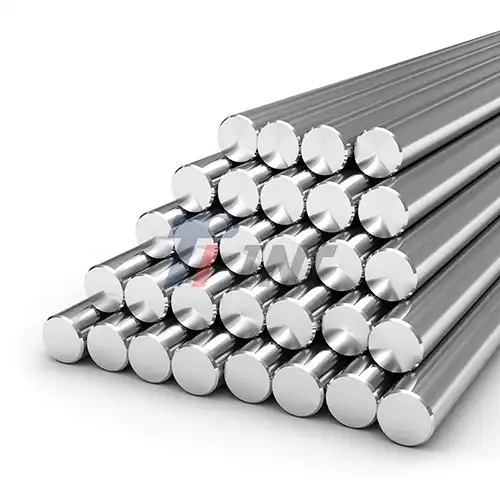
A medical titanium bar is a very accurate round piece of metal that is made by vacuum arc remelting and carefully controlling the temperature and pressure during the processing. In contrast to industrial titanium, these bars go through strict quality checks to get rid of small flaws and make sure that the grain structures are reliable.
When the material comes into touch with oxygen, it forms a solid TiO2 oxide layer. This forms an inactive shield that stops corrosion in body fluids and gets rid of the risk of cytotoxicity. This bio-inert surface lets tissue integrate over time without causing immune reactions. This is called osseointegration, and it is very important for lasting implants.At Baoji INT Medical Titanium, we follow the rules set by ISO 13485:2016 when we make bars that are between 6 mm and 150 mm in thickness and between 1000 mm and 3000 mm in length. Each batch meets the standards set by ASTM F136 and ISO 5832-3, and there is full tracking paperwork to support FDA submissions and CE marking needs.
Common Alloy Grades and Their Clinical Applications
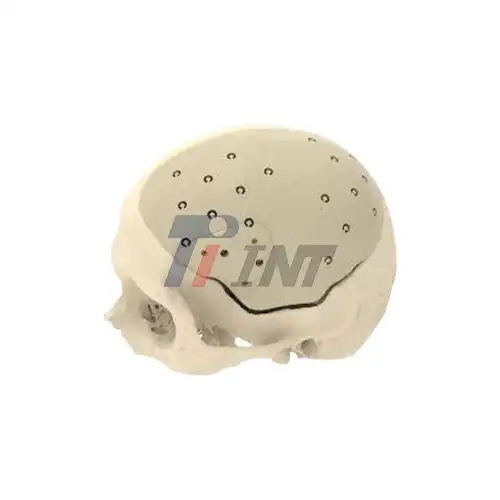
In orthopedic and trauma uses where high wear resistance is most important, Ti6Al4V ELI (Grade 23) is the material of choice. The name "Extra Low Interstitial" means that it has less oxygen and iron than normal Grade 5, which makes it more flexible and harder to break. This metal can handle the repeated stresses that come with hip stems, femoral nails, and spine bars. Its tensile strength is over 895 MPa and its elongation is over 10%.Commercially Pure Titanium (Grade 4) is better for shaping complicated shapes like cranial plates and mandibular repair bars. It's not as strong as Ti6Al4V, but it's better at resisting rust and responding to tissue, which makes it better for thin-walled structures and long-term craniofacial implants.
Shape Variations and Manufacturing Considerations
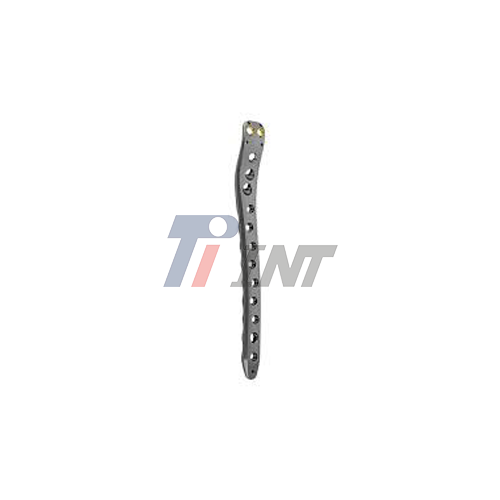
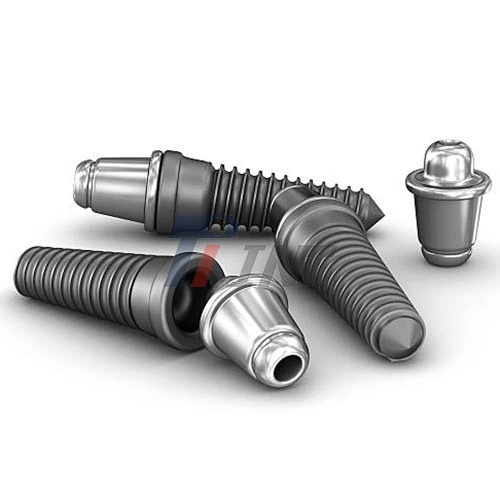
The most common shape is a round bar, which can be easily made into threaded implants, intramedullary rods, and instrument shafts. Square and rectangular bars are used in specific situations where flat bearing surfaces or wider stress distribution patterns are needed. When production rates are high enough to support die forging investments, custom designs like hexagonal, hollow, or near-net forms cut down on waste and machining time.Surface finish has a big effect on how well implants work. Polished surfaces reduce tissue friction during surgery placement, while sanded textures help bone cells stick to the surface by making it more surface-area- and micro-rough.
Both finishing methods can be used in our production, and the surface roughness can be controlled to Ra 0.8–3.2 μm, based on the needs of the application.When choosing materials, sterilization suitability should be carefully thought through. Titanium bars don't break down mechanically or change size when they are exposed to ethylene oxide, gamma irradiation, or autoclave processes. Because of this, device makers can choose sterilization methods based on how the product is designed instead of the limits of the materials. This makes the regulatory process and quality assurance procedures easier to follow.
Comparing Medical Titanium Bars with Alternative Materials
Choice of material has a direct effect on how well the gadget works, how safe it is for patients, and how well it can make money. It's helpful for procurement teams to know how medical titanium bars compare to standard options in a number of performance areas.
Titanium Versus Stainless Steel and Cobalt Chrome
The measure of strength to mass tells an interesting story. Titanium has a strength of 76 kN·m/kg, while stainless steel only has 63 kN·m/kg. This means that titanium implants work 20% better while being 20% lighter. This weight advantage means less stress on soft tissues and more comfort for the patient, especially in big orthopedic structures like pelvic rings or long bone attachment systems.Differences in elastic modulus are even more important in the clinical setting. Stainless steel (200 GPa) and cobalt chrome (240 GPa) are much more like cortical bone (18–22 GPa) than titanium (110 GPa).
This mechanical similarity lowers stress buffering, which happens when implants that are too stiff carry loads that should be transferred to the bone around them, causing bone loss and implant loosening. Studies have shown that titanium implants help the bone grow back better and stay in place longer than stronger options.Titanium is different from all other metals because it offers total corrosion resistance. Stainless steel depends on chromium to not break down, but chloride-rich body conditions can weaken this protection over time. Cobalt chrome is better than steel at resisting rust, but it's still not as good as titanium, which is completely immune. The steady oxide layer on titanium bars stays in place even when the pH changes, there is inflammation, or there is galvanic coupling, all of which would break down less durable materials.
Medical-Grade Classifications and Quality Impact
Not every titanium bar is medical grade. Higher levels of intermediate elements (oxygen, nitrogen, and carbon) may be found in commercial-grade materials. These elements make the materials stronger but less flexible and biocompatible. More vacuum arc remelting processes are used on medical grades to get rid of these impurities. This makes the microstructures cleaner and the mechanical behavior more reliable.This difference is important for evaluating the whole duration of an implant. Commercial titanium might meet the initial strength requirements, but it could fail early from fatigue under repeated loads or tissue reactions that aren't predictable because of small contaminants. Medical standards like ISO 5832, ASTM F136, and ASTM F67 show that materials have been tested for biological safety, mechanical strength, and chemical makeup that is specific to human implantation.
Cost Considerations and Value Analysis
Titanium bars are more expensive than stainless steel bars—usually three to five times more per kilogram. When looking at costs per device, this difference in costs gets smaller because titanium is easier to work with and has a lower density, which means that end part costs are usually about the same. Lower costs for keeping supplies, easier cleaning procedures, and longer implant service lives all add up to a lower total cost of ownership.Prices on the market change depending on the supply of raw materials, the cost of energy for smelting, and the amount of production capacity in the area. Getting to know sources that are fully integrated and control the whole production process, from the sponge titanium to the finished bars, can help keep prices stable and make sure that supplies don't stop when the market is down.
How to Select the Right Titanium Bar for Medical Procurement
To successfully source materials, you need to make sure that the material specs match the needs of the product and that the seller can meet regulatory requirements. A structured method lowers the risks of procurement and speeds up the time it takes to choose the best medical titanium bar for medical needs.
Defining Technical Requirements and Performance Criteria
Analysis of the application should come before choosing the material. Hip stems and other load-bearing implants need Ti6Al4V ELI for the best wear resistance, while head fixation plates may choose pure titanium because it is easier to shape. The device shape and machining allowances determine the diameter and length needs. Oversizing stock material loses money, while undersizing forces design optimization to be compromised.The surface finish requirements depend on how the tissue will be touched. Bone-interfacing parts work better with sandblasted textures that help with osseointegration, while moving surfaces need smooth finishes to keep wear debris to a minimum.
These choices should be in line with the way of sterilization, since different surface processes have different effects on different types of sterilization.Checking the mechanical properties goes beyond just looking at the datasheet. Ask for real test results from production lots, such as measures of tensile strength, yield strength, elongation, and decrease of area. When dynamic devices are loaded and unloaded millions of times, fatigue testing data becomes very important. To make sure that performance margins are higher than the worst-case clinical situations, some uses may need fracture toughness testing or stress corrosion cracking evaluation.
Certification Verification and Regulatory Compliance
Having ISO 13485:2016 certification shows that providers use quality control systems that are designed to work with medical devices. This certification shows the right way to keep track of documents, make sure they can be tracked, and take appropriate action when needed to meet legal requirements. Without this base, even high-quality products might not have the paperwork infrastructure needed for CE technical files or FDA 510(k) submissions.
Each package should come with a material certification that lists the chemicals used, the mechanical qualities, the history of heat treatment, and lot traceability codes. These certificates are added to the device's history record so that field action studies can be done if problems happen after the product has been sold. Suppliers who can't provide full traceability paperwork pose too many legal risks, no matter how good the materials are.
Supplier Evaluation and Quality Assurance
Assessment of manufacturing skill goes beyond licenses and looks at how things are actually made. Site checks show if providers keep up with the right tools, safety measures for the environment, and training programs for their employees. Check for vacuum arc remelting furnaces, controlled atmosphere heat treatment systems, and high-tech inspection tools that can do things like ultrasound testing and x-ray exams.The dependability of deliveries has a direct effect on planning output and managing supplies.
Check how often providers deliver on time, how consistent their lead times are, and how quickly they respond to contact during order fulfillment. Orders for custom bars with non-standard sizes or special testing needs usually take 8 to 12 weeks from the time the order is placed until it is delivered. For large jobs, suppliers who have their own forging operations may be able to speed up this schedule.Protocols for incoming inspection should be part of quality assurance methods, even if the sellers are approved. Verification of dimensions, evaluation of surface quality, and a check of the material approval catch deviations from the specifications before the materials are used in production. Some buyers keep lists of accepted suppliers based on how well those suppliers have done in the past. This makes it easier to make repeat purchases while still keeping quality standards.
Buying Medical Titanium Bars: Procurement Strategies and Best Practices
Strategic buying practices keep costs low while making sure the supply chain is stable and that the quality of the materials stays the same. When setting up relationships with suppliers and settling business terms, procurement workers with a lot of experience have to keep a lot of things in mind when sourcing medical titanium bars.
Sourcing Channels and Supplier Selection
When it comes to price, customization options, and expert help, direct manufacturer ties are usually the best bet. Companies like Baoji INT Medical Titanium, which has been specializing in medical titanium for over 20 years, can help engineers choose the right material and find the best bar specs to cut down on waste during cutting. This way of working together often finds ways to save money that aren't available through dealer methods.B2B platforms and industrial markets can help with exploratory buying, but they need to be carefully checked out first.
Check to see if the mentioned sellers have up-to-date medical certifications and can give you references from well-known medical device makers. Platform transactions don't always have the technical talk that's needed for complicated applications. This means that they work best for standard requirements and lower-risk applications.Industry trade shows make it easier to meet and talk with suppliers in person. Medical Design & Manufacturing (MD&M) series events and MEDICA give you a chance to see what suppliers can do, look at sample materials, and talk about your specific needs. Before spending money on supplier qualification, these exchanges help buying teams figure out how skilled the supplier is and how well they fit in with the company's culture.
Volume Considerations and Pricing Negotiation
Minimum order amounts depend on the grade and thickness of the bar. Standard sizes, like 10–50 mm diameter bars, usually have lower MOQs (50–100 kg) than specialty bars with a big diameter, which can need pledges of 500 kg or more. Knowing these limits helps make sure that the amount of goods bought matches the expected production and the amount of money that can be spent. Volume savings usually start at yearly pledges of 500 kg, and there are more price levels at 1,000 kg and 2,500 kg and more. Long-term contracts that last for more than one year can get better prices and make sure that supplies are distributed when the market is tight.
Some sellers have exchange inventory programs for customers who buy a lot of goods. This helps customers save money on working capital while still making sure they can get the goods they need.How much something costs is affected by its grade and shape complexity. Ti6Al4V ELI costs more than normal Grade 5 because it needs to be processed in a different way. Custom profiles or measurements that aren't standard come with higher per-kilogram costs and tooling fees, unless there are enough orders to support dedicated production runs. When design needs allow it, procurement teams should work with engineering to come up with standard sizes that are easy to find.
Custom Manufacturing and Quality Checkpoints
When you buy a custom bar, you need to include specifics about its size, tolerances, surface finish, mechanical qualities, and testing needs. Clear paperwork sets objective standards for acceptance and avoids misunderstandings. Include reference standards like ASTM and ISO, and explain any changes from the standard needs.
During production, quality hold places let buyers check important features before the end process. Some common checks are ultrasonic checking after forging, measurement proof in the middle of the process, and mechanical testing before shipping. These approaches find problems early, when it's still cost-effective to fix them.Before a full order is released, sample review methods make sure that the production materials meet the standards. It is better to ask for samples from real production lots than from qualification runs, since process changes can happen during scale-up. To make sure the evaluation is fair, check and test samples the same way you plan to for production receipts.
Sustainability and Responsible Sourcing
Titanium recycling should be taken into account when buying things. Titanium cutting chips and rejected parts still have a lot of value, and recyclers will often pay 40 to 60 percent of the price of new material for scrap. Setting up return programs with providers or local recyclers can help you meet your environmental care goals while also lowering the cost of materials.Titanium production uses a lot of energy and leaves behind large carbon footprints. To lessen their effect on the environment, some sellers buy carbon credits or invest in green energy sources. Sustainability factors aren't usually part of buying standards yet, but as medical device companies work to meet their corporate responsibility goals, they are becoming more and more important in choosing suppliers.
Top Medical Titanium Bar Suppliers and Quality Considerations
A supplier's reputation and track record of success give buyers trust when making decisions about what to buy from a medical titanium bar provider. Established companies that focus on the medical market usually offer more stable quality and better technical support than industry sellers that offer a wide range of products.
Recognized Manufacturers and Certification Standards
Leading suppliers have a wide range of certifications, including those for quality management (ISO 9001, ISO 13485:2016), material standards (ASTM F136, ASTM F67, ISO 5832-3), and local legal needs (FDA company registration, EU CE marking). Regular surveillance checks of these licenses make sure that they are always being followed, not just at certain points in time.This all-around method is shown by Baoji INT Medical Titanium. The company was founded in 2003 by Mr. Zhan Wenge, who has more than 30 years of experience in the titanium business. Since then, it has become very good at making medical-grade titanium. Their ISO 9001:2015, ISO 13485:2016, and EU CE approvals show that they have a structured approach to quality management. Their full range of products, including bars, wires, plates, and forged parts, can be used in a wide range of medical devices, from orthopedic implants to surgery tools.
Evaluation Criteria and Performance Metrics
Consistency in the product is more important than rare perfection. Check providers using process capability indices (Cpk values) that show how well they can meet requirements over and over again. Values above 1.33 mean that the process is strong and has a low failure rate. Values below 1.0 mean that the process often doesn't follow the specifications.Metrics for reliability should include the percentage of on-time deliveries, the number of non-conformances, and how quickly problems are fixed.
Ask current customers with similar volume levels and technical needs for success numbers. Suppliers who are sure of their skills are happy to give customers references and let them visit their factories.Peer reviews and the image of an industry can give you useful information. Medical device groups, professional clubs, and informal networks often share source experiences that show strengths and flaws that weren't clear at the start of the evaluation process. Long-term relationships—some providers have been working with the same customers for more than 10 years—mean that both parties believe and depend on each other.
Innovation and Technical Support Capabilities
Investing in research and development (R&D) sets progressive providers apart from commodity makers. Companies that work on developing titanium alloys, new working methods, and ideas for specific uses add strategic value that goes beyond providing materials. Baoji INT Medical Titanium's decision to start Shaanxi Stand Biotechnology shows its dedication to product innovation and vertical integration, especially when it comes to precision die-forged parts like joint stems and specialty surgery hardware.
Having access to technical help speeds up the process of solving problems and improving designs. Suppliers with skilled metallurgists, application engineers, and quality professionals can help customers with problems like choosing the right materials, developing processes, and looking into failures. This knowledge is especially helpful when making a new product and questions about how things behave come up.
Conclusion
Choosing the right titanium bar shapes and building relationships with dependable suppliers have a big effect on how well medical devices work, how well they do with regulators, and how well they do in the business world. Biocompatibility, fatigue resistance, and mechanical resemblance to human bone are some of the special qualities of medical-grade titanium that make it useful for designing implants and surgery instruments.
In the competitive medical market, procurement workers who carefully look over material specs, check supplier certifications, and build working relationships set their companies up for long-term success. As processing technologies for titanium get better and suppliers' abilities grow, new chances keep opening up for designing innovative devices that help patients and meet strict quality and regulatory standards.
FAQ
What advantages do titanium bars offer compared to stainless steel for surgical implants?
Titanium bars are better for biocompatibility than stainless steel bars that contain nickel, so they don't cause allergic reactions. Their lower elastic stiffness (110 GPa vs. 200 GPa) makes stress buffering less effective, which helps the bone integrate better and keeps the implant stable over time. Complete resistance to rust means that the product will work reliably for decades in body settings, and 20% better strength-to-weight ratios lower the mass of the implant and reduce strain on soft tissues.
How does titanium grade selection impact surgical outcomes and implant performance?
Ti6Al4V ELI (Grade 23) has the best fatigue resistance for load-bearing parts like spine rods and hip stems. It can handle millions of loading cycles without breaking. Titanium that is commercially pure (Grade 4) is better at shaping and responding to tissue for head plates and complex shapes. If you choose the wrong grades, the implant could fail early, not integrate properly, or have trouble making the standards for mechanical tests set by the government.
What lead times should procurement teams expect for custom titanium bar orders?
Standard diameter bars (10–50 mm) from stock usually ship within two to four weeks. It takes 8 to 12 weeks from the time of the buy order to the time of delivery for custom sizes, special testing needs, or grades that aren't standard. This includes the time needed for casting, heat treatment, machining, and quality checks. For large orders, suppliers who can also forge parts may be able to speed up the process. However, foreign shipping can take an extra one to three weeks, depending on the location and the customs processes.
Partner with a Trusted Medical Titanium Bar Manufacturer
It shouldn't be hard or take a lot of guessing to get high-quality, certified titanium parts. Baoji INT Medical Titanium Co., Ltd. has been making medical titanium products for more than 20 years and can offer full traceability, full standards (ISO 9001:2015, ISO 13485:2016, EU CE), and professional support to help you reach your device development goals. We have pure titanium, Ti6Al4V, and Ti6Al4V ELI types of medical titanium bars in diameters ranging from 6 mm to 150 mm. We can also make them to fit your special needs.
Whether you need small quantities for a trial or a lot of products for mass production, our team can help you with technical questions quickly and efficiently. We also offer low prices and reliable delivery. Email us at export@tiint.com to talk about your unique needs and find out how our material solutions can help your product work better. You can look at our whole line of products at inttitanium.com and ask for samples from our medical titanium bar seller collection.
References
1. Titanium: A Technical Guide, 2nd Edition, Matthew J. Donachie, ASM International, 2000.
2. Metals Handbook: Properties and Selection of Nonferrous Alloys and Special-Purpose Materials, Volume 2, ASM International Handbook Committee, 1990.
3. Biomedical Applications of Titanium and Its Alloys, Journal of Minerals, Metals and Materials Society, Volume 48, Issue 7, 1996.
4. ASTM F136-13: Standard Specification for Wrought Titanium-6Aluminum-4Vanadium ELI Alloy for Surgical Implant Applications, ASTM International, 2013.
5. ISO 5832-3:2016: Implants for Surgery - Metallic Materials - Part 3: Wrought Titanium 6-Aluminum 4-Vanadium Alloy, International Organization for Standardization, 2016.
6. Titanium in Medicine: Material Science, Surface Science, Engineering, Biological Responses and Medical Applications, Springer Series in Biomaterials Science and Engineering, Volume 1, 2018.
_1753926358324.jpg)
_1750664157440.webp)
_1749195818446.webp)
_1749191822714.webp)