2026-01-06 10:46:41

Understanding Jaw Surgery Titanium Plates
The Role of Titanium Plates in Jaw Surgery
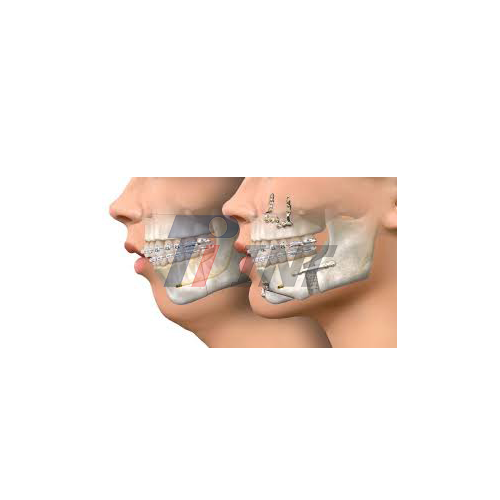
Jaw surgery titanium plates play a crucial role in the success of orthognathic procedures. These biocompatible devices are designed to provide stability and support to the repositioned jaw bones, allowing them to heal properly in their new alignment. The use of titanium plates has revolutionized jaw surgery, offering numerous benefits over traditional wiring techniques.
Properties of Jaw Surgery Titanium Plates
Titanium plates used in jaw surgery boast several advantageous properties that make them ideal for this application:
- Biocompatibility: Titanium is highly compatible with human tissue, reducing the risk of rejection or adverse reactions.
- Strength: Despite being lightweight, jaw surgery titanium plates offer exceptional strength, ensuring proper support during the healing process.
- Corrosion resistance: Titanium resists corrosion from bodily fluids, maintaining its integrity over time.
- Osseointegration: Titanium has the unique ability to fuse with bone tissue, promoting long-term stability.
Types of Jaw Surgery Titanium Plates
As a reputable jaw surgery titanium plates supplier, we offer various types of plates to accommodate different surgical needs:
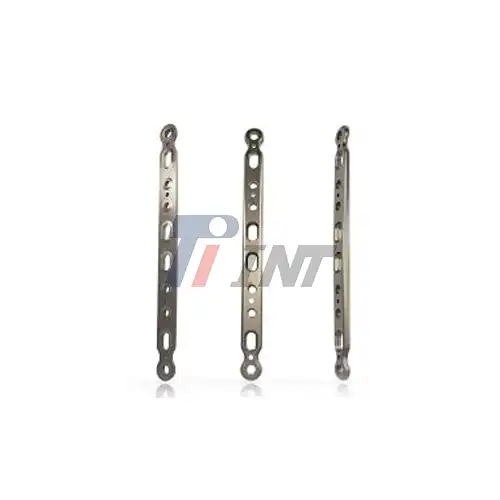
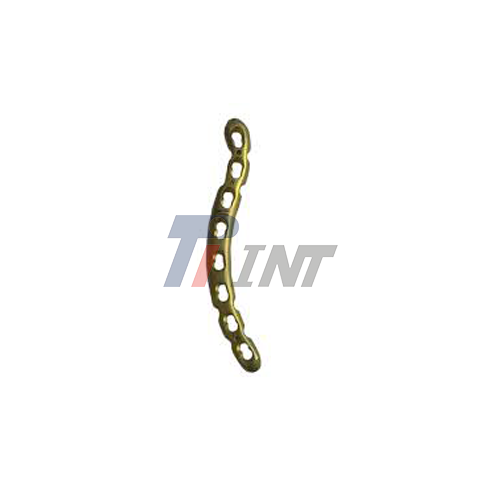
- Straight plates: Used for simple fractures or osteotomies
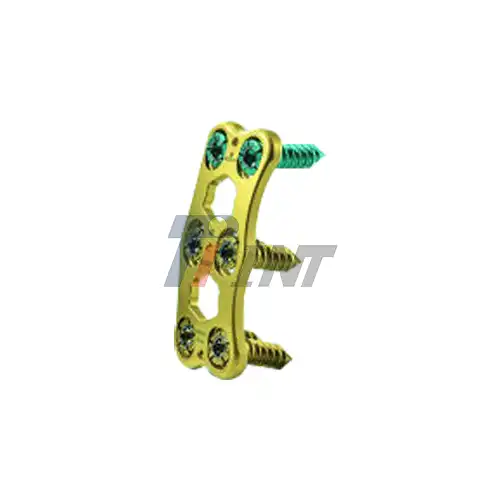
- L-shaped plates: Ideal for complex fractures or repositioning procedures
- Y-shaped plates: Designed for stabilizing multiple bone fragments
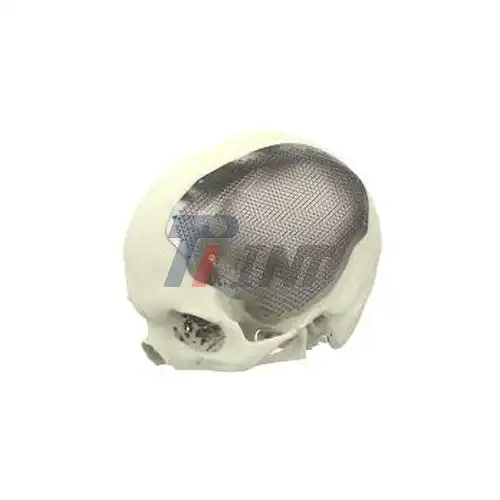
- Mesh plates: Utilized for reconstructive procedures or bone grafting
The Debate on Titanium Plate Removal
Arguments for Keeping Titanium Plates in Place
Many surgeons and jaw surgery titanium plates suppliers advocate for leaving the plates in place after healing is complete. The rationale behind this approach includes:
- Reduced surgical risk: Avoiding a second surgery eliminates potential complications associated with plate removal.
- Maintained stability: The plates continue to provide support to the jaw, potentially preventing long-term relapse.
- Osseointegration benefits: As titanium integrates with bone tissue, removal could potentially cause damage.
Reasons for Considering Titanium Plate Removal
While jaw surgery titanium plates are designed for long-term use, there are circumstances where removal might be considered:
- Infection: In rare cases, infection around the plate may necessitate its removal.
- Discomfort: Some patients may experience sensitivity or discomfort due to the plate's presence.
- Palpability: If the plate is easily felt through the skin or oral mucosa, removal might be considered for comfort reasons.
- Imaging interference: Titanium plates can sometimes interfere with certain imaging techniques, potentially complicating future diagnostic procedures.
Factors Influencing the Decision to Remove Titanium Plates
The decision to remove jaw surgery titanium plates is not one-size-fits-all. Several factors come into play:
- Patient age and health: Younger patients may be more likely candidates for removal due to their longer life expectancy.
- Extent of the original surgery: More complex procedures may require longer-term plate retention.
- Bone healing progress: The degree of osseointegration and overall bone health can influence the decision.
- Patient preference: Some individuals may have personal reasons for wanting the plates removed.
The Titanium Plate Removal Process
Preoperative Considerations
Before proceeding with titanium plate removal, several steps are typically taken:
- Comprehensive evaluation: The surgeon will assess the healing progress and overall jaw stability.
- Imaging studies: X-rays or CT scans may be performed to visualize the plates and surrounding bone.
- Risk assessment: The potential benefits of removal are weighed against the risks of a secondary surgery.
Surgical Procedure for Titanium Plate Removal
If removal is deemed necessary, the procedure typically involves:
- Anesthesia administration: Local or general anesthesia may be used, depending on the extent of the removal.
- Incision: The surgeon accesses the plate through the original incision site when possible.
- Plate and screw removal: Specialized instruments are used to carefully extract the jaw surgery titanium plates and associated screws.
- Wound closure: The incision is sutured closed, often using absorbable stitches.
Post-Removal Recovery and Care
After the removal of jaw surgery titanium plates, patients can expect:
- Short recovery period: Most patients recover quickly, with minimal discomfort.
- Follow-up appointments: The surgeon will monitor healing progress and ensure proper jaw alignment is maintained.
- Temporary dietary restrictions: Soft foods may be recommended initially to avoid strain on the surgical site.
Conclusion
The decision to remove jaw surgery titanium plates is a complex one that should be made in consultation with your surgeon. While these plates are designed for long-term use and often do not require removal, there are circumstances where extraction may be beneficial. As a leading jaw surgery titanium plates supplier, we are committed to providing high-quality products that support optimal patient outcomes, whether the plates remain in place or are eventually removed. If you have questions about jaw surgery titanium plates or are interested in learning more about our products, please don't hesitate to contact us at export@tiint.com. Our team of experts is here to provide you with the information and support you need to make informed decisions about your oral health.
FAQ
How long do titanium plates typically stay in after jaw surgery?
Titanium plates are often left in place indefinitely, as they integrate with the bone over time. However, the decision to remove them depends on individual circumstances and should be discussed with your surgeon.
Can titanium plates cause allergic reactions?
Allergic reactions to titanium are extremely rare. Titanium is known for its excellent biocompatibility, which is why it's widely used in medical implants.
Will titanium plates set off metal detectors?
Generally, titanium plates used in jaw surgery are not large enough to trigger metal detectors. However, it's always a good idea to carry a medical card explaining your surgical history when traveling.
References
1. Choi, B. H., Zhu, S. J., & Kim, Y. H. (2005). Removal of plate fixation after orthognathic surgery. Oral Surgery, Oral Medicine, Oral Pathology, Oral Radiology, and Endodontology, 100(3), 301-305.
2. Kuhlefelt, M., Laine, P., Suominen-Taipale, L., Ingman, T., Lindqvist, C., & Thorén, H. (2010). Smoking as a significant risk factor for infections after orthognathic surgery. Journal of Oral and Maxillofacial Surgery, 68(10), 2584-2593.
3. Theodossy, T., & Bamber, M. A. (2006). Outcomes of the use of titanium fixation in orthognathic surgery. British Journal of Oral and Maxillofacial Surgery, 44(6), 519-521.
4. Meningaud, J. P., Poupon, J., Bertrand, J. C., Chenevier, C., Galliot-Guilley, M., & Guilbert, F. (2001). Dynamic study about metal release from titanium miniplates in maxillofacial surgery. International Journal of Oral and Maxillofacial Surgery, 30(3), 185-188.
5. Falter, B., Schepers, S., Vrielinck, L., Lambrichts, I., Politis, C., & Adriaens, P. A. (2011). Plate removal following orthognathic surgery. Oral Surgery, Oral Medicine, Oral Pathology, Oral Radiology, and Endodontology, 112(6), 737-743.
_1752817116199.webp)
_1750209732185.webp)