


 2026-01-07 09:13:50


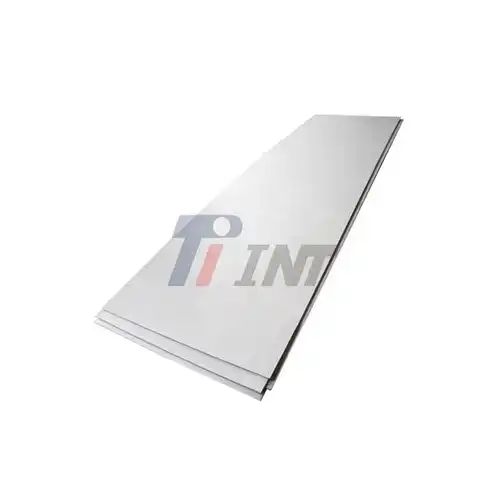
The Unique Properties of 5mm Titanium Plates
Exceptional Strength-to-Weight Ratio
One of the most remarkable features of 5mm titanium plates is their impressive strength-to-weight ratio. Despite being lightweight, these plates exhibit extraordinary tensile strength, making them capable of withstanding significant stress and strain. This unique property allows medical professionals to create robust implants and devices that don't burden patients with unnecessary weight. The 5mm thickness strikes an optimal balance, providing sufficient material for strength while maintaining a slim profile.
Superior Biocompatibility
Titanium's biocompatibility is unrivaled in the medical field. The human body readily accepts titanium implants, significantly reducing the risk of rejection or adverse reactions. This compatibility is particularly crucial for long-term implants, where the body's response to foreign materials can impact the success of medical procedures. The 5mm titanium plate's excellent biocompatibility ensures that it can remain in the body for extended periods without causing inflammation or other complications.
Corrosion Resistance for Longevity
The corrosion-resistant nature of titanium is another key factor that contributes to the durability of 5mm titanium plates. Unlike some other metals used in medical implants, titanium forms a protective oxide layer when exposed to oxygen, effectively shielding it from corrosion. This inherent resistance to degradation ensures that 5mm titanium plates maintain their structural integrity and performance over time, even when exposed to bodily fluids and other potentially corrosive substances.
Applications and Advantages of 5mm Titanium Plates in Medical Settings
Orthopedic Implants and Reconstructive Surgery
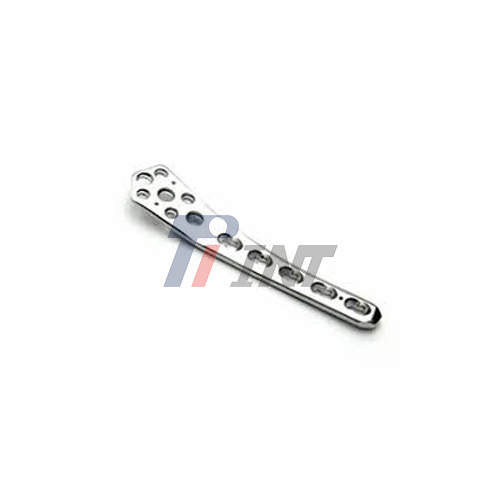
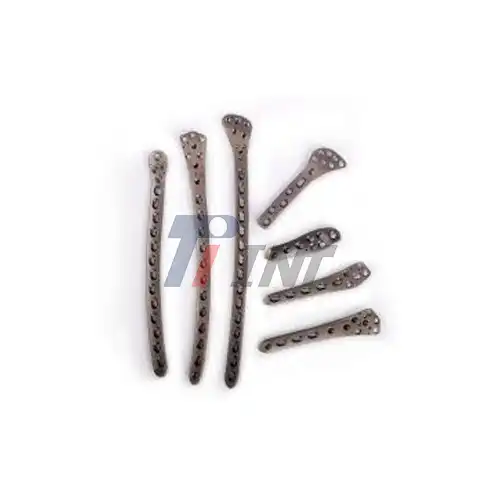
In orthopedic medicine, 5mm titanium plates play an essential role in bone fixation and reconstructive surgery. Their impressive balance of strength and lightness makes them highly effective for stabilizing fractures, especially in larger bones such as the femur, tibia, or humerus. The 5mm thickness provides sufficient rigidity to withstand daily mechanical stresses while avoiding unnecessary bulk that could interfere with healing or mobility. These plates are particularly valuable in spinal surgery, where long-term durability and biocompatibility are critical for maintaining alignment and supporting fusion. Their ability to integrate well with bone tissues helps reduce complications, allowing patients to achieve faster recovery and improved function after complex procedures.
Dental and Maxillofacial Procedures
In dentistry and maxillofacial surgery, 5mm titanium plates are widely used for structural support and reconstructive purposes. They are commonly applied in jawbone reconstruction, fracture stabilization, and as anchors for dental implants. The mechanical strength of these plates allows them to withstand strong forces generated during chewing and speaking, ensuring long-term stability in demanding oral environments. Titanium’s exceptional corrosion resistance is especially important in the mouth, where exposure to saliva and fluctuating pH levels could degrade weaker materials. Furthermore, titanium’s biocompatibility encourages osseointegration with the jawbone, enhancing implant stability and patient comfort. This reliable performance makes 5mm titanium plates indispensable in restorative and corrective dental procedures.
Neurosurgical Applications
In neurosurgery, the use of 5mm titanium plates is vital for cranial fixation and skull reconstruction, where precision and safety cannot be compromised. These plates provide strong and stable support to protect delicate neural structures, while their lightweight nature minimizes additional strain on sensitive brain tissues. Their thickness strikes an ideal balance—robust enough to maintain cranial integrity yet slim enough to avoid discomfort or excessive rigidity. Titanium’s biocompatibility further reduces risks of rejection or infection, which is particularly crucial in neurosurgical contexts. Surgeons also value the plates’ versatility, as they can be contoured and customized to fit individual cranial anatomy. This adaptability, combined with durability, contributes to favorable long-term surgical outcomes.
Manufacturing and Quality Assurance of 5mm Titanium Plates
Advanced Production Techniques
The production of 5mm titanium plates involves sophisticated manufacturing processes to ensure consistent quality and performance. Hot rolling and forging techniques are employed to enhance the mechanical properties of the titanium, resulting in plates with superior strength and toughness. These methods allow for precise control over the plate's thickness and surface finish, crucial for meeting the exacting standards of medical applications.
Rigorous Quality Control Measures
To guarantee the reliability of 5mm titanium plates, manufacturers implement stringent quality control protocols. Each plate undergoes thorough inspection, including ultrasonic testing to detect any internal flaws or inconsistencies. This meticulous approach ensures that every 5mm titanium plate meets or exceeds the required specifications for medical use. Compliance with international standards such as ISO9001:2015 and ISO13485:2016 further validates the quality and safety of these critical medical components.
Customization Capabilities
The versatility of 5mm titanium plates extends to their customization potential. Medical device manufacturers can tailor these plates to meet specific surgical requirements, adjusting dimensions, contours, and surface treatments as needed. This flexibility allows for the creation of specialized implants and devices that address unique patient needs or innovative surgical techniques, further expanding the utility of 5mm titanium plates in medical applications.
Conclusion
The 5mm titanium plate represents a pinnacle of medical material engineering, offering an exceptional combination of strength, durability, and biocompatibility. Its wide-ranging applications in orthopedics, dentistry, neurosurgery, and beyond underscore its versatility and reliability in critical medical procedures. As medical technology continues to advance, the 5mm titanium plate remains at the forefront, providing healthcare professionals with a trusted solution for implants and surgical devices. For those seeking high-quality 5mm titanium plates or customized titanium solutions, Baoji INT Medical Titanium Co., Ltd. stands ready to meet your needs. To learn more about our products or to discuss your specific requirements, please contact us at export@tiint.com.
FAQ
What makes 5mm titanium plates ideal for medical implants?
5mm titanium plates are ideal for medical implants due to their excellent biocompatibility, high strength-to-weight ratio, and corrosion resistance. They provide optimal stability without adding unnecessary bulk, making them suitable for various surgical applications.
How long can 5mm titanium plates last in the body?
With proper placement and care, 5mm titanium plates can last for decades in the body. Their corrosion resistance and biocompatibility contribute to their long-term durability and safety.
Are 5mm titanium plates customizable for specific surgical needs?
Yes, 5mm titanium plates can be customized to meet specific surgical requirements. Manufacturers can adjust dimensions, contours, and surface treatments to create specialized implants for unique patient needs or innovative surgical techniques.
References
1. Titanium Industries. (n.d.). Titanium Plate. Retrieved from [URL]
2. American Society for Testing and Materials. (2021). ASTM B265 - Standard Specification for Titanium and Titanium Alloy Strip, Sheet, and Plate. ASTM International.
3. International Organization for Standardization. (2016). ISO 13485:2016 Medical devices — Quality management systems — Requirements for regulatory purposes. ISO.
4. European Union. (n.d.). CE marking. Retrieved from [URL]
5. Ratner, B. D., Hoffman, A. S., Schoen, F. J., & Lemons, J. E. (Eds.). (2013). Biomaterials science: an introduction to materials in medicine. Academic press.
_1755061801114.png)
_1752644608314.webp)
_1752463990252.webp)
_1750669056274.webp)