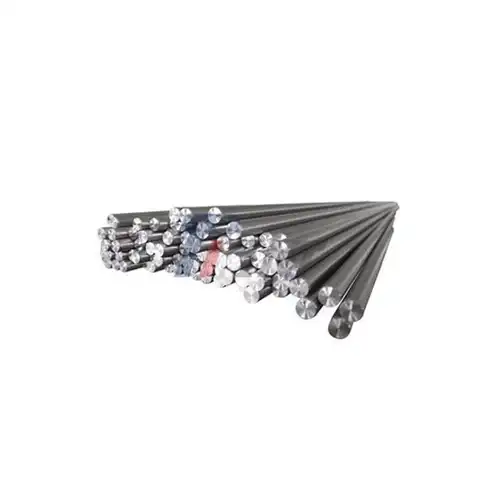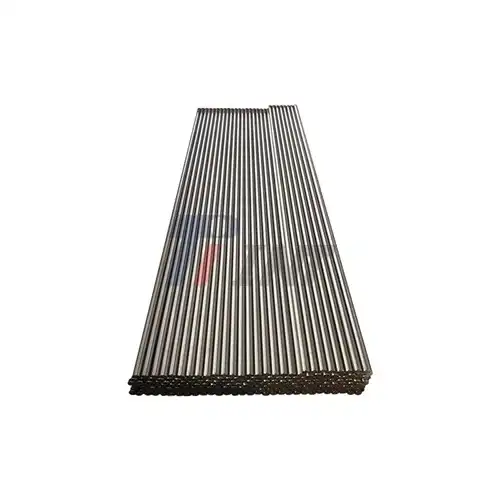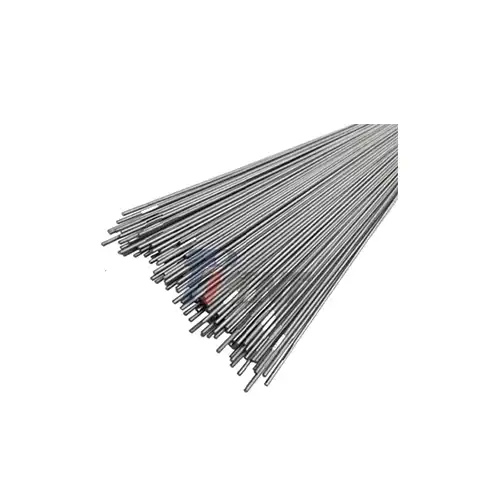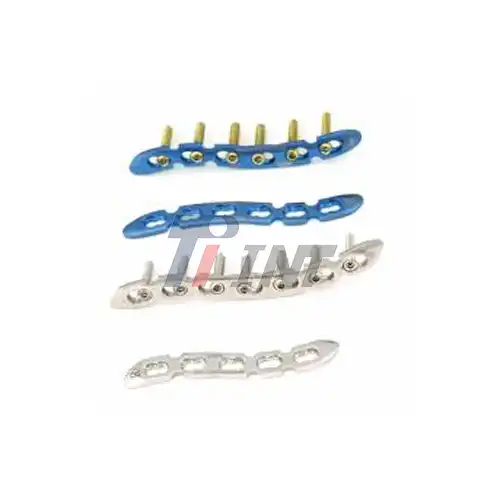

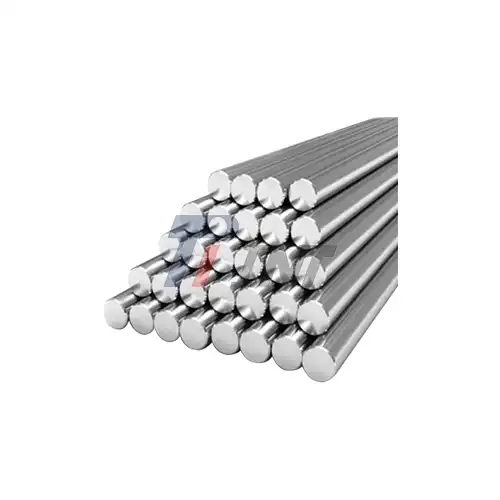
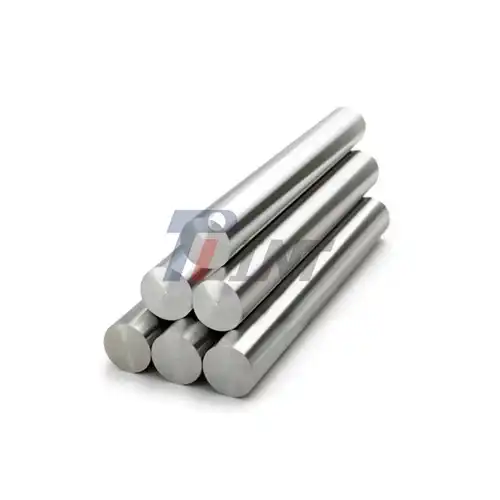
Gr2 Titanium Welding Wire for Biocompatible Implants


 2026-04-15 10:15:07
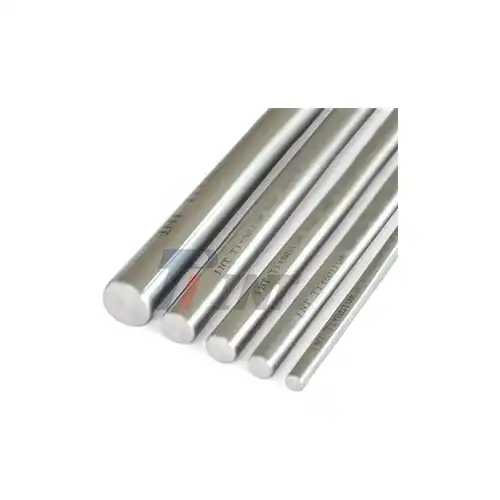
When making life-saving medical implants, the choice of joining materials is very important for both the patient's safety and the device's longevity. Gr2 Titanium Welding Wire is the best in the business for making safe, hermetic joints in medical implants. It has the best corrosion protection and mechanical stability, which are both important for long-term success of the implant. It is commercially pure titanium filler material that makes sure the best biocompatibility while keeping the structural stability needed in tough medical uses.
|
|
|
Understanding Gr2 Titanium Welding Wire: Properties and Composition
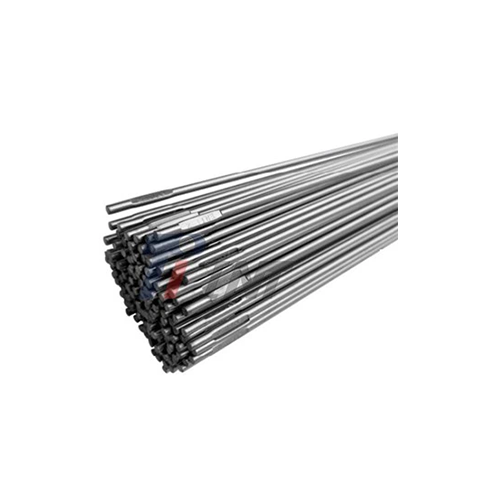
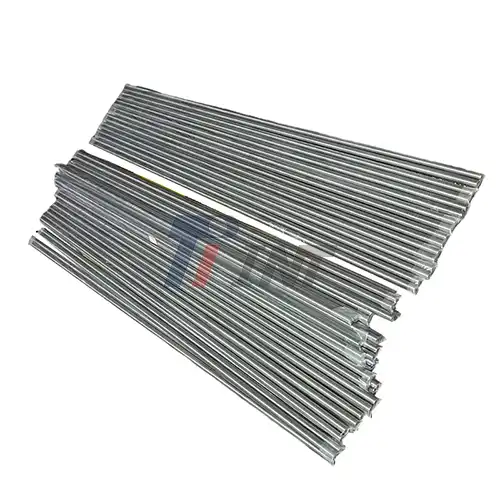
The foundation of successful medical implant welding lies in understanding the unique qualities that make titanium Grade 2 welding wire perfect for biological uses is the first step to successfully welding medical implants. This commercially pure titanium material is very biocompatible, which makes it a great choice for uses that need to come into direct touch with human flesh.
Chemical Composition and Purity Standards
There are very small amounts of oxygen (0.25% maximum), nitrogen (0.03% maximum), and hydrogen (0.015% maximum) in Gr2 Titanium Welding Wire, but they are carefully managed. This exact mix makes sure that the material is biocompatible and still has the mechanical qualities needed for structural uses. Because it has a low interstitial content, it doesn't respond badly when it comes in touch with bodily fluids, so it can be used for long-term implants.
The alpha-phase architecture of the wire makes it very flexible and easy to shape, which are very useful during complicated welding processes. This one-phase structure doesn't change phases during heat cycles, so the mechanical properties stay the same all the way through the weld zone.
Mechanical Properties for Medical Applications
The tensile strength of Grade 2 titanium welding wire is between 345 and 483 MPa, which is strong enough for most implant uses while still being very resistant to wear. Its yield strength, which is between 275 and 410 MPa, is just the right amount of strong and flexible for implants that are exposed to repeated loads.
The material is very resistant to corrosion because when it comes in contact with air, it can make a stable, self-healing oxide layer. This shield keeps the device from corroding through galvanic corrosion, even in the harsh chloride environment of the human body.
Welding Techniques and Best Practices for Gr2 Titanium Welding Wire
For Gr2 Titanium Welding Wire to produce high-quality welds, specific techniques and environmental controls must be followed to ensure clean joints that are essential for medical device manufacturing.
TIG Welding Parameters and Setup
TIG welding, or Tungsten Inert Gas welding, is the best way to join titanium parts in medical settings. To keep the process from being harmed by air pollution that could hurt biocompatibility, 99.999% pure argon shielding gas is needed. Welding factors usually include current ranges of 80 to 200 amps, with travel speeds of 6 to 12 inches per minute, based on the thickness of the material.
To keep the weld root from oxidizing, the welding air has to be carefully managed and back-purged with high-purity argon. Trailing screens that go 6 to 8 inches behind the torch provide enough protection during the cooling phase, when the titanium is still reacting with gases in the air.
Material Preparation and Handling Protocols
To prepare a surface, it must first be thoroughly degreased with acetone or alcohol. This is followed by mechanical cleaning to get rid of any metal layers or other contaminants. To keep the base materials and welding wire from absorbing water, which could cause hydrogen pores in the weld, they must be kept in controlled settings with humidity levels below 50%.
The right way to build a joint takes titanium's thermal growth into account by including the right root openings and backing arrangements to handle thermal stresses. The welding process should keep distortion to a minimum while making sure that the weld goes all the way through the joint and fuses it together.
Comparing Gr2 Titanium Welding Wire with Other Welding Wire Types
Knowing the pros and cons of the various welding materials helps procurement workers make smart choices that balance the need for efficiency with cost concerns.
Grade 2 versus Grade 5 Titanium Performance
While Grade 5 (Ti-6Al-4V) titanium is stronger, Gr2 Titanium Welding Wire is better for biocompatibility because it is made of commercially pure titanium. Since aluminum and vanadium are not present, there are no worries about long-term ion release that might cause bad biological reactions.
When compared to its alloyed cousin, Grade 2 material is easier to shape and weld. This means that there are fewer welding defects and the quality of the joints is more uniform. Grade 2 isn't as strong as Grade 1, but it's strong enough for most implant uses and has big benefits in terms of tissue compatibility and rust protection.
Comparison with Stainless Steel and Alternative Materials
Even though traditional stainless steel welding lines are cheaper, they are not as biocompatible or resistant to corrosion as titanium options. Stainless steel can rust in cracks and nickel ions can leak out, which means it's not good for many implant uses where long-term biocompatibility is important.
Titanium's high strength-to-weight ratio lets implant shapes be made smaller while still keeping structural integrity. This feature is especially useful when reducing implant mass makes the patient more comfortable and spreads out the stress on the bone tissue around the implant.
How to Source and Purchase Gr2 Titanium Welding Wire for Your Business?
To successfully buy medical-grade titanium welding wire, you need to carefully evaluate and check the quality of the suppliers to make sure they follow the rules and that the products always work well.
Supplier Qualification and Certification Requirements
Reliable providers have full quality management systems that are approved to ISO 13485 standards. This shows that they are dedicated to meeting the needs of medical device manufacturers. These approvals make sure that there is paperwork for traceability, lot control, and statistical process control methods that are needed to follow the rules.
When evaluating a supplier, you should look at where they get their raw materials, how well they can make things, and how they handle tests. To tell the difference between qualified suppliers and commodity providers, qualified suppliers can provide thorough material certificates that include chemical analysis, mechanical property proof, and biocompatibility testing documents.
Procurement Strategy and Inventory Management
Due to the specialized nature of medical-grade titanium products, effective procurement strategies balance inventory costs with supply chain reliability. For Gr2 Titanium Welding Wire, lead times for standard specifications typically range from 6 to 12 weeks, with minimum order quantities generally between 100 and 500 pounds.
Custom diameter and packing needs may cause shipping times to be longer, but they offer big benefits in terms of making manufacturing more efficient and cutting down on material waste. Setting up long-term supply deals with qualified sellers helps keep prices stable and makes sure that customers get what they need when demand is high.
Ensuring Compliance and Trust: Brand Selection and Quality Verification
Because medical implants are so important, they need strict quality control and source verification procedures that go above and beyond what is normally expected in the business world.
International Standards and Regulatory Compliance
For medical uses, Gr2 Titanium Welding Wire must meet the ASTM F67 standards for widely pure titanium. This makes sure that it has the right chemical make-up and mechanical qualities. For example, FDA 510(k) clearance for certain uses and CE marking for entry to the European market may be extra needs.
Verification testing by a third party gives you peace of mind about the material's qualities and biocompatibility. This paperwork is very important for regulatory reports and quality checks because it shows that the right materials were chosen and bought.
Quality Verification and Testing Protocols
Checking the chemical makeup using spectroscopic analysis, testing the mechanical properties, and looking at the surface state should all be part of thorough incoming inspection processes. Statistical sample plans based on military standards make sure that enough people are covered while keeping costs low.
Material tracking systems must connect produced goods to specific lots of raw materials. This lets people act quickly if there are quality problems, which doesn't happen very often. This feature is very important for companies that make medical devices that have to follow the rules set by the FDA Quality System Regulation.
Conclusion
Gr2 Titanium Welding Wire is the best material for making biocompatible implants because it has great rust resistance, biocompatibility, and mechanical qualities that are important for long-term implant success. Because it is commercially pure, there are no worries about bad biological reactions. It also has the power and flexibility needed for complex medical device uses. Because the material has been used successfully in harsh medical settings in the past and can be welded very easily, it is the first choice for makers who care about patient safety and the trustworthiness of their devices.
FAQ
Q1: What makes Gr2 Titanium Welding Wire ideal for medical implants?
A: The commercially pure composition of Grade 2 titanium provides exceptional biocompatibility with minimal risk of adverse tissue reactions. Its excellent corrosion resistance and ability to form a stable oxide layer ensure long-term stability in the human body environment.
Q2: How does welding difficulty compare between Gr2 and Gr5 titanium?
A: Because it only has one part of alpha structure and no alloying elements, Grade 2 titanium is easier to weld than Grade 5. This means that there are fewer welding mistakes and the quality of the joints is more uniform, and less preheating is needed.
Q3: What certifications should I look for in a titanium welding wire supplier?
A: Some important certifications are ISO 13485 for managing the quality of medical devices, ASTM F67 compliance for commercially pure titanium, and the right governmental clearances, like FDA registration or CE marking, based on the markets you want to reach.
Partner with Baoji INT Medical Titanium Co., Ltd. for Superior Welding Solutions
Premium-grade Gr2 Titanium Welding Wire made to the highest quality standards is available from Baoji INT Medical Titanium Co., Ltd. to help you make medical devices. Our ISO 13485:2016 certification and more than 20 years of experience in the field make sure that the standard of our products always stays high and that our supply chain works well. As one of the biggest companies that makes Gr2 Titanium Welding Wire, we offer full expert help, custom specifications, and low prices for large orders. Send an email to export@tiint.com to talk to our technical team about your unique application needs and get thorough quotes for your next project.
References
1. American Society for Testing and Materials. "Standard Specification for Unalloyed Titanium for Surgical Implant Applications (UNS R50250)." ASTM F67-13, 2018.
2. Boyer, Rodney R., and Harold L. Gegel. "Titanium and Titanium Alloys: Fundamentals and Applications." Materials Park: ASM International Medical Applications Handbook, 2019.
3. International Organization for Standardization. "Implants for Surgery - Metallic Materials - Part 2: Unalloyed Titanium." ISO 5832-2:2018.
4. Rack, Henry J., and Ivan Qazi. "Titanium Alloys for Biomedical Applications." Materials Science and Engineering Reviews, Journal of Biomedical Materials Research, 2021.
5. Williams, David F. "Biocompatibility and Clinical Applications of Titanium and Titanium Alloys." Medical Device Technology and Bioengineering Quarterly, 2020.
6. Zhang, Li-Chao, and Lai-Chang Zhang. "Biomedical Titanium Alloys and Their Additive Manufacturing Applications." Advanced Materials Processing and Characterization, 2022.
_1751956503238.webp)