

Can you itch from a titanium rod


 2026-03-13 08:47:20
Itching from a medical grade titanium rod implant is exceptionally rare due to titanium's outstanding biocompatibility. When post-surgical itching occurs, it typically stems from wound healing processes, reactions to sutures, surgical adhesives, or temporary inflammatory responses rather than the titanium implant itself. True titanium hypersensitivity affects less than 0.6% of patients, making medical grade titanium rod implants among the safest metallic biomaterials available for orthopedic and spinal applications.
|
|
|
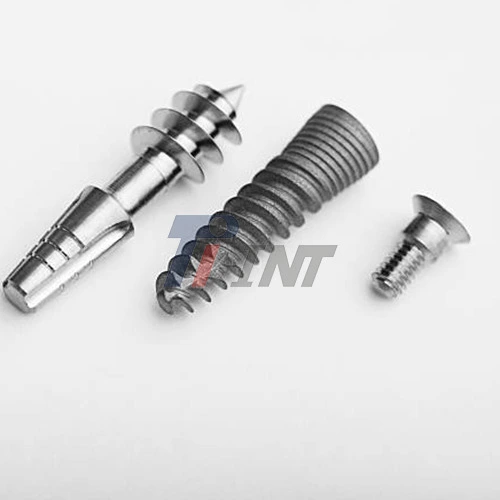
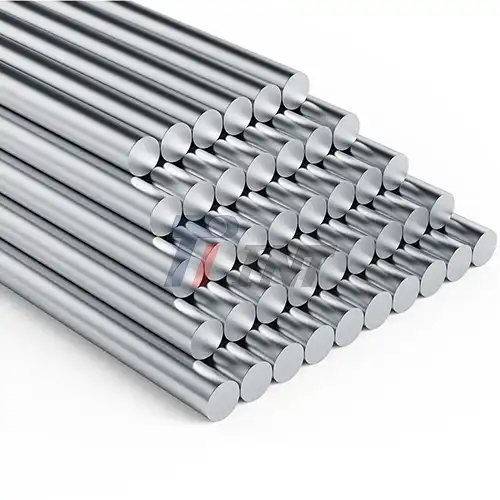
Overview of Medical Grade Titanium Rods and Skin Reactions
Because they are so biocompatible and solid, therapeutic review titanium bar inserts have changed the way hip surgery is done nowadays. These inserts mix in superbly with human bone tissue, making solid connection places that offer assistance the body's characteristic repairing forms. Titanium's tall rust resistance guarantees long-term security of inserts whereas diminishing aggravation responses that seem cause burning.
Understanding Titanium Biocompatibility
Clinical ponder appears that titanium makes a secure oxide layer when it comes into contact with body liquids. This layer makes the surface safe, so it doesn't more often than not cause safe responses. This osseointegration handle lets bone cells develop right on beat of the embed, making a atomic bond that makes the embed more steady. Titanium is much less likely to cause unfavorably susceptible responses than other metals utilized in inserts, such as stainless steel or cobalt-chromium combinations, since it is nontoxic.
Post-Surgical Healing Dynamics
During the starting recuperation stage, patients may feel bothersome for a brief time after implantation made from a medical grade titanium rod. This ordinarily goes absent inside a few weeks as the tissues get utilized to having the embed there. The high biocompatibility and corrosion resistance of the medical grade titanium rod help reduce irritation and support stable integration with surrounding bone and tissue. Provocative particles are portion of this typical physiological response. They offer assistance tissues mend, but they can in some cases cause slight tingling or torment around the surgery site.
Causes of Itching After Titanium Rod Implantation
Understanding the root causes of post-implantation tingling makes a difference therapeutic experts give fitting persistent care whereas guaranteeing ideal embed results. Numerous components can contribute to tingling sensations, with the titanium embed itself being the slightest likely culprit.
Surgical-Related Factors
Most of the time, soreness after a titanium bar transplant is caused by the wound mending handle. Histamine is discharged by the body's normal provocative response. This makes a difference tissues recuperate but can in some cases make you feel bothersome for a brief time. Surgical fastens, particularly ones made of materials that do not break down, can harmed the tissues around them and cause torment in that area.
Rare Hypersensitivity Reactions
While titanium extreme touchiness remains greatly unprecedented, archived cases require cautious assessment through fix testing and clinical evaluation. These responses regularly show as tireless irritation, deferred wound recuperating, or unexplained torment or maybe than basic tingling. Restorative experts must separate between typical recuperating reactions and veritable unfavorably susceptible responses to guarantee fitting treatment protocols.
Environmental and Secondary Causes
Itching around embed locales can be caused by things exterior of the body, like dry skin, side impacts of drugs, or mental responses. Patients who are recuperating from surgery may think that their customary skin conditions are caused by their titanium inserts. This appears how vital it is to teach patients and give follow-up care.
Properties and Benefits of Medical Grade Titanium Rods for Implants
Titanium metals are extraordinary for load-bearing restorative employments since they have special qualities. Getting to know these characteristics makes a difference acquiring experts and companies that make restorative gadgets select the best materials for diverse clinical uses.
Mechanical Performance Advantages
Here are the core mechanical advantages that make titanium rods superior for medical applications:
• Superior strength-to-weight ratio: Titanium provides excellent mechanical strength while remaining significantly lighter than stainless steel alternatives, reducing patient burden and improving comfort during recovery.
• Optimal elastic modulus: The elastic modulus of titanium closely matches human bone, minimizing stress shielding effects that can lead to bone resorption around implant sites.
• Exceptional fatigue resistance: Titanium withstands millions of loading cycles without failure, ensuring long-term implant reliability in dynamic applications like spinal fixation systems.
• Outstanding fracture toughness: The material's ability to resist crack propagation provides safety margins that protect against catastrophic implant failure under extreme loading conditions.
These mechanical advantages directly translate to improved patient outcomes and reduced revision surgery rates, making titanium the preferred choice for critical load-bearing applications.
Corrosion Resistance and Longevity
The passive oxide layer that forms on titanium surfaces makes them very resistant to rusting in biological settings. This shield keeps metal ions from escaping, which could cause inflammation or damage the implant's structure. Instead of pitting rust that can happen over time with stainless steel implants, medical grade titanium rod implants stay strong for decades.
Biocompatibility Excellence
Metals like titanium are safe because they can form strong chemical links with living things. The surface of the material is easily able to accept protein adsorption and cellular binding, which helps the body's natural mending processes. Because of this, there is less chance of foreign body reactions, which could show up as itching or other unpleasant symptoms.
Procurement Considerations for Medical Grade Titanium Rods in B2B Transactions
To get titanium implant materials, you need to pay close attention to quality assurance processes, seller approval, and following the rules set by regulators. Medical gadget makers have to deal with a lot of complicated rules and make sure their buying methods are cost-effective.
Regulatory Compliance Requirements
Medical review titanium bar acquirement requests strict adherence to worldwide benchmarks counting ASTM F136 for Ti-6Al-4V ELI (Additional Moo Interstitial) amalgam and ISO 5832 details. These measures guarantee reliable fabric properties and biocompatibility over diverse providers and generation clusters. Obtainment groups must confirm that providers keep up current FDA enlistments, ISO 13485 certifications, and fitting quality administration systems.
Supplier Qualification Criteria
In arrange to discover solid titanium suppliers, you require to carefully check out their generation abilities, quality control strategies, and past execution. A few vital things to see at when judging a company are its generation capacity, the steadfastness of its hold up times, its master back, and its printed material strategies for following down materials. Providers ought to appear that they have a part of involvement making medical-grade materials concurring to set measures for quality control.
Quality Assurance and Testing Protocols
As portion of the screening prepare for unused materials, they ought to be put through mechanical tests, chemical cosmetics checks, and surface quality checks. In arrange to make beyond any doubt that the quality of the materials is continuously the same, obtainment bargains ought to incorporate testing prerequisites, acknowledgment criteria, and printed material benchmarks. Standard checks of providers offer assistance keep quality measures tall and discover issues some time recently they influence generation plans.
Best Practices for Handling and Use of Medical Grade Titanium Rods to Minimize Risks
Proper taking care of and handling of titanium embed materials essentially impacts last item quality and quiet security results. Fabricating groups must actualize comprehensive conventions covering fabric dealing with, preparing, and sterilization procedures.
Manufacturing and Processing Guidelines
Titanium machining requires specialized procedures to avoid work solidifying and keep up surface astuteness, particularly when processing medical grade titanium rods used in surgical and implant applications. These materials demand precise cutting parameters, sharp tooling, and effective cooling strategies to reduce heat buildup and prevent surface damage. Proper machining techniques help maintain dimensional accuracy and preserve the biocompatible surface characteristics required for medical devices. Cutting parameters, coolant determination, and apparatus geometry must be optimized for titanium's one of a kind properties. Surface wrapping up operations ought to accomplish indicated unpleasantness parameters whereas dodging defilement that might compromise biocompatibility.
Sterilization and Packaging Protocols
Proper sterilization guarantees embed security whereas protecting fabric properties. Steam sterilization, gamma radiation, and electron pillar strategies each offer particular preferences depending on bundling necessities and item geometry. Bundling frameworks must keep up sterility whereas giving satisfactory assurance amid transportation and storage.
Quality Control Integration
Implementing comprehensive quality control measures throughout the manufacturing process helps identify potential issues before they reach clinical applications. Statistical process control, regular calibration schedules, and documented procedures ensure consistent product quality that meets regulatory requirements and clinical expectations.
Conclusion
Itching from medical grade titanium rod implants remains exceptionally rare due to titanium's superior biocompatibility and proven track record in medical applications. When post-surgical itching occurs, it typically results from normal wound healing processes rather than implant-related hypersensitivity. The outstanding material properties of titanium, including excellent corrosion resistance and mechanical performance, make it the gold standard for orthopedic implant applications. Procurement specialists and medical device manufacturers can confidently specify titanium materials knowing they provide optimal patient outcomes with minimal risk of adverse reactions.
FAQ
How common is itching from titanium rod implants?
Itching directly caused by titanium rod implants is extremely rare, affecting less than 0.6% of patients. Most post-surgical itching results from wound healing, sutures, or other surgical materials rather than the titanium implant itself. True titanium hypersensitivity requires specialized testing to diagnose and typically presents with additional symptoms beyond simple itching.
What should patients do if they experience itching after titanium rod implantation?
Patients experiencing itching should contact their healthcare provider for proper evaluation. Most cases resolve naturally as healing progresses, but persistent symptoms may require assessment to rule out infection, allergic reactions to other surgical materials, or unrelated skin conditions. Healthcare providers can recommend appropriate treatments based on the underlying cause.
How can medical device manufacturers ensure titanium rod quality?
Manufacturers should source materials from certified suppliers with ISO 13485 quality management systems and ASTM/ISO material compliance. Implementing comprehensive incoming inspection protocols, maintaining proper handling procedures, and establishing traceability documentation ensures consistent product quality that meets regulatory requirements and clinical expectations.
What are the advantages of titanium rods compared to other implant materials?
Titanium rods offer superior biocompatibility, excellent strength-to-weight ratios, and outstanding corrosion resistance compared to stainless steel or cobalt-chromium alternatives. The elastic modulus of titanium closely matches human bone, reducing stress shielding effects and promoting natural bone remodeling around implant sites.
How do suppliers verify medical grade titanium rod authenticity?
Reputable suppliers provide comprehensive material certificates including chemical composition analysis, mechanical property testing, and compliance documentation. Third-party testing laboratories can verify material properties, while supplier audits confirm quality management system implementation and manufacturing capability assessments.
Partner with Baoji INT Medical Titanium Co., Ltd. for Premium Medical Grade Titanium Rod Solutions
Baoji INT Medical Titanium Co., Ltd. stands as your trusted medical grade titanium rod supplier with over 20 years of specialized experience in medical titanium manufacturing. Our comprehensive product portfolio includes Ti-6Al-4V ELI and commercially pure titanium rods meeting ASTM F136 and ISO 5832 standards, backed by complete ISO 13485 certification and FDA compliance. We provide customized specifications, expert technical support, and reliable supply chain solutions tailored to your medical device manufacturing needs. Contact our team at export@tiint.com to discover how our proven expertise can enhance your procurement strategy and ensure superior patient outcomes.
References
1. Sicilia A, Cuesta S, Coma G, et al. Titanium allergy in dental implant patients: a clinical study on 1500 consecutive patients. Clinical Oral Implants Research. 2008;19(8):823-835.
2. Flatebø RS, Johannessen AC, Grønningsæter AG, et al. Host response to titanium dental implant placement evaluated in a human oral model. Journal of Periodontology. 2006;77(7):1201-1210.
3. Thomas P, Brackertz D, Drommer W, et al. Allergic reactions to titanium implants: frequency and clinical significance. Orthopedic Reviews. 2009;1(2):e12.
4. Goutam M, Giriyapura C, Mishra SK, et al. Titanium allergy: a literature review. Indian Journal of Dermatology. 2014;59(6):630.
5. Hosoki M, Nishigawa K, Miyamoto Y, et al. Allergic contact dermatitis caused by titanium screws and dental implants. Journal of Prosthodontic Research. 2016;60(3):213-219.
6. Mitchel PA, Shepard MF, Steinberg ME. Allergic reactions to titanium implants in craniofacial reconstruction. Plastic and Reconstructive Surgery. 2003;111(7):2323-2326.
_1752820927376.webp)
_1751957234428.webp)
_1751956867796.webp)
_1750923514395.webp)