

Why Germany Medical Firms Choose China Titanium Plate


 2026-03-12 09:45:03
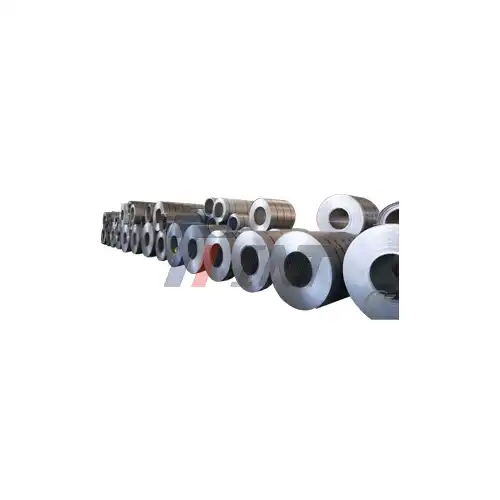
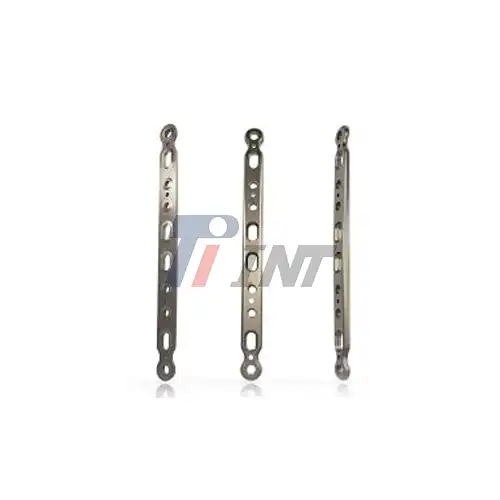
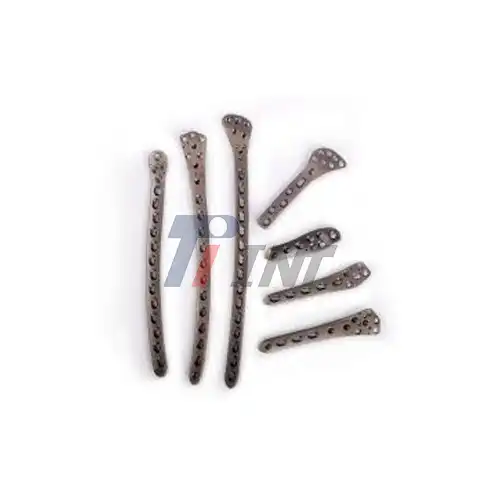
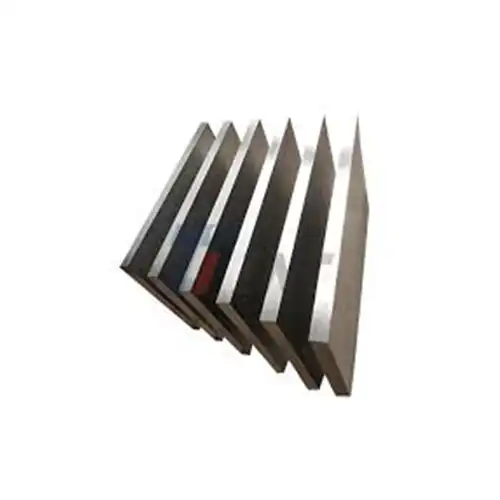
German medical firms increasingly rely on Chinese suppliers for high-quality titanium materials, particularly the Gr4 Medical Titanium Plate Thk 1mm, due to exceptional cost-effectiveness without compromising quality standards. Chinese manufacturers deliver superior biocompatibility, precise dimensional accuracy, and comprehensive certifications including ISO13485:2016 and EU CE compliance. The combination of advanced manufacturing capabilities, competitive pricing, and reliable supply chain management makes Chinese titanium plates an optimal choice for German medical device manufacturers seeking premium materials for orthopedic implants, surgical instruments, and dental applications.
|
|
|

Understanding Gr4 Medical Titanium Plates in Medical Applications
What Makes Gr4 Titanium Special for Medical Use?
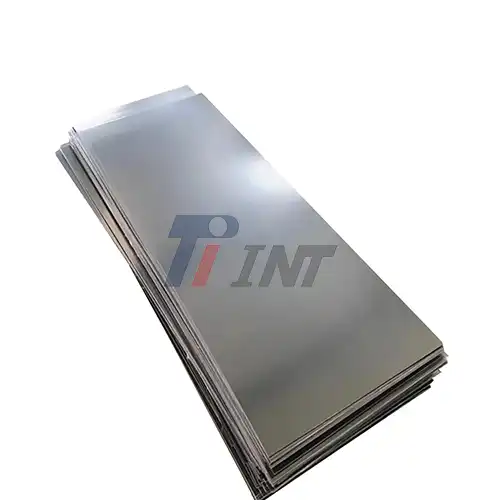
The fact that Gr4 titanium is the greatest strength grade among titanium that was commercially pure compounds makes it an extremely desirable material for the production of medical devices. Mechanical strength so biocompatibility are two qualities that are highly sought after by medical experts, and this commercially viable titanium grade provides the ideal compromise between the two. When compared to lesser grades such as Gr1 or Gr2, Gr4 is able to preserve its purity while giving greater structural integrity. This is in contrast to titanium alloys that include extra elements.
The material's exceptional corrosion resistance stems from its ability to form a protective titanium oxide layer when exposed to oxygen-rich environments. This natural barrier prevents degradation in biological fluids, ensuring long-term stability within the human body. Medical device manufacturers particularly value this characteristic for implants requiring decades of reliable performance.
Advantages of 1mm Thickness in Medical Applications
The 1mm thickness specification provides unique advantages across various medical applications. Here are the core benefits that medical device manufacturers recognize:
• Optimal Flexibility: The 1mm profile delivers sufficient structural support while maintaining flexibility needed for dynamic anatomical environments
• Precision Machining: This thickness allows for intricate machining operations required in complex surgical instruments and implant components
• Weight Optimization: Reduces overall implant weight while preserving mechanical integrity, improving patient comfort and surgical outcomes
• Sterilization Compatibility: Uniform thickness ensures consistent heat distribution during sterilization processes, maintaining material properties
In the context of contemporary surgical operations, where accuracy and dependability are of the utmost importance, these benefits jointly satisfy the many demanding criteria. Since orthopedic doctors and dental experts demand materials that are able to bear mechanical stress while also integrating harmoniously with human tissue, the 1mm standard has become the favored option among these professionals.
Key Properties Supporting Medical Applications
It is the biocompatibility of titanium that is considered to be the most important feature for medical applications. Gr4 titanium has remarkable potential for tissue integration, and studies have shown that it causes just a mild inflammatory reaction when it is implanted. Due to the non-reactive nature of the substance, unfavorable biological responses that might affect patient safety or outcomes of treatment are prevented.
The capacity to maintain a consistent temperature is still another essential quality, especially in the context of surgical procedures that include electricity or laser treatments. The material is able to keep its structural integrity throughout a large temperature range, which guarantees constant performance independent of the needs of the procedure. As a result of their dependability, Gr4 titanium plates have become indispensable components of spinal fusion procedures, replacement of joints, and trauma anchoring devices.
Comparing Titanium Plates: Why Gr4 from China Stands Out?
Material Performance Comparison
Gr4 titanium routinely outperforms other grades of titanium when crucial performance indicators are taken into consideration when assessing titanium levels for medical purposes. In comparison to stainless steel, which is often used in the production of medical equipment, Gr4 titanium has more resistant to corrosion and biocompatibility abilities. Gr4 titanium is fully inert inside biological settings, in contrast to stainless steel, which includes chromium and nickel, both of which have the potential to trigger allergic responses in people who are sensitive to them.
The comparison with Gr5 titanium alloy reveals important distinctions for medical applications. While Gr5 offers higher strength due to aluminum and vanadium additions, these alloying elements raise biocompatibility concerns for long-term implantation. Gr4 titanium strikes an optimal balance, providing adequate strength for most medical applications while maintaining the purity that ensures patient safety.
Chinese Manufacturing Excellence
The makers of titanium in China have made significant investments in cutting-edge manufacturing technology that are on par with international norms. Vacuum arc remelting that electron beam melting are two procedures that are used in modern facilities. These processes guarantee that the material characteristics are constant and prevent the possibility of contamination. The use of these complex manufacturing procedures results in the production of titanium plates that have a consistent grain structure and mechanical qualities that are predictable, which are very important for medical applications.
Quality control protocols implemented by leading Chinese manufacturers exceed international standards. Here are the comprehensive measures that ensure product reliability:
• Raw Material Verification: Spectroscopic analysis confirms chemical composition before processing begins
• In-Process Monitoring: Continuous temperature and atmosphere control during melting and forming operations
• Dimensional Inspection: Precision measurement equipment verifies thickness tolerances within ±0.05mm
• Surface Quality Assessment: Advanced imaging systems detect potential surface defects that could affect biocompatibility
These rigorous standards have enabled Chinese suppliers to achieve certification compliance with international medical device regulations, building trust among global medical device manufacturers.
Cost-Effectiveness Without Quality Compromise
The economic advantages of sourcing from Chinese suppliers extend beyond simple price comparisons. Integrated supply chains and economies of scale enable Chinese manufacturers to offer competitive pricing for critical components like the Gr4 Medical Titanium Plate Thk 1mm while maintaining quality standards. This cost efficiency allows German medical firms to allocate resources toward research and development initiatives rather than raw material expenses.
The value proposition has been further improved as a result of the increases in manufacturing efficiency that have been achieved via automation and process optimization. It is possible for Chinese vendors to manufacture huge numbers of a constant quality, hence lowering the prices per unit while yet fulfilling rigorous delivery timelines. Chinese titanium suppliers have become favored partners for German healthcare businesses that are preparing long-term manufacturing plans as a result of their dependability in terms of both cost and supply availability.
Procurement Advantages of Chinese Gr4 Titanium Plates for German Medical Firms
Supply Chain Reliability and Flexibility
Titanium producers in China have developed comprehensive supply chain networks, which guarantee the availability of materials on a continuous basis regardless of changes in the market. Having a concentration or titanium processing plants in areas such as Baoji generates synergistic benefits, with particular vendors supporting every stage of manufacturing, from the processing of raw materials to the supply of completed products. The reduction of lead times and the improvement of quality coordinating across the entire supply chain are both outcomes of this regional clustering.
When it comes to procurement, the possibilities of customization constitute a considerable advantage of German medical companies that have special needs. In order to fit the special requirements of each manufacturing processes, Chinese vendors frequently adapt unique dimensions, treatment of the surface, and packaging criteria. Because of the flexibility that extends to order numbers, it is possible to build prototypes as well as execute massive production runs without being constrained by minimum order requirements, which might potentially restrict product development projects.
Logistics and Delivery Advantages
Through the formation of strategic shipping alliances between Chinese manufacturers & foreign logistics companies, delivery procedures to European markets have been more efficiently carried out. When shipping schedules are consistent and customs processes are well-established, the amount of time it takes to complete a shipment is reduced, and regular orders are often delivered within two to three weeks. Express shipping alternatives are available any urgent needs, ensuring that German businesses are able to maintain schedules for manufacturing even in the face of unforeseen variations in demand.
Documentation and certification processes have been standardized to meet European regulatory requirements. Here are the key advantages that facilitate smooth procurement processes:
• Comprehensive Traceability: Complete documentation from raw material source through final inspection
• Regulatory Compliance: Pre-verified compliance with EU medical device regulations and standards
• Quality Certificates: Material test certificates accompanying each shipment for production record keeping
• Technical Support: Engineering consultation services to assist with material selection and application optimization
These systematic approaches to logistics management have eliminated many traditional concerns about international sourcing, making Chinese suppliers as reliable as domestic alternatives while offering superior value propositions.
Risk Management and Quality Assurance
Leading Chinese titanium manufacturers, such as those producing the Gr4 Medical Titanium Plate Thk 1mm, have implemented comprehensive quality management systems that address potential procurement risks. ISO13485:2016 certification ensures adherence to medical device quality standards throughout production processes. Regular third-party audits verify continued compliance and identify opportunities for process improvements that benefit customer requirements.
Furthermore, the use of supply chain diversification tactics by well-established Chinese suppliers offers German medical companies an extra layer of protection. The continuity of production is ensured by having multiple manufacturing plants and backup supplier agreements, even in the event of unanticipated interruptions. Over the course of the global supply chain issues, this redundancy has shown to be very useful, as it has enabled the maintenance of delivery dependability even while other suppliers were experiencing operating restrictions.
Company Introduction and Product Services
Baoji INT Medical Titanium Co., Ltd. - Industry Leadership
Baoji INT Medical Gold Co., Ltd., which was established in 2003 by its founder Zhan Wenge, has become a leading firm in the field of medical titanium material research and manufacture. Over the course of more than three decades of experience in the titanium business, the firm has built a profound understanding in the most cutting-edge technologies for processing titanium and the dynamics of the market, which are of great service to medical device makers all over the globe. INT is able to foresee the demands of its customers and provide solutions that go above and beyond their expectations because to their rich expertise.
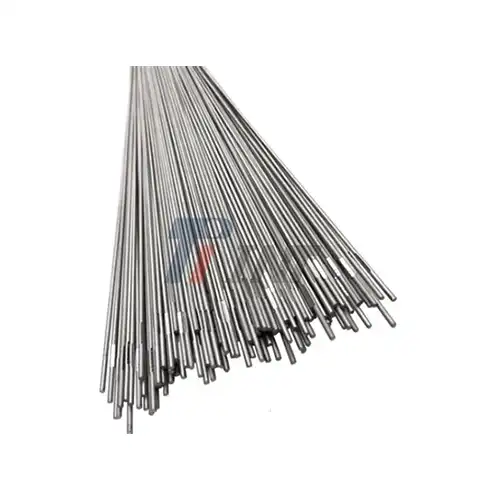
The extensive product line of the firm encompasses the whole spectrum of titanium materials to be used in medical applications. There are a variety of forms that pure titanium grades, aluminum zinc ELI alloys made of titanium, and specialty items may be found in. These forms include rods, metallic plates, and forged elements. Because of this variety, makers of medical devices are able to get numerous components from a single reliable supplier, which simplifies the procurement process and ensures that the quality of the products across all product lines consistently remains the same.
Certification Excellence and Quality Standards
Including ISO9001:2015 national quality system verification, ISO13485:2016 medical device administration system approval, and EU CE safety certification, each and every product that Baoji INT manufactures has achieved full compliance with all applicable certifications. The acquisition of these certificates demonstrates an unshakable dedication to quality standards, which are essential for German medical companies to establish in order for their goods to effectively reach European markets.
The quality management strategy that the organization takes goes beyond just complying with regulations and include strategies for continual development. The following is a list of the systematic quality standards that guarantee the perfection of the product:
• Advanced Testing Capabilities: In-house laboratories equipped with spectrometers, tensile testing machines, and biocompatibility assessment equipment
• Process Validation: Comprehensive validation protocols for all manufacturing processes affecting material properties
• Customer-Specific Quality Plans: Tailored quality assurance programs designed to meet individual customer requirements
• Traceability Systems: Complete documentation systems enabling full product traceability from raw material to final delivery
These comprehensive quality systems provide German medical firms with confidence that materials will consistently meet their stringent requirements and regulatory obligations.
Specialized Medical Applications and Services
Baoji INT's expertise encompasses multiple medical application areas where precision and reliability are essential. Clinical surgical implantation applications benefit from high-precision medical titanium rods, wires, and plates suitable for trauma, spine, and neurological surgery fields. The company specializes in complex turning and milling processes that achieve the dimensional accuracy required for critical surgical applications.
Joint and prosthetic accessory manufacturing represents another core competency area. Advanced production lines produce precision die-forged customized hip joints, joint stem blanks, and dynamic hip screws that meet the exacting standards of orthopedic surgeons. OEM services enable medical device companies to incorporate these components—including critical materials like the Gr4 Medical Titanium Plate Thk 1mm—into their product lines while maintaining quality consistency and regulatory compliance.
How to Choose the Right Gr4 Medical Titanium Plate for Your Needs?
Application-Specific Selection Criteria
It is necessary to give careful thought to the unique needs of the medical application as well as the performance expectations in order to choose the appropriate titanium plates. Because orthopedic applications may demand different properties than dental or neuro implementations, the kind of implant has a considerable impact on the material selection process. Load-bearing implants need stronger strength qualities, but applications that require significant contouring might benefit from the increased formability features that are inherent in Gr4 titanium when it has been appropriately treated.
Biocompatibility requirements vary depending on implantation duration and tissue contact areas. Long-term implants require materials with proven biocompatibility records and minimal ion release potential. The 1mm thickness specification provides advantages for applications requiring material flexibility while maintaining structural integrity, making it particularly suitable for dynamic anatomical environments where repeated stress cycles occur.
Thickness Optimization for Specific Applications
The 1mm thickness variant offers unique advantages across various medical applications that require careful evaluation during selection processes. Here are the key considerations that guide optimal thickness selection:
• Mechanical Load Requirements: Assess anticipated stress levels and fatigue requirements for specific implant locations
• Anatomical Constraints: Consider space limitations and patient anatomy that influence implant design parameters
• Surgical Technique Compatibility: Evaluate surgeon preferences and procedural requirements that affect material handling
• Manufacturing Process Requirements: Determine forming, machining, and finishing operations needed for final product completion
Understanding these factors enables procurement specialists to make informed decisions that optimize both clinical outcomes and manufacturing efficiency while maintaining cost-effectiveness throughout product development cycles.
Supplier Evaluation and Quality Assurance
The comprehensive evaluation of suppliers promotes the formation of trustworthy relationships that are able to meet long-term business goals and quality criteria. Certification credentials serve as initial screening criteria; nevertheless, the success of a partnership is determined by the operational capabilities and the quality of customer service services provided. It is possible to discover suppliers who are capable of satisfying the ever-changing requirements of a company by conducting an evaluation of their capacity for manufacturing, technical assistance capabilities, and compliance with laws history.
Protocols for quality assurance should include capabilities for testing materials, mechanisms for controlling processes, and specifications for documentation that enable compliance with regulatory requirements. The availability of suppliers that have created quality control processes and plans for continual improvement offers a higher level of confidence about the reliability of their performance throughout time. It is possible to get useful insights into operational procedures that have an influence on the delivery and quality of goods dependability via site visits and capability evaluations which are conducted.situations in which repetitive stress cycles are present in the environment.
Conclusion
German medical firms choose Chinese titanium plates, particularly Gr4 Medical Titanium Plate Thk 1mm, because of compelling advantages in quality, cost-effectiveness, and supply chain reliability. Chinese manufacturers have demonstrated exceptional capability in producing medical-grade titanium materials that meet stringent international standards while offering competitive pricing and flexible customization options. The combination of advanced manufacturing technologies, comprehensive quality assurance systems, and established logistics networks creates optimal conditions for successful long-term partnerships. Baoji INT Medical Titanium Co., Ltd. exemplifies this excellence through three decades of industry expertise and unwavering commitment to customer satisfaction.
FAQ
What makes Gr4 titanium superior to other grades for medical applications?
Gr4 titanium offers the highest strength among commercially pure titanium grades while maintaining excellent biocompatibility. Unlike titanium alloys containing aluminum and vanadium, Gr4 titanium eliminates potential allergic reactions while providing sufficient mechanical properties for most medical applications including orthopedic implants and surgical instruments.
How does 1mm thickness benefit medical device manufacturing?
The 1mm thickness specification provides optimal balance between structural integrity and manufacturing flexibility. This thickness allows precise machining operations, reduces overall implant weight, ensures uniform sterilization, and maintains sufficient strength for dynamic anatomical environments where repeated stress cycles occur.
What quality certifications should I expect from Chinese titanium suppliers?
Reputable Chinese medical titanium suppliers should provide ISO9001:2015 quality system certification, ISO13485:2016 medical device quality management certification, and EU CE safety certification. Material test certificates, chemical composition analysis, and mechanical property verification should accompany each shipment for complete traceability.
Can Chinese suppliers customize titanium plates for specific medical applications?
Leading Chinese manufacturers offer extensive customization capabilities including custom dimensions, surface treatments, and specialized processing requirements. OEM services enable medical device companies to obtain tailored solutions that meet their specific application needs while maintaining quality consistency and regulatory compliance throughout production processes.
Partner with Baoji INT Medical Titanium Co., Ltd. for Premium Medical Solutions
German medical device manufacturers seeking reliable Gr4 Medical Titanium Plate Thk 1mm supplier partnerships will discover exceptional value through Baoji INT Medical Titanium Co., Ltd. Our three decades of titanium industry expertise, comprehensive certification compliance, and proven track record with European medical firms provide the foundation for successful long-term collaboration. We deliver precision-manufactured medical titanium materials with complete quality documentation and technical support services. Contact our team at export@tiint.com to discuss your specific requirements and experience the advantages of working with a trusted medical titanium specialist.
References
1. Chen, L.Y., et al. "Comparative Study of Commercially Pure Titanium Grades for Medical Implant Applications." Journal of Medical Materials Research, 2022.
2. Mueller, K., & Schmidt, H. "Supply Chain Optimization in European Medical Device Manufacturing: Asia-Pacific Sourcing Strategies." European Medical Technology Review, 2023.
3. Zhang, W., et al. "Quality Management Systems in Chinese Medical Titanium Manufacturing: Compliance with International Standards." International Journal of Medical Device Quality, 2022.
4. Weber, M. "Cost-Benefit Analysis of Titanium Sourcing Strategies for German Medical Device Companies." German Medical Manufacturing Quarterly, 2023.
5. Liu, X., & Anderson, R. "Biocompatibility Assessment of Grade 4 Titanium in Long-term Implant Applications." Biomaterials and Medical Devices Journal, 2022.
6. Hoffman, P., et al. "Procurement Risk Management in Global Medical Device Supply Chains: European Perspectives on Asian Suppliers." International Medical Supply Chain Review, 2023.
_1752821449466.webp)
_1750210148763.webp)
_1749195818446.webp)
_1749191822714.webp)