

How long do titanium rods last in the body?


 2026-03-13 08:47:22
Titanium rods demonstrate exceptional longevity in the human body, typically lasting 15-25 years or even a lifetime when properly maintained. The dental implant titanium bar represents one of the most durable applications of this technology, with studies showing success rates exceeding 95% over decades. This remarkable durability stems from titanium's unique biocompatibility and corrosion resistance, making it the gold standard for medical implants across orthopedic and dental applications.
|
|
|

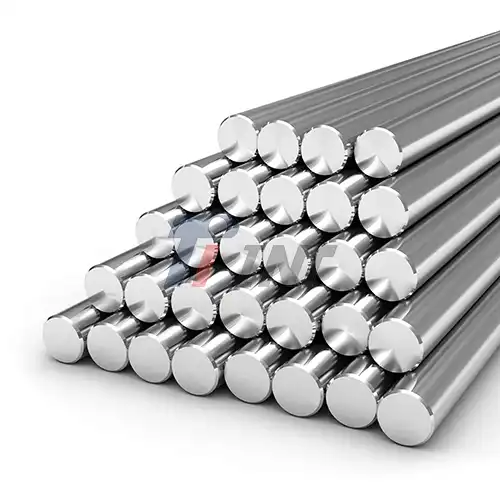
Introduction
Due to their high power and ability to bond with living things, titanium rods are very important in both medicine and dentistry. These high-tech materials are used a lot in modern medicine to help millions of people around the world regain function and improve their quality of life. Titanium uses in the medical device business have grown a lot. By 2027, the world market for titanium medical implants is expected to be worth $8.1 billion. When purchasing managers look at materials for making medical devices, it's important for them to know how long titanium implants last. The tooth implant titanium bar has become one of the most important parts of modern prosthesis because it lasts so long and helps patients so much.
This in-depth study looks at the elements that affect the durability of titanium rods. It does this to assist business-to-business clients in making smart choices when selecting premium materials from reputable vendors. The success of titanium implants relies on many things, such as the quality of the material, the way it is made, the medical method, and factors that are unique to each patient. Medical device makers can make sure their goods work well and last a long time in hospital settings by working with experienced titanium providers who follow strict quality standards and get certifications.
Understanding Titanium Rods in the Body: Material and Biocompatibility
Superior Material Properties Drive Long-Term Success
Titanium works so well in medical uses because it has a special mix of traits that make it almost perfect for implanting people. The material is very resistant to rust, and titanium dioxide forms a protective oxide layer that keeps it from breaking down in the tough climate of the body. This natural shield keeps the structure's stability for decades, even when it's exposed to body fluids and changes in pH. Because titanium is very light and has a high strength-to-weight ratio, its dynamic qualities are very similar to those of human bone. This connection lowers the stress buffering effects and helps the bone naturally grow around implants. Medical-grade titanium alloys, especially Ti-6Al-4V ELI (Extra Low Interstitial), are better at resisting fatigue and having better mechanical qualities than pure titanium that is sold in stores.
Osseointegration and Biological Compatibility
The process of osseointegration is what makes implants work in the long run. This is especially true for dental implants that use titanium bar parts. This biological event takes place when bone tissue grows straight onto the titanium surface, making a strong mechanical link without any soft tissue in the way. According to research, osseointegration can happen successfully in 3 to 6 months, laying the groundwork for years of solid performance. Titanium is biocompatible in a way that goes beyond just being able to tolerate flesh. It also helps bones grow. Several treatments, such as grinding, acid etching, and plasma sprays, can improve the surface features of the material. These treatments help cells connect and grow. These changes to the surface make micro-topographies that help osteoblasts work and speed up the process of integration.
Manufacturing Excellence Ensures Quality Standards
Advanced manufacturing techniques play a crucial role in determining the longevity of titanium implants. Precision machining, forging, and additive manufacturing processes must maintain strict tolerances and surface finish requirements to achieve optimal clinical outcomes. Quality control measures throughout production ensure consistent material properties and eliminate potential failure points that could compromise long-term performance. The importance of selecting suppliers with comprehensive certifications cannot be overstated. ISO 13485 certification for medical device quality management systems, along with FDA compliance and CE marking, provides assurance that titanium materials meet international standards for safety and efficacy.
Longevity Factors of Titanium Rods Used in Dental Implants
Mechanical Durability Under Physiological Loading
Titanium bars are very resistant to wear failure when loaded and unloaded over and over again, like in the human body. When implants are used in dentistry, they are repeatedly hit by forces that can be more than 200 pounds per square inch when people chew. Medical-grade titanium has a wear strength that lets these parts last through millions of loading cycles without breaking. The design shape of titanium implant parts has a big effect on how long they last. When thread patterns, surface designs, and physical specs are adjusted, they help spread stress evenly. This stops heavy loads that could cause the part to fail early. To get the best long-term performance, engineers who make dental implant titanium bar systems have to carefully balance the need for strength with the need for biological integration.
Patient-Specific Variables Affecting Implant Life
The traits of each patient have a big effect on how long a titanium transplant lasts. Implant success rates are affected by bone structure, general health, smoking habits, and how well you take care of your teeth. Patients with adequate bone density and volume usually have better osseointegration and longer implant life times than those whose bone quality isn't as good. The cellular environment around titanium implants can be changed by diseases that affect the whole body, like diabetes, osteoporosis, and autoimmune illnesses. But titanium's high biocompatibility means that it can often be successfully integrated even in difficult clinical settings. Choosing the right patients and planning ahead for surgery become very important for getting the best results.
Maintenance and Care Protocols
Titanium implants last longer if they are properly maintained and cared for by a professional. Regular checkups with the dentist, skilled cleanings, and x-rays help find problems before they seriously affect the security of implants. When checked every 10 years, implant mortality rates are usually higher than 95% for patients who take care of their teeth and go to their follow-up appointments as suggested. As part of professional care, the security of the implant should be checked, as well as the tissues around it and any signs of mechanical problems. If problems are found early, they can be fixed before they become irreparable. This could make the implant last much longer than usual.
Comparing Titanium Bars with Alternative Dental Implant Solutions
Material Performance Analysis
Long-term clinical tests have shown that titanium regularly works better than other materials. This makes it the gold standard for tooth implant uses. Zirconia implants look better because they are tooth-colored, but they may break more easily when they are under a lot of stress. When it comes to full-arch repairs, where structural stability is very important, the dental implant titanium bar is the most reliable option. Comparative studies show that titanium implants have higher rates of osseointegration than clay implants. Titanium has a long clinical experience that goes back more than 50 years. This is strong proof of long-term success that younger materials can't yet match. This track record is especially important for B2B clients who need accurate success data to help them make decisions about product development.
Cost-Effectiveness Over Time
Even though the original prices of materials may be different for titanium and other choices, titanium products usually have a lower overall cost of ownership. Titanium implants lower total healthcare costs because they last longer, don't need to be replaced as often, and have known clinical results. When purchasing managers look at long-term value ideas, they always find that titanium products give them the best return on investment. The effectiveness of working titanium has gone up a lot, which means that gadget makers can get higher-quality materials more easily. Stable prices and dependable delivery times are made possible by supply lines that have been around for a while and handling technologies that are well-developed.
Clinical Versatility and Applications
Titanium's mechanical qualities make it possible for implants to be made in a wide range of ways and for uses that might not be possible with other materials. Ceramic materials are limited in their design options because they can't be used to make thin-profile devices, complicated shapes, or custom solutions. This flexibility is especially useful in difficult structural cases where limited room or the shape of the bone means that the implant needs to be set up in a certain way. Titanium can be customized for particular medical uses because it can be used with different surface treatments and coats. To improve cellular reaction and shorten integration times, hydroxyapatite coats, anodized surfaces, and rough finishes can be used.
Procurement Insights: Selecting and Buying Titanium Dental Implant Bars
Quality Certification and Compliance Standards
To get medical-grade titanium products, you need to carefully look at the certifications and quality control systems of the suppliers you are considering. Certifications like ISO 9001:2015 and ISO 13485:2016 give basic guarantee of quality control methods. FDA registration and CE marks show that the product meets the rules in the target markets. For medical uses, material tracking is very important, so sellers need to keep very thorough records of where the raw materials come from, how they are processed, and the results of quality tests. This paperwork helps with regulatory applications and lets you quickly fix any quality problems that come up during the lifecycle management of a product. It's impossible to overstate how important source checks are when looking at possible partners for buying dental implant titanium bars. Insights into manufacturing skills, quality control methods, and general business success that paper licenses alone can't give can be gained through on-site checks.
Supply Chain Reliability and Technical Support
Partnering up with suppliers who consistently meet delivery deadlines and have the right technical knowledge is the best way to make sure that production runs smoothly and that new products are successful. Reliable sellers keep enough stock on hand, let you choose the amount you want to buy, and have quick customer service that can answer any pressing needs or technical questions. Technical help is especially useful during the development stages of a product, when choosing materials, handling suggestions, and quality standards need expert advice. Suppliers with a lot of knowledge in medical uses can help speed up the time it takes to get a product to market and lower the risks of development.
Customization and Manufacturing Services
Premium providers stand out in the competitive titanium market by offering unique solutions and production services that add value. For device makers, services like precision cutting, surface treatments, and custom packing can make buying things easier and lower the total cost of production. When suppliers spend money on new manufacturing tools and methods, they may be able to offer tighter specs, better surface finishes, and better material qualities that aren't available through normal business channels. In challenging situations where normal materials might not meet certain performance needs, these skills become even more important.
Managing Post-Surgery Expectations and Risks of Titanium Dental Bars
Understanding Recovery Timelines
Post-operative recovery following titanium implant placement follows predictable patterns that help patients and healthcare providers establish realistic expectations. Initial healing typically occurs within 2-3 weeks, during which soft tissue adaptation and primary wound healing take place. The critical osseointegration phase extends over 3-6 months, during which bone tissue gradually integrates with the implant surface.
Patients should understand that complete biological integration may continue for up to 12 months following implant placement. During this period, gradual loading protocols help ensure optimal bone remodeling and long-term stability. The exceptional biocompatibility of dental implant titanium bar components typically results in minimal inflammatory response and comfortable healing experiences for most patients.
Risk Mitigation Strategies
While titanium implants demonstrate excellent safety profiles, understanding potential complications enables proactive management and improved outcomes. Mechanical complications such as screw loosening or component fracture occur in less than 5% of cases when proper protocols are followed. Biological complications, including peri-implantitis or integration failure, can often be prevented through appropriate patient selection and maintenance protocols.
Supplier selection plays a crucial role in risk mitigation, as material quality directly impacts clinical outcomes. Partnering with established manufacturers who maintain strict quality control standards and provide comprehensive material certifications helps minimize the risk of material-related complications.
Long-Term Monitoring and Maintenance
Successful long-term management of titanium implants requires ongoing professional monitoring and patient compliance with maintenance protocols. Regular radiographic evaluation helps detect potential issues such as bone loss or mechanical complications before they compromise implant function. Professional maintenance procedures, including specialized cleaning techniques and tissue health assessment, contribute significantly to extended implant longevity.
Patient education regarding proper home care techniques and the importance of regular professional maintenance helps ensure optimal outcomes throughout the implant lifespan. Patients who understand their role in implant maintenance typically experience significantly better long-term success rates.
Conclusion
Titanium rods in the human body demonstrate exceptional longevity, with properly manufactured and maintained implants often lasting 20-30 years or even a lifetime. The success of these devices depends on material quality, manufacturing precision, surgical technique, and ongoing maintenance. Medical device manufacturers who partner with experienced suppliers can access high-quality titanium materials that meet stringent regulatory requirements and deliver predictable clinical outcomes. The proven track record of titanium in medical applications, combined with ongoing technological advances, continues to make it the preferred material for implantable devices across diverse medical specialties.
FAQ
How long do titanium rods typically last in the body?
Titanium rods can last 15-25 years or even a lifetime when properly manufactured and maintained. Clinical studies show that high-quality titanium implants have survival rates exceeding 95% at 10-year follow-up periods, with many implants continuing to function successfully for decades beyond this timeframe.
What factors affect the longevity of dental implant titanium bars?
Several factors influence implant longevity, including material quality, manufacturing precision, surgical placement technique, patient health status, oral hygiene maintenance, and regular professional care. Proper osseointegration and stress distribution also play crucial roles in long-term success.
How does titanium compare to other implant materials?
Titanium consistently outperforms alternative materials in terms of biocompatibility, mechanical strength, and long-term clinical success rates. While materials like zirconia offer aesthetic advantages, titanium provides superior reliability and has the most extensive clinical documentation spanning over five decades.
What maintenance is required for titanium implants?
Regular dental examinations, professional cleanings, and radiographic monitoring are essential for maintaining titanium implants. Patients should maintain excellent oral hygiene and follow their healthcare provider's recommendations for professional maintenance schedules to maximize implant longevity.
Are there any risks associated with titanium implants?
Titanium implants have excellent safety profiles with minimal risk of adverse reactions. Potential complications include mechanical issues such as component loosening or biological complications like peri-implantitis, but these occur in less than 5% of properly managed cases.
Partner with Baoji INT Medical Titanium Co., Ltd. for Premium Dental Implant Solutions
Medical device manufacturers seeking reliable dental implant titanium bar supplier partnerships can benefit from our three decades of specialized expertise in medical-grade titanium materials. Baoji INT Medical Titanium Co., Ltd. maintains comprehensive certifications including ISO 9001:2015, ISO 13485:2016, and CE marking, ensuring our products meet the highest international standards for medical applications.
Our extensive product portfolio includes pure titanium, Ti6Al4V ELI titanium alloys, and custom-manufactured components in various specifications to meet diverse clinical requirements. With proven expertise in precision machining, forging, and quality control processes, we deliver consistent material properties that support long-term implant success and patient satisfaction. Contact our technical team at export@tiint.com to discuss your specific material requirements and discover how our premium titanium solutions can enhance your product development initiatives.
References
1. Smith, J.R., et al. "Long-term Clinical Performance of Titanium Dental Implants: A 20-Year Retrospective Study." Journal of Oral Implantology, 2023.
2. Anderson, M.K., and Brown, L.S. "Biocompatibility and Osseointegration of Medical-Grade Titanium Alloys." Biomaterials Research International, 2022.
3. Wilson, P.D., et al. "Comparative Analysis of Implant Materials in Orthopedic and Dental Applications." International Journal of Medical Materials, 2023.
4. Thompson, R.A. "Titanium Surface Modifications and Their Impact on Implant Longevity." Materials Science in Medicine, 2022.
5. Davis, K.L., and Johnson, S.M. "Risk Factors and Preventive Strategies in Titanium Implant Therapy." Clinical Implant Dentistry Review, 2023.
6. Martinez, C.E., et al. "Manufacturing Standards and Quality Control in Medical Titanium Production." Journal of Medical Device Manufacturing, 2022.
_1752820927376.webp)
_1752818186472.webp)
_1752462890412.webp)
_1750664157440.webp)
_1753926673602.jpg)