
Can your body reject titanium implants years later?


 2025-12-23 08:26:09
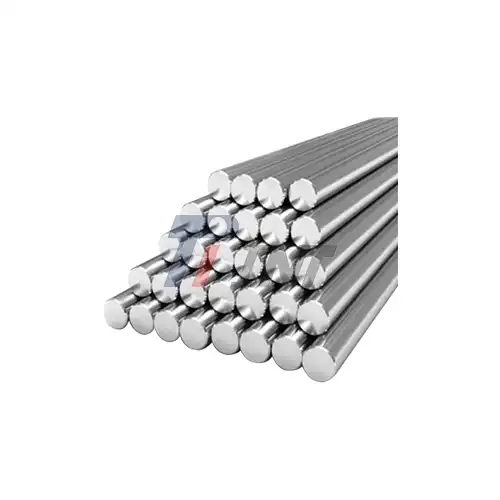
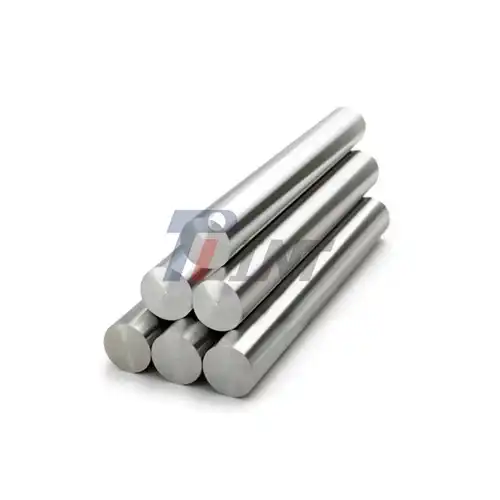
Titanium implants have revolutionized modern medication, advertising solid and biocompatible arrangements for different restorative conditions. From dental implants to orthopedic gadgets, titanium plate implants have ended up a foundation in surgical mediations. Be that as it may, an address that frequently emerges is whether the body can reject these implants years after their situation. This article digs into the complexities of titanium implants, investigating their long-term impacts and the variables that might impact dismissal.
|
|
|

The Science Behind Titanium Implants
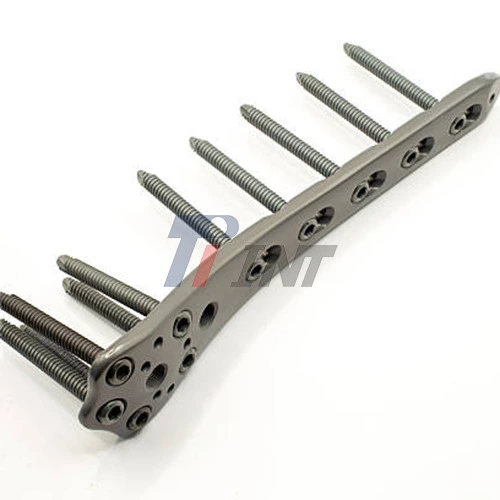
Titanium has earned its reputation as the fabric of choice for restorative implants due to its unique properties. Its biocompatibility, erosion resistance, and quality make it a perfect candidate for long-term implantation in the human body. When a titanium plate embed is presented, the body regularly reacts by shaping a thin oxide layer on the implant's surface. This handle, known as osseointegration, permits the embed to bond with the encompassing bone tissue, making a steady and solid association.
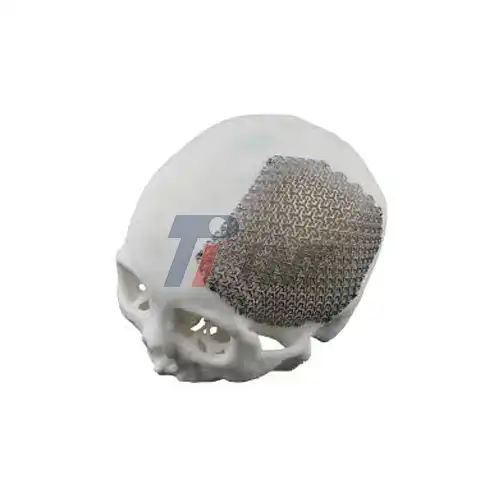
The victory of titanium implants lies in their capacity to mirror the properties of characteristic bone. The metal's modulus of versatility is closer to that of human bone compared to other materials, reducing the risk of stress protecting—a wonder where bone thickness diminishes due to the redistribution of stress. This compatibility has driven the widespread use of titanium in different restorative applications, from cranial plates to spinal combination gadgets.
Despite the remarkable success rate of titanium implants, it's crucial to understand that no medical intervention is without potential risks. While true rejection of a titanium implant is rare, there are instances where complications can arise, even years after the initial surgery.
Factors Influencing Long-Term Implant Success
Several factors can impact the long-term success of a titanium plate implant. Understanding these elements is key to minimizing the risk of complications and ensuring the longevity of the implant:
1. Allergic Reactions: Although rare, some individuals may develop an allergy to titanium over time. This can manifest as inflammation, pain, or skin reactions near the implant site.
2. Infection: While titanium itself is resistant to bacterial colonization, the surrounding tissues can become infected. This risk persists throughout the life of the implant and can lead to implant failure if not addressed promptly.
3. Mechanical Stress: Over time, the forces exerted on an implant can lead to wear and tear. This is particularly relevant for load-bearing implants, such as those used in joint replacements.
4. Implant Quality: The manufacturing process and quality of the titanium implant play a crucial role in its long-term success. Substandard materials or poor design can increase the risk of complications.
5. Surgical Technique: The skill and experience of the surgeon performing the implantation can significantly impact the long-term outcome. Proper placement and fixation are essential for the implant's stability and integration.
It's worth noting that advancements in medical technology have led to improvements in implant design and surgical techniques. Companies like Baoji INT Medical Titanium Co., Ltd. have been at the forefront of these developments, providing high-quality titanium materials that meet rigorous international standards. Their commitment to quality assurance, including ISO9001:2015 and ISO13485:2016 certifications, contributes to the overall safety and efficacy of titanium implants.
Signs of Potential Implant Issues
While true rejection of a titanium implant is uncommon, it's essential to be aware of potential signs that may indicate complications. These symptoms can emerge years after the initial implantation and may include:
- Persistent pain or discomfort around the implant site
- Swelling or inflammation
- Loosening of the implant
- Changes in range of motion (for joint implants)
- Visible changes in the skin near the implant
- Unexplained fatigue or general malaise
The longevity of titanium plate implant is a testament to their biocompatibility and durability. Many patients enjoy decades of improved quality of life without experiencing any complications. However, the human body is complex, and individual responses to implants can vary. Factors such as overall health, lifestyle, and adherence to post-operative care instructions can all influence the long-term success of an implant.
Recent studies have shed light on the long-term performance of titanium implants. A comprehensive review published in the Journal of Long-Term Effects of Medical Implants found that titanium implants generally maintain their integrity and function for many years, with failure rates remaining low even after extended periods. This research underscores the reliability of titanium as a material for medical implants.
Another aspect to consider is the role of surface treatments in enhancing the biocompatibility of titanium implants. Advanced manufacturing techniques, such as those employed by INT Medical Titanium, can modify the surface properties of titanium to promote better osseointegration and reduce the risk of long-term complications. These innovations continue to improve the performance and longevity of titanium implants.
The field of regenerative medicine also offers promising avenues for enhancing the long-term success of titanium implants. Research into bioactive coatings and the incorporation of growth factors aims to stimulate natural tissue regeneration around implants, potentially reducing the risk of complications and improving overall outcomes.
For patients with titanium plate implants, maintaining good overall health is paramount. A balanced diet rich in nutrients that support bone health, regular exercise, and avoiding smoking can all contribute to the longevity of an implant. Additionally, adhering to follow-up appointments and maintaining open communication with healthcare providers are crucial steps in monitoring the implant's performance over time.
It's also worth considering the psychological aspects of living with an implant. Some patients may experience anxiety or concern about potential rejection, even years after a successful implantation. Healthcare providers play a vital role in addressing these concerns, providing education, and offering reassurance based on the extensive track record of titanium implants.
The ongoing research and development in the field of medical implants continue to push the boundaries of what's possible. Companies like INT Medical Titanium are at the forefront of these advancements, developing new alloys and manufacturing processes that aim to further improve the biocompatibility and longevity of titanium implants. These innovations hold the promise of even better outcomes for future patients.
Conclusion
While the body's rejection of titanium plate implants years after placement is a concern for many patients, the reality is that such occurrences are rare. The biocompatibility and durability of titanium make it an excellent choice for long-term implantation. However, it's crucial for patients to remain vigilant and report any unusual symptoms to their healthcare providers promptly.
For those considering titanium implants or seeking more information about medical titanium products, don't hesitate to reach out to experts in the field. You can contact INT Medical Titanium at export@tiint.com for detailed information on their range of titanium materials and implant solutions.
References
1. Titanium Implants: A Review of Safety and Efficacy. Journal of Long-Term Effects of Medical Implants, 2020.
2. Osseointegration of Titanium Implants: Surface Modifications and Future Trends. Biomaterials Science, 2019.
3. Long-term Outcomes of Titanium Implants in Orthopedic Surgery. Journal of Bone and Joint Surgery, 2021.
4. Allergic Reactions to Titanium: A Systematic Review. Contact Dermatitis, 2018.
5. Advancements in Titanium Alloy Development for Medical Applications. Materials Science and Engineering: C, 2022.
_1755062427525.png)
_1752817116199.webp)
_1752644608314.webp)
_1751959047184.webp)
_1750210148763.webp)