

Choosing The Right Titanium Round Bar Grade


 2026-05-08 09:46:30
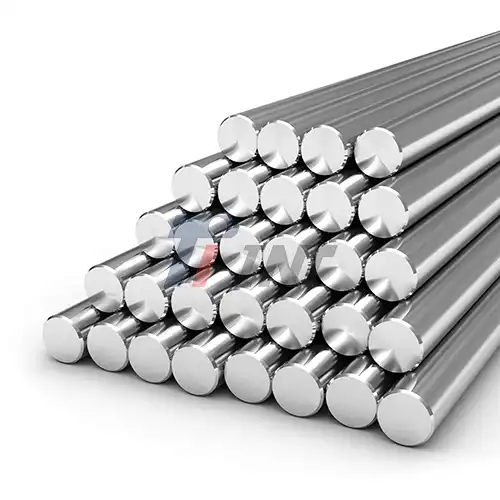
Choosing the right type of titanium round bar is very important when making medical devices. The Gr9 Titanium Bar Dia 8mm is the best choice for uses that need a durable, lightweight option that is also very resistant to rust. This Ti-3Al-2.5V alloy has a tensile strength of ≥620 MPa and is better at being worked in cold temperatures than higher-grade alternatives. This makes it perfect for orthopedic implants, dental instruments, and precision surgical tools that need to be biocompatible and work reliably throughout their service life.
|
|
|
Understanding GR9 Titanium Bar: Properties and Specifications
Chemical Composition and Alloying Elements
Grade 9 titanium metal is mostly titanium, with 2.5% to 3.5% aluminum and 2.0% to 3.0% vanadium added for balance. This mixture makes what the business world calls the "half-6-4" alloy, which is in between the malleability of commercially pure titanium and the high tensile strength of Grade 5. The aluminum content keeps the alpha phase stable, and the vanadium content keeps the beta phase stable. This creates an alpha-beta lattice that is very flexible. The amount of iron stays below 0.25% and the amount of oxygen stays below 0.15%. This keeps the material's great flexibility and weldability. Medical-grade titanium products must meet strict standards like ASTM B348, ASTM F136, and ISO 5832-3, which this controlled makeup does.
Medical device makers can get clear benefits from the Gr9 Titanium Bar Dia 8mm and its lower vanadium level compared to Grade 5 titanium. In most non-aerospace uses, it becomes a lot easier to weld without having to do complicated heat processes afterward. Cold pressing processes that would crack Grade 5 material go smoothly with Grade 9 stock, which lowers the cost of production and increases the number of design options.
Mechanical Performance Characteristics
With a mass of only 4.48 g/cm³, or about 56% that of steel, Grade 9 titanium round bars have great mechanical qualities. The yield strength is ≥483 MPa (70 ksi), and the tensile strength is ≥620 MPa (90 ksi). Elongation usually stays between 15 and 20%, which is enough to make the material flexible enough for shaping while still keeping its structural integrity. Because of these features, the device has a great strength-to-weight relationship that lets it be lighter without losing any function.
For many medical uses, the 8mm diameter has become the usual measurement. This size is the best for handling during cutting, and it gives you enough material for thread rolling, precision turning, and other secondary operations. The width makes sure that orthopedic pins and tooth implant parts are strong enough without adding extra bulk that would make the device heavier or make surgery more difficult.
Another important benefit is that it doesn't cause fatigue. When medical devices are used, they are often loaded and unloaded over and over again. For example, tooth implants can handle millions of chewing cycles, and orthopedic pins can handle repeated stress from body movement. Grade 9 material keeps its structural stability under these tough working conditions, so it lasts for a long time and reduces the risk of having to have surgery again.
Surface Finish Options and Processing Capabilities
The finish on the surface has a direct effect on both biocompatibility and the speed of production. Baoji INT Medical Titanium has Grade 9 round bars that can have their surfaces cleaned, pickled, or changed to fit your needs. Polished finishes make entry easier by reducing friction and tissue discomfort. Pickled surfaces get rid of metal layers and other impurities on the surface, making them perfect for further processing or sealing. Customized finishes can be made to fit the needs of a given application, whether it's for better osseointegration or better quality control inspection.
The material works well when it comes to precise cutting. Centerless grinding makes it possible to get very close tolerances on the width, which is needed for CNC collet feeds and automatic production. Thread rolling can continue without cracking, which makes it possible to make fasteners quickly. These processes benefits lower the cost of making the product and make it more consistent, which are both very important for making a lot of medical devices.
Comparing GR9 Titanium Bar with Other Materials and Grades
Grade 9 versus Grade 5 Titanium Alloy
A lot of the time, medical gadget makers have to choose between Grade 9 and Grade 5 titanium. Grade 5 (Ti-6Al-4V) has 6% aluminum and 4% vanadium, which makes it stronger overall but less easy to shape when cold. The Gr9 Titanium Bar Dia 8mm can often be cold-formed without cracking, so it doesn't have to be hot-forged like Grade 5 does when making 8mm diameter bolts or implant parts. This difference in handling means that tools cost less and production rounds go faster.
Another important difference is weldability. For most medical device uses, Grade 9 allows TIG welding with matching filler wire and no heat treatment after the join. Grade 5 requires more careful welding techniques and often needs heat treatment to get back to its original qualities. This makes the manufacturing process more complicated and expensive.
In most medical settings, the two types of corrosion protection work about the same. Both are very resistant to human fluids and methods used to kill germs. Grade 9 is a little weaker than Grade 5, but this doesn't usually cause problems in hospital settings where safety factors usually go well above and beyond the minimum standards.
Performance Comparison with Titanium That Is Sold as Pure
Grade 2 economically pure titanium is very good at being biocompatible and resistant to rust, but it is not nearly as strong as Grade 9. When compared to Grade 2, the alloyed material is 20–50% stronger while still having the same level of rust resistance in neutral and oxidizing conditions. Because they are stronger, makers can make the cross-section smaller, which leads to less invasive implants and more delicate surgery tools.
It is important to think about the difference in price between commercially pure titanium and alloyed titanium. Grade 2 usually costs less per kilogram, but Grade 9 often has the same or lower material costs per finished device because it can be made with smaller cross-sections. Smaller devices also help patients do better by reducing the damage they experience during surgery and speeding up the healing process.
Alternative Materials: Things to Know About Stainless Steel and Aluminum
Because it costs less, stainless steel 316L is still often used in medical products. In chloride settings, Grade 9 titanium works much better than 316L stainless steel, and there are no risks of pitting or crevice rust at room temperature. The weight advantage is big—titanium parts are about 56% lighter than stainless steel parts of the same size. This makes implanted devices easier for patients to carry and makes surgery ergonomics better for hand-held tools.
Aluminum metals are even less dense than titanium, but they are not biocompatible enough to be used in implants. It turns out that corrosion protection isn't enough for long-term body fluid contact. For medical uses, grade 9 titanium is the best combination of light weight, biocompatibility, and resistance to rust.
Applications and Benefits of GR9 Titanium Bar in Industry
Medical Device Manufacturing Applications
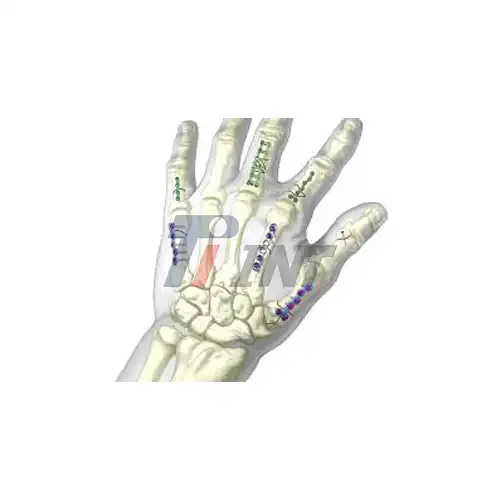
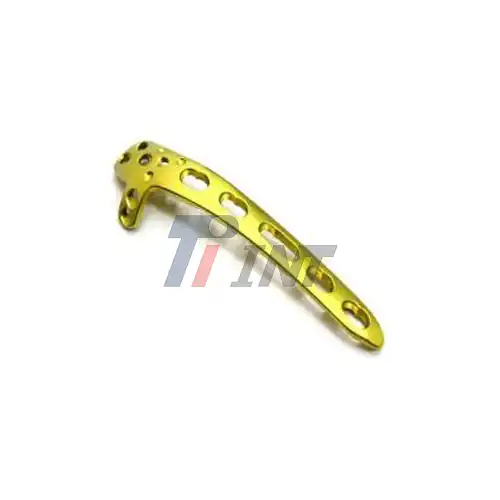
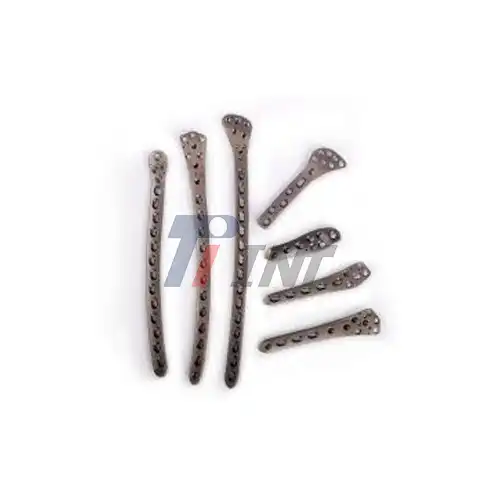
Grade 9 titanium is used to make fracture plates, bone screws, and intramedullary bolts, which are all orthopedic devices. The Gr9 Titanium Bar Dia 8mm offers biocompatibility that ensures it will stay compatible with human flesh over time. Its strength also helps bones heal without putting them under stress, which can cause bone loss. Surgeons like the lighter weight during long treatments, and patients like the smaller implant mass.
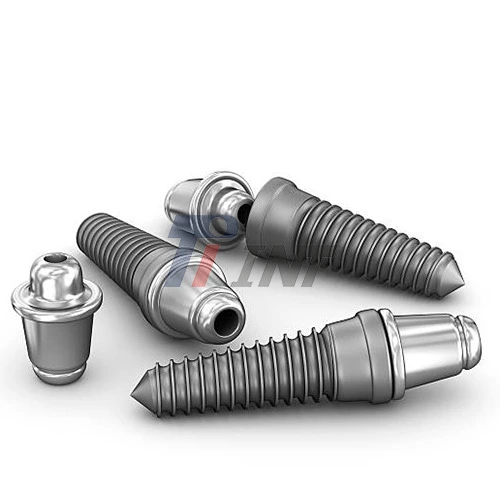
This type of titanium is used for implant bodies, abutments, and replacement parts in dental implant systems. The material is very good at osseointegration, which means that bone cells can directly join structurally to the implant surface. Corrosion protection is still very important in the mouth, where chlorides, acids, and changes in temperature can make materials less stable. Grade 9 can stand up to these temperatures for decades of use.
Surgical instrument makers use Grade 9 round bars to make tools like forceps, retractors, and other specialty items. The high wear strength makes it last a long time, even after being sterilized many times and being put under mechanical stress. Corrosion resistance keeps the accuracy and good looks of instruments for thousands of uses, which protects the money that healthcare facilities spend on capital equipment.
Aerospace and High-Performance Industries
In addition to its use in medicine, Grade 9 titanium is very important in aircraft hydraulic systems. The 8mm diameter size works great for high-pressure hydraulic joints and fittings in small fluid lines. This is because it has a high strain strength and doesn't corrode when exposed to hydraulic fluid. The makers of airplanes like it when they can cut weight to save fuel without sacrificing safety.
This material is used in the high-end bicycle business for rack mounts and saddle bars on high-end titanium frames. The 8mm width has become standard in the industry because it gives the frame the support it needs to handle rider weight while still letting the tire bend enough to absorb road vibrations and make long rides more comfortable.
Chemical Processing and Environment in the Ocean
Grade 9 titanium is used for valve stems and control shafts in chemical processing plants where toxic fluid moves. The substance can be used in tough, acidic, oxidizing conditions where stainless steel would break down quickly. Overseas platforms and petrochemical plants gain from long-term operating stability, which cuts down on the need for repair shutdowns and replacement costs.
Marine uses take advantage of the material's high resistance to stress corrosion cracks caused by chloride in saltwater. Components keep their shape in saltwater up to 260°C (500°F), which is much better than what regular stainless steels and copper-nickel metals can do.
These different uses show how the qualities of a material can improve its performance in the real world. Grade 9 titanium is economically viable, even though it costs more at first, because it doesn't rust, has a good strength-to-weight ratio, and can be processed in a lot of different ways. Total cost of ownership perks like less frequent upkeep, longer service life, and better performance are greater than the initial price premiums.
Procurement Guide: How to Buy GR9 Titanium Bar Diameter 8mm?
Essential Certification and Compliance Requirements
Medical device makers have to make sure that titanium sources give them all the paperwork they need to show they are following the rules for Gr9 Titanium Bar Dia 8mm procurement. Each batch should have an EN 10204 3.1 Mill Test Certificate that shows the heat number, the chemical make-up, the results of the mechanical property tests (tensile strength, yield strength, extension), and the heat treatment conditions. This paperwork is very important for regulatory reports and customer checks.
Certifications for materials should show that they meet the standards that matter. The general standards for titanium and titanium alloy bars and billets are spelled out in ASTM B348. ASTM F136 talks about titanium metal materials that are used to make medical implants. European guidelines for wrought titanium alloys used in implantable medical equipment are set by ISO 5832-3. Suppliers who have both ISO 9001:2015 quality management certification and ISO 13485:2016 medical device quality management certification show that they control quality in a planned way, which lowers the risks of doing business with them.
CE marking means that the product meets the safety standards of the European Union, which is important for businesses that sell to people in Europe. By checking these licenses during the seller qualification process, problems with quality and regulations that cost a lot of money can be avoided later on.
Checking the Skills and Dependability of Suppliers
Choosing a supplier is more than just comparing prices. If a seller can meet volume needs during scaling steps, that depends on how much they can produce. Consistency in lead times affects planning output and keeping track of supplies. Companies that have been in the titanium business for more than 20 years usually have more stable supply chain management and a better understanding of the technical side of things.
The ability to provide technical help sets strategic partners apart from commodity providers. Knowledgeable providers help with choices about which materials to use, how to handle them, and how to fix problems with quality. This knowledge comes in very handy when making new products, because the qualities of the materials can affect the design in ways that were not expected.
Procedures for quality control should be carefully looked over. As a supplier, you should keep your inspection methods written down, your testing tools calibrated, and your quality staff trained. Asking customers in related industries to do site audits or certifications gives you trust in the supplier's skills.
Customization and Order Flexibility
When making medical devices, non-standard requirements are often needed. Custom cutting services from suppliers deliver materials in lengths that are best for certain production processes. This cuts down on trash and the costs of handling. Customizing the surface treatment lets providers give you materials in ways that require less additional processing.
Managing cash flow and keeping track of goods are both affected by minimum order amounts. When suppliers are willing to take smaller initial orders, prototypes can be made and tested on the market without having to spend a lot of money. As production numbers rise, savings for buying in bulk make costs more competitive.
Shipping operations and lead times have a big effect on planning how to make things. Reliable providers give accurate estimates of when they will deliver and let you know ahead of time about any possible delays. If you've shipped things internationally before, you know how to properly package, record, and clear customs, which keeps you from having to wait at the border.
Decision-Making Framework for Selecting the Right Titanium Grade
Setting Performance Priorities and Application Needs
The first step in choosing a material is to be clear about what it will be used for. Components that hold weight need to be strong and not wear out easily. In corrosive settings, resistance to corrosion is more important than final strength. Biocompatibility must be proven for implantable devices through testing and governmental permission.
Operating factors have a big effect on the choice of material. Extreme temperatures, chemical reactions, and types of stress (static, cyclic, and contact) limit the materials that can be used. When used in medicine, the Gr9 Titanium Bar Dia 8mm does very well in situations that include body warmth (37°C) and bodily fluids.
Compatibility with the manufacturing method changes the total cost of production. Manufacturing is more difficult when the materials need to be hot-formed, heat-treated in complicated ways, or welded in unique ways. Compared to higher-strength titanium metals, Grade 9 is easier to work with because it can be cold shaped and welded very well.
Finding a balance between performance requirements and budget limits
The cost of materials is only one part of the total cost of the gadget. Efficiency in manufacturing, return rates, and processing time all have a big effect on how much money a business makes. Materials that are easy to make or shape without cracking have less waste and require less work, which can often explain higher prices for raw materials.
Timelines and prices for regulatory permission should be thought about. Materials with a long clinical experience and proven biocompatibility data speed up the regulatory process. Grade 9 titanium has been used in medical equipment for a long time, which sets a strong standard that makes regulatory submissions easier.
Lifecycle costs include more than just the beginning prices of creation. When implanted devices fail too soon and need to be replaced, it costs healthcare systems and people a lot of money. When surgical tools rust or break down too soon, they need to be replaced. Even though they cost more up front, choosing materials that will work best in the long run is worth it.
Evaluating Grade 9 Advantages for Medical Manufacturing
When strength, biocompatibility, and production flexibility are all important, grade 9 titanium stands out as the best option. The material is good for hip implants that need to be moderately strong and have great resistance to wear and tear. Proven osseointegration ability and corrosion protection are useful in dental uses. Surgical tools last longer because the material doesn't break down when sterilized.
The 8mm circle size works well with most medical gadget shapes. This size is often written on orthopedic screws, tooth implant parts, and tool shafts. Having standard sizes in stock cuts down on lead times and lets production schedules be flexible.
When requirements go beyond what Grade 9 can do—for example, when extreme loading conditions call for higher strength—Grade 5 titanium is needed, even though it is more difficult to process. When power needs are lower than what Grade 9 can provide and cost is the most important factor, economically pure grades are a cost-effective option. The choice framework helps buying teams choose the best materials that meet both technical needs and business goals.
Conclusion
To choose the right type of titanium round bar, you need to look at its mechanical qualities, how it can be processed, how well it meets legal requirements, and its total cost of ownership. For medical device uses, grade 9 titanium, especially in the Gr9 Titanium Bar Dia 8mm size, is the best combination of strength, biocompatibility, and production flexibility. The makeup of the Ti-3Al-2.5V alloy is 20–50% stronger than commercially pure titanium and can be cold-shaped better than Grade 5. This makes it possible to make orthopedic implants, dental parts, and surgery tools more efficiently. Knowing the differences between titanium grades helps buying workers make choices that improve both technical performance and economic value, which makes sure that the product works well in tough medical settings.
FAQ
Q1: What's the difference between Grade 9 and Grade 5 titanium bars that are 8 mm in diameter?
A: Grade 5 has a higher final tensile strength (≥895 MPa vs. ≥620 MPa), but most production processes need to be done hot. The 8mm Grade 9 bars don't crack when they are cold headed or thread rolled, which lowers the cost of production. Weldability is better with Grade 9, so most medical uses don't need to do any post-weld heat treatment. In physiological settings, both types are about as resistant to corrosion as each other.
Q2: In general, how long does it take for suppliers to get Grade 9 titanium round bars?
A: Lead times change based on the width, number, and chosen surface finish. Standard bars with a diameter of 8 mm that are polished or pickled usually ship within 4 to 6 weeks for known providers who keep stock. Lead times may go up to 8–10 weeks if you need custom surface treatments or lengths that aren't common. Planning purchase cycles around these dates keeps output from being interrupted.
Q3: Can heat treatment be used to improve the qualities of Grade 9 titanium bars?
A: Although Grade 9 can be heated, the material is most often used in medical settings after being tempered or cold-worked and stress-relieved. These conditions give the best mix of strength and flexibility without having to pay extra for heat treatment. Aging treatments can be used in situations where maximum strength is needed, but they are usually not needed because of the way the material is naturally made.
Partner with Baoji INT Medical Titanium for Your Grade 9 Titanium Requirements
Baoji INT Medical Titanium Co., Ltd. has served the medical device manufacturing industry since 2003, delivering certified titanium materials that meet the stringent requirements of orthopedic, dental, and surgical instrument applications. Our Grade 9 titanium round bars in 8mm diameter comply fully with ASTM B348, ASTM F136, and ISO 5832-3 standards, backed by ISO 9001:2015, ISO 13485:2016, and CE certifications.
As an experienced Gr9 Titanium Bar Dia 8mm provider, we maintain comprehensive inventory in multiple surface finishes and offer customized cutting services tailored to your production needs. Our technical team provides material selection guidance, processing recommendations, and complete traceability documentation supporting your regulatory submissions. Contact our team at export@tiint.com to discuss your specifications, request mill test certificates, or arrange sample shipments that demonstrate our commitment to quality and reliability.
References
1. American Society for Testing and Materials. (2020). ASTM B348-13: Standard Specification for Titanium and Titanium Alloy Bars and Billets. West Conshohocken: ASTM International.
2. American Society for Testing and Materials. (2019). ASTM F136-13: Standard Specification for Wrought Titanium-6Aluminum-4Vanadium ELI Alloy for Surgical Implant Applications. West Conshohocken: ASTM International.
3. International Organization for Standardization. (2016). ISO 5832-3: Implants for Surgery — Metallic Materials — Part 3: Wrought Titanium 6-Aluminium 4-Vanadium Alloy. Geneva: ISO.
4. Donachie, M.J. (2000). Titanium: A Technical Guide (2nd ed.). Materials Park: ASM International.
5. Peters, M., Kumpfert, J., Ward, C.H., & Leyens, C. (2003). Titanium Alloys for Aerospace Applications. Advanced Engineering Materials, 5(6), 419-427.
6. Rack, H.J., & Qazi, J.I. (2006). Titanium Alloys for Biomedical Applications. Materials Science and Engineering: C, 26(8), 1269-1277.
_1753427753918.webp)
_1752463324629.webp)
_1750923514395.webp)
_1750664314563.webp)
_1755062427525.png)