


 2025-12-29 09:09:47


The Safety and Biocompatibility of Titanium Plates
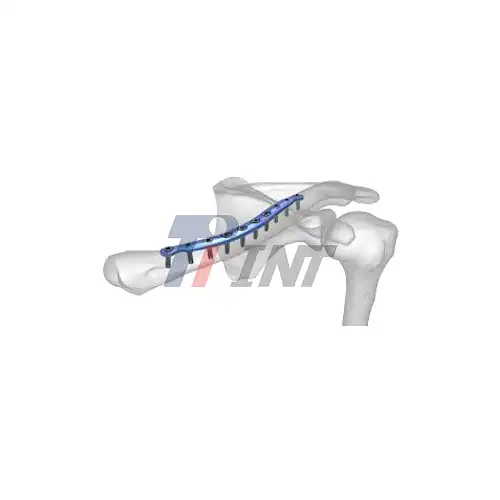
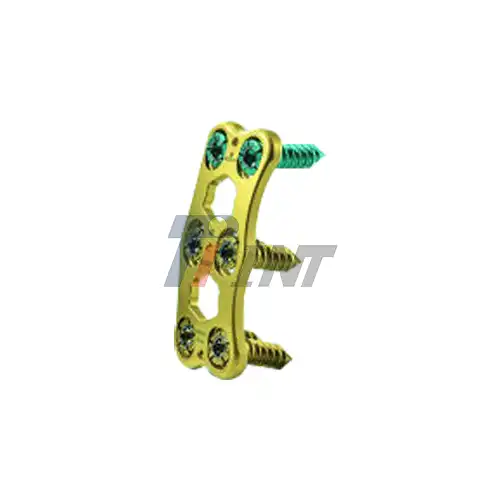
One of the essential concerns patients have around titanium plate in head is their security and how well they are associated with the human body. Titanium is famous for its remarkable biocompatibility, meaning it's well-tolerated by the human body and improbable to cause antagonistic reactions. This special property stems from titanium's capacity to shape a steady oxide layer on its surface, which acts as a defensive obstruction between the metal and encompassing tissues.
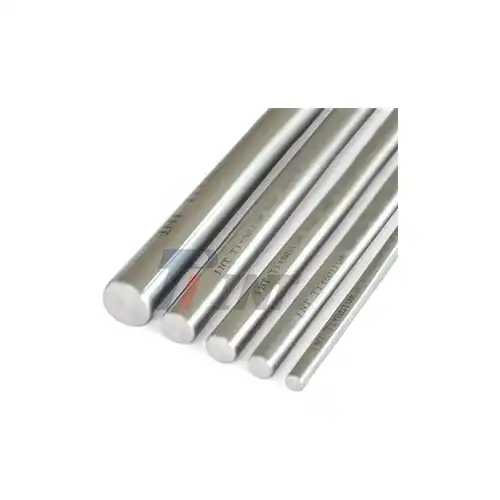
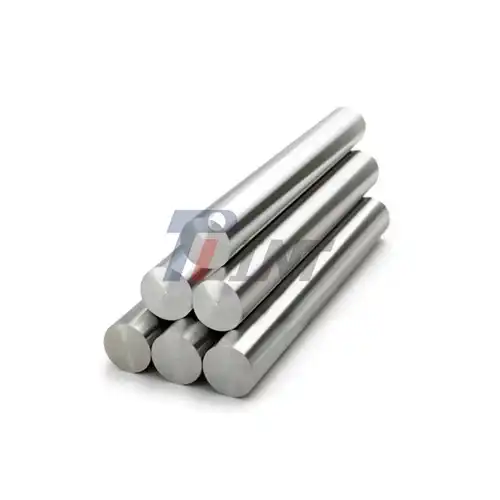
Medical-grade titanium, such as Ti6Al4V ELI (Extra Low Interstitial) alloy, is specifically designed for use in implants. This material undergoes rigorous testing and certification processes to ensure its safety and efficacy. For instance, reputable manufacturers like Baoji INT Medical Titanium Co., Ltd. ensure their products meet international standards such as ISO13485:2016 for medical device quality management systems and obtain EU CE safety certification.
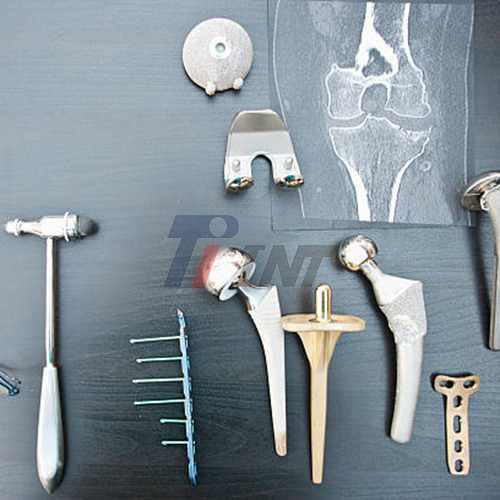
The biocompatibility of titanium plates extends beyond mere tolerance. These implants can actually promote osseointegration – the process by which bone cells attach directly to the titanium surface. This integration enhances the stability of the implant and accelerates healing, making titanium an ideal choice for orthopedic and maxillofacial surgeries.
Whereas unfavorably susceptible responses to titanium are exceedingly uncommon, they can happen in a little rate of patients. If you have a history of metal hypersensitivities, it's significant to examine this with your healthcare supplier some time recently experiencing any strategy including titanium inserts. In most cases, elective materials or specialized testing can be orchestrated to guarantee your security and consolation.
Long-Term Effects and Durability of Titanium Plates
Another common concern among patients is the long-term impact of having titanium plates in their body. Will the plates need to be removed? How long do they last? These are valid questions that deserve thorough examination. While titanium allergies are rare, patients with metal sensitivities should discuss this with their healthcare provider before surgery. In most cases, alternative materials or specialized testing can be arranged to ensure safety and comfort.
The longevity of titanium plate in head is attributed to several factors:
- Corrosion Resistance: Titanium's natural oxide layer provides superior protection against corrosion, even in the presence of bodily fluids.
- Strength-to-Weight Ratio: Titanium offers impressive strength while remaining lightweight, reducing stress on surrounding tissues.
- Fatigue Resistance: Titanium can withstand repeated stress cycles without failing, crucial for implants in dynamic environments like joints.
In most cases, titanium plates do not need to be removed unless they cause discomfort or complications arise. The decision to remove an implant is typically made on a case-by-case basis, considering factors such as the patient's age, the location of the implant, and the potential risks of removal surgery.
It's worth noting that advancements in titanium processing, such as precision die forging techniques employed by companies like INT, have further enhanced the performance and longevity of titanium implants. These sophisticated manufacturing methods allow for the creation of complex shapes with optimized mechanical properties, tailored to specific anatomical requirements.
Potential Complications and How to Mitigate Risks
Whereas titanium plate in head are, for the most part, secure and compelling, it's imperative to be mindful of potential complications and get to know how to relieve related dangers. This information engages patients to make educated choices and take proactive steps in their recuperation handle. Although titanium doesn't promote bacterial growth, surgery can introduce pathogens. To reduce infection risk, doctors follow strict sterilization protocols and may prescribe antibiotics. Patients should follow post-op care, maintain hygiene, and report infection signs promptly.
Another potential complication is implant loosening or migration. While rare, this can occur due to excessive movement during the healing process or inadequate initial fixation. To mitigate this risk, it's crucial to adhere to your surgeon's recommendations regarding activity levels and rehabilitation exercises. Advanced manufacturing techniques, such as those used by INT to produce high-precision titanium components, contribute to better-fitting implants that are less likely to loosen over time.
Some patients may experience discomfort or a sensation of cold in the area where the titanium plate is implanted, particularly in colder weather. This is due to titanium's thermal conductivity properties. While not harmful, it can be bothersome for some individuals. In most cases, this sensation diminishes over time as the body adapts to the implant.
In rare instances, patients may develop hypersensitivity to titanium, leading to inflammation or pain around the implant site. If you experience persistent discomfort or unexplained symptoms following your surgery, it's essential to consult with your healthcare provider. They can conduct tests to determine if an allergic reaction is occurring and recommend appropriate treatment options.
To further mitigate risks, ongoing research in the field of medical titanium is focused on developing enhanced surface treatments and coatings. These innovations aim to improve osseointegration, reduce the risk of infection, and minimize the body's foreign body response to implants. Staying informed about these advancements can help patients make educated decisions about their treatment options.
Conclusion
Titanium plate in head have changed the scene of therapeutic inserts, advertising a secure, solid, and biocompatible arrangement for different surgical needs. By tending to common concerns with these gadgets, we trust we have given you profitable bits of knowledge to make educated choices about your well-being. Keep in mind that each patient's circumstance is interesting, and it's pivotal to talk about any particular concerns with your healthcare supplier. They can offer personalized counsel based on your restorative history and the particulars of your case.
As innovation and fabricating forms proceed to development, we can anticipate indeed more changes in the plan and execution of titanium inserts. Companies like Baoji INT Therapeutic Titanium Co., Ltd. are at the cutting edge of these developments, ceaselessly refining their items to meet the advancing needs of patients and healthcare suppliers alike. If you're interested in learning more about medical titanium products or have specific questions about titanium plates, don't hesitate to reach out to industry experts. You can contact INT directly at export@tiint.com for more information on their range of medical titanium solutions.
_1753926673602.jpg)
_1752818317695.webp)
_1750209732185.webp)