


 2025-12-29 09:11:23


The Role of Titanium Plates in Neurosurgical Procedures
Titanium plates have revolutionized the field of neurosurgery, advertising a bunch of preferences for both specialists and patients. These biocompatible inserts are utilized to repair cranial abductions, secure bone folds, and give auxiliary back amid the recuperating process. The utilization of titanium in restorative applications has increased exponentially due to its one-of-a-kind properties, inclouding quality, quality, and compatibility with the human body.
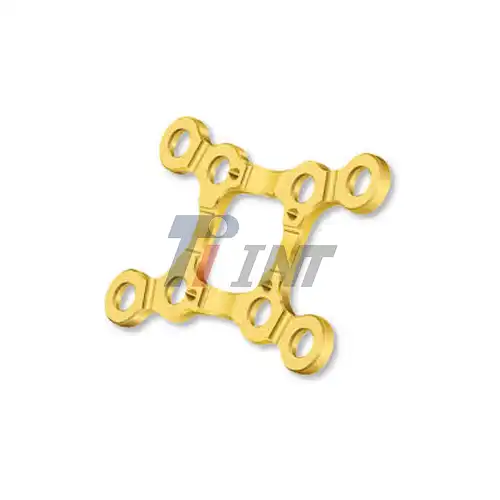
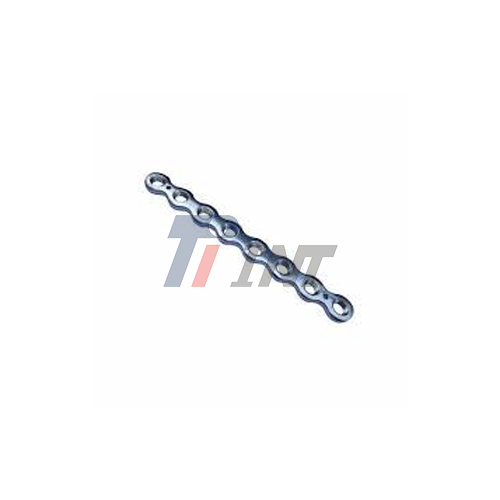
Neurosurgeons rely on titanium plates to reconstruct the skull after procedures such as tumor removal, trauma repair, or decompressive craniectomy. These plates serve as a protective barrier for the brain, ensuring that the delicate neural tissue remains safeguarded during the recovery period. The malleability of titanium allows surgeons to shape the plates to fit the contours of each patient's skull, resulting in a custom fit that promotes optimal healing and aesthetic outcomes.
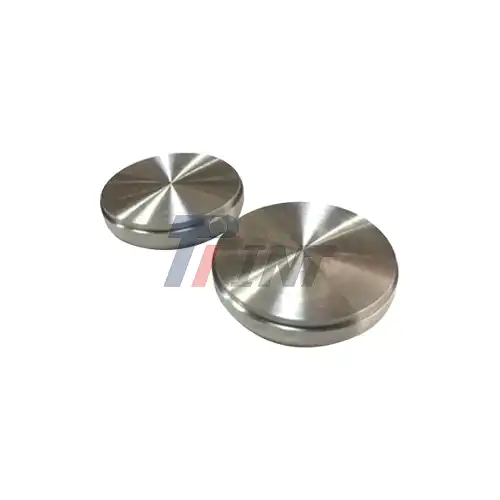
One of the key advantages of titanium plate for brain surgery is their ability to integrate with the surrounding bone tissue. This handle, known as osseointegration, makes a solid bond between the embed and the cranium, giving long-term soundness and decreasing the chance of complications. The biocompatibility of titanium too minimizes the chances of unfavorable responses or dismissal by the body, making it a perfect fabric for cranial inserts.
Advancements in Titanium Plate Technology for Enhanced Recovery
As medical technology continues to evolve, so do the designs and applications of titanium plate for brain surgery. Researchers and manufacturers are constantly developing innovative solutions to improve patient outcomes and streamline surgical procedures. Some of the recent advancements in titanium plate technology include:
- 3D-printed custom implants: Using advanced imaging techniques and 3D printing technology, surgeons can now create patient-specific titanium plates that perfectly match the individual's skull anatomy. This personalized approach enhances fit, reduces surgery time, and improves overall results.
- Porous titanium designs: New manufacturing techniques allow for the creation of porous titanium plates, which promote better tissue integration and reduce the risk of implant-related complications. These designs mimic the structure of natural bone, facilitating faster healing and improved long-term stability.
- Antibiotic-coated implants: To further reduce the risk of post-operative infections, some titanium plates are now coated with antimicrobial agents. These specialized coatings help prevent bacterial colonization on the implant surface, enhancing patient safety and recovery outcomes.
- Low-profile designs: Advancements in titanium plate manufacturing have led to the development of ultra-thin, low-profile implants that provide excellent protection while minimizing cosmetic concerns. These sleek designs are particularly beneficial for patients undergoing cranial reconstruction in visible areas.
The continuous improvement of titanium plate technology has significantly enhanced the recovery process for brain surgery patients. By combining the inherent benefits of titanium with cutting-edge design and manufacturing techniques, medical professionals can offer more effective and less invasive solutions for cranial reconstruction.
Patient Benefits and Long-term Outcomes with Titanium Plates
The use of titanium plate for brain surgery offers numerous benefits to patients, both in the immediate post-operative period and in the long term. Some of the key advantages include:
- Enhanced protection: Titanium plates provide a robust barrier that safeguards the brain from external impacts and helps maintain intracranial pressure, reducing the risk of complications during recovery.
- Improved healing: The biocompatibility of titanium promotes faster wound healing and reduces the likelihood of infections or adverse reactions at the surgical site.
- Reduced recovery time: With the support of titanium plates, patients often experience shorter hospital stays and quicker returns to normal activities compared to traditional methods of skull reconstruction.
- Minimized cosmetic concerns: Modern titanium plate designs are low-profile and can be customized to match the patient's skull contours, resulting in improved aesthetic outcomes and boosted self-confidence.
- Long-lasting durability: Titanium plates are highly resistant to corrosion and wear, ensuring long-term stability and reducing the need for revision surgeries in most cases.
- Compatibility with imaging technologies: Unlike some other metals, titanium does not interfere significantly with MRI or CT scans, allowing for easier post-operative monitoring and follow-up care.
The long-term outcomes for patients who receive titanium plates during brain surgery are generally positive. Numerous people report improved quality of life, decreased uneasiness, almost potential brain wounds, and a sense of regularity as they recuperate from their methods. The durability and biocompatibility of titanium implants mean that most patients can expect their cranial reconstruction to last a lifetime, barring any unforeseen complications or the need for additional surgeries.
It's critical to note that whereas titanium plates offer noteworthy benefits, the by and large victory of brain surgery recuperation depends on different variables, counting the nature of the basic condition, the ability of the surgical group, and the patient's general well-being and adherence to post-operative care enlightening. Standard follow-up arrangements and keeping up open communication with healthcare suppliers are significant for checking advance and tending to any concerns that may emerge amid the recuperation process.
Conclusion
Titanium plate for brain surgery has become irreplaceable devices in the field of neurosurgery, advertising unparalleled security, back, and recuperating potential for patients experiencing cranial methods. As innovation proceeds to progress, we can anticipate indeed more imaginative applications and changes in titanium plate plans, encouraging upgrading quiet results and quality of life.
For those interested in learning more about medical titanium products, including titanium plates for brain surgery and other applications, Baoji INT Medical Titanium Co., Ltd. offers a comprehensive range of high-quality titanium materials. With over 30 years of experience in the inquiry, advancement, and generation of titanium items, INT gives cutting-edge arrangements for the therapeutic field and beyond. To explore their offerings or discuss specific requirements, contact them at export@tiint.com.
_1751958555199.webp)
_1751957234428.webp)
_1750662309903.webp)