
Common Questions About Titanium Plates in Legs Answered


 2025-12-24 09:30:44
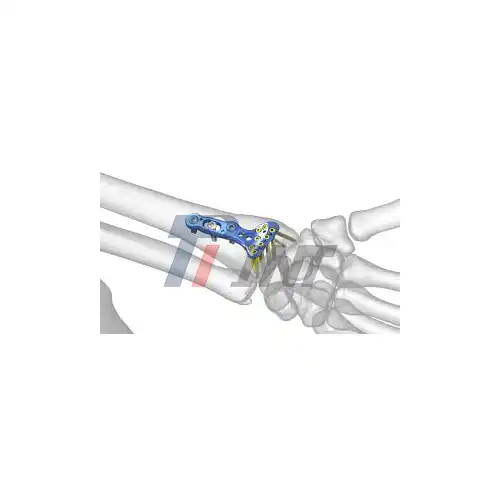
When it comes to orthopedic surgery, titanium plates have become an indispensable tool in treating various leg injuries and conditions. The use of a titanium plate in leg procedures has revolutionized the way medical professionals approach fracture fixation and bone reconstruction. In this comprehensive guide, we'll address some of the most common questions about titanium plates in legs, providing you with valuable insights into this crucial medical technology.
|
|
|


What Are Titanium Plates and How Are They Used in Leg Surgeries?
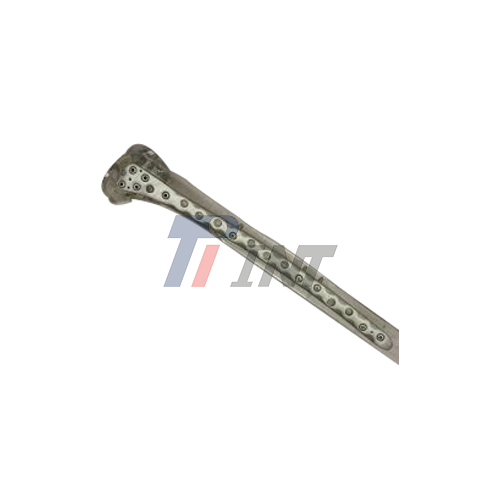
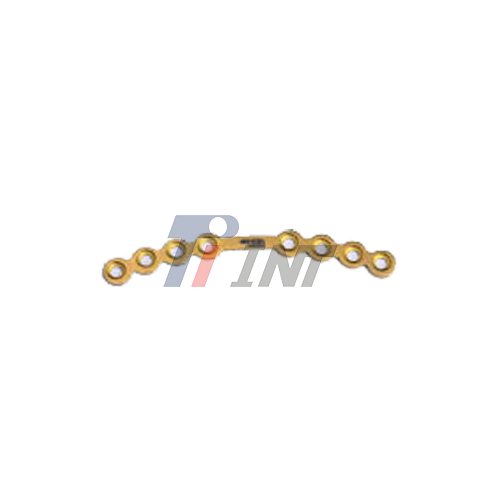
Titanium plates are medical devices used in orthopedic surgeries to stabilize fractured bones or support bone reconstruction. These plates are typically made from high-grade titanium alloys, such as Ti6Al4V ELI (Extra Low Interstitial), which offer exceptional strength, biocompatibility, and corrosion resistance.
In leg surgeries, titanium plates serve several purposes:
- Fracture fixation: Titanium plates are used to hold broken bones in place, allowing them to heal properly.
- Osteotomy support: During corrective procedures, plates can help maintain the new bone alignment.
- Joint fusion: In cases where joint mobility needs to be limited, titanium plates can be used to fuse bones together.
- Bone reconstruction: For patients with bone defects or after tumor removal, plates can provide structural support during the healing process.
The versatility of titanium plates makes them suitable for various leg surgeries, including those involving the femur, tibia, fibula, and ankle bones. Surgeons can choose from a wide range of plate designs, sizes, and thicknesses to best suit the specific needs of each patient and procedure.
What Are the Benefits and Potential Risks of Having a Titanium Plate in Your Leg?
The use of titanium plate in leg surgeries offers numerous benefits, but like any medical procedure, it also comes with potential risks. Understanding both can help patients make informed decisions and set realistic expectations for their recovery.
Benefits of Titanium Plates
- Biocompatibility: Titanium is well-tolerated by the human body, reducing the risk of allergic reactions or rejection.
- Strength and durability: Titanium plates provide robust support for healing bones without adding significant weight.
- Corrosion resistance: Unlike some other metals, titanium resists corrosion when exposed to bodily fluids, ensuring long-term stability.
- Osseointegration: Titanium has the unique ability to integrate with bone tissue, promoting stronger healing and reducing the risk of implant loosening.
- MRI compatibility: Titanium plates are non-ferromagnetic, allowing patients to safely undergo MRI scans after surgery.
- Faster recovery: The stability provided by titanium plates can lead to quicker healing times and earlier mobilization for patients.
Potential Risks and Complications
- Infection: As with any surgical procedure, there's a risk of infection at the surgical site.
- Hardware failure: Although rare, plates can potentially break or loosen, especially if subjected to excessive stress before complete healing.
- Nerve or blood vessel damage: During plate placement, there's a small risk of injury to surrounding nerves or blood vessels.
- Cold sensitivity: Some patients may experience increased sensitivity to cold temperatures in the area where the plate is located.
- Stress shielding: In some cases, the presence of a rigid plate can lead to bone weakening due to reduced stress on the bone.
- Need for removal: Occasionally, plates may need to be removed due to discomfort or other complications, requiring additional surgery.
How Long Does Recovery Take After Surgery with a Titanium Plate in the Leg?
Recovery time after surgery involving a titanium plate in leg can vary significantly depending on several factors, including the specific procedure performed, the location and severity of the injury, and the patient's overall health and adherence to post-operative instructions.
General Recovery Timeline
- Immediate post-operative period (1-3 days): Patients typically remain in the hospital for monitoring and initial pain management.
- Early recovery (2-6 weeks): This phase involves rest, elevation of the affected limb, and gradual introduction of gentle exercises as directed by the healthcare team.
- Intermediate recovery (6-12 weeks): Patients often begin more intensive physical therapy and may start bearing weight on the affected leg, depending on the surgeon's recommendations.
- Advanced recovery (3-6 months): Most patients can resume many normal activities, although high-impact sports or heavy lifting may still be restricted.
- Full recovery (6-12 months): Complete healing and return to all pre-injury activities typically occur within this timeframe, though some patients may continue to see improvements for up to 18 months post-surgery.
Factors Affecting Recovery Time
Several factors can influence the recovery process after receiving a titanium plate in leg:
- Age: Younger patients generally heal faster than older individuals.
- Overall health: Conditions like diabetes or autoimmune disorders can slow healing.
- Smoking status: Smoking can significantly impair bone healing and increase complication risks.
- Nutritional status: Proper nutrition, especially adequate protein and vitamin intake, is crucial for optimal healing.
- Compliance with post-operative instructions: Following the surgeon's guidance regarding activity levels, wound care, and physical therapy is essential for a smooth recovery.
- Complexity of the surgery: More extensive procedures may require longer recovery periods.
- Bone quality: Patients with osteoporosis or other bone density issues may need additional time for healing.
Long-Term Considerations
While many patients experience successful outcomes with titanium plates in their legs, it's important to be aware of some long-term considerations:
- Plate removal: In some cases, surgeons may recommend removing the titanium plate after the bone has fully healed, typically 12-18 months post-surgery. This decision is based on factors such as the patient's age, activity level, and the presence of any discomfort or complications.
- Ongoing strengthening: Even after full recovery, patients may benefit from continued strength training and flexibility exercises to maintain optimal function of the affected leg.
- Regular check-ups: Periodic follow-up appointments with the orthopedic surgeon can help monitor the long-term success of the procedure and address any concerns that may arise.
- Lifestyle adjustments: Some patients may need to make permanent changes to their activities or exercise routines to protect the repaired area and prevent future injuries.
Conclusion
Titanium plates have revolutionized the treatment of leg injuries and conditions, offering patients improved outcomes and faster recovery times. By understanding the benefits, risks, and recovery process associated with titanium plate implantation, patients can make informed decisions about their care and actively participate in their rehabilitation.
As medical technology continues to advance, we can expect further improvements in titanium plate design and surgical techniques, potentially leading to even better outcomes for patients. If you're considering surgery involving a titanium plate in leg or have additional questions about this medical technology, it's essential to consult with a qualified orthopedic surgeon who can provide personalized advice based on your specific situation.
For more information about high-quality medical titanium products, including plates, rods, and other implantable devices, please don't hesitate to contact the experts at Baoji INT Medical Titanium Co., Ltd. Our team is dedicated to providing cutting-edge titanium solutions for the medical field. You can reach us at export@tiint.com to learn more about our products and how they can benefit your medical practice or facility.
References
1. American Academy of Orthopaedic Surgeons. (2021). Internal Fixation for Fractures. Retrieved from https://orthoinfo.aaos.org/en/treatment/internal-fixation-for-fractures/
2. Prasad, K., Bazaka, O., Chua, M., Rochford, M., Fedrick, L., Spoor, J., ... & Bazaka, K. (2017). Metallic biomaterials: Current challenges and opportunities. Materials, 10(8), 884.
3. Elias, C. N., Lima, J. H. C., Valiev, R., & Meyers, M. A. (2008). Biomedical applications of titanium and its alloys. JOM, 60(3), 46-49.
4. Uhthoff, H. K., Poitras, P., & Backman, D. S. (2006). Internal plate fixation of fractures: short history and recent developments. Journal of orthopaedic science, 11(2), 118-126.
5. Niinomi, M. (2008). Mechanical biocompatibilities of titanium alloys for biomedical applications. Journal of the mechanical behavior of biomedical materials, 1(1), 30-42.
_1753859685128.webp)
_1753427753918.webp)