What Activities to Avoid with a Titanium Plate?


 2025-12-25 09:13:44
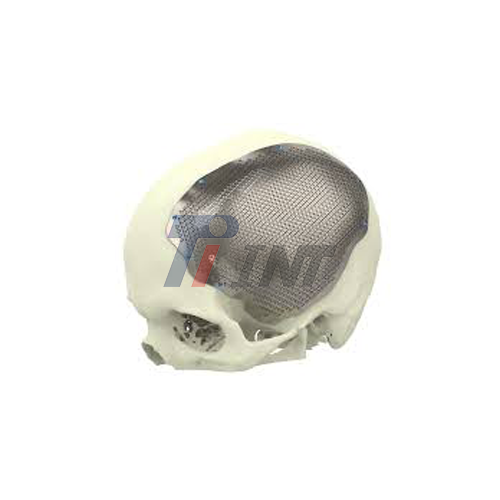
If you've recently experienced brain surgery and had a titanium plate inserted, you might be pondering almost the dos and don'ts of your recuperation handle. A titanium plate head after brain surgery is a pivotal component in your recuperating journey, and understanding how to care for it appropriately is basic for a smooth recuperation. In this comprehensive guide, we'll investigate the activities you ought to dodge and give important insights to help you explore this critical stage of your life.
|
|
|

Understanding Your Titanium Plate: A Brief Overview
Before diving into the exercises to dodge, it's imperative to grasp the reason and work of your titanium plate. Neurosurgeons regularly use titanium plates to ensure the brain and back the cranium after certain types of brain surgery. These plates are biocompatible, meaning they're outlined to coordinate consistently with your body without causing antagonistic responses.
Titanium plates are eminent for their solidness, strength, and lightweight properties. They play an essential part in keeping up the auxiliary judgment of your skull while your body mends. In any case, in spite of their versatility, it's vital to take certain precautions to guarantee ideal recuperation and avoid complications.
Activities to Avoid with a Titanium Plate Head After Brain Surgery
Your recovery period is a delicate time, and it's essential to be mindful of your activities to protect your titanium plate head after brain surgery and promote healing. Here are some key activities to avoid:
High-Impact Physical Activities
After brain surgery with a titanium plate, it's imperative to steer clear of high-impact physical activities, especially during the initial recovery phase. These activities can put undue stress on your skull and the titanium plate, potentially compromising your healing process. Some activities to avoid include:
- Contact sports (e.g., football, rugby, boxing)
- Intense workouts or weightlifting
- Jumping or activities with sudden, jarring movements
- Roller coasters or other amusement park rides
Exposure to Extreme Temperatures
While titanium is known for its thermal stability, it's advisable to avoid exposing your titanium plate to extreme temperatures, especially during the initial recovery period. This precaution helps prevent potential discomfort or complications. Activities to avoid include:
- Prolonged sun exposure without proper head protection
- Using saunas or steam rooms
- Applying hot or cold packs directly to the surgical site
- Engaging in activities that may cause excessive sweating
Activities That Risk Head Trauma
Protecting your head from potential trauma is paramount after brain surgery with a titanium plate. Even minor impacts can have significant consequences during your recovery period. Be mindful of activities that may put you at risk of head injuries, such as:
- Riding a bicycle without a helmet
- Participating in activities with a high risk of falls (e.g., skateboarding, skiing)
- Operating heavy machinery or power tools
- Engaging in activities that may result in head collisions
Additional Considerations for Titanium Plate Care
While avoiding certain activities is essential, there are other aspects of care to keep in mind for optimal recovery with your titanium plate head after brain surgery:
Wound Care and Hygiene
Proper wound care is crucial for preventing infections and promoting healing. Follow your surgeon's instructions meticulously regarding cleaning and caring for the incision site. Some general guidelines include:
- Keeping the incision area clean and dry
- Avoiding swimming or submerging your head underwater until cleared by your doctor
- Being gentle when washing your hair, using lukewarm water and mild shampoo
- Refraining from scratching or picking at the incision site
Diet and Nutrition
A balanced diet plays a crucial role in your recovery process. Focus on nutrient-rich foods that support healing and overall health. Some dietary considerations include:
- Consuming adequate protein to support tissue repair
- Incorporating fruits and vegetables rich in vitamins and antioxidants
- Staying hydrated by drinking plenty of water
- Avoiding alcohol and limiting caffeine intake
Mental Health and Stress Management
Recovery from brain surgery can be emotionally challenging. It's essential to prioritize your mental health and manage stress effectively. Consider the following strategies:
- Engaging in relaxation techniques such as deep breathing or meditation
- Participating in support groups for individuals with similar experiences
- Seeking professional counseling or therapy if needed
- Maintaining open communication with your healthcare team about any concerns or anxieties
Long-Term Considerations for Living with a Titanium Plate
As you progress in your recovery, it's important to consider long-term aspects of living with a titanium plate head after brain surgery:
Follow-Up Appointments
Regular follow-up appointments with your neurosurgeon are crucial for monitoring your progress and addressing any concerns. These appointments may include:
- Imaging studies to assess the titanium plate's position and integration
- Neurological examinations to evaluate your recovery
- Discussions about gradually reintroducing activities into your routine
Travel Considerations
Having a titanium plate may affect your travel experiences, particularly when going through airport security. Some tips for traveling with a titanium plate include:
- Carrying documentation from your surgeon explaining your medical condition
- Informing security personnel about your titanium plate before screenings
- Being prepared for additional screening procedures if necessary
Ongoing Monitoring and Adaptations
As you continue to live with your titanium plate, be mindful of any changes or new symptoms. Stay vigilant and report any concerns to your healthcare provider. Some considerations include:
- Being aware of any new headaches or changes in sensation around the surgical site
- Monitoring for any signs of infection, even years after the surgery
- Discussing any plans for future medical procedures or imaging studies with your healthcare team
Conclusion
Living with a titanium plate head after brain surgery requires careful consideration and adherence to certain precautions. By avoiding high-impact activities, protecting yourself from potential head trauma, and being mindful of temperature extremes, you can significantly contribute to your recovery and long-term well-being. Remember that each person's recovery journey is unique, and it's essential to work closely with your healthcare team to develop a personalized plan that suits your specific needs and circumstances.
If you have any questions about titanium plates or other medical titanium products, don't hesitate to reach out to us at export@tiint.com. Our team of experts is dedicated to providing high-quality medical titanium materials and would be happy to assist you with any inquiries.
References
1. Teo, E. C., & Lee, E. H. (2019). Surgical Considerations and Outcomes of Cranioplasty. World Neurosurgery, 125, e1007-e1012.
2. Zanaty, M., et al. (2015). Complications following cranioplasty: incidence and predictors in 348 cases. Journal of Neurosurgery, 123(1), 182-188.
3. Wachter, D., et al. (2013). Cranioplasty after decompressive hemicraniectomy: Underestimated surgery-associated complications? Clinical Neurology and Neurosurgery, 115(8), 1293-1297.
4. Piitulainen, J. M., et al. (2015). Outcomes of cranioplasty with synthetic materials and autologous bone grafts. World Neurosurgery, 83(5), 708-714.
5. Shah, A. M., et al. (2014). Cranioplasty after decompressive craniectomy: A single centre experience. Indian Journal of Neurotrauma, 11(1), 45-49.
_1751956503238.webp)