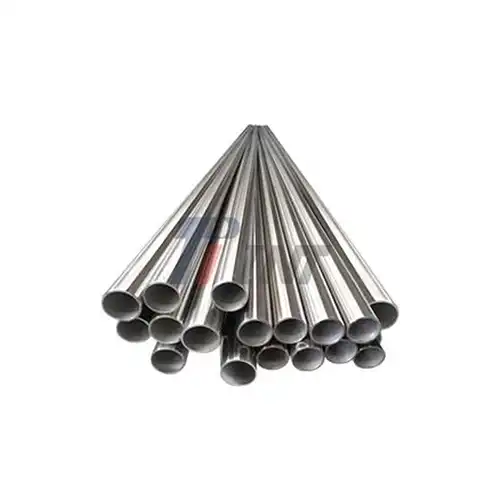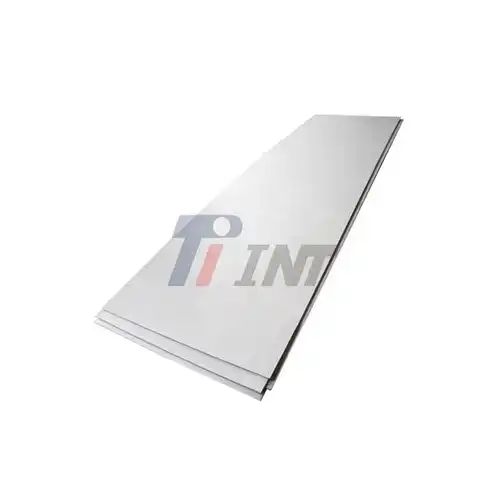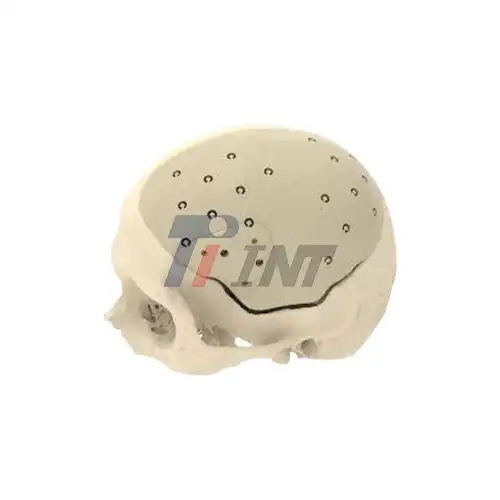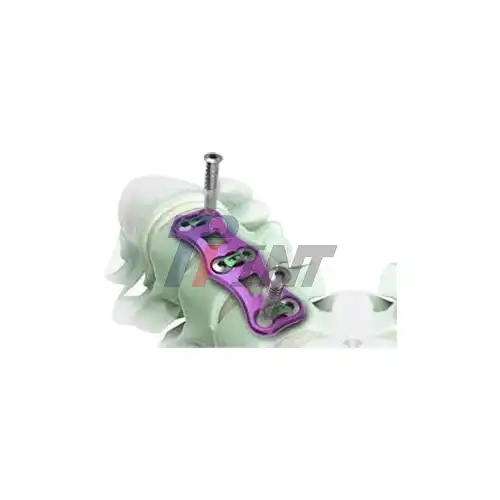

How strong is a titanium sheet?


 2026-07-17 08:45:29
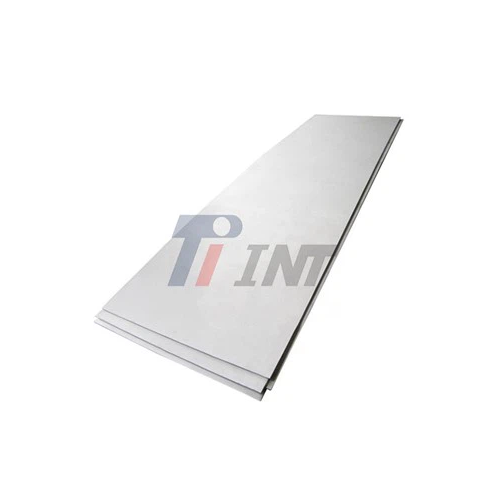
A very important question comes up when looking at materials for making medical devices: How strong is a titanium sheet? The answer varies on the grade and the width a lot. The tensile strength of a titanium sheet 2mm in thickness ranges from 345 MPa (Grade 2) to over 895 MPa (Grade 5 Ti6Al4V), and it is also very rust resistant and biocompatible. Because of this, 2mm titanium sheets are perfect for medical tools, orthopaedic implants, and dental tools that need to be strong, last a long time, and keep patients safe.
|
|
|
Understanding the Strength and Properties of 2mm Titanium Sheets
The performance of 2mm titanium sheets has a direct effect on how well they work in medical uses that are very demanding. Knowing about these qualities helps buying managers choose materials in a smart way.
Common Titanium Grades and Their Specifications
Usually, there are three main types of medical-grade titanium sheets. Grade 1 titanium is commercially pure and has the lowest strength. It is also the most flexible, so it can be used for things that need to be shaped a lot. Grade 2, which is also commercially pure, has a mild strength and great corrosion protection and weldability. This grade is used in a lot of medical devices because it works so well. Grade 5 (Ti6Al4V ELI) is made of aluminium and vanadium alloys, which give it strength close to that of some steels while keeping titanium's light weight. Grade 2 meets ASTM B265 standards, Grade 5 meets ASTM F136 standards, and each grade meets its own set of ASTM standards.
Mechanical Properties: Tensile Strength and Yield Strength
A titanium sheet 2mm thick has amazing mechanical properties. Tensile strength for Grade 2 titanium is between 345 and 480 MPa, and yield strength is around 275 MPa. This is strong enough for most medical tool housings and dental frameworks. The tensile strength of Grade 5 titanium metal is between 895 and 930 MPa, and the yield strength is close to 828 MPa.
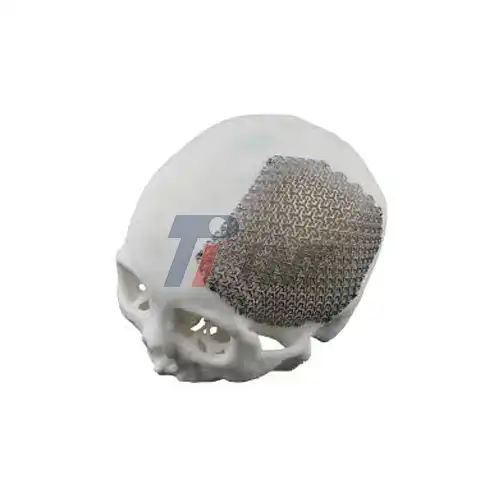
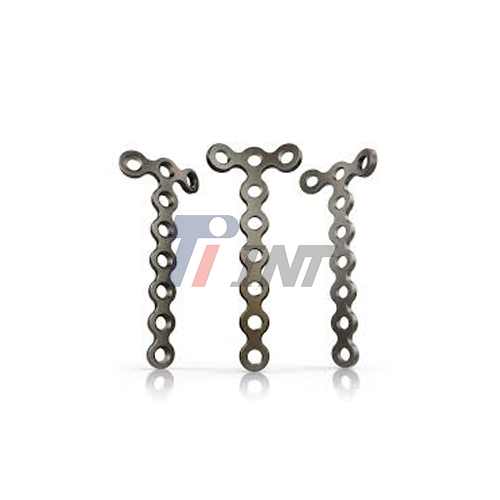
This makes Grade 5 a strong option to stainless steel for parts that are put under a lot of stress, like spine fixation devices and orthopaedic plate systems. The 2mm thickness is just the right amount of thickness—it's thick enough to not bend under surgery loads but thin enough for weight-sensitive implanted uses.
Corrosion Resistance and Biocompatibility Advantages
Titanium's oxide layer forms quickly when it comes into contact with air. It acts as a passive barrier that prevents corrosion in body fluids, salty surroundings, and harsh chemical sterilisation methods. This corrosion protection is much higher than medical stainless steel (316L), especially in places with a lot of chloride. Manufacturers of medical devices gain from longer product life and fewer failures. Titanium grades used in 2mm sheets are biocompatible, which means they cause little tissue reaction, less inflammation, and great osseointegration for implants that touch bone. These are important factors for FDA and CE approval routes.
Thickness Tolerances and Weight Calculations
For 2mm titanium sheets, the normal thickness tolerances are usually within ±0.1mm. However, medical-grade sheets that are precision-rolled can get tolerances of ±0.05mm. Figuring out weights is important for managing goods and shipping. Due to the density of the metal, Grade 2 titanium sheet 2mm weighs about 8.8 kg per square metre and Grade 5 weighs about 8.9 kg per square metre. These calculations make it possible to get correct costs for materials and help R&D engineers guess how heavy the end device will be during the design process.
Comparing Titanium Sheet 2mm with Other Metal Sheets
To choose the right material, titanium sheet 2mm needs to be compared to other metals that are often thought of for making medical devices.
Titanium versus Stainless Steel: Strength-to-Weight Ratio
Stainless steel 316L has a higher pure tensile strength (515–620 MPa) than Grade 2 titanium. However, when weight is taken into account, the ratio changes a lot. The strength-to-weight ratio of titanium sheet 2mm is better than that of steel because it is about 60% as strong as steel but only 43% as heavy. This benefit is very important for handheld surgical tools because surgeon tiredness directly impacts the result of the operation. During an eight-hour surgery, the difference in weight between titanium and steel tools has a real effect on how well doctors do their jobs and how safe patients are.
Lightweight Benefits Compared to Aluminum Alloys
Another light option is aluminium alloys, which weigh about 2.7 kg per square metre at a width of 2mm. However, aluminium isn't biocompatible enough to be used in implants, and because it's not very strong (its average tensile strength is around 310 MPa for medical-grade aluminium), it can only be used for non-load-bearing external parts. Titanium sheets are somewhat lighter than other materials, but they are also much stronger and biocompatible, which makes the higher cost worth it for important medical uses.
Cost-Performance Considerations for Procurement
Titanium costs about 3–5 times as much per kilogram as stainless steel and 8–12 times as much as aluminium because of the cost of its raw materials. Total cost of ownership estimates, on the other hand, show a different picture. Titanium doesn't need to be coated because it doesn't corrode, it doesn't need to be tested by regulators because it doesn't affect living things, and it's strong enough that lighter-gauge designs can be used, which uses less material overall. When purchasing managers look at multi-year supply deals, they should take these long-term cost benefits into account along with the original material prices.
Cutting and Handling Titanium Sheet 2mm Efficiently
When titanium sheets are made correctly, the qualities of the material that make them useful for medical uses are kept.
Recommended Cutting Methods for Precision
Laser cutting is the most accurate way to cut complicated shapes because it keeps tolerances very tight and reduces the number of heat-affected zones that could change the qualities of the material. When cutting thicker pieces or when heat input needs to be totally removed, water jet cutting is a great option. Shearing is a good way to make straight cuts in 2mm titanium sheets, but the edges need to be finished afterward to get a good finish. Plasma cutting is faster, but it creates bigger kerf widths and more heat, which is fine for non-critical parts but needs careful process control for medical device parts.
Maintaining Structural Integrity During Processing
Because titanium work-hardens in certain ways, it needs to be handled in a certain way. Cutting tools need to be kept sharp. Blades that are too dull generate too much heat, which hardens the material and makes it harder to work with in the future. With the right amount of lubricants to get rid of heat, cutting speeds should be 40 to 50 percent slower than similar tasks done with stainless steel. It is very important to keep titanium clean, because at high temperatures it easily takes oxygen, nitrogen, and hydrogen, which could weaken its mechanical qualities and resistance to corrosion. Material quality is protected by clean cutting areas and the right choice of tools.
Best Practices for Post-Cutting Quality Control
After cutting, an eye check should be done to make sure the edges are good and there are no microcracks. Checking the surface sharpness makes sure that the sides meet the requirements for the next step, which could be welding or putting things together. Dimensional proof shows that the item hasn't been warped beyond what is acceptable due to heat effects. Before moving on to the next step, cleaning methods must get rid of any cutting fluid residue or surface contamination. These steps in quality control stop problems from happening later on and make sure that the finished medical gadget meets all the rules set by the government.
Procurement Essentials for Titanium Sheet 2mm
To get around in the titanium supply chain, you need to know how the market works and what suppliers can do with medical-grade materials, and titanium sheet 2mm is a key specification that often comes up when evaluating processing capabilities and stock availability.
Identifying Reputable Suppliers in Global Markets
The United States has a number of well-known titanium providers that work with medical devices. Lead times and minimum order sizes vary a lot, though. When evaluating providers, it's important to check their certifications, such as ISO 13485 for medical device quality control systems, ASTM compliance for material standards, and, if necessary, FDA registration. Professional sellers are different from product providers because they have material tracking documents like mill test records, heat lot numbers, and certificates of conformance. Suppliers with their own testing facilities and a history of working with medical devices show that they have the technical depth needed for tough jobs.
Certification Standards and Compliance Verification
Medical device makers have to follow strict rules set by the government, which affects producers of materials. Titanium used in medical implants must meet the ASTM F67 and F136 standards. ISO 5832 gives European standards that are the same. Suppliers should provide full material tracking, including chemistry records that confirm the composition, mechanical test results that confirm the strength qualities, and measures of the surface finish. Third-party testing confirmation from approved labs gives you even more peace of mind. An important but often ignored factor in the buying process is the supplier's audit readiness, or their ability to support FDA or CE audits by the customer.
Pricing Analysis and Bulk Order Advantages
The price of 2mm thick Grade 2 titanium sheet in small amounts is usually between $35 and $50 per kilogram, but for sales over 500 kilograms, the price drops to $28 to $38 per kilogram. Prices for Grade 5 are usually 15–25% higher than prices for Grade 2. Lead times range from 4 to 6 weeks for normal mill runs to 8 to 12 weeks for orders that are made to unique needs. Different providers have different minimum order amounts. Some accept 50-kilogram orders, while others need 250–500 kilograms at the very least. Blanket purchase orders with planned releases help balance the costs of keeping goods with the benefits of buying in bulk.
Custom Cutting Services and Wholesale Options
A lot of providers offer extra services that make their products more valuable, like custom cutting to specific sizes, surface finishing, and packing that meets the needs of cleanroom receiving. These services lower the costs of working inside the company and speed up the time it takes to bring new gadget designs to market. OEM makers can benefit from wholesale buying when they can predict how much they will need. Long-term supply deals often secure better prices and sure allocation during market shortages. To decide whether to buy precision-cut blocks or full sheets to cut in-house, you need to compare the prices of the supplier's services with your own ability to do the work.
Why Choose Baoji INT Medical Titanium Co., Ltd. for Your Titanium Sheet Needs
When choosing a material provider, it's not enough just to look at price sheets; the quality of the relationship has a direct effect on how well products are developed and how efficiently they are made, and specifying titanium sheet 2mm early in the discussion helps align technical expectations and production timelines.
Our business has been working with titanium for more than 30 years, and most of that time has been spent on medical uses. As a company that has worked with medical device makers since 2003, we know the specific needs of making surgical implants, oral instruments, and orthopaedic devices. Our knowledge of the materials helps customers choose the right grade, make processing suggestions, and meet regulatory paperwork needs that speed up product approvals.
The medical specifications for the titanium sheets we sell are very broad. Commercially pure Grade 2 titanium sheets meet ASTM B265 standards and come with full proof of their origin. Our Grade 5 Ti6Al4V ELI sheets are made according to ASTM F136 standards and are designed to work well with medical implants because they have very little interstitial material. Before they are put into inventory, all materials go through a thorough checking process that checks their chemistry, puts them through mechanical tests, and looks at their surface quality.
Quality approvals show that we follow the rules for making medical devices. Our production methods are controlled by ISO 13485:2016 medical device quality management system approval, which makes sure that everything is consistent and can be tracked. For efforts to keep getting better, ISO 9001:2015 is the standard to follow. EU CE approval proves that we follow European rules for medical devices, which makes it easier for customers who sell to other countries to get our products.
Our service is unique because we can do custom processes. We offer precise cutting of titanium sheet 2mm to your specs, which will cut down on the work you have to do in-house and the waste of materials. Surface finishing methods, such as cleaning, sanding, and passivation, get materials ready to be used right away in the assembly of medical devices. Our expert team works with your R&D engineers to help them choose the right materials and give advice on how to make the grades work best for each application.
Building connections with customers that last for decades proves that we can be trusted. Long-term relationships with companies that make orthopaedic implants, dental devices, and surgery instruments show that we can help businesses grow from the development of prototypes to high-volume production. In a field where supply chain problems can have a direct effect on patient care, our on-time delivery and quick technical help have won us loyal customers.
Conclusion
A titanium sheet is very strong, especially when it is 2mm thick, which is the standard. This makes it the best material for medical devices that need to be biocompatible, resistant to rust, and have good strength-to-weight properties. When it comes to surgical tools and dental frames, Grade 2 titanium sheets work reliably, and Grade 5 titanium alloy sheets make them stronger for load-bearing orthopaedic implants.
When making a procurement choice, it's important to weigh the costs of materials against their benefits over time, the need to follow regulations, and the quality of the supplier relationship. Knowing the right way to cut titanium sheets, how to handle them, and how to check their quality will help make sure that their great features are used to make medical devices that work well, and titanium sheet 2mm is a common thickness that directly influences cutting parameters, handling procedures, and inspection criteria in this process.
FAQ
What grade of titanium sheet works best for orthopedic implants?
Grade 5 Ti6Al4V ELI (Extra Low Interstitial) is the best material for load-bearing orthopaedic devices like spine fixation plates, hip stems, and knee components. The ELI label means that the material has less oxygen and iron than normal Grade 5 material, which makes it more flexible and biocompatible. This grade meets the ASTM F136 standards, which are written especially for surgery implants.
Can standard metalworking equipment cut titanium sheet 2mm?
With the right changes, standard tools can cut 2mm titanium sheets. Blade speeds should be slowed down to 40–50% of the speed at which steel is cut, and carbide or high-speed steel tools must be very sharp. Work hardening and tool wear can be avoided by using the right amount of cooling and oil. Laser and water jet systems don't need any changes other than setting tweaks.
How does titanium sheet corrosion resistance compare to 316L stainless steel?
Titanium is better at resisting rusting in chloride settings, body fluids, and oxidising situations. The inactive titanium oxide layer forms on its own and fixes itself if it gets broken. It protects better than the chromium oxide layer in 316L stainless steel. This benefit is especially important for long-term implantable devices that are subject to body environments.
Partner with Baoji INT Medical Titanium Co., Ltd. for Medical-Grade Titanium Sheet Solutions
If you buy titanium sheet 2mm from a trustworthy seller, getting materials will no longer be a hassle but a strategic benefit. Baoji INT Medical Titanium Co., Ltd. has been making titanium products for 30 years and focuses on medical device usage. This makes us the best company to buy titanium sheet 2mm from. Our wide range of materials, from commercially pure Grade 2 to high-strength Grade 5 Ti6Al4V ELI, can be used for a wide range of purposes, including medical tools, orthopaedic implants, and dental devices. Each sheet has all the tracking paperwork you need to meet FDA or CE certification standards.
Our expert support team helps with choosing materials, making suggestions for processing, and following standards for quality assurance. Custom cutting services give you precisely cut pieces that are made to your exact specs. This cuts down on waste and speeds up the production process. Get in touch with export@tiint.com right away to talk about your titanium sheet needs, get material specs, or set up orders of samples. Visit inttitanium.com to explore our complete medical titanium product portfolio and discover how our ISO 13485-certified manufacturing can help you reach your goals for gadget creation.
References
1. American Society for Testing and Materials. "ASTM F136-13: Standard Specification for Wrought Titanium-6Aluminum-4Vanadium ELI Alloy for Surgical Implant Applications." ASTM International, 2013.
2. Donachie, Matthew J. "Titanium: A Technical Guide, 2nd Edition." ASM International, Materials Park, Ohio, 2000.
3. International Organization for Standardization. "ISO 5832-3: Implants for Surgery — Metallic Materials — Part 3: Wrought Titanium 6-Aluminum 4-Vanadium Alloy." ISO Standard, 2016.
4. Schutz, R.W. and Watkins, H.B. "Recent Developments in Titanium Alloy Application in the Energy Industry." Materials Science and Engineering: A, Volume 243, Issues 1-2, 1998, pp. 305-315.
5. Veiga, C., Davim, J.P., and Loureiro, A.J.R. "Properties and Applications of Titanium Alloys: A Brief Review." Reviews on Advanced Materials Science, Volume 32, 2012, pp. 133-148.
6. Zhang, L.C. and Chen, L.Y. "A Review on Biomedical Titanium Alloys: Recent Progress and Prospect." Advanced Engineering Materials, Volume 21, Issue 4, 2019.
_1753429726760.webp)
_1750667964882.webp)
_1750664157440.webp)