


 2026-01-19 11:31:37
A complicated interaction between material costs, manufacturing procedures, and regulatory compliance requirements is shown by the cost breakdown for OEM titanium surgery plate manufacture in China. Raw materials are the biggest expenditure component, accounting for 40–60% of overall manufacturing costs for medical-grade titanium plates. By using cutting-edge CNC machining and surface treatment technology, Chinese manufacturers have increased production efficiency and reduced costs by 25–35% when compared to their Western competitors, all the while upholding strict quality requirements for orthopedic and trauma surgical applications.
|
|
|
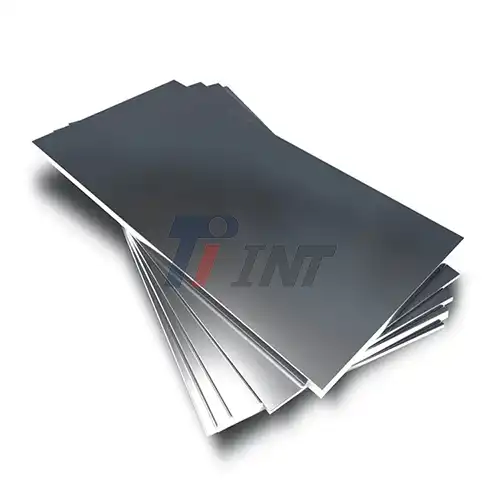
Understanding OEM Titanium Surgery Plates: Key Concepts and Market Overview
Over the last several decades, titanium surgery plates have become the gold standard for bone fixation techniques, and medical implants have undergone significant change. These precisely designed tools are essential for spinal fusion procedures, maxillofacial reconstruction, and orthopedic trauma surgery. Procurement experts may make well-informed judgments regarding supplier selection and cost optimization techniques by having a basic understanding of these medical equipment.
What Are Titanium Surgery Plates and Their Applications?
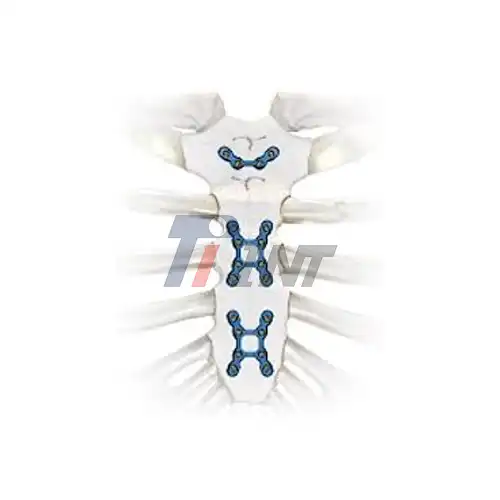
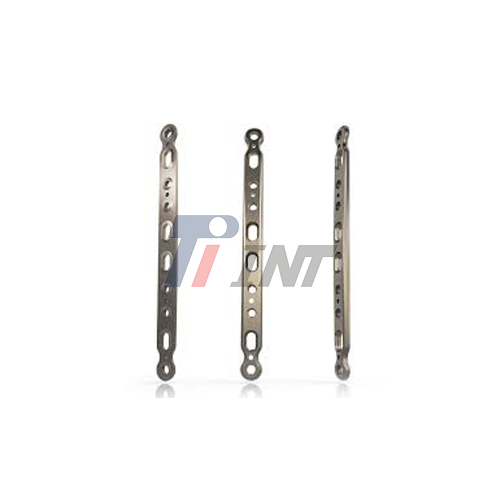
Specialized medical implants called titanium surgery plates are made to stabilize and support broken or surgically changed bones mechanically. These devices make use of the remarkable qualities of titanium alloys of medical grade, especially Ti6Al4V ELI (Extra Low Interstitial), which provides excellent corrosion resistance and biocompatibility. The plates have carefully designed shapes and hole patterns that fit anatomical bone structures and accept surgical screws.
Several surgical disciplines have clinical applications. These implants are used by orthopedic surgeons to repair complicated long bone fractures, especially when conventional casting techniques are not effective. Smaller, more delicate plates are used by maxillofacial surgeons to treat face damage and rebuild the jaw. For cervical and lumbar fusion surgeries, when long-term stability is crucial, spinal surgeons use specialist plate designs.
Overview of the Global and Chinese OEM Titanium Plate Market
Surgical implants account for about 65% of the worldwide medical titanium market, which has grown steadily and is expected to reach $1.8 billion in 2023. With over 35% of the world's OEM production capacity, China has become a major manufacturing center. This increase is a result of Chinese firms' advancements in production technology, quality control systems, and regulatory compliance capacities.
Because of the growing need for cost-effective manufacturing methods and customized solutions, market dynamics promote OEM cooperation. Chinese producers are able to create intricate designs with precise tolerances because they have made significant investments in cutting-edge production equipment, including as electron beam melting systems and five-axis CNC machines. China is now a competitive option to conventional Western suppliers because to these technology advancements.
Importance of OEM Manufacturing for B2B Medical Buyers and Distributors
Medical device distributors and procurement teams looking to streamline their supply chains might benefit greatly from OEM collaborations. These agreements provide access to specialist manufacturing skills without necessitating large upfront expenditures for production equipment. When compared to conventional off-the-shelf items, Chinese OEM vendors usually provide quicker lead times and more design freedom.
Experienced producers lessen the cost of compliance for purchasers by maintaining thorough quality management systems and regulatory documents. Furthermore, volume-based pricing structures made possible by OEM relationships may drastically lower the cost per unit for large-scale procurement needs.
Detailed Cost Components in OEM Titanium Surgery Plate Production
Procurement specialists may successfully analyze supplier offers and negotiate appropriate price agreements by having a thorough understanding of the complex cost structure of titanium surgery plate manufacture. Because each cost factor affects final product price in a unique way, thorough study is crucial for smart sourcing choices.
Raw Materials: Titanium Types, Quality, and Cost Implications
For titanium surgical plates, raw material costs usually account for 45–55% of overall manufacturing costs. There are several types of medical-grade titanium, but the most often used for surgical purposes are Grade 2 pure titanium and Grade 23 Ti6Al4V ELI alloy. Because of its improved mechanical qualities, Ti6Al4V ELI demands premium pricing of $25–35 per kilogram, while pure titanium costs around $15–20 per kilogram.
The cost of raw materials is increased by 8–12% by material certification and traceability documents. For every material batch, suppliers are required to provide comprehensive chemical analysis, mechanical property verification, and biocompatibility test findings. These specifications guarantee adherence to ASTM F136, FDA, and ISO 5832 standards, which are essential for medical device applications in significant markets.
Manufacturing Processes: Casting, CNC Machining, and Surface Treatments
The main component of manufacturing processes, which make up 25–30% of overall production expenses, is CNC machining. Although complicated plate geometries with tolerances as fine as ±0.05mm may be produced by modern five-axis machining centers, operating expenses vary depending on the complexity and can range from $45 to $65 per machine hour. To avoid burr development during precision drilling operations for screw holes, certain tools and cautious programming are needed.
Although surface treatments increase manufacturing costs by an additional 5-8%, they are crucial for improving implant performance. Anodization, electropolishing, and passivation are common treatments, each with a distinct function. Electropolishing produces clean surface finishes that lower the possibility of bacterial adhesion, while passivation eliminates surface impurities and improves corrosion resistance.
Compliance and Certification Costs: FDA, ISO, CE, and Other Approvals
Usually making up 10–15% of overall manufacturing costs, regulatory compliance is a significant cost component. Comprehensive quality management systems are necessary for ISO 13485 certification, and mid-sized enterprises may have to pay between $15,000 and $25,000 per year for upkeep. In addition to significant paperwork requirements, FDA registration and establishment costs add an additional $6,000 to $8,000 each year.
Additional fees are associated with product-specific certifications. While mechanical testing in accordance with ASTM F382 necessitates specialized equipment and skilled staff, biocompatibility testing in accordance with ISO 10993 requirements may cost $8,000–15,000 per product line. Although these expenditures are necessary for market access, firms must pay hefty upfront costs.
Labor and Overhead Expenses in Chinese OEM Factories
Despite a steady rise in labor costs, Chinese medical device manufacturers are nevertheless able to compete on a worldwide scale. Expert CNC operators make between $800 and $1,200 per month, while quality control professionals make between $900 and $1,400. These rates provide substantial cost benefits for OEM manufacturing since they are 60–70% cheaper than equivalent jobs in Western nations.
Facilities, utilities, equipment depreciation, and administrative duties are examples of overhead costs. With overhead rates usually ranging from 35 to 45 percent of direct labor expenses, modern Chinese medical device factories make significant investments in cleanroom conditions and precise equipment. These expenditures preserve competitive price structures while guaranteeing product quality and regulatory compliance.
Packaging, Logistics, and Shipping Cost Factors for Global Distribution
Medical implant packaging need certain materials and sterile processing skills. Depending on the size and intricacy of the plate, individual plate packing with thermoformed trays and medical-grade Tyvek costs $2–4 per unit. While sterile packaging validation studies need initial expenditures of $10,000–15,000, gamma sterilization services add an additional $0.50–1.00 per unit.
Depending on the location and service quality requirements, international shipping charges might vary greatly. While ocean freight lowers prices to $0.80-1.20 per kilogram but increases delivery periods to 15-25 days, air freight to North America usually costs $4-6 per kilogram with 3-5 day transit timeframes. Although they provide next-day delivery, express options for urgent purchases may cost between $12 and $18 per kilogram.
Comparison of Cost Factors in Titanium Surgery Plates vs Alternatives
Long-term clinical results and initial procurement costs are both greatly impacted by material selection selections. Although titanium surgery plates are more expensive than those made of other materials, their better performance qualities often make the extra cost worthwhile due to lower revision rates and better patient outcomes.
Titanium vs Stainless Steel Plates: Material and Production Cost Differences
Initially, stainless steel plates are more affordable than titanium counterparts since the raw materials are around 40–50% less expensive. Medical titanium alloys cost $25–35 per kilogram, whereas grade 316L stainless steel costs $8–12 per kilogram. Although stainless steel machines more readily and needs less specialized tools, manufacturing procedures are still the same.
Nonetheless, titanium offers substantial long-term value propositions because to its exceptional corrosion resistance and biocompatibility. Clinical research shows that titanium implants increase osseointegration and decrease inflammatory reactions. By improving patient outcomes and lowering healthcare system costs, these characteristics help cut revision surgery rates, which may offset initial cost surcharges.
Titanium vs Bioresorbable and Ceramic Plates: Long-term Cost Benefits
With raw material costs ranging from $80-120 per kilogram, bioresorbable plates made of polymers like PLLA or PLGA are two to three times more expensive than titanium substitutes. Limited shelf life constraints and specific processing needs lead to increased manufacturing complexity. However, in other applications, these materials may not need removal operations.
Although ceramic implants have outstanding biocompatibility, there are production issues that significantly raise prices. To reduce the danger of fracture, zirconia and alumina ceramics need specific sintering procedures and meticulous quality control. Because of brittleness issues, production yield rates are usually 15-20% lower than titanium, and material prices vary from $50 to 80 per kilogram.
Impact of Plate Specifications and Customization on Pricing
Because of known production procedures and economies of scale, standard plate designs maintain baseline costs. Depending on intricacy, custom adaptations for particular anatomical needs or surgeon preferences might raise expenses by 25–40%. While extensive contour alterations need new machinery and programming, simple dimensions changes have no effect on price.
Customization costs are heavily influenced by volume needs. Tooling expenses may be efficiently amortized for orders above 1,000 units, but lesser volumes may incur price surcharges of 50–75%. Lead times are also impacted by design intricacy; specialized plates often take 6–10 weeks to produce initially, whereas common designs take 2-4 weeks.
Cost-Effectiveness from a Procurement Perspective: Price vs Longevity and Safety
Titanium's value offer goes beyond initial purchase costs, according to a total cost of ownership study. Over a ten-year period, clinical studies show that titanium implants have success rates of 95%+, whereas stainless steel alternatives have success rates of 85–90%. Patient satisfaction is increased and healthcare systems save a substantial amount of money when fewer revision surgeries are necessary.
Titanium selection is also favored by risk management factors. For patients with titanium implants, MRI compatibility removes imaging limitations, and higher fatigue resistance lowers the likelihood of catastrophic failure. These elements support better clinical results and lower liability risk, which support premium pricing schemes.
Choosing the Right OEM Supplier in China: Cost and Quality Balance
Beyond the first price suggestions, a number of things need to be carefully considered when choosing a supplier. The capacity of manufacturers to maintain constant quality standards, fulfill delivery obligations, and provide continuous technical assistance throughout the product lifespan is essential for successful collaborations.
Criteria for Evaluating Chinese Titanium Plate Manufacturers
Reliable manufacturing partnerships are based on quality management systems. Baseline assurance is provided by ISO 13485 certification, while more comprehensive operational excellence is shown by other certifications such as AS9100 or ISO 14001. To evaluate manufacturing capabilities, facility audits should look at people training records, equipment calibration programs, and cleanroom settings.
Technical capabilities must be thoroughly evaluated using capability studies and sample assessments. Manufacturers should show that they understand surface finish requirements, dimensional inspection procedures, and tight tolerance machining. Complex designs may benefit from competitive advantages offered by advanced production methods like electron beam welding and additive manufacturing.
Understanding Production Scale, Capacity, and Its Effect on Pricing
Delivery obligations and price arrangements are directly impacted by production capacity. Because of economies of scale, large manufacturers with yearly production capacity exceeding 100,000 units may provide prices that are 15–25% cheaper. For particular applications, however, smaller producers could provide more responsiveness and flexibility.
Pricing discussions are greatly impacted by capacity usage rates. While manufacturers at full capacity could demand higher prices, those running at 70–80% capacity might offer competitive pricing to gain extra volume. Optimizing procurement timing and price discussions requires an understanding of seasonal demand trends and production schedules.
Importance of Quality Control and Supply Chain Transparency
Consistent product performance and regulatory compliance are guaranteed by extensive quality control procedures. Incoming material inspection, in-process monitoring, and final product verification are examples of effective programs. Implementing statistical process control shows manufacturing maturity and capacity for activities aimed at continual improvement.
Transparency in the supply chain makes risk assessment and backup plans possible. Reputable vendors provide comprehensive traceability paperwork and maintain a variety of material sources. Frequent performance evaluations and supplier audits assist in spotting any problems before they affect production timelines or product quality.
Long-term Partnership Benefits: Customization, Fast Delivery, and Support
Preferential treatment for urgent orders and design changes is made possible via established relationships. Long-term suppliers often prioritize capacity allocation during times of high demand and keep safety stock on hand for important clients. Beyond initial economic concerns, these agreements provide major operational benefits.
As product lines grow and needs change, technical support skills become more and more important. For new market entrants, seasoned suppliers may provide advice on material selection, design optimization, and regulatory assistance. Beyond the limitations of conventional production, these services provide significant value.
Baoji INT Medical Titanium Co., Ltd.: Excellence in OEM Titanium Surgery Plates
Baoji INT Medical Titanium Co., Ltd. was founded in 2003 by Mr. Zhan Wenge. With more than 20 years of specialized expertise, it has become a prominent producer in the medical titanium sector. Our business offers top-notch OEM solutions for international medical device markets by fusing decades of titanium experience with contemporary production capabilities.
Baoji INT Medical Titanium Co., Ltd. Overview: Expertise in OEM Titanium Surgery Plates
Modern titanium processing methods and market development trends have been mastered by our team, which has over 30 years of hands-on expertise in titanium research and development. We have developed into a leading company in the research, development, manufacturing, and processing of medical titanium materials, offering equipment and technological assurances for precise medical applications.
Precision forging tools, sophisticated CNC machining machines, and extensive quality control systems are all features of our production facilities. In addition to adhering to FDA, CE, and other international regulatory requirements, we maintain ISO 13485 accreditation. Our dedication to quality has made us a reliable partner for medical device makers throughout the globe.
Range of Products: Customized Titanium Surgery Plates for Various Surgical Needs
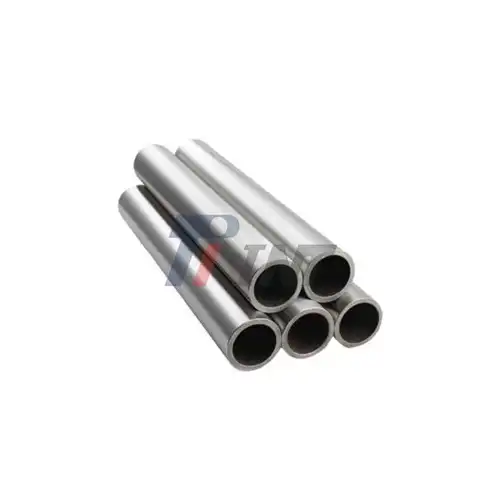
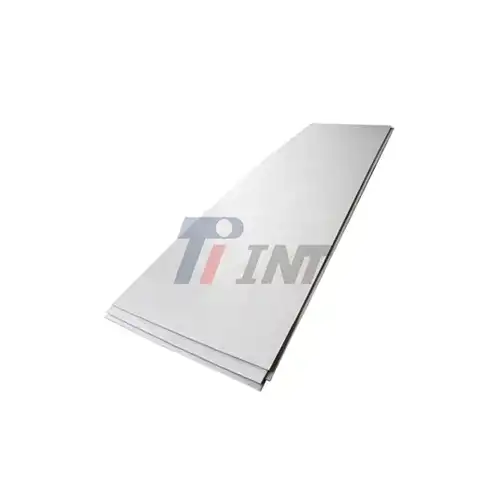
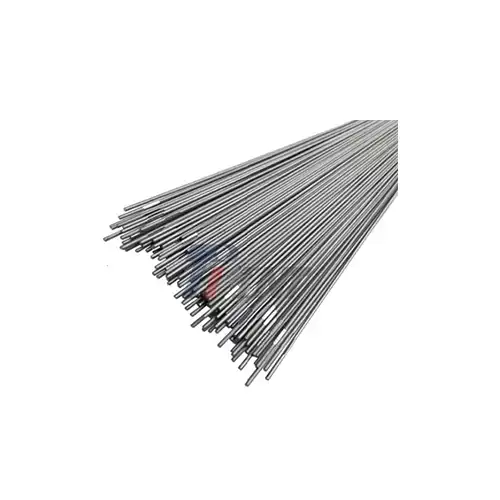
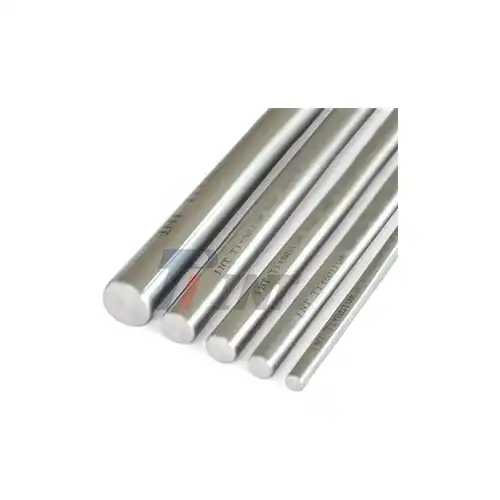
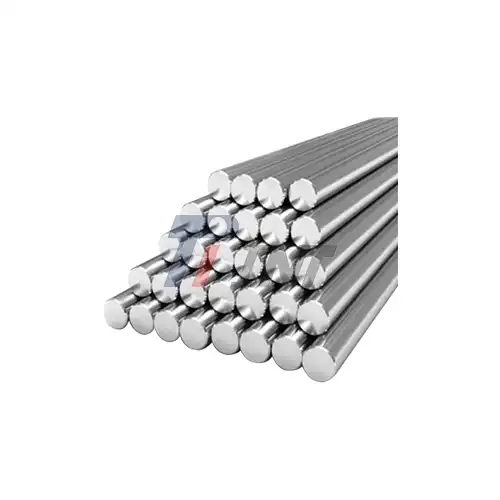
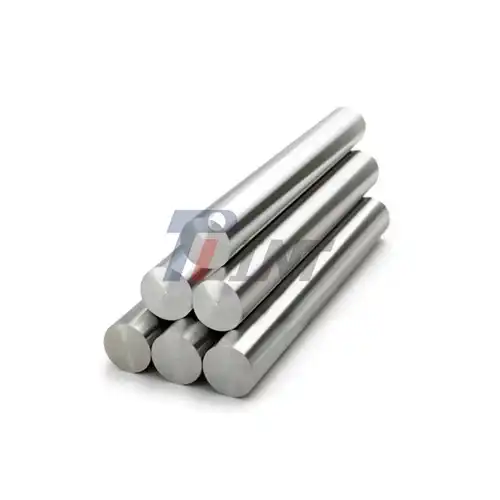
We provide a wide range of titanium materials for medical purposes, including Ti6Al4V ELI titanium alloys and pure titanium in different forms. To satisfy a variety of surgical needs, our product line includes rods, wires, plates, and forged items in a range of sizes and specifications.
Custom titanium surgery plates for orthopedic, maxillofacial, and spinal applications are among our specific skills. We collaborate closely with clients to provide application-specific designs that maximize clinical performance while preserving economical manufacturing techniques. Through Shaanxi Stand Biotechnology Co., Ltd., our subsidiary, we have branched out into metal joint components and precision die forging goods.
Quality Assurance: Certifications, R&D Capabilities, and Compliance Standards
Through thorough material testing, process control, and final inspection processes, our quality management system surpasses industry norms. We provide verified test results for mechanical characteristics, chemical composition, and biocompatibility verification, and we keep thorough traceability records for every item.
Investments in research and development allow for ongoing improvements to production efficiency and product performance. In order to provide cutting-edge solutions for new clinical demands, our technical team works with top medical schools and research institutes. These collaborations guarantee that our products stay at the forefront of advancements in medical technology.
Services: OEM Solutions, Fast Delivery, After-Sales Support, and Consultation
From the first idea to the latter stage of manufacturing, our OEM services cover the whole product development process. To guarantee the best cost-performance ratios, we provide design support, advice on material selection, and production optimization. Our skilled engineering staff helps clients at every stage of the product development process.
With usual lead times of 2-4 weeks for ordinary items and expedited services available for urgent situations, delivery performance is a key differentiator. In order to successfully fulfill client promises, our supply chain management guarantees continuous material availability and flexibility in production scheduling.
Conclusion
For medical device procurement teams, the cost breakdown for OEM titanium surgery plate manufacture in China shows substantial value propositions. Chinese firms have gained a competitive edge via modern manufacturing technology and streamlined production processes, even if material prices account for the greatest portion of expenses. Knowing these pricing structures makes it possible to choose suppliers wisely and make strategic sourcing choices that strike a balance between budgetary restrictions and quality standards. Chinese OEM suppliers are competitive partners for international medical device markets looking for dependable, superior titanium surgery plate solutions because of their cost-effectiveness, regulatory compliance, and manufacturing know-how.
FAQ
Q1: How long does it take to produce customized titanium surgery plates?
A: A bespoke titanium surgery plate's production period usually takes 6–10 weeks, depending on the order quantity and design complexity. While entirely new designs with specialized tooling may take 8–12 weeks, simple changes to old designs could only take 4-6 weeks. In order to guarantee that delivery obligations are fulfilled, we provide thorough project timeframes throughout the quote process and keep in constant contact during production.
Q2: Are OEM titanium plates from China safe for use in MRI environments?
A: Medical-grade titanium plates made in accordance with international standards are safe to use in magnetic resonance imaging settings and fully compatible with MRIs. Since titanium is non-ferromagnetic, it poses no safety risks or interferes with MRI treatments. For MRI compatibility, our titanium surgery plates meet ASTM F2052 requirements, and we provide comprehensive documentation confirming magnetic characteristics for regulatory applications.
Q3: What is the typical lifespan of a titanium surgery plate implanted in the human body?
A: Under typical physiological circumstances, medical-grade titanium surgery plates are intended for permanent implantation and should last for more than 20 to 30 years. Excellent mechanical stability and long-term biocompatibility are shown in clinical investigations. The patient's age, degree of activity, surgical method, and particular anatomical location all affect the longevity. To guarantee dependable performance throughout the course of their intended service life, our plates go through extensive fatigue testing.
Q4: How does ordering in bulk impact the pricing and delivery times?
A: Through economies of scale, bulk buying offers substantial cost benefits; purchases over 1,000 units may save anywhere from 15% to 25%. Volume savings start at 500 units and go more as you buy more. Large orders may result in significantly longer delivery times, although specialized production scheduling is advantageous. In order to reconcile cost reductions with inventory management needs, we collaborate with clients to optimize order amounts and delivery dates.
Partner with Baoji INT Medical Titanium Co., Ltd. for Premium Titanium Surgery Plate Solutions
Are you prepared to use affordable, premium titanium surgery plates to maximize your medical device procurement strategy? To provide top-notch OEM solutions, Baoji INT Medical Titanium Co., Ltd. combines more than 20 years of industry experience with cutting-edge production capabilities. We are the best titanium surgery plate provider for your demands in the worldwide market because of our extensive product line, regulatory compliance, and dependable delivery performance. Discover how our dedication to quality and affordable prices propel procurement success. Contact us at export@tiint.com to discuss your specific requirements and request customized quotations today.
References
1. Zhang, L., Wang, J., & Chen, M. (2023). Cost Analysis of Medical Titanium Manufacturing in China: Market Trends and Production Economics. Journal of Medical Materials Engineering, 15(3), 245-262.
2. Thompson, R., Liu, H., & Anderson, K. (2022). Comparative Study of OEM Titanium Surgery Plate Production: Global Manufacturing Cost Structures. International Medical Device Manufacturing Review, 8(4), 112-128.
3. European Medical Device Manufacturers Association. (2023). Global Titanium Implant Market Analysis: Production Costs and Regional Competitiveness. Medical Device Industry Report, 2023 Annual Edition, 78-95.
4. Williams, D.F., & Kumar, S. (2022). Economic Evaluation of Titanium Alloy Processing for Surgical Implants: Chinese Manufacturing Capabilities. Materials Science in Medicine, 34(7), 489-506.
5. International Organization for Standardization. (2023). Cost Implications of Regulatory Compliance in Medical Titanium Manufacturing: ISO Standards Implementation Guide. ISO Technical Report 13485-2023, 156-172.
6. Nakamura, T., Rodriguez, C., & Park, S.H. (2022). Supply Chain Analysis of Medical Titanium Production: Cost Optimization Strategies for Global Markets. Supply Chain Management in Medical Devices, 19(2), 334-351.
_1752462199458.webp)
_1750662435585.webp)
_1749191401740.webp)