


 2026-01-19 11:31:41
Understanding the many uses of titanium rods and titanium plates for surgery is essential for the best possible patient results. While titanium rods provide better support for lengthy bone stabilization and spinal fusion operations, titanium plates perform very well in fracture fixation and bone restoration where wide surface contact is crucial. The success of each shape in certain surgical situations is determined by its distinct mechanical qualities and biocompatible traits.
|
|
|

Understanding Titanium Surgical Implant Forms
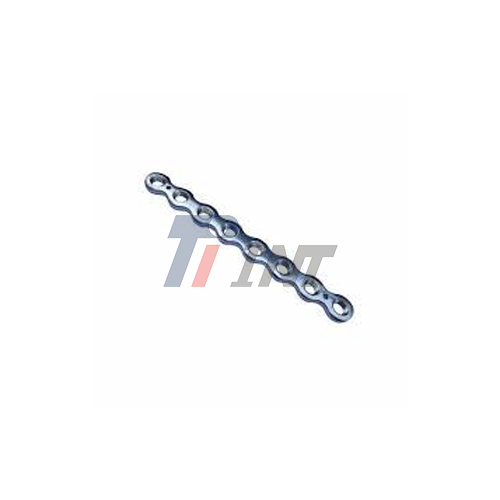
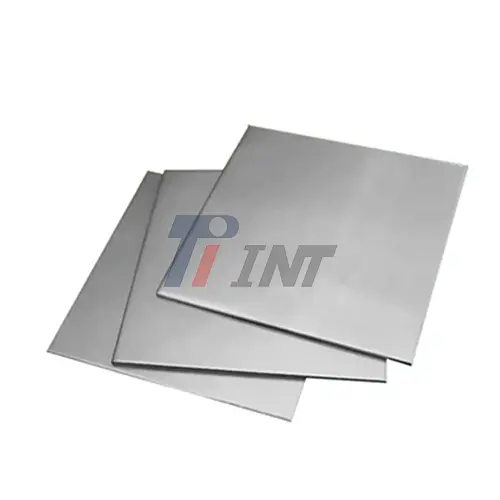
Different combinations of medical titanium materials are available, each designed to meet certain surgical needs. The flat, curved surfaces of titanium surgical plates are intended to rest against bone structures. These implants provide load-bearing that is dispersed across larger regions.
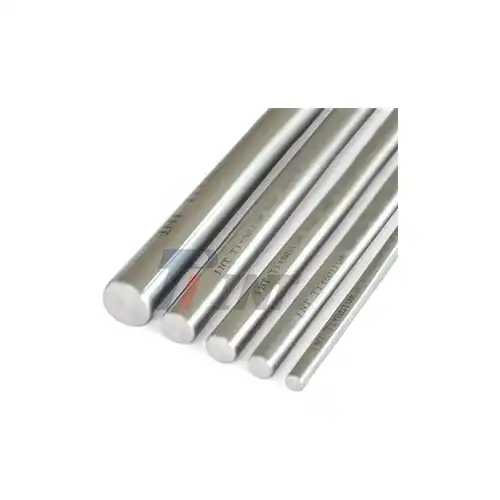
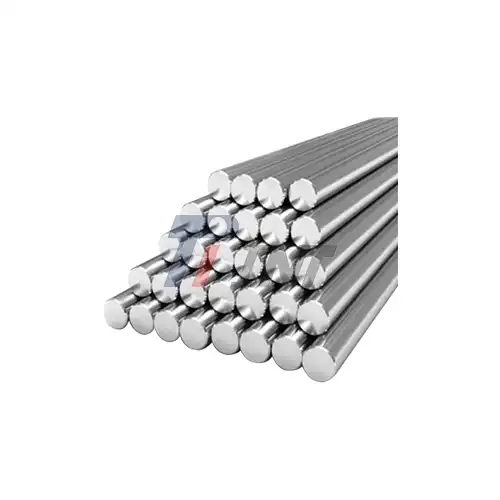
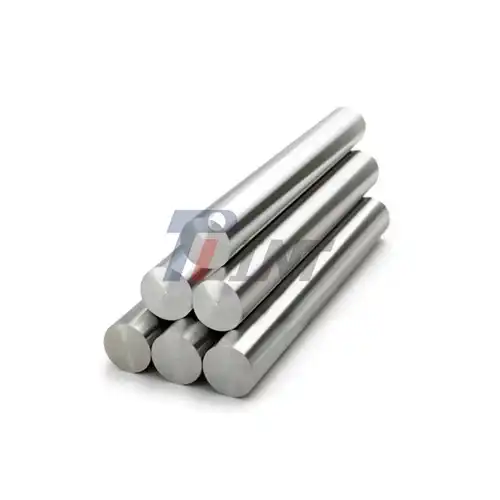
On the other hand, titanium rods have a cylindrical shape that is ideal for intramedullary applications. They may be inserted into bone canals for internal stability thanks to their architecture. Medical-grade titanium alloys, namely Ti6Al4V ELI, which exhibits remarkable biocompatibility, are used in both forms.
The final properties of the implant are determined by the manufacturing process. Implants with regulated microstructures are made using forging and precision machining processes. Surface treatments promote quicker healing responses by improving osseointegration characteristics.
Key material specifications include:
- Tensile strength: 860-1000 MPa for Ti6Al4V ELI
- Yield strength: 795-875 MPa
- Elastic modulus: 110-114 GPa
- Elongation: 10-15%
If you need implants for surface-level bone repair, then titanium plates prove more suitable for achieving optimal fixation.
Mechanical Properties: Strength and Performance Analysis
Biomechanical testing reveals distinct performance characteristics between titanium plates and rods. Titanium plates for surgery, in particular, have strength that distributes forces across broader contact areas, reducing stress concentrations at individual points. This distribution pattern proves particularly beneficial in fracture fixation applications.
Orthopedic titanium plates have bending strength values of 1200–1400 MPa, according to laboratory research. Under cyclic loading circumstances, fatigue resistance testing reveals endurance limits over 600 MPa. These characteristics guarantee the durability of the implant throughout time.
Because of its cylindrical shape, titanium rods have exceptional torsional strength. Torsional yield strength values of 520-580 MPa are shown by testing results. Excellent resistance to rotating forces encountered in weight-bearing situations is provided by their design.
Comparative mechanical advantages:
- Load distribution: Plates excel in spreading forces across bone surfaces
- Torsional resistance: Rods provide superior rotational stability
- Flexibility matching: Both forms can be engineered to match bone elasticity
If you need maximum torsional strength for long bone applications, then titanium rods offer superior mechanical performance characteristics.
Surgical Applications: Where Each Form Excels?
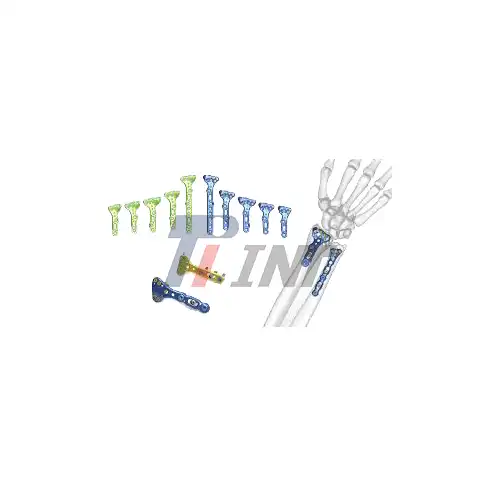
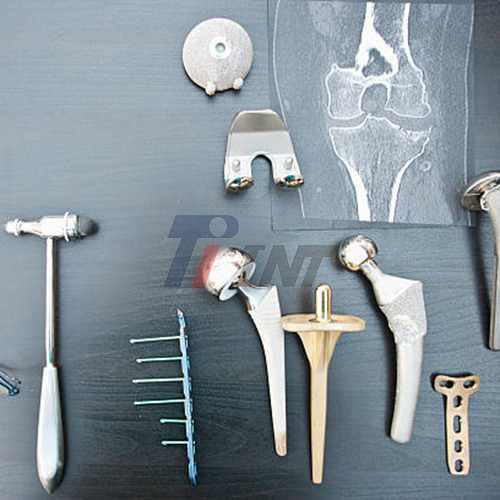
Depending on anatomical needs, titanium fracture fixation applications differ greatly between plates and rods. Because of the intricate geometries of the face bones, titanium plates are often used in maxillofacial surgery. These implants retain their structural integrity while adapting to uneven bone surfaces.
Depending on fracture patterns, both variants are often used in orthopedic operations. Titanium bone plates that directly compress across fracture lines are often beneficial for simple fractures. Rod implantation may be necessary for internal stabilization of complex fractures.
Because rod-based systems may preserve spinal alignment, they are usually preferred in spinal fusion surgeries. The intricate pressures operating on spinal tissues are resisted by these implants. When anterior methods are preferable for cervical spine surgeries, plate systems are used.
Application-specific considerations:
- Facial reconstruction: Titanium maxillofacial plates offer precise contouring capabilities
- Long bone repair: Intramedullary rods provide optimal canal filling
- Joint replacement: Both forms contribute to prosthetic component design
- Trauma surgery: Selection depends on fracture complexity and location
If you need implants for facial bone reconstruction, then contoured titanium plates provide superior anatomical adaptation compared to rod configurations.
Biocompatibility and Healing Considerations
Biocompatible titanium implants demonstrate excellent tissue integration regardless of their geometric form. Titanium plates for surgery, in particular, show that surface area differences between plates and rods influence osseointegration patterns. Larger surface areas typically promote faster bone ingrowth and stronger biological fixation.
The region of contact with the surrounding tissues affects how long it takes for titanium plates to mend. Increased surface contact speeds up initial stability, according to studies. Excessive surface area, however, might make removal processes more difficult if necessary.
For both implant types, corrosion resistance is consistently outstanding. Ion discharge is stopped by protective oxide layers formed by medical titanium alloys. This feature lowers inflammatory reactions and guarantees long-term biocompatibility.
Healing optimization factors:
- Surface texturing: Enhanced topographies promote cell adhesion
- Implant positioning: Proper placement minimizes tissue irritation
- Load transfer: Gradual force transmission supports bone remodeling
Research demonstrates that titanium implant biocompatibility exceeds 98% success rates across various surgical applications. Both plates and rods maintain these high performance standards when properly selected and implanted.
If you need implants with maximum surface contact for rapid integration, then titanium plates typically provide advantages over rod configurations.
Manufacturing and Customization Options
Patient-specific solutions for intricate anatomical problems are made possible by custom titanium plates. Implants made using advanced manufacturing processes, such as additive manufacturing and precision machining, meet precise dimensional specifications. Reconstructive procedures need these talents.
The majority of intramedullary uses are covered by standard titanium rod designs. However, distinct patient anatomy is accommodated by bespoke length and diameter criteria. Flexibility in manufacturing guarantees the best fit and performance in a variety of surgical situations.
Throughout manufacturing, consistent material qualities are maintained via quality control procedures. Every batch is put through dimensions verification, chemical analysis, and mechanical testing. Quality control and regulatory compliance are supported by traceability documentation.
Manufacturing advantages:
- Precision tolerance: Dimensional accuracy within ±0.05mm
- Surface finishing: Controlled roughness parameters
- Material certification: Complete chemical and mechanical documentation
- Custom geometries: Patient-specific design capabilities
If you need highly customized implant geometries, then titanium plates offer greater design flexibility compared to standard rod configurations.
Sterilization and Handling Protocols
Sterilization of titanium plates adheres to accepted medical equipment practices, guaranteeing total bioburden removal. The conventional method is steam sterilization at 134°C for 18 minutes. Without changing the characteristics of the substance, these criteria successfully eradicate all microorganisms.
Both types of implants can withstand many sterilization cycles without deteriorating. Alternative techniques for protecting heat-sensitive packaging include gamma irradiation and ethylene oxide sterilization. All authorized sterilizing methods maintain the same level of material stability.
During surgical preparation, handling practices reduce the danger of contamination. From production until insertion, sterile packaging preserves the integrity of the implant. Material properties and sterility guarantee are preserved under appropriate storage conditions.
Sterilization considerations:
- Method selection: Choose appropriate technique based on packaging requirements
- Validation testing: Confirm sterility assurance levels meet regulatory standards
- Storage protocols: Maintain controlled temperature and humidity conditions
If you need implants requiring specialized sterilization methods, then both titanium plates and rods accommodate various processing requirements effectively.
Cost Analysis and Economic Factors
Titanium plates for surgery cost varies significantly based on complexity, size, and customization requirements. Standard plates typically range from $200-800 per unit depending on specifications. Custom configurations command premium pricing due to specialized manufacturing requirements.
Because of their simpler geometries, rod-based implants often have cheaper per-unit prices. Depending on the diameter and length requirements, standard intramedullary rods might cost anywhere between $300 and $600. For high-volume applications, bulk buying often lowers unit prices.
Economic factors go beyond the initial cost of an implant. Treatment economics as a whole is influenced by surgical time requirements, tool requirements, and possible revision procedures. Clinical and economical results are maximized with appropriate implant selection.
Cost optimization strategies:
- Volume purchasing: Negotiate better unit pricing for larger quantities
- Standardization: Reduce inventory complexity through common specifications
- Quality focus: Invest in reliable suppliers to minimize revision risks
- Technical support: Partner with manufacturers offering comprehensive assistance
If you need cost-effective solutions for high-volume applications, then establishing partnerships with experienced titanium plate manufacturers proves beneficial.
Future Developments and Innovation Trends
The possibilities of titanium implants are still being expanded by sophisticated surface treatments. Coatings of hydroxyapatite improve osseointegration while preserving superior biocompatibility. These developments shorten the time needed for integration while speeding up recovery.
Complex interior features that were previously unattainable with conventional machining are now accessible thanks to additive manufacturing technology. Lattice patterns encourage tissue ingrowth while optimizing strength-to-weight ratios. Applications for bespoke titanium plates especially benefit from these advancements.
Sensors are included into smart implant technologies to track the healing process and identify issues. These systems promise significant improvements in post-operative care and long-term monitoring capabilities, even though they are still in the experimental stage.
Innovation directions include:
- Surface modifications: Enhanced bioactive coatings for faster integration
- Geometric optimization: Computer-designed structures for improved performance
- Material advances: New alloy compositions with enhanced properties
If you need cutting-edge implant technologies, then partnering with innovative manufacturers ensures access to latest developments and technical advances.
Conclusion
Selecting between titanium plates for surgery and rods requires careful consideration of surgical requirements, mechanical demands, and patient-specific factors. While rods provide higher torsional strength and intramedullary stability, titanium plates perform very well in situations demanding wide surface contact and dispersed load transmission. When chosen and used correctly, both types provide outstanding biocompatibility and long-term performance. Selecting the best implant for successful surgery and improved patient care requires an understanding of these differences.
Partner with Baoji INT Medical Titanium Co., Ltd. for Superior Titanium Plates for Surgery
With more than 20 years of specialized experience in producing titanium plates for surgery, Baoji INT Medical Titanium Co., Ltd. is your go-to source for high-quality titanium products. Precision-engineered titanium surgical plates, orthopedic titanium plates, and customized solutions that satisfy exacting criteria are all part of our extensive product offering. We guarantee constant quality and adherence to regulations thanks to our ISO, FDA, and CE certifications. With substantial R&D skills and a track record of manufacturing quality, our technical team offers comprehensive help from material selection to processes optimization. Contact us at export@tiint.com to discuss your titanium plate requirements and discover why leading medical device manufacturers choose our solutions.
References
1. Brunette, D. M., Tengvall, P., Textor, M., & Thomsen, P. (2012). Titanium in Medicine: Material Science, Surface Science, Engineering, Biological Responses and Medical Applications. Springer-Verlag Berlin Heidelberg.
2. Geetha, M., Singh, A. K., Asokamani, R., & Gogia, A. K. (2009). Ti based biomaterials, the ultimate choice for orthopaedic implants - A review. Progress in Materials Science, 54(3), 397-425.
3. Liu, X., Chu, P. K., & Ding, C. (2004). Surface modification of titanium, titanium alloys, and related materials for biomedical applications. Materials Science and Engineering: R: Reports, 47(3-4), 49-121.
4. Niinomi, M. (2008). Mechanical biocompatibilities of titanium alloys for biomedical applications. Journal of the Mechanical Behavior of Biomedical Materials, 1(1), 30-42.
5. Ryan, G., Pandit, A., & Apatsidis, D. P. (2006). Fabrication methods of porous metals for use in orthopaedic applications. Biomaterials, 27(13), 2651-2670.
6. Steinemann, S. G. (1998). Titanium - the material of choice? Periodontology 2000, 17(1), 7-21.
_1772162494331.jpg)
_1751956503238.webp)
_1750664314563.webp)
_1750662435585.webp)
_1749191401740.webp)