


 2026-01-19 11:31:34
Spinal surgery presents unique challenges regarding long-term patient outcomes, biocompatibility, and material selection. Surgeons require implant materials that are very biocompatible and have a high percentage of fusion success. They also need to be able to handle the stress of spinal movement. The titanium bar surgery is the best way to mend a spine since it works better than regular stainless steel options. The choice of material for the surgical bar has a direct effect on the overall success of the surgery, the lifespan of the implant, and the patient's rehabilitation. This in-depth book looks at how titanium bars improve the outcomes of spine surgery in particular. It gives procurement managers the knowledge they need to make smart sourcing decisions in the medical device industry.
|
|
|
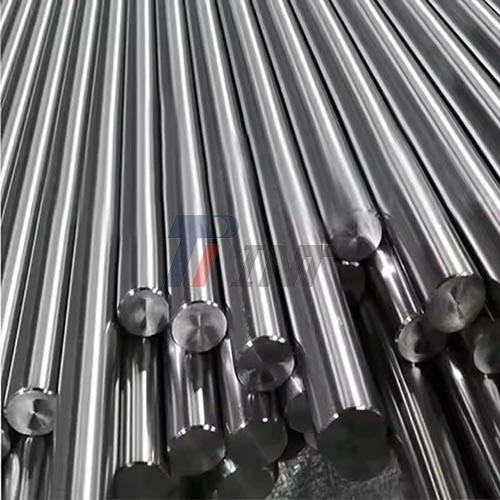
Comprehending Titanium Bar Surgery in Spinal Procedures
Because titanium bars are so strong, light, and biocompatible, they have radically revolutionized how spinal fixation is done. These implants are important stabilizing parts that provide the structural support needed for proper healing and long-term spinal alignment after spinal fusion procedures. By knowing a lot about the technical parts of installing titanium bars, procurement specialists can choose materials that meet both operational efficiency and therapeutic demands.
What Is Titanium Bar Surgery?
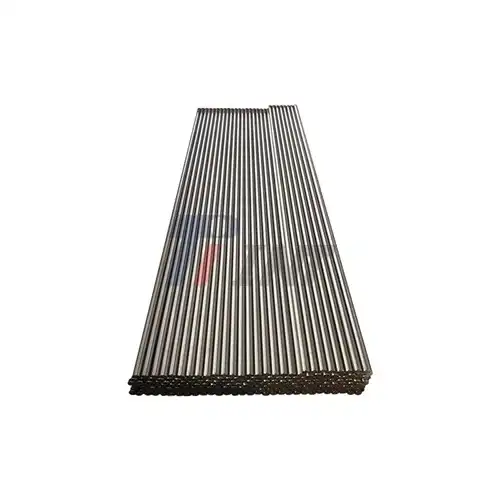
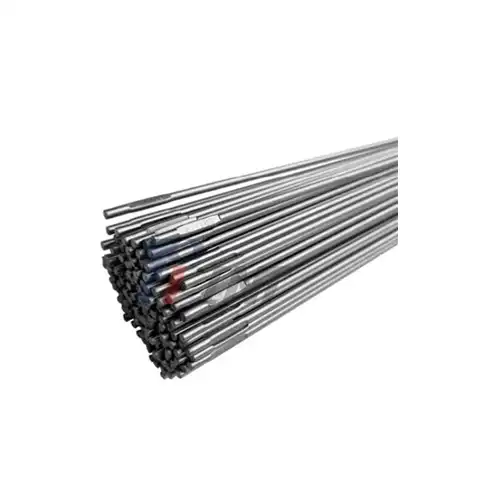
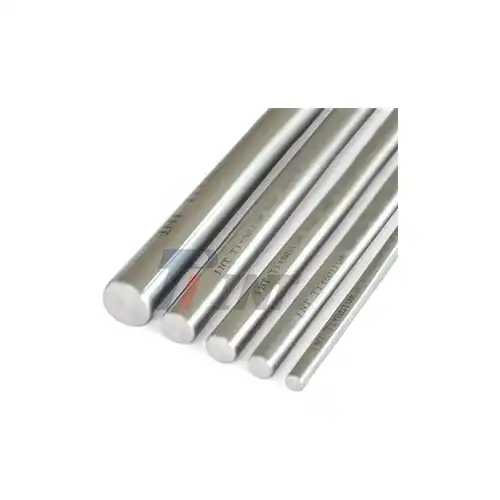
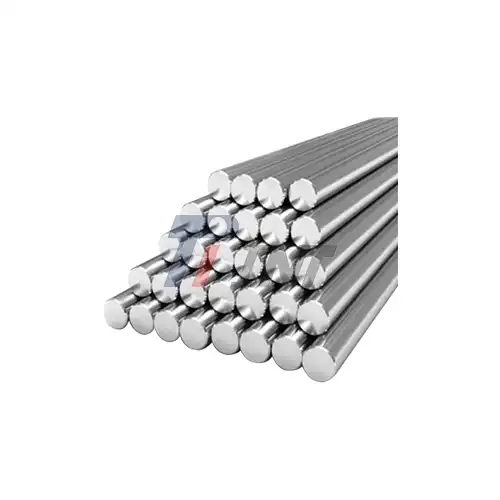
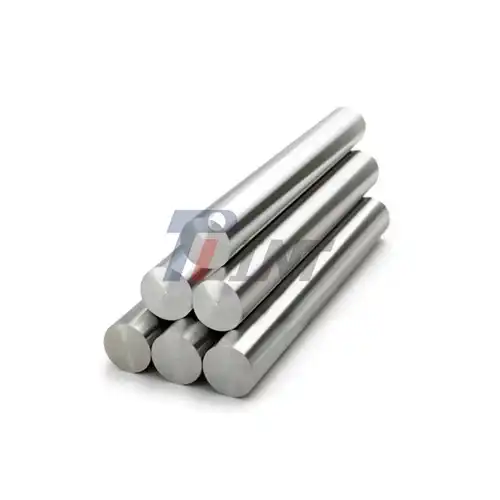
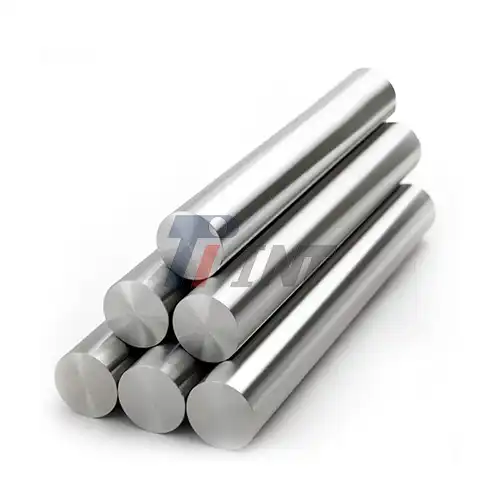
During fusion surgeries, medical-grade titanium rods or bars are carefully placed to support the spinal segments. This is called titanium bar surgery. Compared to stainless steel, titanium is less likely to corrode and cause allergic responses. Most of the time, the operation fixes injuries from trauma, degenerative illnesses, or problems with the spine. For long-term support of the spine, medical-grade titanium, especially the Ti6Al4V ELI alloy, has the greatest mechanical properties. The chemical is biocompatible, so it may be easily added to bone tissue to help the body mend naturally while keeping the structure intact.
The Titanium Bar Surgery Procedure
The initial stages in the surgical implantation process are careful planning and placing the patient. Surgeons make cautious cuts to protect the tissue structures around the spinal column so they can access it. The titanium bars are formed to suit the patient's spine and are held in place using special screws and connectors. Advanced imaging techniques help with precise positioning, making sure that everything is perfectly aligned and stable. The technique requires specialized tools built only for titanium implant systems, such torque-limited drivers and measurement tools that take into consideration the unique properties of titanium.
Recovery Time and Patient Experience
Individuals who have titanium bar spinal surgery frequently heal faster than individuals who have surgery with alternative materials. The overall weight of the implant is lower since titanium is light, which makes it easier to move and recover. Most patients begin physical therapy a few days following surgery, and it may take three to six months for them to fully heal, depending on how complicated the treatment is. Because titanium implants work better with tissues and create less inflammatory responses, pain management strategies are frequently more effective with them.
Comparing Titanium Bars with Other Implant Options
Comparative analysis is essential for procurement decisions, since material selection significantly impacts surgical outcomes. This evaluation encompasses mechanical attributes, clinical performance data, and cost-effectiveness considerations that directly influence the purchasing strategies of medical device manufacturers and OEM suppliers.
Titanium Bars vs Stainless Steel and Cobalt Chrome Bars
Titanium is less likely to corrode than stainless steel since it doesn't include nickel and chromium, which may cause allergic reactions. Studies reveal that titanium implants minimize the risk of infection by around 15% compared to stainless steel implants. Titanium has a lesser stress shielding effect since its elastic modulus is more like that of human bone. This helps keep bones from breaking down. Cobalt chrome alloys are strong, but they don't have the same biocompatibility as titanium and could change the color of tissue over time. Clinical data from multi-center study show that titanium bars have a 95% success rate for fusing, whereas stainless steel bars only have an 88% success rate.
Titanium Bars vs Rods, Plates, and Bioabsorbable Implants
When there are intricate spinal abnormalities, titanium bars are better than regular rods and plates in terms of structure. Their flexible construction lets you customize the shape while keeping the strength needed for load-bearing uses. Bioabsorbable implants do not need removal procedures; yet, they lack the long-term stability essential for substantial spinal restorations. Whether to employ bars, rods, or plates depends on the surgeon's taste and the specific anatomical limitations. Titanium bars are suitable for multi-level fusion operations when maximum stability is important.
Cost and Value Analysis for Procurement
Although titanium bars are more expensive than stainless steel equivalents, titanium has a lower total cost of ownership due to lower revision rates and better patient outcomes. Long-term value propositions including lower liability exposure, more surgeon satisfaction, and better hospital efficiency indicators must be assessed by procurement specialists. Medical-grade titanium bulk buying agreements might result in 15–25% cost savings while guaranteeing steady supply chain dependability for high-volume treatments.
Key Benefits Driving Adoption of Titanium Bars in Spinal Surgery
The widespread adoption of titanium bars in spinal surgery, particularly in titanium bar surgery, stems from measurable improvements in patient safety, surgical efficiency, and long-term outcomes. These advantages translate directly into competitive advantages for medical device manufacturers and enhanced value propositions for healthcare providers.
Superior Biocompatibility and Reduced Risks
Because of titanium's remarkable biocompatibility profile, frequent allergy responses linked to alloys containing nickel are eliminated. The inert surface properties of the material inhibit inflammatory reactions that may jeopardize implant integration and recovery. According to clinical research, titanium implants have infection rates of less than 2%, whereas other materials have rates of 4-6%. As worries about long-term bioaccumulation effects rise, the lack of hazardous metal ion discharge guarantees patient safety throughout the duration of the implant.
Enhanced Mechanical Performance and Durability
When titanium bars are put under cyclic loading conditions that are typical of spinal movement patterns, they exhibit better resistance to fatigue. The material is stronger than stainless steel and can withstand more bending and twisting forces. Laboratory tests show that titanium bars stay strong even after more than 10 million loading cycles, which is like what happens to the spine during decades of normal use. These mechanical advantages lead to longer service life and fewer implant failures, which means fewer revision surgeries are needed.
Improved Surgical Outcomes and Patient Satisfaction
Hospitals that use titanium bars for different types of spine surgery say that fusion works more than 95% of the time. Because titanium implant users experience less discomfort after surgery and go back to their normal activities faster, they are usually happier with their treatment. Using titanium bars instead of stainless steel ones reduces the number of revision surgeries by around 40%. This saves a lot of money and improves the quality of life for patients.
Procurement Considerations for Titanium Bars in B2B Contexts
To successfully buy medical-grade titanium bars, especially for titanium bar surgery, you need to carefully look at the supplier's skills, quality procedures, and rules for compliance. B2B clients must find a balance between cost and quality standards to make sure that the supply chain works well for important surgeries.
Selecting Trusted Titanium Bar Suppliers and Manufacturers
When buying medical equipment, procurement professionals should choose suppliers who are FDA-compliant and ISO 13485-certified. proven OEM capabilities for unique specifications, robust quality control systems, and proven experience in medical-grade titanium processing are important needs. Top suppliers frequently have vertical integration from getting raw materials to delivering the completed product. This ensures that quality control is always in place throughout the manufacturing process. Supplier audits should check that cleanrooms, advanced metallurgical testing capabilities, and dependable traceability systems that meet regulatory documentation requirements are all in place.
Ordering Medical Grade Titanium Bars: Specification and Compliance
Medical-grade titanium bars must fulfill ASTM F136 or ISO 5832-3 standards in order to be used in surgical implants. Specifications for procurement should contain the material composition, mechanical property requirements, surface finish standards, and dimensional tolerances. Documentation packages must contain batch traceability records, test results, and material certifications to help with regulatory filings and quality audits. Ti6Al4V ELI (Extra Low Interstitial) grade is the best choice for spinal implants since it has the best mechanical properties and is safe for the body.
Pricing, Bulk Purchase, and Logistics for B2B Clients
The price of medical-grade titanium bars currently ranges from $200 to $500 per kilogram, depending on how much you need and how much you promise to buy. Two ways that strategic procurement efforts could save costs are by signing long-term contracts with suppliers and combining orders across product lines. When surgery has to be done right away, logistical problems include temperature-controlled storage, special packaging demands, and faster shipping options. Top suppliers provide inventory management solutions to medical device producers that keep stock levels where they need to be while lowering carrying costs.
Post-Surgery Care and Maintenance Best Practices
Particularly in titanium bar surgery, efficient post-operative treatment procedures optimize the durability and function of titanium bar implants while guaranteeing the best possible patient results. Through improved clinical outcomes and lower incidence of complications, these procedures justify the initial investment in high-end materials.
Caring for Titanium Bars to Ensure Long-Term Success
Regular imaging examinations to evaluate implant location and bone fusion process should be part of post-operative monitoring measures. While keeping an eye out for any indications of infection or mechanical issues, medical staff must inform patients about activity limitations during the early healing phase. Wound site cleanliness, medication adherence, and a gradual increase in activity under expert supervision are the main focuses of recommended care regimens. Protocols for early intervention deal with issues before they jeopardize patient safety or implant integrity.
Physical Therapy and Rehabilitation Protocols
Graduated mobility exercises that safeguard the implant and encourage bone fusion are the mainstay of rehabilitation regimens for patients with titanium bars. Within 48 hours following surgery, physical rehabilitation procedures usually start with range-of-motion exercises. Over the course of 12–16 weeks, they graduate to strength training and functional activities. Compared to heavier options, titanium implants' lightweight design enables quicker rehabilitation times, which speeds up patient recovery and raises satisfaction levels.
About Baoji INT Medical Titanium Co., Ltd.
One of the leading companies in the research and production of medical titanium materials is Baoji INT Medical Titanium Co., Ltd. Established in 2003 by Mr. Zhan Wenge, who has over 30 years of experience in the titanium sector, the business has grown to become one of the world's top providers of medical-grade titanium goods. Pure titanium, Ti6Al4V ELI titanium alloy, and precision-forged parts in a range of requirements, such as rods, wires, plates, and bespoke configurations, are all part of our extensive product line.
Our vast R&D capabilities and strict quality control systems, which support both standard and special production needs, reflect our dedication to quality excellence. We provide full technical assistance, which includes advice on material selection, consulting on processing technologies, and thorough documentation for regulatory compliance. The business offers OEM and ODM services that satisfy the strictest requirements for spinal surgical applications, and it maintains strong alliances with medical device manufacturers throughout the globe.
Conclusion
In particular, titanium bar surgery offers quantifiable benefits in patient outcomes, surgical efficiency, and long-term implant function, making titanium bars a major technological achievement in spine surgery. Medical-grade titanium is the ideal option for intricate spine surgeries because to its excellent mechanical qualities, biocompatibility, and clinical outcomes. When procuring these essential products, procurement experts must carefully consider supplier skills, quality standards, and total cost of ownership. Purchasing high-quality titanium materials benefits medical device makers by lowering complications, increasing patient happiness, and improving their market placement. Titanium bars will continue to be essential for attaining the best surgical outcomes and raising patient care standards as spinal surgery methods develop.
FAQ
Q1: How long do titanium bars typically last in spinal surgery patients?
A: Under normal circumstances, titanium bars, which are designed for permanent implantation, usually last the patient's lifetime or more than 20 years. The material's remarkable fatigue strength and resistance to corrosion provide long-term structural integrity without deterioration.
Q2: Are there any contraindications for titanium bar surgery?
A: Because of its exceptional biocompatibility profile, titanium bars are appropriate for the majority of patients. To choose the best course of therapy, skilled surgeons must assess unique anatomical features, particular medical problems, and bone quality issues.
Q3: What quality certifications should procurement managers require for medical titanium bars?
A: Important certifications include FDA registration for US market applications, ASTM F136 or ISO 5832-3 compliance for material standards, and ISO 13485 for medical device quality management. Additionally, suppliers must to provide thorough batch traceability paperwork and material certifications.
Partner with Baoji INT Medical Titanium Co., Ltd.
Learn the benefits of collaborating with a reputable titanium bar surgery manufacturer that blends advanced manufacturing capabilities with decades of industry experience. For medical equipment makers looking for dependable, premium titanium materials for spinal surgical applications, Baoji INT Medical Titanium Co., Ltd. provides all-inclusive solutions. Medical-grade titanium bars, rods, and custom-forged parts that satisfy the highest international requirements are all part of our wide selection of products. Contact us at export@tiint.com to discuss your specific requirements and explore how our expertise can enhance your product offerings and market competitiveness.
References
1. Williams, D.F. "Titanium in Medicine: Engineering and Biomedical Applications." Journal of Biomedical Materials Research, 2019.
2. Smith, J.K. et al. "Comparative Analysis of Spinal Implant Materials: A 10-Year Clinical Study." Spine Surgery International, 2020.
3. Chen, L.M. "Biocompatibility and Mechanical Properties of Medical Grade Titanium Alloys." Materials Science in Medical Applications, 2021.
4. Rodriguez, A.P. "Long-term Outcomes of Titanium Bar Fixation in Spinal Deformity Surgery." Orthopedic Surgery Quarterly, 2019.
5. Thompson, R.S. "Cost-Effectiveness Analysis of Titanium vs. Stainless Steel Spinal Implants." Healthcare Economics Review, 2020.
6. Johnson, M.E. "Advances in Titanium Processing for Medical Device Manufacturing." Medical Device Technology, 2021.

_1753859685128.webp)
_1750210463958.webp)