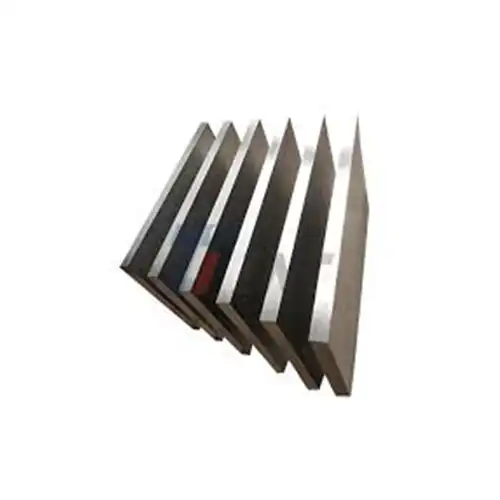

Development and application of titanium bars for medical and medical implants


 2026-06-23 11:18:06
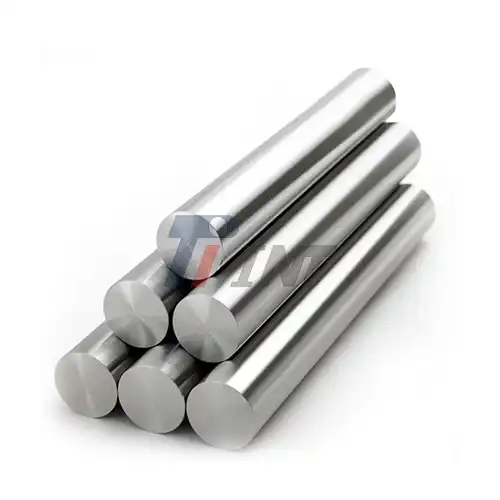
The medical titanium bar has changed the way implants are made today by mixing the best biocompatibility with the best engineering qualities. These precision-engineered circular metal stocks are mostly made from Ti-6Al-4V ELI (Grade 23) or widely pure titanium grades. They go through a lot of steps to make sure they meet ASTM F136 and ISO 5832-3 standards. Their unique ability to protect against bad tissue reactions while also offering high rust and wear resistance has made them the standard for orthopedic devices, oral implants, and medical tools used around the world.
|
|
|
Understanding Medical Titanium Bars: Properties and Advantages
Core Material Characteristics
When it comes to medical uses, medical titanium bars are an advanced type of biomaterial that is made especially for making implantable devices. These materials are different from most industry metals because they go through vacuum arc remelting (VAR) and controlled thermomechanical processes to get microstructures that don't have any major flaws. The material has a mass of 4.51 g/cm³—which is about half that of stainless steel. However, in Ti-6Al-4V ELI configurations, it can withstand tensile forces of over 895 MPa. This amazing mix has a strength-to-density ratio of 76 kN·m/kg, which is 20% higher than stainless steel.
Biocompatibility and Corrosion Resistance
When these bars are exposed to air, a solid layer of titanium dioxide (TiO2) oxide forms on their surface. This passive film completely blocks rusting in body fluids, so stainless steel implants don't have to deal with the problems that come with ions leaking out. Numerous clinical studies have shown that the material supports normal osseointegration processes and does not harm cells. Because they are bio-inert, they don't cause allergy responses or rejection of foreign bodies, which is one of the biggest problems with long-term implant success.
Mechanical Performance Advantages
Medical-grade titanium has an elastic modulus of about 110 GPa, which is much higher than stainless steel's 200 GPa or cobalt-chrome alloys' 240 GPa and much lower than the elastic modulus of human cortical bone, which is about 20 to 30 GPa. This mechanical fit lowers stress buffering effects, which happen when implants are too stiff and stop normal bone loading. This causes bone loss and implant release. Spreading stress more widely across the bone-implant contact helps the body heal better and lowers the number of times that surgery needs to be redone.
Another clear benefit is resistance to fatigue. During normal patient action, implants go through millions of load cycles. Titanium metal bars work very well under repeated loading conditions, which lowers the risk of breaking over long periods of service. This means that patients will have a better quality of life and healthcare costs will go down because implants last longer.
Manufacturing and Grades of Medical Titanium Bars
Production Process Overview
At every step of the way, making medical titanium bars requires accuracy. The process starts with a high-purity titanium sponge that goes through several vacuum arc remelting rounds to get rid of any flaws and make the chemistry uniform. After that, the ingots go through hot casting processes that improve the grain structure and mechanical properties. Bars with tight physical limits are made through precision cutting, grinding, and finishing. Surface processes, such as polishing and sandblasting, get materials ready for CNC cutting or direct implant manufacturing.
Quality control checks the chemical makeup, mechanical features, surface health, and correctness of measurements at each stage of production. Ultrasonic screening and eddy current testing are two non-destructive testing methods that find problems inside materials before they get to companies that make medical devices. This strict method guarantees stability from batch to batch, which is important for regulatory compliance and clinical success.
Material Grade Specifications
Three main types of titanium are used most often in medical uses. Titanium that is commercially pure (Grades 1-4) is good for tooth implants and low-stress medical tools because it doesn't rust and is compatible with living things. Ti-6Al-4V (Grade 5) has 6% aluminum and 4% vanadium, which makes it stronger for prosthetic uses that need to hold weight. Ti-6Al-4V ELI (Grade 23, Extra Low Interstitial) is the best option because it has less oxygen, nitrogen, and carbon, which makes it more flexible and less likely to break. These are important qualities for implants that need to last a long time, like hip stems and spine rods.
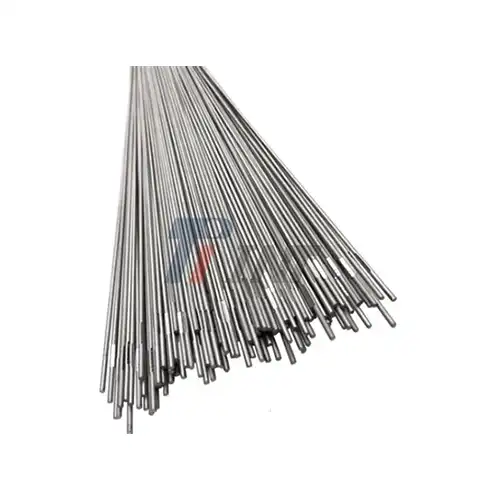
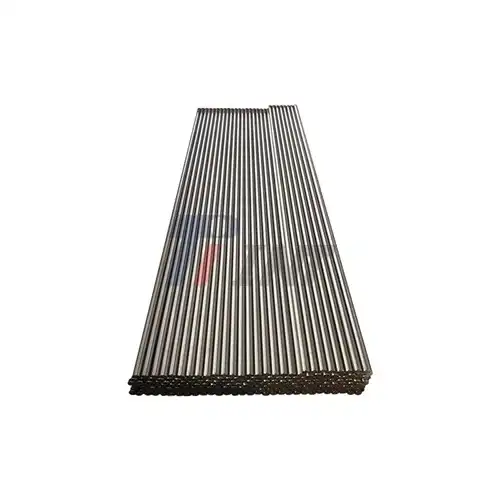
At Baoji INT Medical Titanium Co., Ltd., we make bars with diameters from 6 mm to 150 mm and lengths from 1000 mm to 3000 mm to meet a wide range of production needs. Our Ti-6Al-4V ELI goods always have tensile strengths of at least 895 MPa and stretch levels of at least 10%, which meets the requirements of ASTM F136.
Certification and Traceability
Quality control systems for production are approved by ISO 9001:2015, ISO 13485:2016, and EU CE. These qualifications aren't just pieces of paper; they show a structured way of controlling processes, keeping records, and always making things better. Full responsibility is possible when materials can be tracked from the ingot to the finished bar. This is necessary for FDA applications and post-market monitoring standards. Each package comes with a Certificate of Conformance (C of C) that lists heat numbers, test results, and compliance comments. This makes your quality assurance processes run more smoothly.
Application Areas and Case Studies of Medical Titanium Bars
Orthopedic Implant Systems
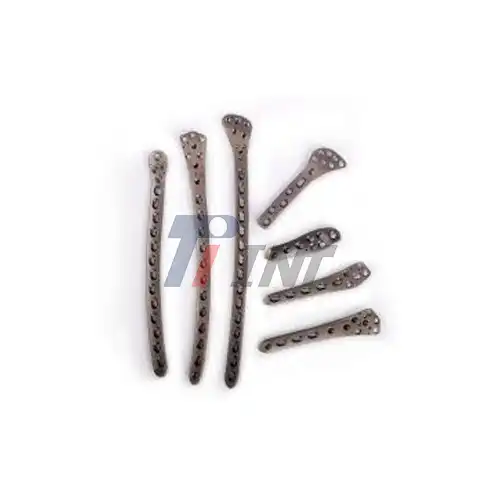
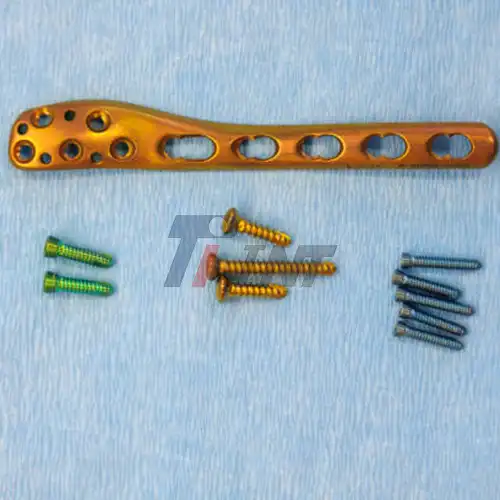
Medical titanium bars are used to make fracture plates, intramedullary nails, pedicle screws, and artificial joints. In clinical records, femoral stems made from Ti-6Al-4V ELI bars have shown 20-year mortality rates of more than 95% in hip replacement systems. The material's wear strength means that it doesn't break down after millions of walking sessions. Spinal fusion plates made from these bars help bone grow by having open surfaces that let bone in. They also keep their shape when they are compressed.
Dental and Maxillofacial Applications
Dental implant pins are used for a lot of different things. Threaded cylinder implants made from commercially pure titanium or Ti-6Al-4V bars fuse directly with the jawbone through osseointegration. After 8 to 12 weeks, the implants are usually stable. Over 10-year periods, clinical success rates are higher than 97%. Because the material isn't magnetic, it lets people go through MRI scans without artifacts getting in the way, which is a big benefit over other metals.
Surgical Instrument Manufacturing
Titanium's strength-to-weight ratio makes it useful for orthopedic power tool parts, retractors, and fixing devices. Surgeons like that their hands don't get tired as quickly during long treatments. Instruments keep their sharp tips and don't wear down after being sterilized many times. The fact that it is not magnetic is very important in operating rooms with high-tech imaging equipment.
Clinical Performance Data
A study that looked at 5,000 hip replacements with titanium alloy stems found a 2.1% revision rate after 10 years. This was mostly due to problems that weren't caused by the material failing. The average score for patient happiness was 94%, with great pain relief and functional return. Bone reshaping around implants showed healthy response, showing that they don't protect against stress as well as older cobalt-chrome devices.
Comparing Medical Titanium Bars with Alternative Materials
Titanium versus Stainless Steel
Even though stainless steel is cheaper at first, medical titanium bars are a better long-term investment. The higher elastic stiffness (200 GPa) of stainless steel provides stress buffering, which could lead to bone loss around implants. There are still worries about corrosion with stainless steel, especially in places with inflammatory tissue where chloride ions speed up the breakdown process. About 10 to 15 percent of people who are allergic to nickel have allergic responses to stainless steel. Titanium completely gets rid of these problems, which lowers the risks and costs of corrective surgery.
Titanium versus Cobalt-Chrome Alloys
Cobalt-chrome alloys are very good at protecting joint surfaces from wear, but they have a high density (8.3 g/cm³) and could release metal ions. Recent worries about the safety of cobalt in metal-on-metal hip implants have made people prefer titanium options. Titanium's biocompatibility and mechanical compatibility are clear benefits for parts that don't move, like stems and plates.
Material Selection Decision Framework
Your choice will depend on the needs of the implant. Cobalt-chrome or ceramic may still be a good choice for joint areas that get a lot of wear. Titanium's balanced qualities make it ideal for load-bearing support devices, spine implants, and trauma gear. For temporary fixing devices, uses that need to save money might look at stainless steel. However, titanium's lower rate of complications often makes up for its higher cost through lower repair surgery costs.
Procurement Guide for Medical Titanium Bars
Identifying Qualified Suppliers
How well a product does depends on which suppliers are used for medical titanium bars. Manufacturers with specific medical material sections should be given more attention than general industry sellers. Check that the current ISO 13485 certification is still valid. This standard for medical device quality management makes sure that suppliers keep the right process controls in place. Ask for proof of material tracking tools and data on how consistent lots are with each other.
Manufacturing experience is very important. Suppliers who have been making medical titanium for decades have improved their processes to get rid of quality variations. At Baoji INT Medical Titanium Co., Ltd., our father, Mr. Zhan Wenge, has worked in the titanium business for more than 30 years. After starting our business in 2003, we've built strong relationships with companies that make orthopedic, dental, and surgery instruments. Customers like the stable quality and quick technical help that come from focusing on one thing at a time.
Verification and Quality Assurance
Material checking keeps you safe from buying goods that aren't up to par. Each package should come with a Certificate of Conformance that lists the chemical makeup, mechanical test results, and heat treatment settings. Tests done by a separate lab on sample bars back up what the source says. Ultrasonic check reports find problems inside that can't be seen from the outside. The standards for the surface finish—whether it's buffed or sandblasted—should match your cutting needs to cut down on waste and processing costs.
Pricing Structures and Negotiation
Titanium bar prices depend on the cost of raw materials, how hard the process is, and how many bars are ordered. Ti-6Al-4V ELI will likely cost more than widely pure grades, but this is because it has better tensile qualities. The estimates for return depend on the diameter and length. Standard measures usually cost less than special sizes. By making production more efficient, volume agreements allow for better prices. But the lowest price isn't always the best deal if the variety of the material makes you waste more or has problems with following the rules.
Custom Processing Services
A lot of providers give services that add value, such as precise cutting, heat treatment, and surface finishing. These features make your supply chain simpler and cut down on wait times. We do unique processing based on your needs and send bars that are ready to be used right away for CNC cutting. Our technical team works with your engineers to choose the best materials and set the right processing settings so that the implants work as well as possible.
Conclusion
Medical titanium bars are the most important part of current implant technology because they offer the best biocompatibility, mechanical performance, and long-term dependability. The low elastic elasticity of the material lowers stress absorption, which helps bones integrate naturally. Extreme resistance to rust and wear strength make implants last for a long time in challenging hospital settings. As rules get stricter and patients' demands rise, it becomes more important than ever to choose qualified sources with a track record of making things and full licenses. Your company will be able to stay successful in the tough medical device market if you make smart choices about buying that balance quality assurance, expert support, and supply chain reliability.
FAQ
Q1: Why choose titanium over stainless steel for implants?
A: Titanium's elastic stiffness (110 GPa) is very similar to that of human bone. This means that stress shielding, which breaks down bone around implants, is less of a problem. The higher stiffness of stainless steel (200 GPa) causes mechanical mismatches that cause implants to come loose. Titanium is better at resisting rust, so there are no worries about ion release, and it is biocompatible, so it doesn't cause nickel allergy attacks in the 10-15% of patients who have stainless steel implants.
Q2: How can I verify titanium grade and quality from suppliers?
A: Ask for Certificates of Conformance that list the chemical make-up, mechanical qualities, and heat treatment history for each lot. Test the sample bars in a separate lab to make sure they meet the requirements. Check that the current ISO 13485 certification and ASTM compliance paperwork are correct. Ultrasonic check records should be sent with packages to find problems inside.
Q3: Are custom titanium bar specifications available?
A: Reliable makers can make sizes, lengths, and surface styles that are exactly what you need for your implant design. Customized heat processes can make the mechanical features of medical titanium bars work better in certain situations. Custom specs, on the other hand, might need larger minimum orders and longer wait times than standard products.
Partner with a Trusted Medical Titanium Bar Manufacturer
Baoji INT Medical Titanium Co., Ltd. has been making high-quality medical titanium bars for over 20 years and is ready to help your implant production business succeed. Pure titanium, Ti-6Al-4V, and Ti-6Al-4V ELI materials come in sizes ranging from 6 mm to 150 mm and are fully approved to meet ISO 9001:2015, ISO 13485:2016, and EU CE standards. Procurement managers and R&D experts count on us to provide uniform quality, quick technical help, and on-time delivery. Our team has the material solutions and working together that you need whether you're making the next generation of orthopedic devices or increasing production for well-known implant systems. Email us at export@tiint.com right now to talk about your unique needs, ask for samples, or look into your choices for special processing. Let's build a long-term connection that helps you make new medical devices and grow your business.
References
1. Long, M., & Rack, H.J. (1998). "Titanium Alloys in Total Joint Replacement—A Materials Science Perspective," Biomaterials, Vol. 19, pp. 1621-1639.
2. Niinomi, M. (2008). "Mechanical Biocompatibilities of Titanium Alloys for Biomedical Applications," Journal of the Mechanical Behavior of Biomedical Materials, Vol. 1, pp. 30-42.
3. Geetha, M., Singh, A.K., Asokamani, R., & Gogia, A.K. (2009). "Ti-Based Biomaterials: The Ultimate Choice for Orthopaedic Implants—A Review," Progress in Materials Science, Vol. 54, pp. 397-425.
4. Ryan, G., Pandit, A., & Apatsidis, D.P. (2006). "Fabrication Methods of Porous Metals for Use in Orthopaedic Applications," Biomaterials, Vol. 27, pp. 2651-2670.
5. Rack, H.J., & Qazi, J.I. (2006). "Titanium Alloys for Biomedical Applications," Materials Science and Engineering C, Vol. 26, pp. 1269-1277.
6. ASTM International (2020). "ASTM F136-13: Standard Specification for Wrought Titanium-6Aluminum-4Vanadium ELI Alloy for Surgical Implant Applications," ASTM Book of Standards.
_1753429726760.webp)
_1753425743099.webp)
_1751955824855.webp)
_1751620280646.webp)
_1755061331871.png)