

Differences between titanium and other metals used for cardiac plates


 2026-06-23 11:18:03
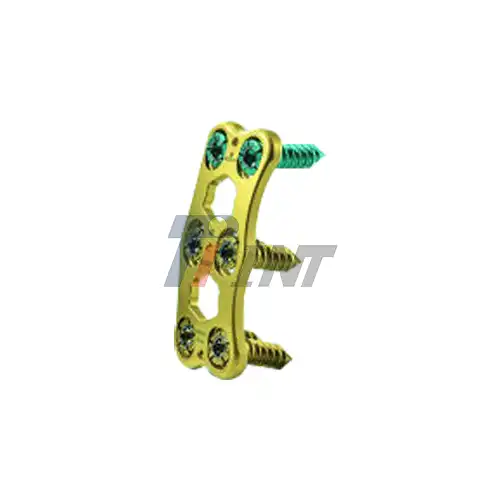
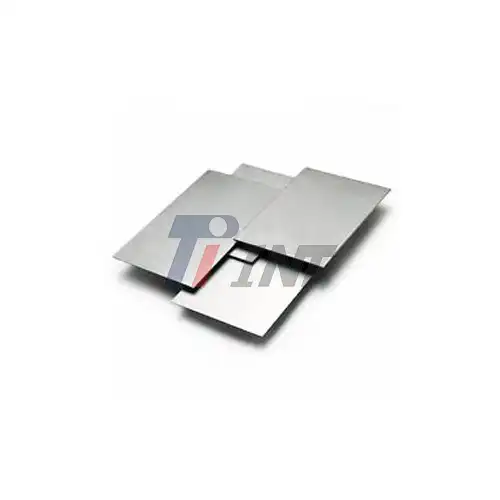
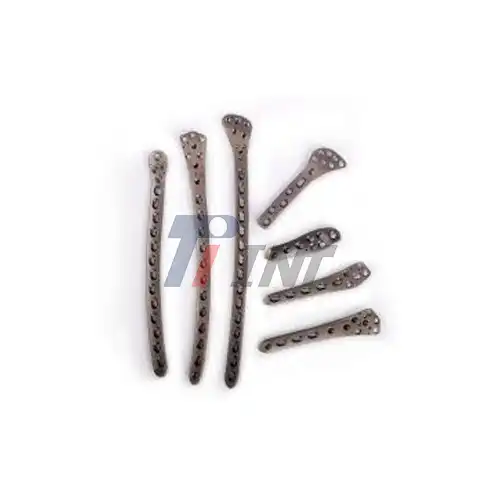
Surgeons and procurement managers have to think about a number of important things when choosing materials for heart fixing systems. For sternal stabilization after median sternotomy procedures, the titanium plate for open heart surgery has become the best choice. Instead of standard materials like stainless steel or cobalt-chromium, titanium is much better at being biocompatible, reducing inflammation, and integrating with human tissue. This choice of material has a direct effect on how quickly patients heal, how many complications they have, and how well the implant works in the long term. This is why it is the best choice for high-risk heart treatments where chest wall support is very important.
|
|
|
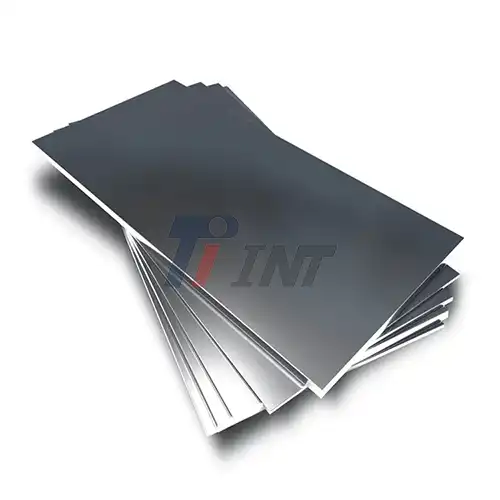
Understanding Cardiac Plates and Their Roles in Open Heart Surgery
Cardiac plates have changed the way that the chest wall is stabilized after open heart surgery. After a middle sternotomy, in which the sternum is split vertically to get to the heart, it is very important for the patient to have a good sternal closure in order to heal. Traditional wire cerclage methods have been used for this purpose in the past, but they have problems, such as wire breaking, bone cutting (called the "cheese-wiring" effect), and not enough security for people who are at high risk.
Clinical Applications of Sternal Fixation Systems
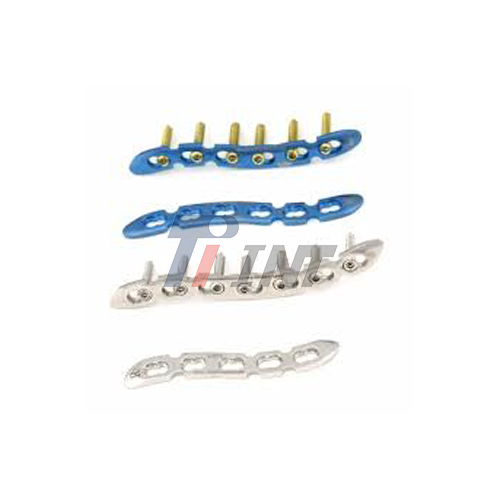
The plate-and-screw methods in modern heart anchoring systems get around these problems. These devices keep the sternum stiff, which helps the bones heal and reduces micromotion at the edges of the sternum. The uses cover three important health situations:
The most common use of titanium plate for open heart surgery is as a preventative measure in high-risk patients who are getting coronary artery bypass grafts or valve replacement surgery and whose risk of dehiscence is higher because of things like obesity, diabetes, or chronic obstructive lung disease. Instead of putting stress on the wire contact points, the plate spreads the mechanical load across the whole ribcage.
When the first wire closure fails during revision surgery for sternal non-union or dehiscence, repair methods are needed. Cardiac plates fill in gaps between bones and keep broken structures together, even in messy, infected places where repair is harder.
Trauma and oncological repair after chest wall injuries or tumor removal needs structure healing to keep the lung organs safe. Cardiac plates fix the stability of the thoracic cage and let the breathing system work properly while the patient recovers.
Material Options and Their Clinical Implications
There are a lot of different metals on the market for heart fixing, and each one has its own unique biological and mechanical properties. Stainless steel (316L) has been used for implants for a long time because it is strong enough and doesn't cost too much. Cobalt-chromium metals are stronger and less likely to wear down than stainless steel. Titanium and its alloys, especially Ti6Al4V ELI (Extra Low Interstitial), have become popular because they are better at being biocompatible and prevent rusting.
New bioresorbable materials are being used in experiments, but not much is known about how stable they are over time. The choice of material affects not only the instant results of surgery but also the quality of life of the patient in the long run. Things like inflammation reaction, image compatibility, and mechanical longevity need to be compatible with certain types of patients and surgery situations.
Titanium Plates vs Other Metals: Key Differences and Benefits
Knowing the qualities of a material helps procurement managers compare what suppliers have to offer to what is needed by the healthcare community. Titanium has better performance because of basic mechanical properties that have a direct effect on how well patients do.
Biocompatibility and Tissue Integration
Titanium is much better at being biocompatible than options like stainless steel and cobalt-chromium. Within milliseconds of being implanted, the material makes a solid layer of titanium dioxide on its surface. This forms an inactive shield that stops ions from entering the nearby tissues. This oxide layer is what makes titanium less likely to cause inflammation than other metals.
Nickel, chromium, and molybdenum are all found in stainless steel. These are elements that can cause allergic reactions in people who are vulnerable. Studies show that about 10 to 15 percent of the general population is allergic to nickel. These materials can cause real health problems if they stay in the body for a long time. Cobalt-chromium metals also have parts that could be toxic and cause bad reactions in tissues.
There is clinical proof that metal can be integrated. When living bone and an implant surface directly connect structurally and functionally, this is called osseointegration. Titanium is more likely to cause this to happen than other metals. During the critical healing period, this union keeps the implants stable and lowers the risk that they will move.
Corrosion Resistance in Biological Environments
The climate around inserted metals is especially harsh in the heart. Exposure to body fluids that are high in chloride, changing pH levels, and electrical potentials all create acidic conditions that break down less durable materials over time.
Titanium used in titanium plate for open heart surgery is very resistant to rust because it has a protective metal layer that can fix itself when it gets scratched or broken. This trait makes sure that the structure stays strong over time, even in harsh living settings. Even though it's called stainless steel, it can rust and char in places with a lot of salt. This can release metal ions that can change the color of tissues and cause inflammation.
Cobalt-chromium metals are better than stainless steel at resisting rust, but they are still not as good as titanium. Long-term studies on implants have shown that titanium plates keep their shape for decades after they are put in. Other metals, on the other hand, may show surface wear, ion release, or changes in their mechanical properties.
Mechanical Properties and Structural Performance
Titanium is the best material for heart uses because it is both strong and flexible. Pure titanium (Grade 2, Grade 4) and the Ti6Al4V ELI alloy have tensile strengths between 550 and 860 MPa, which is strong enough for load-bearing sternal fixing but not as stiff as stainless steel or cobalt-chromium.
This lower stiffness is more like the mechanical properties of bone, which lowers stress buffering. This is when implants that are too stiff stop normal stress transfer to bone, which could cause bone loss. Because titanium is mechanically compatible with bone, it helps the bone grow more quickly and properly. Titanium is also better because it is lighter than stainless steel because it is only about 60% as dense. This lightness lowers the mechanical load on tissues that are mending without lowering the support of the structure.
Imaging Compatibility and Diagnostic Access
Because titanium isn't magnetic, it can be used with both magnetic resonance imaging and computed tomography scans. MRIs are safe for people who have metal implants because the implants won't heat up, move, or cause major picture flaws. MRI pictures of the mediastinum and heart are hard to read because stainless steel causes a lot of artifacts. These marks make it harder to keep an eye on patients after surgery and make it harder for doctors to spot problems early.
Imaging is also affected by cobalt-chromium metals, though not as much as by stainless steel. The diagnostic access titanium gives improves the ability to watch patients while they are recovering and lets them have unlimited imaging tests if they develop heart problems years after their initial surgery.
Practical Considerations for B2B Procurement of Titanium Cardiac Plates
In addition to the qualities of the materials, legal compliance, seller stability, and the total cost of ownership are also factors that go into procurement choices. By understanding these factors, businesses can build more reliable supply lines for important heart products.
Regulatory Standards and Certification Requirements
Before they can be used in patients, titanium heart plates have to meet strict legal standards. In order to get FDA permission in the US, producers have to show that their products are safe and useful through a series of strict tests. The 510(k) clearance route speeds up the process of getting devices that are very similar to current goods on the market. On the other hand, more innovative designs may need Premarket Approval (PMA) with a lot of clinical data.
In Europe, the Medical Device Regulation (MDR 2017/745) says that products must have a CE mark to show that they meet health, safety, and environmental protection standards. Managers in charge of buying things should make sure that sellers have up-to-date certifications and can provide full files of technical documents that show they are compliant.
If a seller has ISO 13485:2016 approval, it means they use quality control methods that are meant to make medical devices. For patient safety, this guideline makes sure that production methods are always the same and that products can be tracked and managed safely. For Ti6Al4V ELI alloy, material standards should use ASTM F136, and for widely pure titanium types, they should use ASTM F67. These guidelines spell out the chemical make-up, mechanical qualities, and biocompatibility needs of materials so that they can be used for long-term implants.
Supplier Evaluation and Quality Assurance
Comparing prices isn't the only thing you need to do to find trusted providers. When analyzing possible partners, we suggest that buying teams look at a number of important factors.
Competent providers of titanium plate for open heart surgery are different from general metal makers because they have experience making medical-grade titanium. To get medical-grade surface finishes and size tolerances when making titanium, you need special machines, cutting tools, and process knowledge. Suppliers should show that they have worked with medical gadget makers for a number of years.
As part of quality control, materials must be able to be tracked from heat lots of raw materials to produced goods. As part of the full recording process, each batch should go through mechanical testing, chemical makeup analysis, and biocompatibility proof. Ask possible providers about their checking methods, how they calibrate testing tools, and how they handle complaints.
Your company's ability to meet manufacturing plans is directly affected by its production capacity and the stability of its wait times. Check out how your providers handle their inventory, how they handle backup capacity during demand spikes, and how they communicate production updates. People who have been working together for a long time often get special treatment when materials or ability are limited.
Transactional providers and real partners are different when it comes to technical help. The best providers offer application engineering help, which lets your R&D teams choose the best materials, surface treatments, and processing settings for each device design. This partnership speeds up the development of products and cuts down on expensive design changes.
Cost-Benefit Analysis and Total Ownership Considerations
Titanium products are more expensive than stainless steel, but a full cost study that takes into account clinical results and lifetime factors shows that they are still a good investment. Titanium's higher raw material costs and more complicated machining needs show in its direct material costs. At the component level, titanium heart plates will likely cost 30 to 50 percent more than stainless steel ones. But the value gained later must be weighed against these up-front costs.
Cutting down on complications directly leads to saves for the healthcare system. In high-risk groups, clinical studies show that titanium sternal fastening methods lower the chance of sternal dehiscence by 40–60% compared to wire cerclage. Stopping just one deep sternal wound infection saves healthcare systems $50,000 to $150,000 in treatment costs and keeps patients from dying.
Implants that last longer and don't need to be replaced as often add extra value. Titanium doesn't rust and is compatible with living things, so it doesn't fail as often over time. This means that patients and healthcare systems don't have to go through as many repair treatments, which are risky and expensive. Depending on the decisions made, the ways that regulations approve things may be different. Using titanium's large body of biocompatibility data and clinical background can make regulatory applications easier compared to new materials that need more safety information.
Clinical Performance and Outcomes: Titanium Plates in Open Heart Surgery
Medicine that is based on evidence leads choices about what materials to use. Looking at the clinical literature shows that titanium performs better in a number of outcome measures that are important for people who are having heart surgery.
Patient Recovery and Complication Rates
A lot of randomized controlled trials and retrospective cohort studies show that stiff titanium plate anchoring works better than standard wire cerclage. Studies that were published in journals for lung surgery show that pain scores drop significantly in the crucial first six weeks after surgery. Stabilizing the sternum is directly linked to pain-relieving processes. Micromotion at the sides of the sternum with a wire closing causes tissue discomfort and nerve activation all the time. With rigid plate attachment, this movement is stopped, so patients can breathe deeply, cough effectively, and do early exercise without having to deal with crippling chest pain.
Plate anchoring methods make it much less likely for infections to happen. Depending on the patient's risk factors, deep sternal wound infections can make 1 to 5 percent of heart surgeries more difficult. Prospective studies show that titanium plate attachment lowers the chance of infection by 50–70% in high-risk groups compared to wire closure. The increased steadiness seems to improve blood flow and immune system function while making it harder for bacteria to settle.
With titanium plates, the rates of sternal non-union and malunion also go down. Traditional wire methods have non-union rates of about 8–10% in high-risk patients. Rigid plating systems, on the other hand, lower this problem to less than 2 percent in similar groups of patients. When bones heal properly, they don't get chronic pain conditions or useful limits that lower quality of life.
Longevity and Implant Performance
Long-term tests that follow patients for 5 to 10 years after implanting a prosthesis show that titanium is more durable than other materials. Radiographic analysis shows that the plate position has been kept and that there are no signs of rust or bone breakdown around the titanium implants. Stainless steel wire systems, on the other hand, have higher rates of wire breaking (15–20%) within five years, and rust products can sometimes stain tissue.
Titanium systems still don't require a lot of revision surgery. Wire cerclage failures usually require complicated reconstruction treatments. Titanium plate failures, on the other hand, happen very rarely and are usually caused by poor original anchoring or serious damage rather than material degradation.
Patient happiness polls always show that hard titanium anchoring is better than wire methods. In addition to less pain, patients like knowing that their chest wall has strong anatomical support while they are recovering. This trust makes people more likely to follow their recovery plans, which speeds up their return to normal activities.
How Procurement Managers Can Choose the Right Cardiac Plate Material?
To choose the right materials strategically, you need to use review models that are organized in a way that takes into account clinical needs, legal limits, and economic realities.
Defining Selection Criteria and Performance Metrics
Setting clear guidelines for making decisions helps buying teams compare products and sellers without bias. We recommend that you create weighted score systems that show what's most important to your company in a number of important areas. For any implanted technology like titanium plate for open heart surgery, biocompatibility should be the most important factor. Check the biocompatibility testing profiles of providers according to ISO 10993 standards. These should include studies on cytotoxicity, sensitivity, itching, systemic toxicity, and implants. Titanium's long history of biocompatibility testing gives it a lot more confidence than materials with shorter histories of biological testing.
The requirements for mechanical properties must match the needs of specific medical uses. Sternal fixing needs enough tensile strength, wear resistance to withstand millions of breathing cycles, and stiffness to help bones heal without putting extra stress on them. Ask for mechanical testing data on finished products, not just raw materials, because the way things are processed changes their end qualities.
Time-to-market for new devices is affected by how well they work with regulatory pathways. Materials that have been used in many other devices before and have a history of safety are easier for regulators to approve faster than new materials that need a lot of clinical testing.
Recently, world problems have made supply chain robustness more important. Check to see how diversifying your suppliers' locations, how they handle supplies, and how they plan for what could go wrong. Titanium is less risky than specific metals because it can be bought from a lot of different sources around the world.
Comparative Assessment Frameworks
Making organized comparison grids can help you see the trade-offs between different material choices. We suggest that you compare titanium, stainless steel, and cobalt-chromium by scoring them on biocompatibility, rust resistance, mechanical qualities, image compatibility, regulatory status, and cost.
How much you weight each factor depends on the types of patients you have and your treatment goals. Biocompatibility and lowering the risk of complications should be very important to organizations that work with high-risk groups like the old, diabetics, and fat. Cost-conscious settings might put more weight on the beginning costs of buying, but we warn against undervaluing the health benefits that will come later.
Needs in a hospital are different depending on the type of surgery and the patients who are there. Pediatric heart programs need to think about how well implants will work over many years as patients grow. Adult heart programs that help older people put an emphasis on fast healing when bones aren't in good shape. Trauma centers need a variety of ways to fix accidents that aren't simple. The choice of materials should be in line with these unique clinical settings.
Emerging Technologies and Future Considerations
By keeping up with changes in material science, buying teams can be ready to use new, useful ideas as they become available. A number of new technologies should be kept an eye on, even though they don't have the clinical proof and legal approvals that well-established titanium systems do yet. Using additive manufacturing (3D printing) to make titanium parts lets doctors make implants with specific shapes and grid patterns that help bone grow. Even though these technologies look good, they need to be thoroughly tested before they can be widely used. As this area grows, procurement teams should keep an eye on government approvals and clinical proof.
Plasma blasting, ion implantation, and chemical treatments are some of the surface modification technologies that are used to improve bone fusion and antibacterial qualities. Some treatments have been approved by the government and are showing promise in the clinic. Before defining these advanced surface treatments, look at the data base and the cost effects.
Bioresorbable materials are a potential ideal because they provide brief support for structures and break down when the mending process is over. For load-bearing sternal uses, current bioresorbable devices don't have the mechanical strength and known decay rates that are needed. These materials might someday be used with titanium in heart plates, but they won't be able to replace it.
Conclusion
The choice of material for heart stabilization devices has a huge effect on how well patients do, how often complications happen, and how much healthcare costs. Titanium plate for open heart surgery is the best material for sternal support after open heart surgery because it is biocompatible, doesn't rust, has good mechanical qualities, and works well with imaging. Even though the starting costs are higher than options made of stainless steel, thorough studies show that the economics are better because of lower complexity and better long-term performance. Purchasing managers should give more weight to providers with strong quality systems, the ability to follow regulations, and the ability to provide expert help. The majority of data suggests that titanium is the best material for heart plates, especially in high-risk patients where sternal healing is most difficult.
FAQ
Q1: Why does titanium outperform stainless steel for cardiac plates?
A: Titanium is better at being biocompatible and causes fewer allergic reactions than nickel, so nickel sensitivity issues that come with stainless steel are no longer a problem. Its high rust resistance stops ions from leaking out and tissue from staining, and the structure stays strong even after decades of use. The non-ferromagnetic qualities make it possible for MRIs to be used freely for tracking after surgery. Titanium's mechanical qualities are more like those of bone, so it reduces stress protection while still being strong enough for load-bearing uses.
Q2: Are titanium cardiac plates safe for pediatric patients?
A: Titanium plates are very safe for people of all ages, even children. The biocompatibility and rust protection of the material make sure that the baby is safe during years of growth and development. Titanium's image compatibility lets doctors keep an eye on kids as they grow up without any problems. Medical device makers make systems that are the right size for kids' uses and have the right mechanical features for their smaller bodies.
Q3: How can procurement teams verify supplier quality and compliance?
A: Ask for all the necessary legal paperwork, such as ISO 13485 certifications, FDA licenses or CE certificates, and material certifications that meet ASTM standards. Do checks of your suppliers, looking at their quality control systems, testing skills, and ways of keeping track of things. Check out customer examples from well-known companies that make medical devices. Make sure that each production lot comes with a material test record that lists all of the materials' chemical compositions and mechanical properties.
Partner with Baoji INT Medical Titanium Co., Ltd. for Premium Cardiac Fixation Solutions
Baoji INT Medical Titanium Co., Ltd. is a leading company that makes medical-grade titanium materials. They have over 30 years of experience in the titanium business and use that knowledge to make heart implants. We offer full material options, such as pure titanium, Ti6Al4V ELI titanium alloys, and precision-forged parts that are made to fit the needs of your device as an approved titanium plate for open heart surgery provider. Our ISO 9001:2015, ISO 13485:2016, and EU CE standards show that we are dedicated to quality excellence, and our expert team is here to help you with everything from choosing the right materials to making sure the process runs smoothly.
Whether you're working on the next generation of heart fastening systems or just need a stable source of materials for existing lines of products, our vertical integration, which includes processing raw materials and precision casting, makes sure that quality is always the same and that everything can be tracked. Email our technology team at export@tiint.com to talk about your particular needs. We offer example materials, tests to make sure the materials are correct, and special processing services that cut down on the time it takes to make a product while still meeting all the necessary regulations. Discover the benefits of our dependability and performance that have made us a trusted partner to medical device makers all over the world.
References
1. Allen KB, Thourani VH, Naka Y, Grubb KJ, Grehan J, Patel N, Guy TS, Landolfo K, Gerdisch M. "Randomized, Multicenter Trial Comparing Sternotomy Closure With Rigid Plate Fixation to Wire Cerclage." Journal of Thoracic and Cardiovascular Surgery, 2017.
2. Raman J, Lehmann S, Zehr K, De Guzman BJ, Aklog L, Garrett HE, Mallios D, Frater RW. "Sternal Closure With Rigid Plate Fixation Versus Wire Closure: A Randomized Controlled Multicenter Trial." Annals of Thoracic Surgery, 2012.
3. Fawley JA, Trostle ME. "Corrosion Resistance and Biocompatibility of Titanium Alloys for Surgical Implants." Materials Science and Engineering: C, 2018.
4. Gummert JF, Barten MJ, Hans C, Kluge M, Doll N, Walther T, Hentschel B, Schmitt DV, Mohr FW. "Mediastinitis and Cardiac Surgery: An Updated Risk Factor Analysis in 10,373 Consecutive Adult Patients." Thoracic and Cardiovascular Surgeon, 2002.
5. Niinomi M, Nakai M, Hieda J. "Development of New Metallic Alloys for Biomedical Applications." Acta Biomaterialia, 2012.
6. Song HJ, Kim MK, Jung GC, Vang MS, Park YJ. "The Effects of Spark Anodizing Treatment of Pure Titanium Metals and Titanium Alloys on Corrosion Characteristics." Surface and Coatings Technology, 2007.
_1751957234428.webp)
_1750667964882.webp)
_1750923514395.webp)