
Differences between titanium plate implants and other metal implants


 2026-07-06 09:50:43
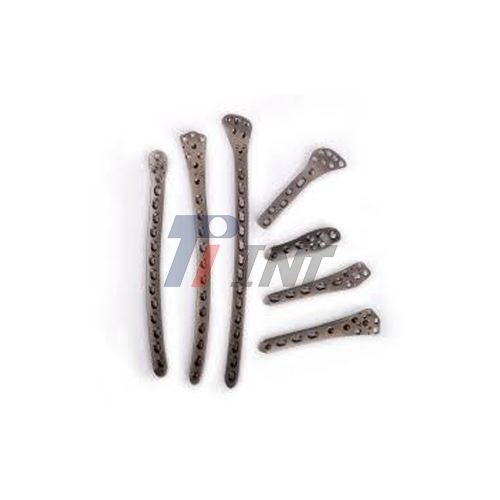
When making medical devices, the choice between titanium plate implants and other metals has a big effect on how well patients do, how efficiently the devices are made, and how much they cost in the long run. A titanium plate implant is a very precise medical device made mostly from commercially pure Titanium (CP Ti, Grades 1-4) or Titanium Alloy (Ti-6Al-4V ELI / Grade 23). It is used to fix broken bones inside the body, fix osteotomies, and do reconstructive surgery. Unlike its stainless steel peers, titanium solves important problems in the biocompatibility and biomechanics fields. For example, it stops stress buffering while making osseointegration easier.
|
|
|

Understanding Titanium Plate Implants and Their Material Properties
What Makes Titanium Stand Out in Medical Applications?
Titanium has become the standard for medical gadgets that are implanted because it has so many great qualities that work well with the body. The material's value of flexibility is very similar to that of natural bone tissue. This lowers the risk of stress shielding, which happens when implants that are too stiff take mechanical loads and cause bone loss in certain areas. Biomechanical compatibility makes sure that bones stay in a healthy stress pattern while they heal, which leads to a better recovery.
Medical-grade titanium used in titanium plate implant devices is very good at being compatible with living things. Titanium is easily absorbed by our bodies, and it forms a steady oxide layer that stops tissue processes that could be harmful. In the harsh physiological environment, where chloride ions and changing pH levels are always trying to break down materials, this passive oxide film also shows great rust resistance.
Clinical Applications Across Surgical Specialties
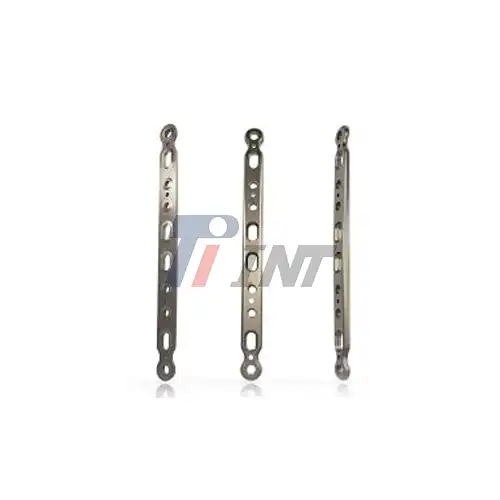
Titanium implants are used in a wide range of clinical situations that need stable performance in biologically complex settings. In craniomaxillofacial repair, low-profile plates with a thickness of 0.6mm to 2.0mm are used to fix broken jaws and midfaces. These shapes can handle strong biting forces without damaging the tissue or permanently changing their shape.
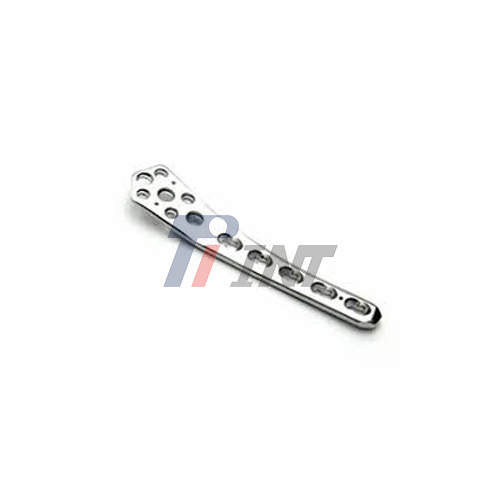
For long bone injuries in the femur, tibia, and radius, locked compression plates are used in orthopedic trauma stabilization. These implants have locked screw systems that make fixed-angle structures. This gives support to osteoporotic or broken bones where standard screw buy isn't enough. The titanium alloy makeup lowers the risks of cold welding during surgery placement, which makes the process easier.
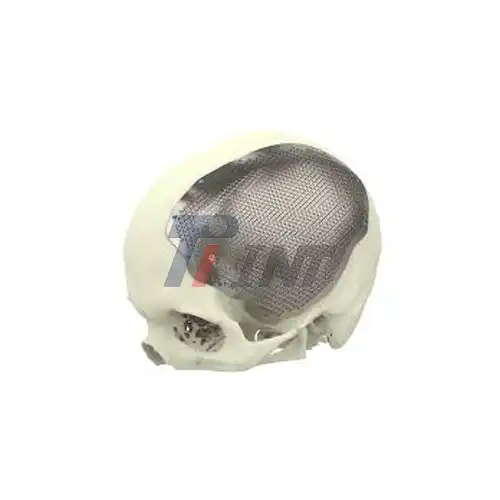
Custom-made cranioplasty plates are used in neurosurgery to fix problems with the head after a decompressive craniectomy. These devices are made to fit each patient's head perfectly. They are usually made using CNC machining or additive manufacturing. They protect brain tissue and make sure the patient looks good again.
Comparing Titanium Plate Implants with Other Metal Implants
Titanium Versus Stainless Steel: Performance Analysis
Stainless steel (usually 316L grade) has been used as an implant material for a long time because it is cheap, but when compared to titanium, it performs very differently. The amount of flexibility of stainless steel is about twice that of titanium. This means that it protects against stress more effectively. This technical mismatch can make it harder for bones to heal and keep their shape over time.
Another important difference is corrosion resistance. Even though stainless steel is strong enough in many situations, the chloride-rich environment in the body can cause crevice rust and pitting over long periods of time. Titanium's naturally occurring oxide layer provides better defense, keeping the structure of the implant intact for as long as it works.
Nickel in stainless steel implants can cause allergic reactions in about 10 to 15 percent of people, according to studies in the field of dermatology. Titanium is very safe, with recorded sensitivity rates below 0.6%. This makes it the best choice for people who are known to be sensitive to metals.
Biodegradable and Ceramic Alternatives: Trade-offs to Consider
Biodegradable implants made from magnesium alloys or plastics have the benefit of breaking down slowly, so they don't need to be taken out again. But these materials are hard to work with when they need to hold weight. As decline continues, their mechanical strength decreases, which could make fixing less stable than a titanium plate implant before the bone heals completely. Controlling degradation rates to match bone mending times is still hard to do properly, especially when dealing with a wide range of patients.
Ceramic implants, such as those made of zirconia and alumina, are very hard and biocompatible. But because they are fragile, they can't be used in places with a lot of stress. Ceramics aren't flexible enough to handle the impact loads or bent moments that are typical in medical uses. Tolerances for manufacturing must be very tight, which makes production more difficult and costs more.
FDA Approval Status and Clinical Safety Data
The FDA has given 510(k) clearance to a number of titanium implant systems because they are largely the same as other devices that have been shown to be safe. At five-year follow-ups, clinical tracking data from orthopedic and orthodontic uses show that titanium implants have success rates of over 95%. Complication rates are still much lower than with stainless steel options, especially when it comes to infections and the need for more surgery.
Procurement Considerations for Titanium Plate Implants
Evaluating the Competitive Landscape
Medical device companies get titanium implant materials from a network of specialized suppliers that follow strict quality standards. Leaders in the field have strong quality control systems that meet ISO 13485:2016 standards and FDA 21 CFR Part 820 rules. When looking at possible sources, buying workers should give more weight to partners that can show full material tracking, tested production methods, and quality that stays the same from lot to lot.
There are both well-known companies that make finished implant systems and specialized material sources that sell raw titanium stock for both ODM and OEM production. Understanding this environment helps buying teams figure out the best ways to source products based on how they can make them and where they stand in the market.
Pricing Dynamics and Cost-Benefit Analysis
Medical-grade titanium usually costs three to five times more than stainless steel for a titanium plate implant because the extraction and processing processes are more complicated. A full cost-benefit study, on the other hand, shows that titanium's better performance qualities often make up for the higher price. The total cost of ownership is cheaper because there are fewer correction surgeries, faster healing times, and fewer complications.
When comparing the prices of titanium and recyclable options, things get trickier. Some compostable plastics are cheaper to buy, but they can only be used in low-load situations because they don't have strong dynamic qualities. The price of magnesium-based biodegradable implants is getting close to that of titanium, but there is some doubt about how quickly they break down and problems that could happen because gases are released during removal.
Supplier Vetting and Quality Assurance
Thorough methods for qualifying suppliers are the first step in making sure that buying plans work. Verification should include checking the validity of the license, inspecting the production site, and following the rules for testing materials. Suppliers should give a lot of paperwork, like certificates for the materials they use, test results that show they meet ASTM F136, ASTM F67, or ISO 5832 standards, and proof that they keep up with the quality system.
Testing samples of titanium plate implant materials is an important part of buying things before committing to big buys. Chemical makeup analysis, mechanical property testing, surface finish evaluation, and biocompatibility screening should all be part of material proof. Setting clear acceptance standards and doing receiving checks help make sure that the quality of each production batch is the same.
Ordering Logistics and Customization Capabilities
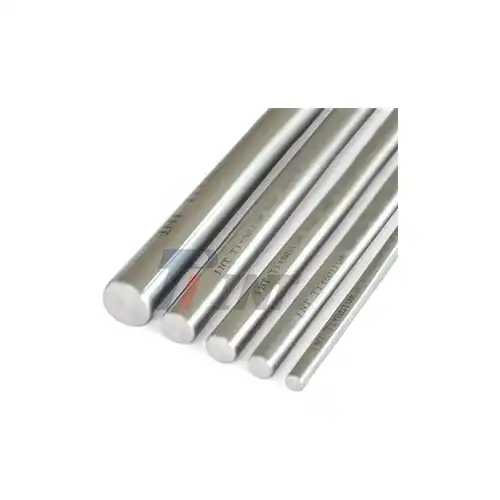
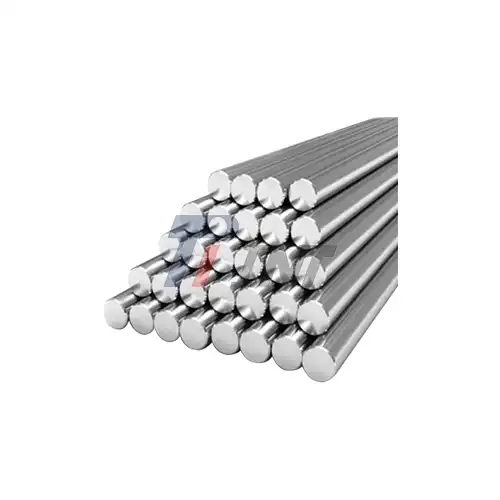
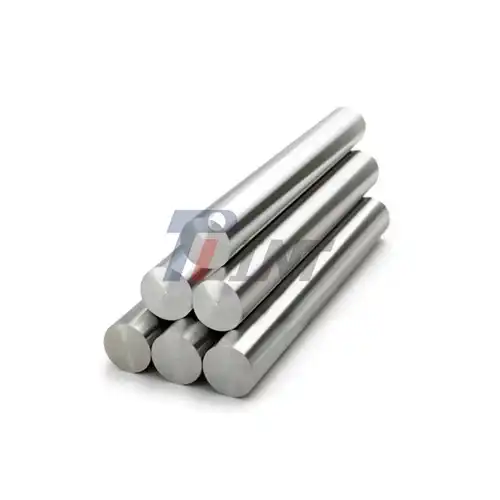
Titanium suppliers usually offer a range of product shapes, such as bars, plates, tubes, wires, and powders, so that they can be used in a number of different production processes. Standard stock supply changes from supplier to supplier, and wait times range from right away for common specs to 8–12 weeks for unique sizes or alloys that aren't commonly used.
Working with expert titanium sources that can do customization is a great way to get extra value. Some of the services that may be offered are precise cutting, forging to near-net forms, surface treatments that help bone integrate, and special processing methods that improve mechanical qualities. OEM makers gain when providers offer expert advice on choosing materials, improving processes, and fixing problems that come up during production.
Advantages of Titanium Plate Implants Over Other Metal Options
Clinical Benefits Driving Medical Outcomes
Because a titanium plate implant is better at integrating with bone, it directly leads to better patient results. Bone cells stick to the titanium oxide surface easily and form strong mechanical links without any layers of porous tissue in the way. This direct touch between bone and implant speeds up the mending process and creates a strong long-term fixing.
Another practical benefit is that titanium is less likely to produce image artifacts than stainless steel during CT and MRI scans. This clear design lets doctors see how the patient is healing and spot any possible problems without the implant getting in the way. This improves the accuracy of diagnoses during surgical care.
Mechanical Durability Under Physiological Stress
Titanium alloys are very resistant to wear, meaning that their structures stay strong even after millions of loading cycles, which is the same amount of activity that a person does in a year. The high strength-to-weight ratio of the material makes it possible for smaller implant shapes that are less likely to irritate soft tissues while still being able to hold enough weight. This mechanical effectiveness is especially helpful in cranial uses where implant sizes are limited by concerns about how they look and available room.
Because titanium alloys are flexible, they offer extra safety in case of unexpected pressure situations. Unlike weak ceramics that break completely when under too much stress, titanium implants change plastically before they fail completely. This means that they often keep some of their function and give doctors early warning signs of problems that are about to happen.
Environmental and Economic Sustainability
Titanium can be recycled, which helps make industry more environmentally friendly. Machine scrap has value and can be used to make new stock, so it doesn't go to waste and has less of an effect on the earth. As pressure mounts on medical device makers to show they care about the environment, the ability to recycle materials becomes a key difference in the market.
Less need for correction surgery leads to economic security. Clinical data shows that titanium implants need to be replaced or fixed a lot less often than stainless steel implants, especially when they are used for more than five years. Avoiding unnecessary second treatments lowers the costs of healthcare, makes patients happier, and boosts the image of the maker.
Conclusion
Choosing the right materials for implants means combining a lot of scientific, practical, and financial issues. Titanium plate implants are clearly better than other metals because they are better at biocompatibility, have the best mechanical qualities, and have been shown to work in clinical settings. Even though the starting prices of materials are higher than those of stainless steel, a full study shows that the total cost of ownership is lower because of fewer problems and longer service life. If a procurement worker knows a lot about the materials they're buying and has good relationships with suppliers, they can make the most of their sourcing strategies and make sure that they always get high-quality products that meet strict legal requirements and tough clinical uses.
FAQ
Q1: How long does healing typically take with titanium implants compared to other metals?
A: For regular orthopedic uses, titanium implants usually heal in 6 to 12 weeks, which is about the same amount of time or a little faster than stainless steel options. Titanium's better osseointegration features help bones and implants join more quickly, which could shorten the time that the patient is immobile. Healing rates depend on the patient's health, the severity of the fracture, and the type of surgery used, not just the implant material.
Q2: What is the cost difference between titanium and stainless steel implants?
A: The price of raw titanium is usually three to five times that of medical-grade stainless steel. The price of a finished implant takes this difference and the difficulty of making it into account. But titanium's better resistance to rust and lower rate of change often make up for the higher original cost when you look at the total cost over its lifetime. Procurement teams that are watching their budgets should do total cost modeling that includes the expected rates of complications and the costs of repeat surgery.
Q3: Are allergic reactions common with titanium implants?
A: Titanium allergy is still very uncommon; in clinical groups, sensitivity rates have been recorded as low as 0.6%. This is very different from stainless steel devices that contain nickel, which cause problems in 10-15% of people. The requirements for buying titanium should check its purity and the makeup of the alloy it is made of. The Extra Low Interstitial (ELI) grade for Ti-6Al-4V alloy is especially important because it reduces the amount of remaining elements that could cause immune reactions.
Partner with Baoji INT Medical Titanium Co., Ltd. for Premium Titanium Plate Implant Solutions
Baoji INT Medical Titanium Co., Ltd. has been making reliable titanium plate implants for medical device companies around the world for more than 20 years. Our manufacturing sites are ISO 13485:2016 approved and offer a wide range of materials, such as CP Ti Grades 1-4, Ti-6Al-4V ELI alloy, and custom-forged parts that meet ASTM and FDA standards. We offer full expert help throughout the whole buying process, from choosing the materials and checking samples to placing large orders and keeping quality records.
Our engineering team works closely with our research and development (R&D) teams to make sure that the material specs are perfect for the tough jobs that they do in cranial, orthopedic, and orthodontic devices. Our stable supply chain and flexible production skills guarantee on-time delivery that fits your production plans, whether you need standard bar stock, precision-machined plates, or special made parts. Contact our technical experts at export@tiint.com to talk about your unique needs, get full material certifications, or set up a review of a sample.
References
1. Niinomi, M., & Nakai, M. (2011). Titanium-based biomaterials for preventing stress shielding between implant devices and bone. International Journal of Biomaterials, Article ID 836587.
2. Geetha, M., Singh, A. K., Asokamani, R., & Gogia, A. K. (2009). Ti based biomaterials, the ultimate choice for orthopaedic implants – A review. Progress in Materials Science, 54(3), 397-425.
3. Hanawa, T. (2019). Titanium–tissue interface reaction and its control with surface treatment. Frontiers in Bioengineering and Biotechnology, 7, 170.
4. Liu, X., Chu, P. K., & Ding, C. (2004). Surface modification of titanium, titanium alloys, and related materials for biomedical applications. Materials Science and Engineering: R: Reports, 47(3-4), 49-121.
5. Steinemann, S. G. (1998). Titanium—the material of choice? Periodontology 2000, 17(1), 7-21.
6. Long, M., & Rack, H. J. (1998). Titanium alloys in total joint replacement—a materials science perspective. Biomaterials, 19(18), 1621-1639.
_1753427753918.webp)
_1752818186472.webp)