
How to verify the quality of GR9 titanium bars, 8mm diameter from suppliers?


 2026-07-06 09:50:26
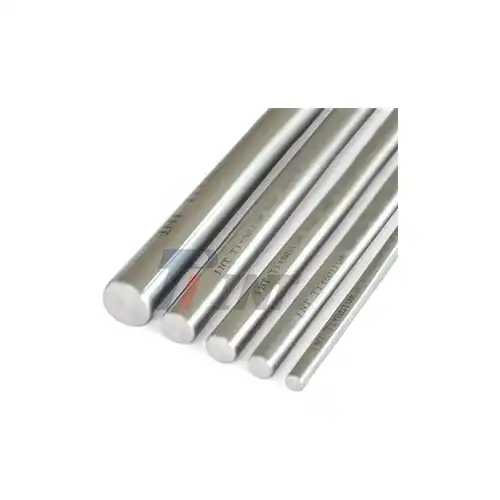
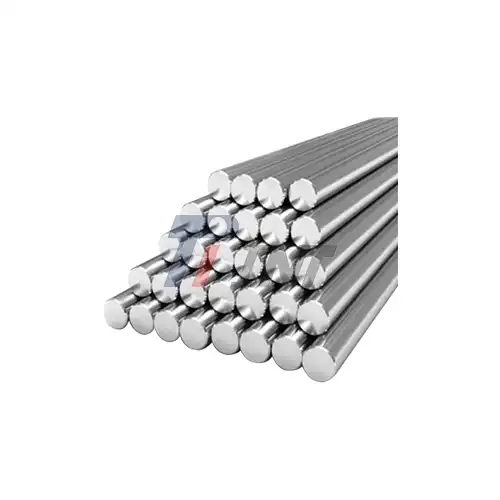
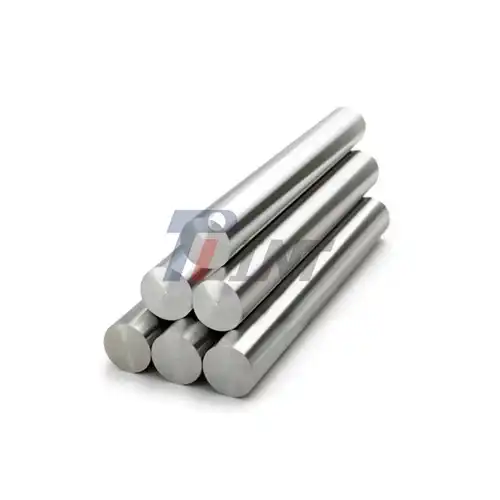
To make sure that the Gr9 Titanium Bar Dia 8mm from providers is of medical-grade quality, you need to pay close attention to its makeup, certification, and mechanical performance. Because it is so strong, biocompatible, and resistant to corrosion, this Ti-3Al-2.5V alloy is an absolute must-have for orthopedic implants, surgery tools, and dental uses. Managers in charge of buying things have to check that the chemicals used are correct, look over test results for the materials, have third parties test them, and make sure that the products meet ASTM B348 and ISO 5832-3 standards. Finding out about the supplier's production methods, heat treatment methods, and quality control systems will help you make sure the material meets the needs of your important application and the standards set by regulators.
|
|
|
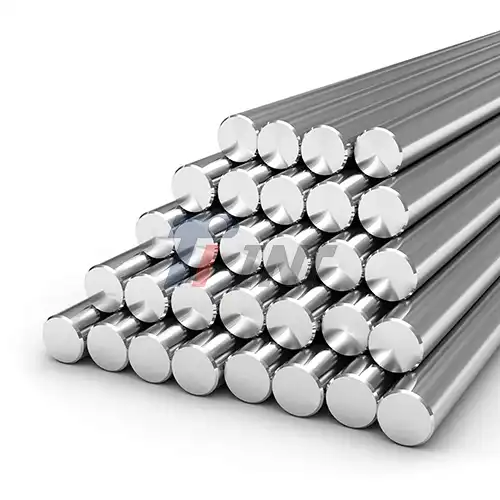
Understanding the Core Quality Parameters of GR9 Titanium Bars (8mm Diameter)
Chemical Composition and Alloy Integrity
Checking the chemical make-up of Ti-3Al-2.5V titanium alloy is the first step in making sure the quality is correct. This grade has between 2.5% and 3.5% aluminum and between 2% and 3.0% vanadium, which make it stronger while still letting it bend easily. Interstitial elements need extra care—the amount of oxygen should stay below 0.15% and the amount of hydrogen should stay below 0.015% to keep the material from becoming fragile, which shortens its wear life. ICP-OES (Inductively Coupled Plasma Optical Emission Spectroscopy) research is used by trustworthy providers to make sure the composition is correct. Ask for specific chemical analysis papers for each heat lot to make sure that all production runs can be tracked and are the same.
Mechanical Properties and Testing Standards
Mechanical performance testing tells the difference between high-quality titanium bars and materials that aren't up to par. Gr9 Titanium Bar Dia 8mms usually have a tensile strength of 620–760 MPa and a yield strength of 520–655 MPa after being annealed. They have the same level of structural stability as alloy steels while only having a density of 4.48 g/cm³. For tensile testing, the testing procedures should follow ASTM E8 standards. They should also check the stretch qualities, which are usually higher than 15% for annealed conditions. This material is very useful for medical devices that need to last a long time and be comfortable for the patient because it is strong for its weight.
Surface Quality and Dimensional Tolerance
Dimensional accuracy has a direct effect on how well a product works and how efficiently it is made. It is possible for high-quality 8mm titanium rods to have diameter specs of +0/-0.015mm (h8 grade) or tighter by centerless cutting or peeling them. This level of accuracy makes sure that it works with automatic bar feeder systems and cuts down on waste during cutting. Depending on the needs of the application, the surface can be cleaned, pickled, or given other special treatments. Look at samples closely to find flaws on the surface, such as laps, gaps, or inclusions, that could cause stress concentration places during production or use.
Step-by-Step Process to Verify Supplier Quality Claims for GR9 Titanium Bars
Validating Certifications and Documentation
Verification of documentation is the most important part of judging the quality of a seller of Gr9 Titanium Bar Dia 8mms. Ask for EN 10204 3.1 Mill Test Certificates that list each batch's heat number, chemical make-up, mechanical qualities, and heat treatment conditions. Certification to ISO9001:2015, ISO13485:2016, and CE standards shows dedication to quality control systems that are right for making medical devices. Check that the data on the certificate matches the requirements set out in ASTM F136, ASTM B348, and ISO 5832-3. Suppliers with established traceability systems can give full material history from where the raw materials came from to the end review, which is very important for industries that are controlled.
Tensile test data, hardness measurements, and recording of grain structure should all be in material test reports. Genuine sellers keep clear records and are happy to share scientific information that shows material conformity. Watch out for papers that aren't clear and don't give specific heat numbers or that don't refer to international standards that are known to be accurate.
Implementing Physical and Chemical Testing
Third-party testing makes sure that what the seller says is true and gets rid of any possible conflicts of interest. When AMS 2631 guidelines are followed for ultrasonic testing (UT), internal discontinuities, holes, or inclusions that weaken the structure are found. For important uses, asking for a 100% UT check makes sure that every bar meets strict quality standards before it goes into production. Chemical testing with spectroscopy makes sure that the alloy's make-up meets the requirements and finds any small parts that might affect its biocompatibility or resistance to rust.
The alpha-beta phase spread of properly treated Grade 9 titanium can be seen by looking at its microstructure. If you follow the ASTM E407 etching methods for metallography, you should see equalized grain structures without any continuous alpha networks at the grain borders. These networks can make the material less flexible. Quality consistency is maintained throughout ongoing supply relationships through sample testing during original qualification and regular batch verification.
Conducting Factory and Process Audits
Going to factories in person can give you information that written records alone can't. Watch the forging and heat treatment processes closely, as they have a big effect on the end qualities of the material. Controlled rounds of heat treatment between 700°C and 800°C followed by controlled cooling create the best microstructures that are strong and flexible at the same time. Check to see if the testing equipment is still properly calibrated, if the work areas are clean, and if written rules are being followed. Suppliers who use strict process controls show that their products are consistent enough to be used in medical settings.
Comparing GR9 Titanium Bars (8mm) Against Other Materials and Grades
Advantages Over Grade 5 Titanium
The exact strength of Grade 5 (Ti-6Al-4V) titanium is higher, but the Gr9 Titanium Bar Dia 8mm is better at being cold worked and shaped. The Ti-3Al-2.5V mix lets you cold-head and shape the metal without it breaking. This lowers the cost of production compared to hot-forging, which is usually needed for Grade 5 parts. For example, this quality is very useful when making 8mm diameter screws, laparoscopic pins, or dental parts that can be cold-formed. Grade 9 is also very easy to weld using TIG welding and matched filler wire, so for non-aerospace uses, post-weld heat treatment is usually not needed.
Comparison with Stainless Steel Alternatives
Stainless steel 316 is not as resistant to corrosion as titanium Grade 9. This is especially true in chloride-rich places like body fluids and sea settings. Titanium surfaces don't get pitting or crevice rust like stainless steel does in these situations because of a layer of inactive oxide that forms on their own. The 40% lighter weight compared to stainless steel makes it easier for patients to wear implants and makes it easier to handle surgery tools. Even though the original cost of the materials is higher than for stainless steel, the longer service life and lack of corrosion-related problems often make the investment worth it for important medical uses.
Procurement Best Practices for Purchasing GR9 Titanium Bars, 8mm Diameter
Identifying Reliable Supplier Partners
To choose reputable providers for the Gr9 Titanium Bar Dia 8mm, you need to do more than just compare prices. Give more weight to sellers who have worked in the medical field before and whose quality management systems have been approved by ISO13485:2016 standards. Check customer examples in the medical device industry and ask for case studies that show how the material worked well in similar situations to yours. Lead times and transportation costs are affected by where the goods are shipped from. To keep production running smoothly, sellers should keep enough 8mm diameter bars in stock. Established makers with more than twenty years of experience processing titanium bring a wealth of knowledge that ensures uniform material quality and quick expert support.
Negotiation Strategies and Order Terms
Cost savings and quality verification must be balanced for buying to work well. Minimum order amounts usually make unit prices go down, but having too much inventory can tie up capital and make products obsolete. Ask for quotes that include all the important details, like the circle accuracy, surface finish, length needs, and certification paperwork. The terms of delivery should include instructions for packaging that keeps surfaces from getting damaged during transport. Payment plans could include ways for samples to be tested and approved before full production runs start. This would protect the interests of both parties. Suppliers that let you change the lengths and finishes of their products offer freedom that can adapt to new product designs without needing to requalify vendors.
Ensuring Ongoing Quality and Support
The most reliable results come from long-term relationships with suppliers that are based on open lines of contact and shared responsibility. Set up quality deals that spell out the types of materials that are accepted, how they should be tested, and what kind of paperwork is needed. Set up regular quality reviews to look at things like the number of defects, how well deliveries are going, and how quickly technical questions are answered. When suppliers offer full expert support, it helps customers choose the best materials, set the right settings for machining, and finish the surfaces for specific uses. This collaborative method cuts down on the time and money needed for development while still meeting the high quality standards needed for medical uses.
Case Studies and Real-World Examples of GR9 Titanium Bar Quality Verification
Orthopedic Implant Manufacturer Quality Protocol
When a new source for Gr9 Titanium Bar Dia 8mms was being considered by a major orthopedic device maker, they put it through a strict three-stage testing process. As part of the initial approval process, samples from three different heat lots were fully analyzed chemically, mechanically, and microstructurally. All of the data showed that they met the requirements of ASTM F136 and had a uniform grain structure, which is a sign of good heat treatment. During test production, ultrasonic inspection found small subsurface flaws in one batch that were missed by eye inspection. This stopped any field failures that might have happened. This multi-layered method confirmed the supplier's skills and set acceptable levels of quality for future production.
Dental Instrument Manufacturing Experience
A company that makes dental instruments was switching from stainless steel to titanium for specialty surgery tools. To find the best Grade 9 materials from three possible sources, they tested them for corrosion. Following ASTM B117 standards for accelerated salt spray tests showed big differences in performance. After 500 hours, one supplier's material had slight surface discoloration, while others stayed clean for over 1000 hours. A root cause study showed that the difference was caused by slightly higher iron levels in the food due to dirty preparation equipment. This real-world validation showed how important it is to check not only the composition standards but also the controls in the production setting that have an impact on the long-term performance.
Supply Chain Resilience Assessment
During a twelve-month qualification time, a medical device OEM maker looked at how reliable shipping was from several titanium bar providers. Performance measures kept track of how many deliveries were made on time, how accurate the paperwork was, and how quickly technical questions were answered. The chosen provider delivered 98% of the time, included full MTR paperwork with every package, and answered technical questions within 24 hours. This consistency was very important when regulatory audits needed detailed paperwork on how materials could be tracked. This shows that when choosing a provider, factors should include more than just the quality of the materials. They should also include practical excellence.
Conclusion
To check the quality of the Gr9 Titanium Bar Dia 8mm, you need to do a lot of things, like look over the paperwork, test the bars physically, and evaluate the seller. The people who work in procurement have to make sure that the chemical composition meets the requirements for Ti-3Al-2.5V, that the mechanical qualities are correct through standard tests, and that the certifications show that the products meet ISO, ASTM, and medical device standards. Having third-party tests done, workplace checks done, and clear quality agreements made are all strong ways to make sure that there are no material failures. The careful process of choosing a provider is worth it because Grade 9 titanium has better corrosion resistance, biocompatibility, and strength-to-weight ratio. This makes sure that medical equipment meet strict performance and safety standards throughout their service life.
FAQ
How can I authenticate genuine GR9 titanium bars?
The first step in making sure that Gr9 Titanium Bar Dia 8mms are real is to look at the Mill Test Certificate, which has full heat number tracking and chemical makeup data that shows 2.5% to 3.5% aluminum and 2.0% to 3.0% vanadium content. Ask approved labs to do spectroscopic research and check the results against the requirements in ASTM B348. Genuine providers don't hesitate to give full paperwork, such as records of heat treatment and mechanical test results.
What makes the 8mm diameter specification important for medical applications?
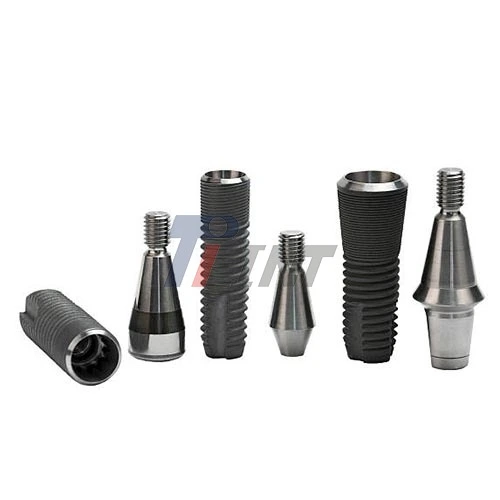
The 8mm diameter is the best size for making orthopedic pins, parts for tooth implants, and shafts for surgery instruments. Centerless grinding is used to achieve tight diameter tolerances (±0.015mm) in this standard. This makes sure that it works with precision machining tools and automatic feeding systems. The size gives the cross-sectional strength needed while keeping the implant shape as low as possible to make the patient more comfortable.
Can suppliers customize surface finishes for specific applications?
Reliable titanium bar makers offer a range of surface finishes, such as polished, pickled, and custom processes that are made to fit the needs of the end user. Customizing the surface has an effect on both how it looks and how it works, such as how well it integrates with bone in implant uses. Talk to your sellers about your unique performance needs to find the best ways to prepare the surface.
Partner with Baoji INT Medical Titanium Co., Ltd. for Certified Quality
Baoji INT Medical Titanium Co., Ltd. is a reliable company that has been making Gr9 Titanium Bar Dia 8mm for over 20 years and works with medical device companies all over the world. Our materials have been certified to meet the strictest worldwide quality standards, including ISO9001:2015, ISO13485:2016, and CE. Before being shipped, every 8mm diameter bar goes through a lot of tests to make sure that the Ti-3Al-2.5V makeup is correct and that the mechanical qualities and dimensions are correct. We offer full material tracking paperwork, lengths and surface finishes that can be changed, and quick expert help throughout the entire product development cycle. Get in touch with our team at export@tiint.com to talk about your unique buying needs and see how our dependability has helped us build long-lasting relationships with top medical device makers on six countries.
References
1. ASTM International. (2020). "Standard Specification for Titanium and Titanium Alloy Bars and Billets." ASTM B348-13, West Conshohocken, PA.
2. International Organization for Standardization. (2016). "Implants for Surgery — Metallic Materials — Part 3: Wrought Titanium 6-Aluminium 4-Vanadium Alloy." ISO 5832-3:2016.
3. Donachie, M.J. (2000). "Titanium: A Technical Guide, 2nd Edition." ASM International, Materials Park, Ohio.
4. Semlitsch, M.F., Weber, H., Streicher, R.M., and Schön, R. (1992). "Joint Replacement Components Made of Hot-Forged and Surface-Treated Ti-6Al-7Nb Alloy." Biomaterials, Vol. 13, Issue 11, pp. 781-788.
5. Lütjering, G. and Williams, J.C. (2007). "Titanium, 2nd Edition: Engineering Materials and Processes." Springer-Verlag, Berlin Heidelberg.
6. American Society for Testing and Materials. (2013). "Standard Specification for Wrought Titanium-6Aluminum-4Vanadium ELI Alloy for Surgical Implant Applications." ASTM F136-13, West Conshohocken, PA.

_1755495780573.jpg)
_1753425743099.webp)