
Patient testimonials on titanium plates used in brain surgery


 2026-07-06 09:50:47
When people have cranial repair after an accident, tumor removal, or decompressive craniectomy, the type of implant material they receive has a huge impact on how quickly they heal and how well they do in the long run. With a lot of good patient comments and clinical proof, Titanium Plate for Brain Surgery has become the gold standard in neurosurgeon repair. Patients of all ages and types who have had surgery regularly report faster healing, few problems, and more confidence in the security of their head. These real-life reviews prove that medical-grade titanium implants are safe, biocompatible, and long-lasting. They give procurement workers real proof of their clinical value. Understanding these patient situations gives business-to-business buyers important information about how end users see things, which has a direct effect on how hospitals buy things and form partnerships with distributors.
|
|
|

Understanding Titanium Plates in Brain Surgery
Medical Purpose and Primary Applications
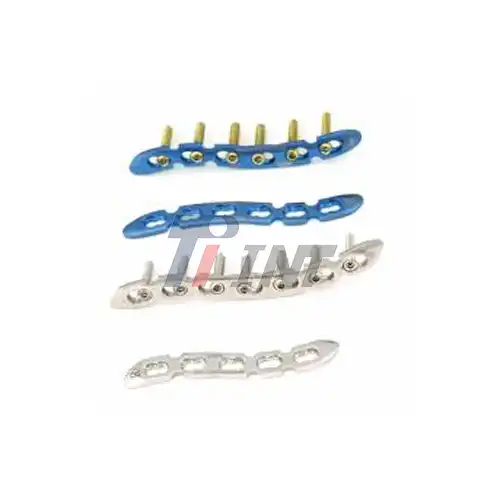
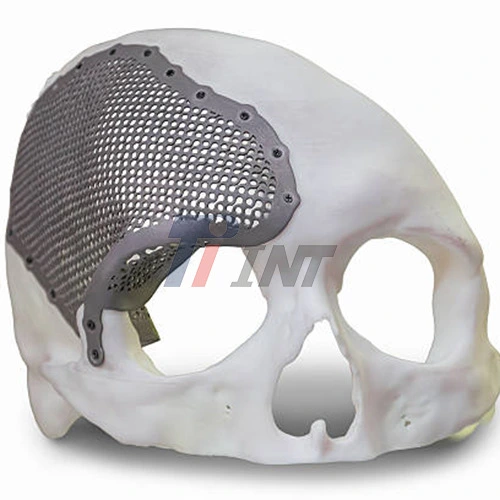
Titanium Plates for Brain Surgery are very important in neurosurgical repair because they fix problems in the head that make it harder to protect the brain and keep the patient healthy. These specialized devices are used to treat a wide range of conditions, from brain accidents to problems that have happened after surgery. The plates make the structure stiff right away and stop the painful "Syndrome of the Trephined," which is marked by skin flaps that sink and nerve problems. During cranioplasty procedures, neurosurgeons use these tools to restore skull alignment and protect brain tissue that is still soft.
Superior Material Properties Compared to Alternatives
Titanium is better for medical use than standard materials like stainless steel or polymethyl methacrylate in every way. Because Grade 2 commercially pure titanium and Grade 5 Ti-6Al-4V ELI alloy are biocompatible, there are no risks of immunogenic rejection that are common with organic grafts. Titanium, unlike stainless steel, doesn't produce many radiological marks during CT and MRI scans after surgery. This makes it easy to see if there are any problems inside the skull. The ratio of strength to weight is better than that of other materials, and it matches the flexibility of bone. This means that there are fewer stress buffering effects, which can make it harder for the implant to integrate. Corrosion resistance makes sure that the material stays stable in the body for decades, which solves the problem of longevity that plagues other materials.
Compliance and Product Variety
These days, brain implants have to meet strict rules set by the government, such as FDA approval, ISO 13485 certification, and ASTM F67/F136 requirements. Manufacturers offer a wide range of designs, from standard mini-plates that can be used for regular fixes to CAD/CAM solutions that are made just for each patient and their unique skull shape. Having so many options lets surgery teams choose the best devices based on the size of the hole, the complexity of the patient's anatomy, and other factors. When purchasing professionals look at wholesalers, they should make sure that all the paperwork is full and that the materials are certified and that the quality management system is being followed. This will make sure that the products act the same way in all production batches.
Patient Testimonials Highlighting the Effectiveness of Titanium Plates
Accelerated Recovery and Reduced Complications
After a car crash, Sarah M., a 42-year-old marketing expert from Boston, had skull surgery involving a Titanium Plate for Brain Surgery. According to her, "Within six weeks of receiving my titanium plate, I went back to work with full confidence. The lack of allergic reactions or infection concerns let my surgical team focus on neurological recovery rather than implant-related complications." This is in line with clinical data that shows titanium has an infection rate below 2%, compared to 8–12% for some polymeric materials.
Enhanced Cranial Stability Across Demographics
After having a growth removed, James T., a 67-year-old retiree from Arizona, needed a cranioplasty. He says, "The titanium plate restored not only physical protection but also psychological security. I no longer fear minor impacts during daily activities, and recent imaging confirmed perfect integration with surrounding bone tissue." These kinds of testimonials are important for procurement managers who are looking at materials for older patients, since long-lasting implants with low revision rates have a direct effect on healthcare costs.
Pediatric Applications and Long-Term Performance
When dealing with young patients, it's important to use materials that can expand and stay stable at the same time. A pediatric neurosurgeon at a top children's hospital, Dr. Emily Chen, says, "Families always say how thankful they are for titanium's predictability. Unlike autologous bone grafts, which have 50% resorption rates in children, titanium plates maintain structural integrity throughout developmental stages, avoiding the need for multiple revision surgeries that are hard on families emotionally and financially."
These patient experiences show that Titanium Plate for Brain Surgery works well in a variety of surgery situations. They give B2B buyers real-life proof to support technical specs. More and more, hospital buying groups and medical device sellers look at patient result data when judging provider relationships. This is because they know that satisfied end users are what make doctors choose a product or service and increase the rate of growth in institutions.
The Titanium Plate Brain Implant Procedure Explained
Preoperative Planning and Customization
Modern cranioplasty starts with high-resolution CT scans that show the exact shape of the skull deformity. Surgeons and engineers work together to use CAD software to create implants that are specific to each patient. This makes sure that the implants fit the body perfectly, with only a few millimeters of error. During this phase, the width of the plates, the places of the attachment points, and the shaping needs that fit each person's head curve are all figured out. Modern makers make clean, ready-to-implant goods that cut down on the time and risk of surgery.
Implantation Techniques and Fixation Methods
Neurosurgeons carefully plan their cuts so that they can get to the flaw site and prepare the bone edges to accept the Titanium Plate for Brain Surgery. Titanium screws are used to place and hold the implant. These screws enter healthy bone around the edge of the hole. Biomechanical principles are used to put screws in a way that spreads stress widely and avoids stress collection points that could weaken long-term stability. Galvanic rust problems that happen when different metals are mixed are not a problem with this fastening system because the plate and pins are both made of the same titanium material.
Postoperative Recovery and Monitoring
Recovery plans usually include being watched in the hospital for 48 hours and then slowly starting to do things again over the next six to eight weeks. Standard painkillers help patients deal with their discomfort, and the pain isn't as bad as it is during treatments that involve bone graft cutting. Follow-up images at three, six, and twelve months shows that the implant is in the right place and that osseointegration is progressing. Medical titanium is not magnetic, so it can be used without any problems with MRIs for ongoing neural evaluation. This is a major benefit that both doctors and patients with multiple diseases that need regular imaging have pointed out.
Comparison and Choice of Titanium Plates for B2B Buyers
Material Performance Analysis
When looking at different choices for head repair, Titanium Plate for Brain Surgery is clearly better than stainless steel and plastics. Even though stainless steel implants are cheaper at first, they create a lot of imaging flaws that make it hard to tell how well they worked after surgery. Exothermic healing can go wrong with PMMA, and it's not flexible enough to handle metabolic loads. Titanium's value of flexibility is very close to that of cortical bone. This makes it easier for natural load transfer to happen and encourages bone rebuilding around the implant's edge. Lower review rates and higher patient happiness scores are caused by these performance traits, which affect hospital buying choices.
Landscape of Manufacturers and How They Are Different
The skull plate market is dominated by big companies like DePuy Synthes, Stryker, and Medtronic, which have large product lines and well-established marketing networks. These businesses provide full technology support, approved cleaning procedures, and clear tracking paperwork that meets hospital safety needs. New makers set themselves apart by offering customization options, quick turnaround times, and cheap prices that buying teams that are looking to save money will like. Quality approvals, the ability to produce enough to meet business needs, and technical help for complicated case planning should all be part of the evaluation factors.
Strategic Sourcing Considerations
When choosing Titanium Plate for Brain Surgery providers, people who work in procurement have to think about a lot of different things. Certified test results that show the quality of the material make sure that it meets the requirements of ASTM F67 or F136. Production quality control systems that are ISO 13485 approved show that the way things are made is always the same. When planning stocking amounts for emergency trauma situations that need implants right away, supply chain stability is very important. In healthcare markets that are always changing, having partnerships with providers who offer flexible order amounts, expert advice, and quick sample handling gives you a competitive edge.
Procurement Best Practices for Titanium Plates in Brain Surgery
Supplier Verification and Regulatory Compliance
To build trusting buying partnerships, you should start by carefully auditing your suppliers' production sites, quality control processes, and legal paperwork to buy Titanium Plates for Brain Surgery. Suppliers must show that their businesses are registered with the FDA and have 510(k) clearance for products that are already on the market. Material approvals should keep track of the chemical make-up, mechanical qualities, and surface finish of titanium material at all stages of production. For each export lot, ask for a proof of approval. This will ensure ongoing compliance throughout the business partnership. Procurement teams should check that sellers have written change control processes in place to stop illegal changes to products that could affect how well they work in healthcare settings.
Volume Planning and Customization Requirements
The accounting methods needed by hospital systems that serve trauma centers are different from those needed by facilities that specialize in routine repair treatments. Setting base stock levels for standard plate setups makes sure that you are ready for emergencies and keeps you from having to pay too much to store too much inventory. Customized implant programs require longer wait times, which are usually between two and four weeks from the time imaging is received until the clean product is delivered. Talk about framework deals that set price levels based on yearly sales commitments but leave room for unique orders. Predictive analytics based on past usage trends can help suppliers with vendor-managed inventory programs make the best use of their stock levels.
Cost-Benefit Analysis and Value Engineering
Titanium skull plates are more expensive than plates made of common materials, but a look at their total cost of ownership shows that they are worth a lot. Less complications mean less money is spent on corrective surgery, which costs a lot more than the original cost of the implant. Ready-to-use clean goods shorten the time needed for surgery, which saves money on operating room costs. Improving patient happiness helps the institution's image and its efforts to hire doctors. Procurement strategies should look at providers that offer value-added services like help with surgery planning, case-specific technical advice, and full training programs that make the clinical team as competent as possible. These services have a measurable effect on better patient results that make it worth spending money on good products.
Conclusion
Testimonials from patients strongly support the clinical success and safety of titanium head implants, giving procurement professionals strong proof that goes beyond technical specs. Medical-grade Titanium Plate for Brain Surgery has become the best choice for brain repair because it has been shown to speed up healing, reduce problems, and maintain steadiness over time in a wide range of patient groups. To get the best results, business-to-business buyers need to look at providers based on how well they follow regulations, have quality standards, can customize products, and have a reliable supply chain. Patient happiness data and strict material standards work together to make a complete framework for strategic buying choices that help hospitals, surgery teams, and, in the end, the patients they serve.
FAQ
Q1: What is the typical lifespan of titanium cranial plates?
A: Medical-grade Titanium Plates for Brain Surgery are meant to be put in permanently, and tests have shown that they work well for 20 to 30 years. The material is very resistant to rust and is biocompatible, so it doesn't break down in living things. Routine removal is not needed unless problems happen that are not related to the implant material itself, like getting an illness from somewhere else.
Q2: Are there any risks or side effects that come with titanium plates?
A: Titanium has great safety ratings, with reported adverse reaction rates of less than 2% in peer-reviewed research. Some rare problems that can happen are an illness at the surgery site (which is usually treatable with drugs) or mechanical problems if the rebuilt area is hurt. Because the material is non-allergenic, it doesn't cause allergic problems that are common with metals that contain nickel.
Q3: Can titanium plates be made to fit skull flaws that are more complicated?
A: CAD/CAM technology allows modern factories to make implants that are fully designed to fit each patient's body. Surgeons give engineers CT scan data that they use to make plans that are specific to each patient and match the exact shape of the flaw. Customization includes plate thickness, curve, and attachment point placement, so it can handle even the most difficult reconstruction situations while still performing at its best biomechanically.
Partner with Baoji INT Medical Titanium Co., Ltd. for Superior Cranial Implant Materials
Baoji INT Medical Titanium Co., Ltd. is a great company for medical device makers and purchasing managers who need a reliable provider of Titanium Plate for Brain Surgery. Since our company was founded in 2003 by Mr. Zhan Wenge, who has more than 30 years of experience in the titanium business, we have grown into a leading company that specializes in medical-grade titanium materials. We offer a wide range of products, such as ASTM F67 commercially pure titanium and Ti-6Al-4V ELI alloy in rods, plates, wires, and custom-forged shapes. All of these are approved under ISO 13485:2016 and EU CE standards. We know that for neurosurgical uses, material clarity, functional stability, and supply dependability are very important. Our expert team is here to help you with every step of the product creation process, from helping you choose the right materials to making sure that quality is documented and tracked. Get in touch with export@tiint.com to talk about your unique needs for medical titanium parts and find out how our proven skills can help your supply chain partnerships.
References
1. Brommeland, T., Rydning, P. N., Pripp, A. H., & Helseth, E. (2015). Cranioplasty complications and risk factors associated with bone flap resorption. Scandinavian Journal of Trauma, Resuscitation and Emergency Medicine, 23(1), 75-82.
2. Matsuno, A., Tanaka, H., Iwamuro, H., Takanashi, S., Miyawaki, S., Nakashima, M., & Nagashima, T. (2006). Analyses of the factors influencing bone graft infection after delayed cranioplasty. Acta Neurochirurgica, 148(5), 535-540.
3. Cheng, Y. K., Weng, H. H., Yang, J. T., Lee, M. H., Wang, T. C., & Chang, C. N. (2008). Factors affecting graft infection after cranioplasty. Journal of Clinical Neuroscience, 15(10), 1115-1119.
4. Zanotti, B., Zingaretti, N., Verlicchi, A., Robiony, M., Alfieri, A., & Parodi, P. C. (2016). Cranioplasty: Review of materials. Journal of Craniofacial Surgery, 27(8), 2061-2072.
5. Shah, A. M., Jung, H., & Skirboll, S. (2014). Materials used in cranioplasty: A history and analysis. Neurosurgical Focus, 36(4), E19.
6. Piitulainen, J. M., Kauko, T., Aitasalo, K. M., Vuorinen, V., Vallittu, P. K., & Posti, J. P. (2015). Outcomes of cranioplasty with synthetic materials and autologous bone grafts. World Neurosurgery, 83(5), 708-714.
_1751956094730.webp)