Does titanium wire rust?


 2026-04-21 09:09:17
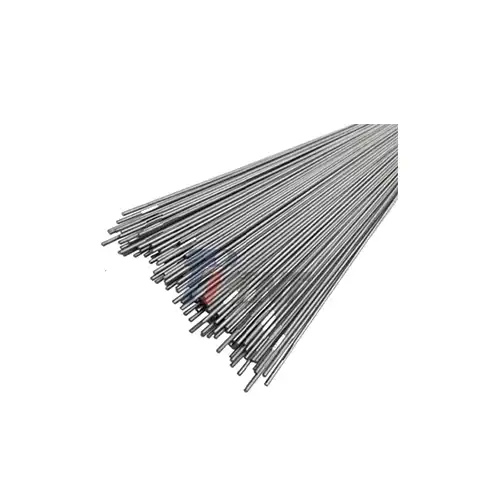
The simple answer is no—titanium wire does not rust in the traditional sense. Unlike iron-based materials that form iron oxide (rust) when exposed to moisture and oxygen, titanium develops a protective titanium dioxide layer that actually prevents further corrosion. Gr2 Titanium Wire, specifically, demonstrates exceptional corrosion resistance due to its commercially pure composition of approximately 99.2% titanium with controlled trace elements. This inherent property makes it the material of choice for medical devices, aerospace applications, and chemical processing equipment where rust formation would compromise both safety and performance.
|
|
|
Understanding Titanium Wire and Its Susceptibility to Rust
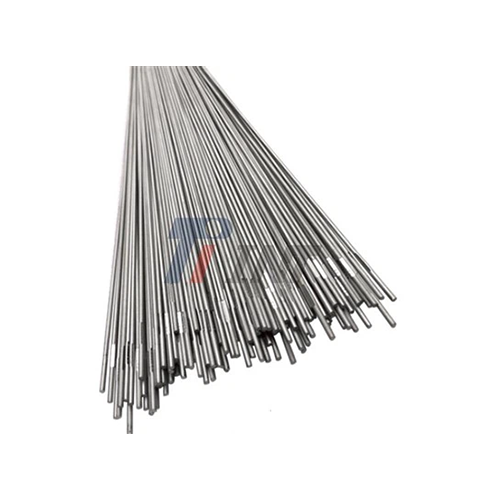
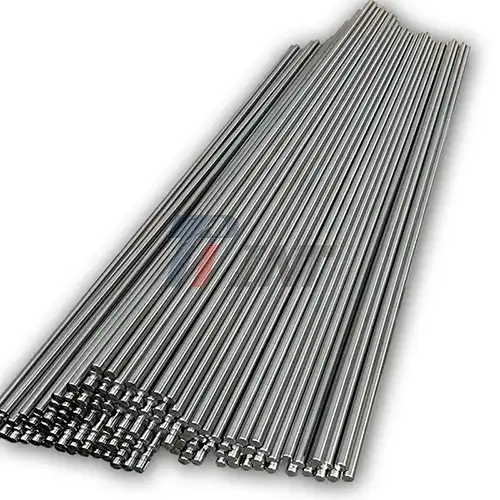
Titanium wire is one of the materials that doesn't rust and can be used in current industry. Titanium wire doesn't rust because of how its chemicals respond with air. Things made of iron rust into flaky, open rust that keeps spreading. Titanium, on the other hand, stops rusting by making a very thin level of metal that sticks together. This safety feature works through a process called passivation. When titanium gets in contact with air, it quickly makes a layer of titanium dioxide (TiO2). It's only a few nanometers thick, but this layer is very solid. This layer doesn't rust like other metals do because it comes back on its own if it gets broken.
Chemical Composition and Corrosion Mechanisms
Titanium that is sold in stores is very resistant to weathering because it has an alpha-phase crystal structure. Titanium doesn't need chromium to keep it from rusting like stainless steel does. That stuff stays strong even when it comes in contact with harsh chemicals like seawater, wet chlorine, and other industrial chemicals. Ti wire comes in different types that are harder and less likely to rust. It is most flexible in Grade 1, but it is stronger in Grade 5 (Ti-6Al-4V) because it has alloying elements added to it. That being said, Grade 2 is the best choice for many business uses because it has the best mix of mechanical qualities and rust protection.
Properties and Specifications of GR2 Titanium Wire Relevant to Corrosion Resistance
Gr2 Titanium Wire (UNS R50400) stands out because it is the standard in the business for many pure titanium uses. Following the rules in ASTM B863, it is good. TiO2 makes up about 99.2% of its chemical make-up. There are strict rules about trace elements like oxygen (0.25% maximum), iron (0.30% maximum), carbon (0.10% maximum), hydrogen (0.015%), and nitrogen (0.03% maximum).
This precise composition delivers a minimum tensile strength of 345 MPa while maintaining superior ductility compared to higher-strength titanium alloys. The controlled amount of air makes it stronger without making it more likely to rust. This means that it can be used in welding for both structure and filling.
Mechanical and Chemical Performance Characteristics
Grade 2 titanium wire is about 4.51 g/cm³ dense, which means it is much lighter than steel wire but still has great tensile properties. This ratio of strength to weight is very important in medical devices and airplanes, where every gram counts and where implants that are light are important for patient comfort.
Another important benefit is that it doesn't change with temperature. There is a wide range of temperatures where grade 2 titanium wire won't rust, from very cold to hot, up to 300°C in most places. This means that the product always works the same way, no matter what the temperature is. It can be used to sterilize medical tools or run a chemical plant.
The material is useful in computer and medical equipment that needs to get rid of magnetic interference because it is not magnetic. It is important that medical tools and medical equipment that may be used in diagnostic procedures and be exposed to strong magnetic fields can work with MRIs.
Comparison of GR2 Titanium Wire and Alternatives for Critical Applications
When buying things that are important, procurement teams need to think about more than just how much the item cost at first. Grade 2 titanium wire is often more valuable in the long run than stainless steel or aluminum wire, even though it costs more at first. At first, stainless steel wire is less expensive, but it doesn't work well in places with a lot of salt. You can get pits and corrosion in even the best stainless steel if you put it in seawater or some industrial chemicals. There is a chance that these kinds of failures will lead to major machine failure and costly downtime.
Performance Comparison Across Industries
Here are the key advantages that make Grade 2 titanium wire superior for demanding applications:
• Chemical Processing: Eliminates premature failure common with stainless steel in acidic or chloride environments, reducing maintenance costs and improving process reliability
• Medical Applications: Provides biocompatibility that aluminum and steel cannot match, preventing adverse tissue reactions in implantable devices
• Aerospace Manufacturing: Delivers weight reduction of approximately 45% compared to steel while maintaining structural integrity under extreme conditions
These advantages translate into measurable benefits for procurement teams focused on total cost of ownership (TCO) instead of just the cost of purchase can figure out how much these perks are worth. The longer life and cheaper maintenance needs normally make up for the higher cost of purchase in the first year. Titanium is useful for things where weight is important because of its unique properties. Being strong and light at the same time can help designers make better medical devices and airplane parts than they could with normal materials.
How GR2 Titanium Wire Is Manufactured to Ensure Durability and Corrosion Resistance?
They use high-tech metalworking ways to create Gr2 Titanium Wire, which has the best mechanical properties and doesn't rust. A very pure titanium sponge is first remelted in a vacuum spark. This is done more than once to make sure that all of the chemicals are the same and that there are no flaws that could affect how well they work. We hot roll the metal and then cold work it to get the right mechanical properties while keeping the fine-grained substructure that keeps it from rusting. We can get rid of the effects of work hardening and find the best mix between strength and flexibility through controlled oxygen annealing.
Quality Control and Surface Treatment Processes
A very important part of making something less likely to rust is finishing the surface. Pickling in acid gets rid of any processing dirt and keeps the surface flat, which is good for the growth of inactive layers. It is very important to do this before welding because the quality of the weld depends on how clean the surface is.
As part of quality control, they are put through extensive chemical testing, mechanical testing, and non-destructive examination to make sure they meet standards in the airplane and medical industries. Each lot comes with paperwork that can be used to track it. This gives important applications the chain of proof they need.
Advanced testing methods, such as scanning electron microscopy and X-ray photoelectron spectroscopy, look at the surface and the strength of the layer that isn't being used. These high-tech ways of testing make sure that every batch meets the strict requirements needed for use in spaceships and medicine.
Practical Procurement Guide for GR2 Titanium Wire in Global B2B Markets
If you want to buy Gr2 Titanium Wire, you need to know how the titanium market works. It costs more than most metals to make titanium because there aren't many approved sources around the world, and the process has to be done in a certain way. Lead times range from 8 to 16 weeks, but they depend on the width, surface finish, and license requirements. This method takes longer because medical-grade products need more paperwork to keep track of. However, FDA and ISO standards are met.
Supplier Evaluation and Selection Criteria
People who are getting Gr2 Titanium Wire should look at a lot of important things before price. All of the tools used for melting, testing, and checking the quality should be looked at as part of the review of factory capabilities. What kind of certification you need depends on the use. For example, ISO 9001:2015 is needed for quality management, while ISO 13485:2016 is needed for medical products. Some methods used in aircraft may need to be certified by AS9100 and approved by NADCAP.
Titanium wire is very hard to make, so there are minimum order amounts that need to be met. Most of the time, the minimum order size for normal widths is smaller. However, for special specs, it may need to be bigger to cover the costs of setting up. When you know these needs, you can make better choices about what to buy and how to store your things.
Conclusion
Titanium wire doesn't rust, is strong for how light it is, and doesn't harm living things. Because of these features, it is very important in the chemical processing, medical, and airplane industries. In most industry settings, Gr2 Titanium Wire is the best choice because it doesn't rust, is strong, and doesn't cost much. The material's self-healing passive layer provides long-lasting security that regular metals can't match. This means that even though the initial investment is higher, the total cost of ownership is lower. When you buy things, it's important to work with skilled sources who know how to deal with the unique needs of titanium processing and can help you with tough jobs.
FAQ
Q1: Does titanium wire corrode in saltwater environments?
A: No, Gr2 Titanium Wire demonstrates exceptional resistance to saltwater corrosion. The protective titanium dioxide layer remains stable even in concentrated seawater applications, making it superior to stainless steel for marine environments.
Q2: Can Grade 2 titanium wire be welded to other metals?
A: When you connect titanium to steel or aluminum directly, you make intermetallic compounds that are weak and break the link. In order to add titanium to metals that are not the same, you need mechanical connections or special joints called transition joints.
Q3: What certifications are required for medical-grade titanium wire?
A: Most of the time, you need ISO 13485:2016 approval, FDA compliance, and full paperwork on how to track products for medical uses. Medical equipment sold in Europe might also need to have the CE mark on them.
Q4: How does surface finish affect corrosion resistance?
A: The finish on the surface changes how well rust works. The best inactive layer development can happen on surfaces that have been pickled in acid. In tough environments, surfaces that have been soiled or worked on more may not be as resistant to rust.
Q5: Is titanium wire suitable for high-temperature applications?
A: When used in most situations, grade 2 titanium wire doesn't rust above about 300°C. Steels made of titanium that can handle high temps might be needed sometimes.
Partner with Baoji INT Medical Titanium Co., Ltd. for Premium Gr2 Titanium Wire Solutions
Baoji INT Medical Titanium Co., Ltd. makes good Gr2 Titanium Wire, so you can trust them. For more than 20 years, they've been making titanium goods that are safe for medical use. We have EU CE, ISO 13485:2016, and ISO 9001:2015 certifications for all of our quality control systems. This means they meet the toughest international standards. We can fully track the materials we use, give you expert advice, and process them in a way that fits your needs.
Because we have modern production facilities and an experienced engineering team, we can meet the exact goals and high quality standards of companies that make health care products and spacecraft. Contact our technical team at export@tiint.com to talk about your needs for titanium wire and find out how our knowledge can help you improve the way you make things and the products you make.
References
1. Boyer, R., Welsch, G., & Collings, E.W. (2007). Materials Properties Handbook: Titanium Alloys. ASM International, Materials Park, Ohio.
2. Lutjering, G., & Williams, J.C. (2003). Titanium: Engineering Materials and Processes. Springer-Verlag, Berlin.
3. Schutz, R.W., & Thomas, D.E. (1987). Corrosion of Titanium and Titanium Alloys. Metals Handbook, 9th Edition, Volume 13, ASM International.
4. ASTM International. (2019). ASTM B863-19: Standard Specification for Titanium and Titanium Alloy Wire. West Conshohocken, Pennsylvania.
5. Rack, H.J., & Qazi, J.I. (2006). Titanium alloys for biomedical applications. Materials Science and Engineering C, 26(8), 1269-1277.
6. Donachie, M.J. (2000). Titanium: A Technical Guide, 2nd Edition. ASM International, Materials Park, Ohio.
_1750669056274.webp)
_1750667964882.webp)