
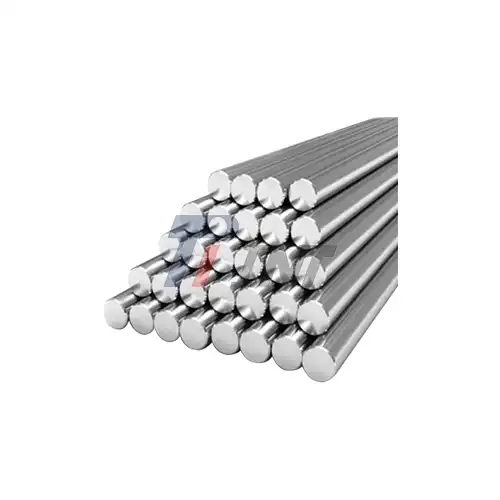
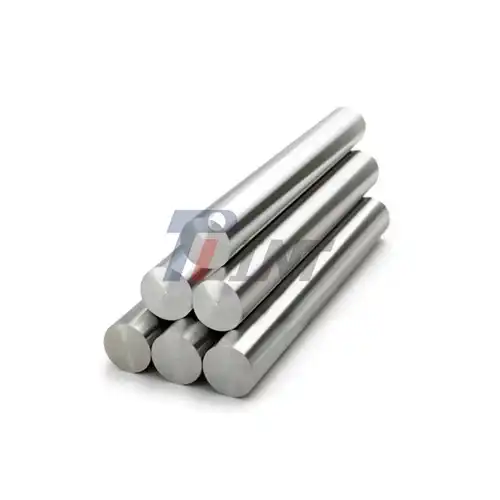
Where can I find medical titanium bars that meet ISO standards for implants?


 2026-04-22 11:55:23
Looking for medical titanium bars that are ISO-compliant doesn't have to be like looking for a rock in a haystack. Certified suppliers can be found on specialized B2B platforms, at medical device trade shows like MEDICA or MD&M West, through suggestions from professional medical device groups, or directly from well-known makers who have all the paperwork you need. Working with suppliers that have strict quality management systems and certifications like ISO 9001:2015, ISO 13485:2016, and compliance with ASTM F136 or F67 standards is key. These are the credentials that tell the difference between real medical-grade material providers and industrial-grade ones.
|
|
|
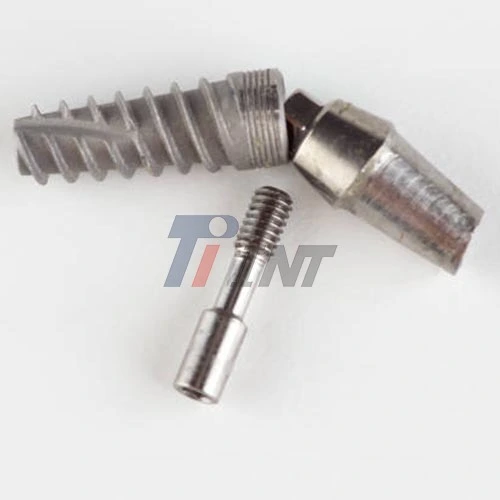
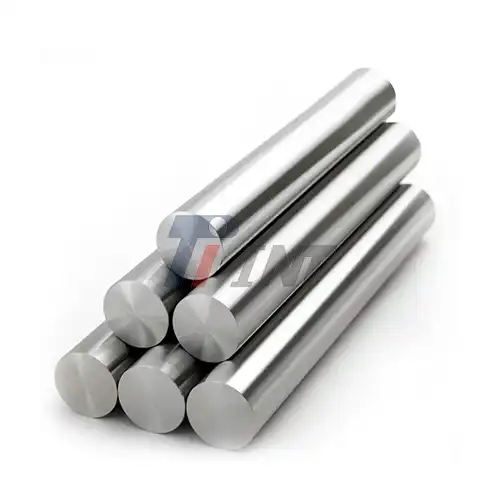
Understanding Medical Titanium Bars and ISO Standards
What Makes Medical Titanium Bars Different
When it comes to metal stock, medical titanium bars are a very specific type that are made to fit internal devices. These bars are not like industrial-grade titanium that is used in aerospace or car uses. They go through vacuum arc remelting and controlled thermomechanical processing to get rid of microstructural defects. This makes a material that behaves consistently mechanically, doesn't rust in body fluids, and has a steady titanium dioxide layer on top that blends in perfectly with human tissue.
Most of the time, Grade 5 (Ti-6Al-4V) and Grade 23 (Ti-6Al-4V ELI, or Extra Low Interstitial) are used. Compared to Grade 5, Grade 23 has less oxygen, nitrogen, and iron, which means it is more ductile and less likely to break. These are important qualities for load-bearing implants that are put through millions of stress cycles. Commercially pure titanium grades (CP Grade 1-4) are better at being biocompatible and resistant to rust than alloy grades, but they are not as strong mechanically.
The Role of ISO 5832 Standards
The standard for medical implant materials is set by the ISO 5832 series of guidelines. ISO 5832-2 talks about titanium that isn't alloyed, and ISO 5832-3 talks about the specs for the Ti-6Al-4V alloy. In Grade 5 alloys, these standards set strict limits on the chemical make-up. For example, aluminum levels must be between 5.5 and 6.75% and vanadium levels must be between 3.5 and 4.5%. There are also strict limits on minor elements like iron and carbon that could make the metals less biocompatible.In addition to science, ISO guidelines require minimum levels of mechanical properties.
Ti-6Al-4V ELI needs to have a tensile strength of at least 895 MPa, a yield strength of more than 825 MPa, and a minimum extension of 10%. These requirements aren't made up on the spot; they come from decades of clinical research that shows a link between the qualities of the material and how long an implant lasts. These standards spell out testing procedures, surface finish requirements, and grain structure parameters. They build a system that can be used again and again, so that suppliers and batches can be compared. This is very important when you're certifying products for the FDA 510(k) or CE marking routes.
Technical Specifications That Matter
When looking at material datasheets, there are a few things that you should pay extra attention to. Compared to stainless steel (200 GPa), titanium alloys have an elastic stiffness of about 110 GPa, which is much closer to the range of 15 to 30 GPa found in cortical bone. This similarity lowers "stress shielding," which happens when implants are too stiff and stop normal bone loading, which causes bone mass loss over time. Ti-6Al-4V has a strength-to-weight ratio of about 76 kN·m/kg, which is 20% higher than stainless steel but weighs almost half as much.
The ability of an implant to withstand fatigue under cyclic loads decides how long it will last in changing settings like knee joints or spinal cages. Quality medical titanium bars have a failure strength of more than 500 MPa after 10 million cycles. This standard has been proven by ASTM F1801 rotating beam tests. Surface treatments like polishing and sandblasting affect how quickly bones fuse together and how germs stick to them. This means that the finish standards are just as important as the bulk material qualities.
How to Identify Reliable Suppliers of ISO-Compliant Medical Titanium Bars
Certification Documentation You Should Verify
Legitimate sellers keep up with multiple levels of certification that show they can both make things and handle quality well. There are some things that general ISO 9001 certification doesn't cover when it comes to medical device quality management systems. For example, general ISO 9001 certification doesn't require written processes for design controls, risk management, or traceability. Instead of just asking for certificates, ask for copies of the audit reports as well. These show what the certification covers and any problems that were found during security checks.
Each batch should come with a material test report that lists the chemical make-up (using spectroscopy), the mechanical properties (using tensile testing), and the grain structure (using metallography). Look for certificates from third-party labs that have been approved and use equipment that has up-to-date testing records. For the U.S. market, suppliers should provide Declarations of Conformity that reference ASTM F136 or F67 standards. For the European market, suppliers need to provide CE marking paperwork that is backed up by Technical Files that have been reviewed by Notified Bodies.
Evaluating Supplier Manufacturing Capabilities
The production infrastructure of a provider shows a lot about how well they can keep quality constant. Vacuum arc remelting ovens get rid of inclusions and make the chemistry uniform in the creation of modern medical titanium bar production. Controlled gas annealing ovens keep the surface from oxidizing during heat treatment, and precision forging equipment and CNC machining centers make it possible to keep the dimensions of the parts very close to each other. Ask to look at equipment qualification processes and preventive maintenance records during supplier checks, whether they are done in person or online.
Process validation paperwork shows that the provider can consistently make materials that meet the requirements. Check for proof of statistical process control, like control charts that show how key factors like tensile strength change between production lots. Suppliers who have their own metals labs with hardness testers, scanning electron microscopes, and wear testing tools can quickly answer questions about quality and help with failure analysis if problems happen.
Geographic Considerations and Supply Chain Transparency
China has become a big maker of medical-grade titanium. Many of the factories that make titanium are located near Baoji city, which is convenient because it is close to refineries that make titanium sponge. Companies like Baoji INT Medical Titanium Co., Ltd., which was formed in 2003 and has over 30 years of experience in the field, show how a strategic position paired with focused specialization can give a company price and technical advantages. Their ISO 9001:2015, ISO 13485:2016, and EU CE certifications make sure that the quality standards needed for foreign medical device supply chains are met.
European and Japanese makers often charge more because they have been around longer and have a well-known brand. However, this doesn't always mean that the materials used are better when comparing certified goods that meet the same standards. When choosing between regional providers, you should think about things like lead times (usually 8–12 weeks from Asia vs. 6–8 weeks in the U.S.), shipping costs, import taxes, and the strategic value of having a diverse supply chain.
Purchasing Medical Titanium Bars for Implants: Key Considerations
Selecting the Right Grade for Your Application
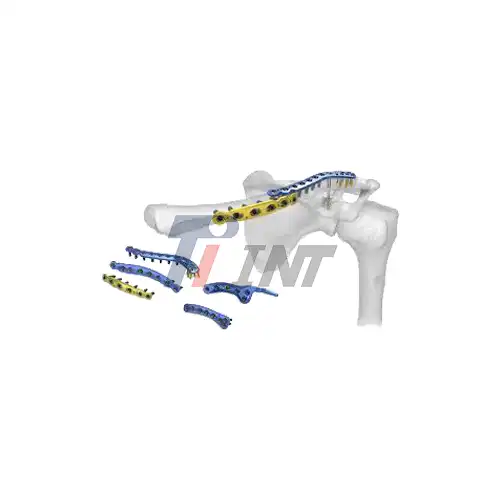
More than any other factor, application needs determine the choice of material. Spinal braces and fracture plates that need the highest strength-to-weight ratios usually call for Ti-6Al-4V ELI, which has a tensile strength of more than 895 MPa and the low modulus benefits that help bones fuse together. Commercially pure titanium (Grade 4) is often used for dental implants because its slightly lower strength is enough for these uses, and its better rust resistance and biocompatibility lower the risks in the mouth's tough chemical environment.You can customize more than just the grade. You can also choose the dimensions and finish of the surface.
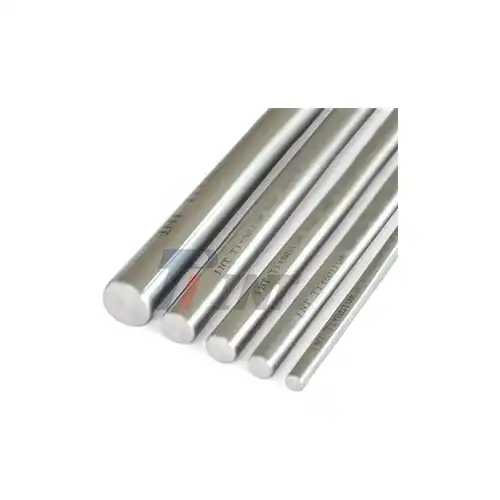
Medical titanium bars come in a range of sizes, from 6 mm for small bone screws to 150 mm for big joint parts. Standard lengths are between 1,000 and 3,000 mm, which can be used with a number of CNC machines. Surface treatments, such as polished, sandblasted, or acid-etched conditions, affect later machining steps and the final performance of the implant. To avoid expensive rework, it is important to make sure that the original material specs match the needs of later processing steps.
Understanding Pricing Dynamics and Volume Considerations
The cost of materials changes depending on more than just the grade chosen. Because of tighter chemistry controls and extra processing steps, Ti-6Al-4V ELI usually costs 15 to 25 percent more than normal Grade 5 alloy. The amount of an order has a big effect on the price per unit. For orders over 500 kg, bulk savings of around 10-15% are common. Suppliers might offer better terms for yearly contracts that ensure steady demand. This gives them peace of mind when planning production and gives buyers a way to know what the prices will be.
Minimum order amounts depend on the supplier and the goods, but for standard sizes, they are usually between 50 kg and 200 kg. Custom sizes or lengths usually have higher MOQs to cover the costs of making the necessary tools. When purchasing managers compare the costs of keeping inventory with the benefits of price optimization, they should figure out the "economic order quantities," which take into account things like storing costs, capital costs, and the chance that materials will become obsolete if designs change before the inventory runs out.
Lead Time Planning and Delivery Reliability
The time it takes to make medical titanium bars depends on whether you order them in stock sizes or to your exact specs. Standard sizes from trusted sources usually ship in 6 to 8 weeks, but custom orders that need special forging dies or heat processes can take 12 to 16 weeks. Chinese manufacturers usually give longer wait times because of the time it takes for ocean freight. However, for pressing needs, air freight can cut delivery times to two to three weeks for about three times the cost of shipping. Managing schedule risks can be done by establishing relationships with suppliers that value open communication and honesty.
Suppliers with specialized account management keep you informed about the state of production, possible delays, and the availability of goods. Companies like Baoji INT Medical Titanium Co., Ltd. have built relationships with clients that last for ten years by focusing on on-time delivery and quick expert help. These are "soft factors" that are very important when production plans depend on materials arriving on time. When looking at new providers, ask for performance measures like the percentage of on-time deliveries and the percentage of quality rejections.
Addressing Common Challenges in Procuring ISO Medical Titanium Bars
Mitigating Counterfeit Material and Certification Fraud
The medical device business sometimes deals with fake products that have fake licenses, which is a problem that could have very bad results. Effective risk reduction starts with seller qualification processes that check certifications directly with the groups that issued them instead of taking papers at face value. Check the certificate numbers against the records of the ISO registrar and ask for new certificates instead of copies that may be out of date.
Material identification tools let you keep track of things from the time they are made from raw medical titanium bar sponge to finished bars. You should ask for heat numbers or lot codes that make it possible to connect the actual material to the test certificates. Third-party labs that check the material independently give you extra peace of mind. It costs $500 to $1,500 per study to send samples for chemistry and mechanical property testing, but it's worth it for big orders or new source relationships.
Comparing Titanium Against Alternative Implant Materials
When choosing materials, you have to think about the pros and cons in a lot of different areas. Titanium metals cost 40–50% more than stainless steel (316L), but stainless steel has a higher stiffness, which protects against stress, and nickel sensitivity problems that only affect 10–15% of the population. Cobalt-chromium alloys are very good at resisting wear on surfaces that move with joints, but they have a higher stiffness than titanium and don't have the osseointegration properties that are needed for bone-interfacing parts.
Ceramics, like alumina and zirconia, are very biocompatible and resistant to wear, but they are very fragile, so they can only be used in low-impact situations. Carbon fiber materials have a stiffness that is almost exactly the same as bone, but they are hard to make, they don't last long, and there isn't much clinical evidence to support their use. Titanium is still the most common material for load-bearing implants, even though it costs more. It is strong enough, doesn't react badly with the body, doesn't rust, and has been used in many clinical studies.
Ensuring Long-Term Implant Success Through Material Purity
Trace element pollution is a sneaky quality risk because the effects show up slowly through biological processes instead of breaking down right away. In lab research, vanadium levels above the allowed limits have been linked to cell death, but the therapeutic relevance is still being discussed. Oxygen and nitrogen, which are intermediate elements, make titanium stronger but less flexible, which could make it more likely to break under heavy loads. When compared to traditional melting methods, suppliers who use vacuum arc remelting and plasma atomization techniques get more pure metal.
Ask for chemistry reports that are special to each batch and list all the elements, such as carbon, oxygen, nitrogen, iron, hydrogen, and all the main alloying elements. Values that are much lower than the highest specification limits give you safety gaps that can handle normal process variation. The small price increase for materials that come from sources with advanced purification capabilities (usually between 5 and 8%) is a smart way to protect yourself from regulation problems or clinical problems that can be linked to poor material quality.
Future Trends and Innovations in Medical Titanium Bars
Advanced Manufacturing Techniques Reshaping the Industry
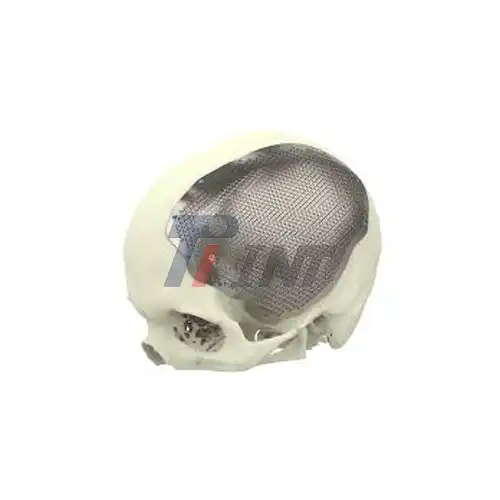
Additive manufacturing has gone from being a cool way to make prototypes to being a real way to make some metal implants. Using Ti-6Al-4V ELI powder for metal 3D printing makes it possible to make patient-specific shapes that aren't possible with traditional cutting. This includes complex grid structures that help bone grow. At the moment, powder bed fusion methods are used in addition to wrought bar stock and not instead of it. However, the technology affects how implant designers think about implants and how sourcing teams set up medical titanium bar supply chains.
New developments in thermomechanical processes, such as beta forging and solution treatment optimization, make microstructures that are smoother and have better fatigue qualities. Some companies now make bars that are certified to have a wear strength that is 15-20% higher than the standard requirements. This lets implant designs have smaller cross-sections and less weight. While these high-end materials are more expensive, they can be worth it because they allow for better product performance or longer implant service life.
Regulatory Evolution and Compliance Requirements
Regulatory agencies are continuing to make it harder to get documents and keep track of them. The Medical Device Regulation (MDR) in the European Union, which went into effect in 2021, calls for better technical paperwork that includes biological safety data and thorough descriptions of the materials used. The U.S. FDA advice puts more and more emphasis on supplier quality management, which forces device makers to do more thorough checks of their suppliers and keep detailed files on them.
Because of these changes in regulations, supplier quality systems are now more important than just price competition when it comes to buying plans. When it comes to partnerships, manufacturers with well-established quality structures and documentation systems are more useful than cheaper providers who aren't ready for audits. During premarket reviews, regulatory agencies will likely look closely at the relationships between suppliers. This means that choosing a supplier should be a strategic choice rather than a merely transactional one.
Sustainability and Ethical Sourcing Considerations
Concern for the environment is changing the way businesses buy things because gadget makers are under pressure from stakeholders to make their supply chains more sustainable. Titanium processing and refining use a lot of energy, and the carbon footprints they leave behind depend a lot on where the power comes from and how well the processes work. Some sellers now offer environmental product statements that list cradle-to-gate emissions. This lets device makers figure out and share the carbon footprints of their products.
Concerns about worker safety, fair labor practices, and staying away from conflict minerals are ethical issues that affect the supply lines for titanium. Titanium from war zones isn't looked at as closely as tantalum or tungsten, but more and more, responsible procurement teams are asking suppliers for proof of their social duty. As corporate responsibility is added to procurement scorecards, suppliers that use ISO 14001 environmental management systems and put out sustainability reports show that they are committed to meeting these changing standards. This could affect purchasing choices.
Conclusion
To find medical titanium bars that are ISO-compliant, you have to weigh technical needs, supplier skills, legal requirements, and business concerns. To be successful, you need to carefully look over certifications, make sure the materials are correct, and build relationships with providers that show they have a mature quality system and can deliver on time. When procurement workers know the differences between titanium grades, what the ISO 5832 standards mean, and what the latest trends are in the industry, they can make choices that support both short-term production needs and long-term strategy goals. In the medical device market, which is getting more and more competitive, sellers who offer professional know-how, full certifications, and open communication will become the most sought-after partners.
FAQ
How can I verify that medical titanium bars truly meet ISO standards?
Ask approved labs to give you material test reports that list the chemistry, mechanical qualities, and grain structure of the material according to ISO 5832 guidelines. Check the supplier's ISO 13485 certificates against the records of the granting registrar to make sure they are real. For important sales, you might want to send samples to labs like SGS or Intertek for verification study by an independent third party. Suppliers who are doing business legally welcome scrutiny and keep detailed records that connect real materials to test results.
What distinguishes Ti-6Al-4V from Ti-6Al-4V ELI, and which should I specify?
Ti-6Al-4V ELI (Extra Low Interstitial) has less oxygen, nitrogen, and iron than normal Grade 5. This makes it more flexible and harder to break. ELI grade is best for implants, like orthopedic devices, that need to be very resistant to stress and reliable under repeated loads. Standard Ti-6Al-4V is good enough for surgery tools and temporary implants where wear life is not as important. The ELI price usually adds 15 to 20 percent to the cost of the materials, but the extra safety makes the investment worth it for lasting implants.
Can customization affect lead times significantly?
Standard bar sizes from stock usually ship within 6 to 8 weeks. However, wait times can go up to 12 to 16 weeks for unique diameters, lengths, or surface processes that need special tools. Talk about the customization needs early on in the buying process. Suppliers may offer other standard sizes that meet the functionality needs without requiring custom wait times. Having ties with more than one source gives you options when you need them quickly.
Partner with a Trusted Medical Titanium Bar Manufacturer
Baoji INT Medical Titanium Co., Ltd. has been making medical-grade titanium for more than 30 years and supplies implant makers all over the world with materials that are ISO 9001:2015, ISO 13485:2016, and EU CE approved. Our wide range of products includes pure titanium, Ti-6Al-4V, and Ti-6Al-4V ELI bars with diameters from 6 to 150 mm and styles like polished or sandblasted. All of these meet ASTM F136 and ISO 5832 standards and come with full paperwork that shows where they came from. When medical device companies buy things, they have to deal with problems like consistent quality, following the rules, dependable shipping, and getting expert help as the product is being made.
Our engineering team helps suppliers turn their relationships with us into effective partnerships by giving them advice on material choice, processability, and quick responses to communication requests. Email our team at export@tiint.com to talk about your unique needs, get technical datasheets, or set up a sample review. As a well-known medical titanium bar supplier with customers in North America, Europe, and Asia, we can meet your needs for implant manufacturing materials that have been tested and proven to work well at a good price.
References
1. Davis, J. R. (2003). Handbook of Materials for Medical Devices. ASM International, Materials Park, Ohio.
2. Froes, F. H., & Qian, M. (2018). Titanium in Medical and Dental Applications. Woodhead Publishing Series in Biomaterials, Elsevier.
3. International Organization for Standardization. (2016). ISO 5832-3:2016 Implants for Surgery - Metallic Materials - Part 3: Wrought Titanium 6-Aluminum 4-Vanadium Alloy. Geneva, Switzerland.
4. Niinomi, M., & Nakai, M. (2011). Titanium-Based Biomaterials for Preventing Stress Shielding between Implant Devices and Bone. International Journal of Biomaterials, Article ID 836587.
5. Rack, H. J., & Qazi, J. I. (2006). Titanium Alloys for Biomedical Applications. Materials Science and Engineering: C, 26(8), 1269-1277.
6. Steinemann, S. G. (1998). Titanium—The Material of Choice? Periodontology 2000, 17(1), 7-21.
_1753926358324.jpg)
_1753429871786.webp)
_1750923514395.webp)
_1750663253486.webp)