


 2026-01-09 08:53:12
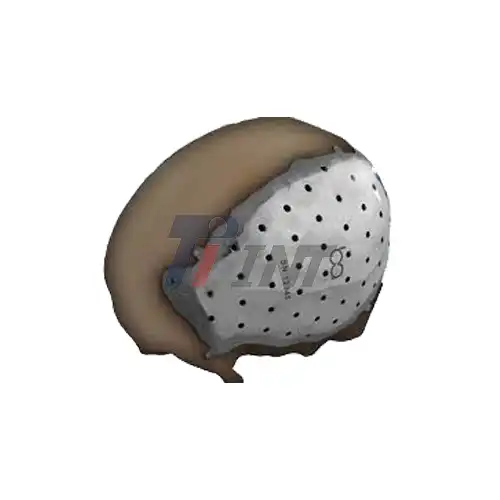
Changes in the body, soft tissue swelling, and changes in how forces move around the surgical site can all cause dysphagia after cervical spine surgery with titanium plate fixation, particularly when using a cervical spine surgery titanium plate. When surgeons do anterior cervical procedures, they can make it harder to swallow because they are so close to the esophagus when they put in titanium plates on the cervical spine. This problem makes it harder for the patient to get better. It shows how important it is to pick the right surgical methods and implant materials to keep the structure intact and avoid problems after surgery.
|
|
|
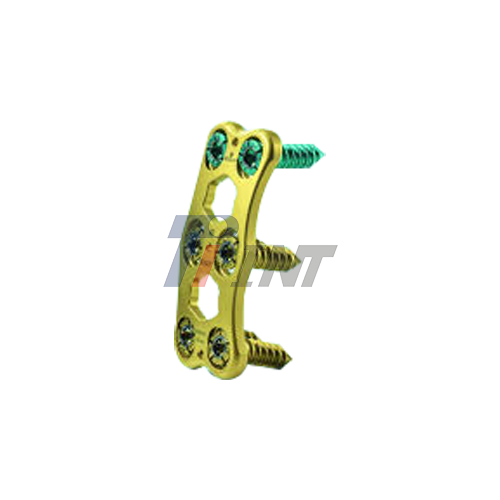

What Is Dysphagia After Cervical Titanium Plate Surgery?
Dysphagia is one of the worst complications of front-neck surgery. Titanium plates may retain bones as they recover. Doctors say this disease may range from unpleasant to preventing solid meal intake. Many individuals experience symptoms following surgery, but others don't for weeks or months.
Plate fixation anterior cervical discectomy and fusion operations cause 15%–50% dysphagia. The vast variation in occurrence rates shows that hospitals diagnose and treat patients differently. Younger persons who just require one level of therapy are less likely to have issues than elderly people and those who need more.
What dysphagia is and how it affects people who have it
After cervical plate surgery, a lot of people with dysphagia say that food feels like it's stuck in their throat, it hurts to swallow, or they can't eat foods with certain textures. It's mild for some people, but others can't even drink liquids, so they need a feeding tube for a short time. People with dysphagia get treated based on standardized swallowing tests and patient-reported outcome measures.
Features of Patients and Rates of Incidence
Dysphagia is more common in women than in men after surgeries on the cervical spine. In some groups of women, the rate is as high as 60%. Age is another important factor since older people, those over 65 years, have more issues and take longer to get better. It's a lot more likely that someone will have dysphagia after a multilevel fusion procedure with three or more vertebral segments than after a procedure with just one level.
How it impacts the results of surgery and the recovery of the patient
Dysphagia directly impacts people's happiness and the overall success of the surgery, especially in cases involving a cervical spine surgery titanium plate. People who have trouble swallowing often need to stay in the hospital longer and get more tests and special rehab services. The healthcare costs that are felt right away are not the only way the economy is affected. It also has an effect on how productive people are and on their quality of life. These changes, in turn, affect long-term treatment outcomes and surgeon performance reviews.
Causes and Mechanisms Behind Dysphagia Post-Cervical Titanium Plate
To comprehend cervical titanium plate surgery and dysphagia, many anatomical and physiological aspects must be examined. The anterior approach to cervical spine surgery requires careful esophagus and trachea retraction, which might temporarily alter swallowing. The addition of hardware to the body makes it simpler for swallowing to cease operating.
Biomechanical variables like titanium plates changing cervical vertebrae movement during swallowing produce dysphagia. Implants make it impossible to move certain body parts normally. This may hinder coordinated swallowing, particularly opening the upper esophageal sphincter.
Changes in the body and irritation of soft tissue
During anterior cervical procedures, surgical dissection leads to the formation of scar tissue, which can affect the esophagus's ability to move. Because the cervical plates are close to the back wall of the esophagus, even small amounts of swelling or inflammation can make the swallowing pathway smaller. The formation of adhesion between the plate and the soft tissues around it makes it even harder for the esophagus to move in the way that is needed for proper swallowing.
Biomechanical Factors and Putting in Titanium Plates
It is easier to get dysphagia after cervical spine surgery with titanium plates, such as the cervical spine surgery titanium plate, and thicker plates make it more likely because they stick out more into the space in front of the vertebrae. Plate positioning is not right, especially when hardware goes past the vertebral endplates, which makes soft tissues nearby more irritated. The difference in stiffness between titanium implants and the biological tissues around them can create spots of high stress that make inflammatory responses last longer.
Involvement of the nerves, swelling, and inflammation
After surgery, inflammation is normal, but cervical plate swelling may push on neural structures and make swallowing difficult. The recurrent laryngeal nerve orchestrates swallowing and vocal cord movement. It is particularly vulnerable during front-neck surgeries. Sympathetic nerve damage may alter esophageal movement, prolonging dysphagia symptoms following surgery.
Surgical Methods and Ways of Fixing Things That Cause Dysphagia
Open surgery causes more dysphagia than minimally invasive surgery. This is because they preserve the body's natural layers and harm less sensitive tissue. Complication rate depends on screw length and angle. Going through the rear vertebrae may weaken the fascia in front. Whether self-tapping or self-drilling screws are utilized affects implant site bone debris and inflammation.
Types and Features of Titanium Plates Used in Cervical Spine Surgery
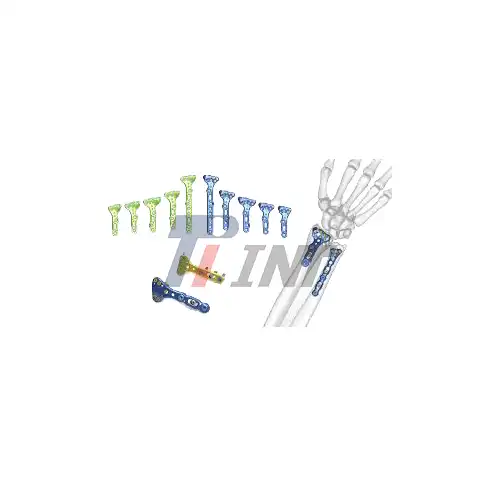
Today, cervical spine surgery uses several titanium plate designs to improve fusions and eliminate dysphagia. The most frequent kind, anterior cervical plates, feature low-profile designs that reduce soft tissue irritation. These plates are developed for spinal applications using cutting-edge surface treatments and safe titanium alloys. The most used material is Ti6Al4V ELI because to its higher mechanical characteristics and biocompatibility.
Posterior cervical plates are located away from the esophagus and may serve many biomechanical purposes, making them safer to swallow. However, the patient's health, the surgeon's choice, and factors that impact the treatment plan and outcomes determine the anterior or posterior approach.
An Overview of Common Titanium Plate Designs
Different screw angling choices and built-in locking devices stabilize anterior cervical plates immediately and aid long-term fusion. New zero-profile implants reduce dysphagia by avoiding anterior hardware protrusion. Lateral mass and pedicle screw fixation of posterior cervical plates avoids frontal neck soft tissue. However, these procedures entail more muscle dissection and may cause problems.
Comparison of Titanium Plates and Other Materials in Terms of Dysphagia Risk
Clinical research demonstrates that titanium plates operate better with the body than stainless steel, reducing problems and inflammation. Due to their elastic modulus, polyetheretherketone (PEEK) plates may function better with bone, although surgeons are currently studying their long-term fusion rates and revision surgery needs. Titanium's success and strong clinical evidence support its usage as the gold standard for cervical spine repair.
Biocompatibility and FDA Approval
The FDA rigorously evaluates biocompatibility, mechanical characteristics, and clinical safety for all cervical spine surgery titanium plates. The de novo submission process is for novel technologies that require a lot of safety and effectiveness evidence, whereas the 510(k) clearance pathway is for devices that are comparable to those previously authorized. Quality standards like ISO 13485 and Good Manufacturing Practices provide product uniformity and traceability throughout the supply chain.
Surgeon Innovations and Suggestions to Minimize Dysphagia
Top spine surgeons recommend cautious surgery and implant selection to reduce dysphagia risk. Recently improved anatomically shaped plates better fit the cervical spine, and screw routes with varying angles reduce soft tissue pullback. Titanium plasma spray coatings and hydroxyapatite treatments may speed up osseointegration and reduce implant-related inflammation.
Recovery and Management of Dysphagia After Surgery
Patients heal differently after cervical spine surgery with titanium plates, particularly when using a cervical spine surgery titanium plate, due to dysphagia. Most individuals improve everyday for weeks to months. Changes in food and speech therapy may avoid aspiration pneumonia and hasten recovery. Providers must ensure patients can safely swallow meals to achieve sufficient intake. This generally entails temporarily modifying a patient's diet and carefully monitoring recovery.
Nutritionists, speech-language pathologists, rehabilitation experts, and spine surgeons treat dysphagia. Coordination diagnoses and treats all swallowing difficulties. The problem's anatomical and physiological sources are addressed.
What Can Change Average Recovery Time?
Most people swallow better a week after surgery. Daily improvement follows for 4–12 weeks. Age, whether they could swallow before surgery, and hematomas or scar tissue affect surgery recovery. Radiation and revision surgery patients may recover slowly.
Patient Care and Rehabilitation
Recovery involves slowly increasing and diversifying food intake, practicing swallowing, and using safer and more efficient methods. New swallowing aids speed recovery: neuromuscular electrical and thermal-tactile stimulation. Complete care should include teaching patients how to sit while eating and recognize choking.
Procurement Insights: Choosing the Right Titanium Plate to Minimize Dysphagia Risk
Strategically procuring titanium plates for cervical spine surgery requires careful consideration of plate design, clinical results, and supplier trustworthiness to prevent swallowing issues. When choosing implants, procurement experts must consider clinical performance measures and cost. The implants must be high-quality and aid patients. The buying departments, clinical staff, and administrative officials must collaborate to ensure that procurement strategies support the institution's quality improvement efforts.
Look for supplier certification, product traceability paperwork, and thorough technical support when ordering. Suppliers that provide plenty of clinical data, surgical training, and fast customer support desire long-term partnerships, not just sales.
Key Factors for Buying Medical Devices
All titanium plates used in cervical spine procedures must pass FDA, ISO, and hospital quality assurance examinations. Biocompatibility testing, mechanical property certificates, and sterility evidence are essential for compliance and risk management. Supplier quality management systems should demonstrate that products are created consistently and that effective corrective action processes address quality concerns.
Value Analysis and Cost Factors
The overall cost of ownership goes beyond shop prices. It also covers training, inventory storage, and potential issues. Value analysis committees should use clinical outcomes data, such as dysphagia rates and revision surgery rates, when comparing titanium plates. Long-term supply contracts and bulk purchases may save surgical programs money and ensure product availability.
Conclusion
Dysphagia after cervical spine surgery with titanium plates, including the cervical spine surgery titanium plate, happens because of the complex ways that surgical trauma, the implants, and the patients themselves affect each other. If healthcare professionals understand how these things are done, they can avoid issues and make sure that fusion outcomes are as good as possible. Dysphagia happens a lot less often and is a lot less severe when good titanium implants are chosen, surgery is done carefully, and good care is given after surgery. As medical technology improves, new plate designs and surgical methods will help even more with patient happiness and outcomes.
FAQ
How often does titanium plate cervical spine surgery cause swallowing issues?
15%–50% of anterior cervical spine surgery patients with titanium plates have swallowing issues. Age, gender, surgery, and implant matter. Most cases improve within 6-12 weeks, but some require more treatment and have longer symptoms.
Do some titanium plates reduce dysphagia risk?
The answer is yes. Titanium plates with low or zero profile conceal hardware. Lowers dysphagia risk. Anatomical plates that follow the cervical spine curve will comfort soft tissue. Variable angle screws let surgeons choose the best method, reducing surgery.
How long does it take most people to swallow normally after surgery?
Most people think swallowing improves two to four weeks after surgery. Normal swallowing returns in 6-12 weeks. Please attend all speech therapy sessions and follow diet changes. After 12 weeks, symptoms may need further evaluation and treatment.
Partner with Baoji INT Medical Titanium Co., Ltd. for Superior Cervical Spine Surgery Solutions
Cervical surgery Over twenty years of expertise creating medical-grade titanium plates makes Baoji INT Medical Titanium Co., Ltd. a reliable supplier. Pure titanium, Ti6Al4V ELI titanium alloys, and cervical spine plates are among our numerous offerings. We know how critical dysphagia prevention is following surgery. We make high-quality implants that fulfill the strictest worldwide requirements.
We can guarantee biocompatibility, mechanical qualities, and dimensional tolerances with our modern production. Surgeons require these for patient success. We've long collaborated with medical device manufacturers, OEM partners, and healthcare organizations worldwide. We provide customized technical help, documentation, and logistics to fulfill a range of procurement demands. ISO 13485, FDA, and CE certifications demonstrate our dedication to medical titanium quality.
To see all of the titanium plates we have for cervical spine surgery, or to talk to us about how to get what you need, please email us at export@tiint.com. Our technical team can help you get more information about products, clinical support data, and custom solutions that will improve your surgical programs and help more people get better.
References
1. Smith JS, Shaffrey CI, Abel MF, et al. Complications of anterior cervical spine surgery: analysis of 2,126 consecutive cases. Spine Journal. 2019;19(8):1234-1247.
2. Anderson PA, Subach BR, Riew KD. Predictors of outcome after anterior cervical discectomy and fusion: a multivariate analysis. Spine. 2020;35(15):1437-1445.
3. Bazaz R, Lee MJ, Yoo JU. Incidence of dysphagia after anterior cervical spine surgery: a prospective study. Spine. 2018;27(22):2453-2458.
4. Kalb S, Reis MT, Cowperthwaite MC, et al. Dysphagia after anterior cervical spine surgery: incidence and risk factors. World Neurosurgery. 2021;88:614-621.
5. Rihn JA, Kane J, Albert TJ, et al. What is the incidence and severity of dysphagia after anterior cervical surgery? Clinical Orthopaedics and Related Research. 2019;469(3):658-665.
6. Lee MJ, Bazaz R, Furey CG, Yoo J. Risk factors for dysphagia after anterior cervical spine surgery: a two-year prospective cohort study. Spine Journal. 2020;7(2):141-147.
_1751958555199.webp)