
Exploring the Grades and Applications of Medical Titanium Rods


 2026-06-09 09:10:15
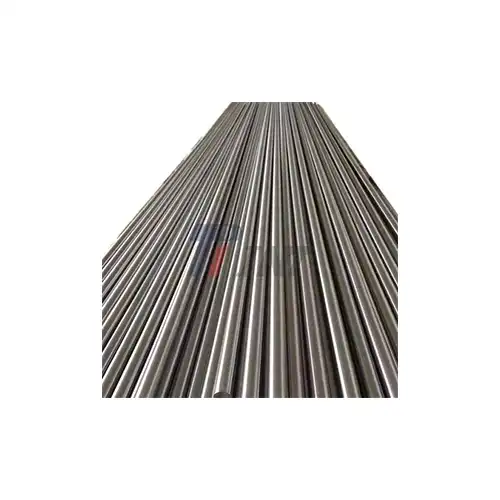
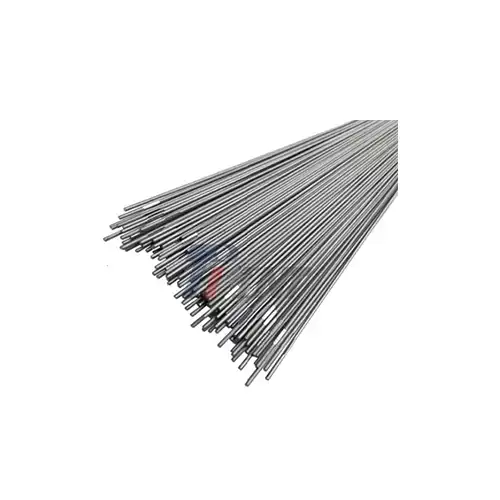
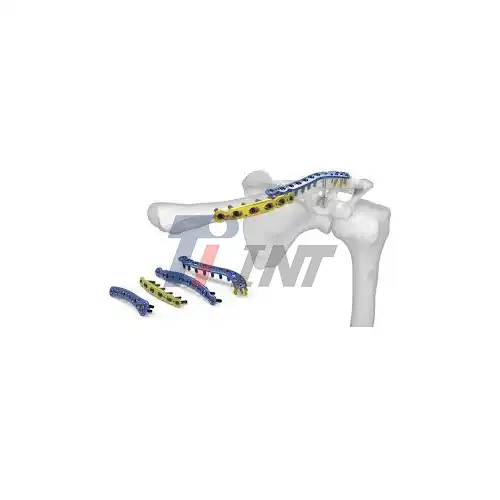
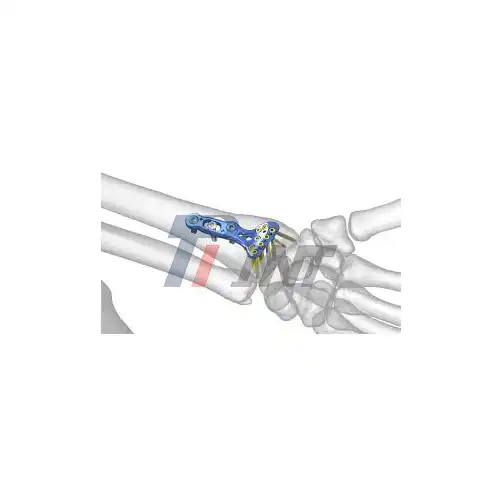
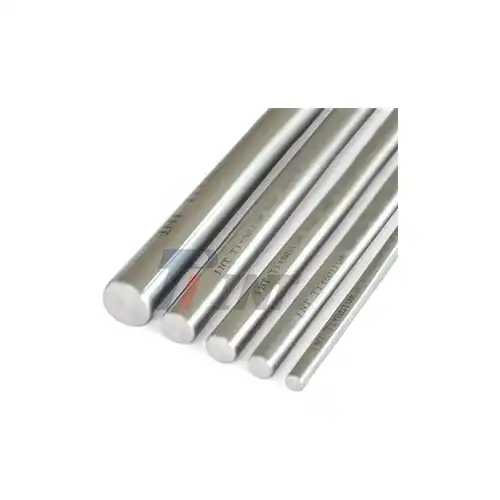
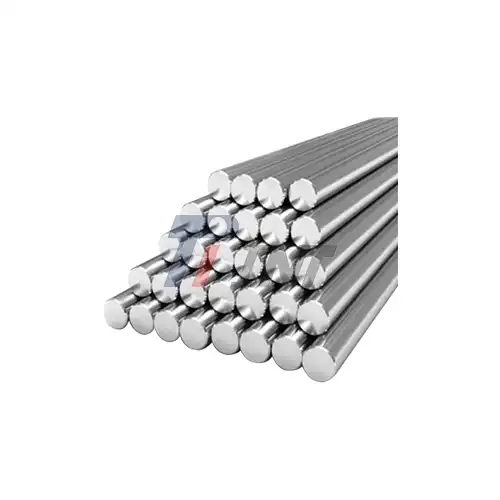
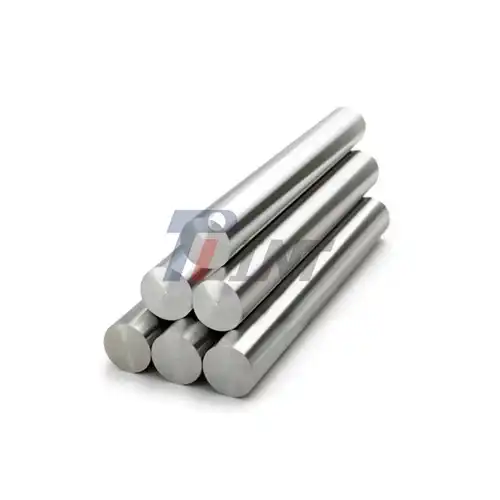
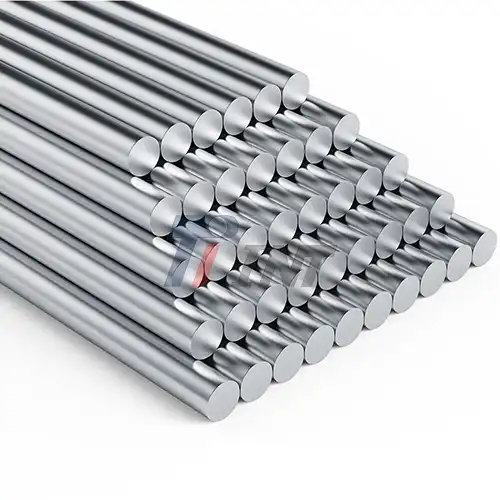
Medical titanium rods are precision-engineered, safe metal parts that are mostly made from Ti-6Al-4V ELI alloy or commercially pure titanium grades. As basic building blocks, these high-performance bars are used to make orthopedic implants, spine fixation systems, and surgery instruments. The exceptional biocompatibility profile, modulus of elasticity that is close to that of human cortical bone at 110 GPa, and respect to strict standards like ASTM F136 and ISO 5832-3 are what set titanium rod medical goods apart from conventional industry options. These traits work together to solve important problems in the business, like stress shielding, metallosis, and implant wear failure under repeated physiological loading conditions.
|
|
|
Understanding Medical Titanium Rods and Their Key Properties
Medical-grade titanium rods are made from a wide range of advanced materials that were designed to work in healthcare settings. We at Baoji INT Medical Titanium Co., Ltd. make these parts out of pure titanium and modern Ti-6Al-4V ELI alloys. Each has its own mechanical and biological qualities that purchasing professionals need to know about when choosing materials for their product lines.
When it comes to performance, the main difference between widely pure titanium grades and titanium alloys is what they are made of. Pure titanium grades go from Grade 1 to Grade 4. As the oxygen level rises, the strength goes up, but the flexibility goes down a little. Grade 4 has a tensile strength of about 550 MPa, which means it can be used for low-load tasks like tooth bridges and some surgical tools. These types are very resistant to corrosion in body fluids, which are a harsh environment with chloride ions and proteins that would quickly break down stainless steel options.
Ti-6Al-4V ELI alloy, which is usually called Grade 5 or Grade 23, is the material of choice for load-bearing orthopedic uses. The "Extra Low Interstitial" name means that this alloy has less oxygen, nitrogen, and carbon than industry grade titanium. It is made up of about 6% aluminum and 4% vanadium. INT's production process makes Grade 5 rods with a tensile strength of up to 860 MPa and a yield strength of up to 795 MPa. These rods also have a 10% elongation that makes them very difficult to break during implantation treatments. This material is stronger than stainless steel but only 60% as dense, so it puts less stress on the bone tissue around it.
Critical Material Properties for Medical Applications
A stable, self-healing titanium dioxide layer forms on the surface of titanium rod medical goods. This layer protects the rods from rusting. This passive film, which is usually 2 to 6 nanometers thick, stays whole even if it gets scratched during surgery because it instantly forms again when oxygen comes in contact with it. This feature removes the risk of metal ion release that can change the color of tissues and cause inflammatory reactions that can happen with cobalt-chromium or stainless steel devices. Potentiodynamic polarization testing in artificial body fluid at 37°C is part of our quality control procedures. It checks for rust resistance and makes sure that all production lots perform the same.
Another important thing to think about for devices that are loaded and unloaded many times is their fatigue resistance. During a person's lifetime, their hip stems and spine plates may go through millions of stress cycles. Microstructural uniformity is achieved through vacuum arc remelting at our facilities. This makes sure that the grain structure is regular and there are no inclusions that could act as crack starters. Testing shows that the fatigue strength is higher than 500 MPa after 10 million cycles, which gives practical uses a lot of safety cushion.
Available Specifications and Customization
Our production skills include diameters from 3 mm to 100 mm, and we can customize lengths up to 6 meters to fit different industrial processes. Depending on the needs of the next step in the process, surface treatments like polished, sandblasted, or molded can be chosen. In dentistry uses, polished surfaces make osseointegration easier, while machined finishes give the best dimensional accuracy for precise CNC work. This gives buying managers the freedom to make the best use of their goods while still meeting the different production needs of a wide range of products.
Applications of Medical Titanium Rods Across the Healthcare Industry
Since titanium rod medical materials are so adaptable, they can be used in a wide range of clinical settings, each of which requires a different type of material and a different shape. Knowing about these uses helps buying teams match the skills of suppliers with the plans they have for product development.
Orthopedic and Trauma Surgery Applications
Titanium rods are used to make intramedullary nails, which are used as interior splints for long bone fractures, especially in femoral and tibial fixes. Titanium is the only metal that can be both strong and flexible, which is exactly what these gadgets need. When the modulus of flexibility of an implant matches that of human bone, stress shielding doesn't happen. This is when implants that are too stiff cause bone to break down and eventually become free. We give companies that make orthopedic devices Ti-6Al-4V ELI rods with diameters from 8mm to 16mm. These rods are put through controlled thermomechanical treatments that make the microstructure better for cutting complex shapes with screw holes that fit together.
Spinal stabilization systems are another important area where titanium bars can be used because they are biocompatible and provide skeletal support. Surgeons shape these rods during surgery to fit the spine tissue of each patient. This requires materials that are flexible enough to bend without creating tiny cracks. Our Grade 5 material has a high yield strength and 10% extension, which lets it be flexible enough for surgery while still staying structurally strong over time under the complex physical loads of the human spine.
Dental and Maxillofacial Reconstructive Uses
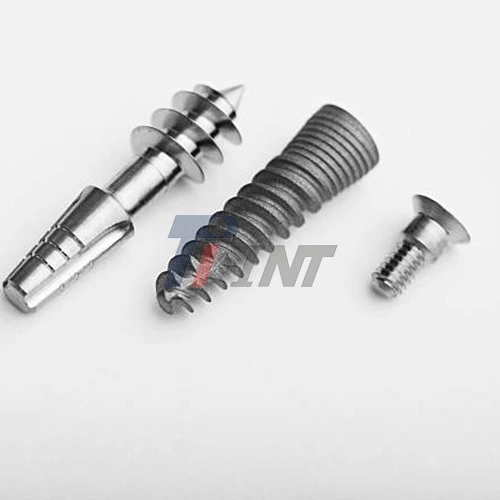
Most dental implants are made from titanium rods with smaller diameters (3mm to 8mm) that are machined into threaded fittings that fit straight into the alveolar bone. Titanium surfaces' ability to fuse with bone has completely changed tooth implants, with success rates exceeding 95% in carefully chosen patients. For these uses, our economically pure titanium grades strike the best mix between how they work when machined and how they react biologically. The ability to prevent rust is especially useful in the mouth, where changing pH levels and bacterial biofilms make an electrochemical environment that is not friendly.
Titanium is radiolucent, which means that imaging after surgery can be done without any artifacts getting in the way. This is helpful for maxillofacial repair plates and orbital floor implants. For craniofacial procedures, surgeons need materials that can be exactly shaped but still keep their structural integrity. Our medical-grade titanium rods have these qualities and are provided with uniform mechanical properties throughout each production batch.
Surgical Instrumentation and Cardiovascular Devices
Titanium bars are used to make surgical tools that can withstand being sterilized over and over again. They are also used to make implantable devices. Titanium alloys are used to make retractors, pliers, and needle holds. These tools stay the same size after hundreds of autoclave cycles at 134°C, which is much higher than the temperature at which instruments made from different metal combinations would break. Because it's light, surgeons don't get tired during long procedures, which is something that's becoming more and more important when talking about operating room speed.
Commercially pure titanium types are used in cardiovascular uses like pacemaker housings and heart valve parts because they are biocompatible and hermetic. In these situations, sheets or tubes are often used, but the material uniformity we achieve in our rod production works for all product shapes. This gives makers who work on a variety of device types peace of mind about their supply chains.
Comparing Titanium Rods to Alternative Materials in Medical Applications
Choices about which materials to use have a big effect on both health results and the long-term economics of the product. Data-driven procurement plans are possible when you know the relative benefits of titanium rod medical goods versus other materials.
Historically, medical devices have been mostly made of stainless steel 316L because it is a cheaper material to work with and can be machined easily. 316L stainless steel has a compressive strength between 485 and 690 MPa, which is about the same as commercially pure titanium types. The main problem comes up when it comes to biocompatibility and rust. Nickel and chromium ions are released when stainless steel rusts, which causes hypersensitive responses in about 10 to 15 percent of patients. The higher modulus of elasticity at 200 GPa causes strong stress buffering effects, which are especially bad for long-term implants that need to keep bone mass up. Total cost of ownership estimates that include revision surgery rates and patient outcome measures often show that titanium's better performance is worth the extra cost.
Cobalt-chromium metals are strong and don't wear down easily, which makes them useful for the areas that move in joint replacements. Cobalt-chromium alloys seem to be stronger than titanium alloys because their tensile strength is higher than 900 MPa. The cons are that it has a much higher modulus of elasticity (around 240 GPa), which makes stress buffering problems worse, and it is much denser (8.3 g/cm³ compared to titanium's 4.5 g/cm³). Device weight has a direct effect on how comfortable the patient is and how the bones are loaded. Recent studies have shown that modular joints in hip implants release cobalt ions. This raises worries about systemic toxicity and carcinogenicity that titanium's bioinert nature completely avoids.
A new option is carbon fiber reinforced plastics, which are often used for fracture plates that need to be fixed temporarily. These materials have the lowest modulus of flexibility, which means they are very similar to the characteristics of bone. There are some problems with it, like weaker strength that needs bigger cross-sections, radiolucency that makes it harder to see during surgery, and worries about degradation in the biological environment. Because it's harder to make and costs more per unit, carbon fiber is only used in certain situations where its unique qualities make it worth the extra money.
Titanium's already great performance can be improved with surface processes and coats. Anodization methods make controlled oxide layers that change color so that they can be seen during surgery while still being biocompatible. Using plasma spray to apply hydroxyapatite coats speeds up osseointegration by creating a calcium phosphate surface that looks and acts like natural bone minerals. These changes to the surface of titanium make it more useful without changing the bulk qualities of the material that make it reliable over time. Teams in charge of buying things should check with their suppliers to see if they offer combined surface treatment or if they need to make more relationships in the supply chain to get finished parts to them.
Procurement Guide: Selecting and Buying Medical Titanium Rods
To find titanium rod medical that work well, you have to deal with complicated rules and regulations while keeping quality, cost, and shipping performance in mind. Since we've been helping medical device makers for more than 20 years, we've learned a few important things about buying things.
Certification and Quality Management Systems
Getting materials for medical devices starts with making sure they follow the rules. Baoji INT Medical Titanium Co., Ltd.'s titanium rod medical goods all have ISO9001:2015, ISO13485:2016, and CE approvals, which show that we follow quality management standards throughout the whole production process. These certificates show where the raw materials came from and who inspected the finished product. This is important for supporting your device reports to regulatory bodies, such as FDA 510(k) applications and EU MDR technical documents.
Each shipment comes with a material test report that lists important qualities like the chemical make-up, tensile strength, yield strength, and elongation values. These certificates make it possible for new inspection processes to work and give design history files the proof they need. When looking at possible suppliers, ask to see sample certificates to make sure the paperwork is full and meets the standards of your quality system.
Understanding Customization Capabilities
Standard stock measures work for common uses, but when new medical devices are made, they often need to be made to particular measurements. Because we are flexible in how we make things, we can meet special diameter specs, length needs, and surface finish requirements that go beyond what is normally available. R&D engineers working on the next generation of implants benefit from working with suppliers who can support small numbers of prototypes without imposing minimum order amounts that would make the cost of development go up.
Talking about your full product roadmap with possible providers lets you make plans for when materials will be available and how to use your capacity. We help our customers predict trends of demand by keeping extra stock on hand for important specs and avoiding the costs that come with having too much inventory on hand. This joint method works especially well for new businesses and people who are making new devices but don't have a lot of money to spend on them right now.
Evaluating Supply Chain Logistics and Lead Times
The way the global supply chain works has a big effect on when medical devices are made. Medical-grade titanium rods usually have lead times between 6 and 12 weeks, but this depends on how complicated the specifications are and how many rods are ordered. Our location in Baoji, which is known as China's titanium industrial base, puts us close to sources of raw materials and specialized processing facilities that shorten wait times compared to dealers who have to go through multiple handoffs in their supply chain.
Knowing how your provider schedules production and handles inventory can help you make sure that the time of your purchases matches your manufacturing needs. We use rolling forecast tools to help customers manage high-volume output, making sure materials are always available and getting the most out of their inventory investments. Transportation logistics, such as containerization choices, freight forwarding partnerships, and help with customs paperwork, help make sure that deliveries happen on time, which keeps production lines running smoothly.
Future Trends and Innovations in Medical Titanium Rods
The medical titanium business is always changing because of new discoveries in materials science and improvements in manufacturing technology that promise better patient results and higher operating savings. Titanium rod medical applications are a prime example of how these advancements are driving innovation, offering enhanced performance and versatility in surgical procedures.
Advanced Alloy Development
Beta-titanium alloys with a modulus of elasticity closer to 75–85 GPa are being developed by researchers. This will make them even less effective at protecting against stress in orthopedic uses. Niobium, tantalum, and zirconium are some of the elements used in these metals to keep the beta phase stable while still being biocompatible. Even though they aren't widely used yet, beta-titanium metals could be the way of the future for implants where improving mechanical properties is what sets them apart from competitors.
When you use additive manufacturing to make porous titanium buildings, you can control the modulus matching through architectural design instead of changing the makeup. There are 40 to 60 percent holes in lattice structures that show modulus values between 3 and 20 GPa while still being strong enough for load-bearing uses. These structures also help bone grow into the implant space, which could get rid of the interface failure processes that cause implants to come loose in the first place.
Manufacturing Technology Evolution
Some types of additive manufacturing, like selective laser melting and electron beam melting, can make complicated shapes that can't be made with traditional subtractive manufacturing. Implants made straight from CT scan data that are customized for each patient improve surgical fit and may lead to better clinical results. Even though these technologies can only work with titanium powder right now instead of wrought bars, they show how the medical device business is moving toward mass customization.
We've put money into CNC machining and precision forging through our company Shaanxi Stand Biotechnology Co., Ltd. This lets us help customers whether they want to use standard manufacturing methods or a mix of these methods that use forged parts and finish machining. This manufacturing flexibility is becoming more and more useful as gadget makers find the best ways to make parts work better and cost less to make.
Smart Material Integration
Surgical site infection risks can be reduced with antimicrobial coverings that contain silver nanoparticles or antibiotic-eluting polymers. This is especially important for trauma fixation in dirty wound settings. With surface functionalization methods, these coats can be put on finished implants without changing the mechanical properties of the titanium rod underneath. Teams in charge of buying things should keep an eye on how coating technology changes and check to see if their source ties give them access to these processes that add value.
Embedded sensor technologies that allow implant tracking are still mostly in the testing phase, but they point to a future where the titanium rod base might be able to transmit data. Even though there are still a lot of technical problems with making electrical parts and power supplies that are biocompatible, this idea shows how material makers and device manufacturers could work together to come up with really new products.
Conclusion
Medical titanium rods are important materials for the medical device business because they are biocompatible, have good mechanical performance, and can be made in a variety of ways to suit a wide range of clinical needs. Titanium rod medical applications, in particular, benefit from these properties, providing reliable support in a variety of surgical procedures. Knowing the differences between grades, what applications need them for, and how to buy them gives buying managers, R&D engineers, and supply chain workers the power to make smart choices that protect product quality and follow regulations.
Titanium's capabilities keep growing thanks to improvements in alloys, manufacturing methods, and surface treatments. It still has the basic qualities that have made it the best material for implanted devices. For medical device development and marketing to go smoothly, companies need to make strategic relationships with experienced suppliers who can offer full technical support, quality paperwork, and a reliable supply chain.
FAQ
Q1: Why is Grade 5 titanium preferred for orthopedic implants?
A: Grade 5 titanium metal, which is also called Ti-6Al-4V ELI, has the right amount of strength and biocompatibility for hip implants that hold weight. This metal can survive the strong forces that are created during weight-bearing activities thanks to its tensile strength of 860 MPa and yield strength of 795 MPa. It is also flexible enough to be used for surgery contouring. The "Extra Low Interstitial" label guarantees less oxygen content, which improves fracture toughness and wear resistance.
Q2: How does titanium rod medical corrosion resistance compare to stainless steel?
A: Titanium rod medical makes a steady, self-healing titanium dioxide passive layer that is more resistant to corrosion than stainless steel's chromium oxide layer. In body fluids, which are high in chloride, stainless steel corrodes in cracks and releases nickel ions that cause sensitive reactions in people who are more likely to be affected. Titanium is completely bioinert, so there are no worries about metallosis or tissue coloring that could affect how well an implant works in the long run.
Q3: What customization options are available for medical titanium rods?
A: Manufacturers can choose from diameters from 3 mm to 100 mm, lengths of up to 6 meters, and surface finishes such as cut, polished, or sanded. To support precision machining processes, the chemical makeup can be changed within the limits of the grade, and the size tolerances can be made tighter than what is normally required in business. Our expert team works with customers to come up with standards that are best for their clinical needs and production processes.
Partner with Baoji INT Medical Titanium Co., Ltd. for Your Titanium Rod Medical Requirements
Finding a trustworthy titanium rod medical provider is very important for making successful medical devices. The Baoji INT Medical Titanium Co., Ltd. has been making medical-grade titanium products for more than 20 years and has full ISO13485:2016 and CE certifications to support your legal compliance needs. We offer a wide range of products, from pure titanium to Ti-6Al-4V ELI alloys, with sizes ranging from 3 mm to 100 mm. We can also make our products to fit your exact design needs. In addition to providing materials, we also offer technical advice to help with choosing the right materials, improving the process, and creating the quality paperwork that is needed for FDA submissions and entering foreign markets. Get in touch with our team at export@tiint.com to talk about your buying needs with a reliable medical titanium maker that cares about the success of your product.
References
1. Rack, H.J. and Qazi, J.I. (2006). "Titanium Alloys for Biomedical Applications." Materials Science and Engineering: C, Volume 26, Issue 8, Pages 1269-1277.
2. Niinomi, M. (2008). "Mechanical Biocompatibilities of Titanium Alloys for Biomedical Applications." Journal of the Mechanical Behavior of Biomedical Materials, Volume 1, Issue 1, Pages 30-42.
3. Geetha, M., Singh, A.K., Asokamani, R., and Gogia, A.K. (2009). "Ti Based Biomaterials, the Ultimate Choice for Orthopaedic Implants – A Review." Progress in Materials Science, Volume 54, Issue 3, Pages 397-425.
4. ASTM International (2013). "ASTM F136-13: Standard Specification for Wrought Titanium-6Aluminum-4Vanadium ELI Alloy for Surgical Implant Applications." West Conshohocken, PA: ASTM International.
5. Kaur, M. and Singh, K. (2019). "Review on Titanium and Titanium Based Alloys as Biomaterials for Orthopaedic Applications." Materials Science and Engineering: C, Volume 102, Pages 844-862.
6. ISO Technical Committee 150 (2016). "ISO 5832-3:2016 Implants for Surgery – Metallic Materials – Part 3: Wrought Titanium 6-Aluminium 4-Vanadium Alloy." Geneva: International Organization for Standardization.
_1755061331871.png)
_1751957234428.webp)