


 2026-01-08 09:31:22
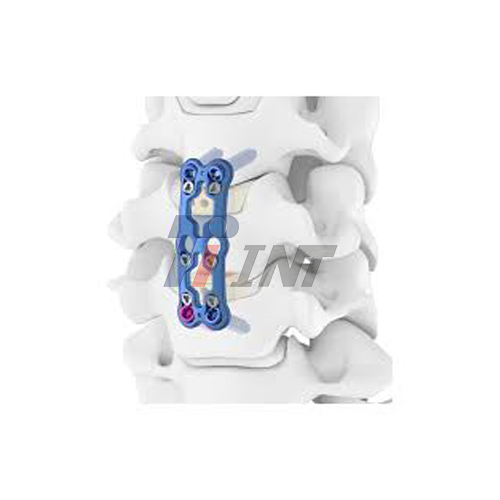
Neck surgery has come a long way. A neck surgery titanium plate technology is going to make cervical spine surgery very different. Because of these new inventions, orthopedic surgeons are doing spinal fusions in new ways. Things are changing to help get better results for patients, and the surgeries are becoming more precise. As this market changes, medical device manufacturers and procurement experts need to be aware of new trends so they can make choices that keep clinical effectiveness and economic viability in mind. Using bioactive coatings, advances in nanotechnology, and smart monitoring systems all at once is a big change in the treatment of the cervical spine that will probably make things better.
|
|
|

Limitations of Current Neck Surgery Titanium Plate Technologies
Traditional cervical spine implants have big problems that affect both the results of the surgery and the patient's long-term happiness. Understanding these limitations gives you important information for judging the next-generation solutions and their procurement effects.
Everyday Problems with Standard Titanium Plates
Mechanical limits are a major challenge in typical titanium plate design. Implant fatigue typically causes failure in recurrent loading circumstances nowadays. This is particularly true for active individuals who stress their cervical hardware. The crystal structure of typical titanium grades may create tiny fissures over time. This might weaken spinal fusions.
Traditional surface treatments may not be adequate to prevent particles from falling off during physiological motion, another issue. Inflammation from these microscopic particles may promote osteolysis and loosen implants. Titanium has good corrosion resistance, however surface scratches or manufacturing errors that cause galvanic cell conditions may diminish it.
Tissue responses from mild inflammation to hypersensitivity may result from biocompatibility concerns. These reactions may hinder bone growth and damage the biological substrate essential for fusion. Because typical plates are stiff, stress shielding may occur. The implant carries loads that should flow through healthy bone tissue.
Limits on surgery and patient outcomes
Standard titanium plates function well for fusion surgery. A neck surgery titanium plate may be especially useful in difficult instances like revision operations or fragile bones, where success rates may be higher. After surgery, pain management is tougher if the implant design stresses the neighboring segment or disrupts cervical biomechanics.
Poor plate profiles might hinder healing. These profiles might press on sensitive tissues or cause under-skin lumps. These design concerns may delay recovery and increase the likelihood of a second surgery. Healthcare providers often struggle to balance the costs and advantages of new technology. This is particularly true in value-based care, where results directly impact provider pay.
Emerging Materials and Designs Revolutionizing Neck Surgery Plates
Revolutionary changes in materials science and engineering are overcoming many of the problems with older cervical implants by using new methods that improve both biological integration and mechanical performance.
Titanium Alloys and Surface Treatments of a More Complex Nature
Next-generation titanium alloys have optimal compositions to withstand fatigue while maintaining biocompatibility, making titanium the ideal orthopedic implant material. High-tech materials have a comparable elastic modulus to natural bone tissue and greater fracture propagation resistance.
Surface engineering advances with nano-coating. They provide unprecedented control over implant-tissue interactions. These extremely thin layers may be produced in precise ways to expedite osseointegration, promote cell responses, and give long-term microbial protection. Biomimetic hydroxyapatite surfaces aid bone development. Meanwhile, silver-ion coatings defend against many infections without affecting biocompatibility.
Advanced manufacturing technologies create big and tiny forms for bone development via surface texturing. The implant and host tissue have a stronger biological relationship because cells attach to and proliferate on these regulated surface characteristics. Procurement teams chose this choice because implants last longer and are safer for patients, particularly when considering long-term clinical and economic results.
New Ways to Make and Fix Plate Structures
Anatomically tailored, low-profile designs provide the optimum biomechanical support for cervical fusions without irritating soft tissue. These plates are manufactured utilizing modern technical approaches that consider how people's bodies vary and how weight affects the cervical spine.
Customization of modular fixation mechanisms is unprecedented. This allows surgeons to determine the ideal settings for each patient and procedure. In more scenarios, variable angle screw trajectories guarantee fixation better by working with varied bone and body shapes. A neck surgery titanium plate is an example of these innovative designs that improve fusion success. Fusion is more successful and healthcare institutions require less inventory with these advanced solutions.
Advanced biomechanical performance elements include stiffness distributions that promote bone-implant load sharing. This reduces stress shielding and stabilizes fusion repair. Improved clinical results help medical device businesses stand out in competitive industries.
Integration of Smart Technologies in Titanium Plates
As medical device technology and digital health platforms come together, new opportunities are being created for cervical spine surgery to monitor patients in real time and tailor care to each person.
Sensor-Embedded Plates for Ongoing Observation
By sensing temperature and mechanical strain patterns, tiny sensors integrated onto titanium plates can constantly monitor fusion. These technologies provide doctors objective healing process data to establish evidence-based rehabilitation plans and activity limitations.
Early detection of issues changes post-operative treatment. Smart implants can detect load distribution or implant movement trends before standard imaging approaches can. This proactive approach reduces catastrophic failures and allows timely patient safety intervention.
Data is easily delivered to electronic health records and physician dashboards using digital healthcare integration. This full patient monitoring system increases care coordination. Remote monitoring increases clinical supervision, making patients happy and lowering expenses. This reduces office visits for patients.
Digital Improvements to the Workflow in Plate Manufacturing
Additive manufacturing may build patient-specific implants using high-resolution imaging data. This gives implants precise matching forms, improving surgical fit and biomechanical performance. A neck surgery titanium plate can be custom-designed to suit each patient's unique anatomy. These manufacturing capabilities reduce lead times and increase customization over conventional production processes.
Computer-aided design optimization employs finite element analysis and biomechanical modeling to create implant forms that maximize performance with little material. This strategy reduces manufacturing costs and improves therapeutic results. These value propositions help manufacturers and healthcare providers.
Digital manufacturing technologies that allow OEM partners to swiftly prototype and update designs boost cooperation. These agreements enable innovative ideas by sharing development expenses and risks with medical device ecosystem players.
Market Dynamics and Future Procurement Trends
It is becoming harder and harder for healthcare providers to find medical devices that are clinically effective, economically sustainable, and use the latest technology.
It is becoming more and more common for people to ask for high-tech and personalized solutions.
Hospitals increasingly prioritize patient-specific implant solutions that improve clinical results and patient satisfaction. This tendency aligns with the healthcare industry's shift toward customized treatment and value-based care models that reward results over procedures.
As implant technologies improve, bulk purchase strategies are shifting to accommodate longer product lifecycles and improved inventory management. OEM relationships are becoming more strategic, concentrating on innovation rather than cost reduction. Medical device businesses have found that tight supplier connections assist them develop new products.
Cost and the Trustworthiness of the Supplier
Economic assessments of modern neck procedures using neck surgery titanium plate technology must include the overall cost of ownership, not simply the plate price. Over time, fewer revision procedures, shorter hospital stays, and improved patient outcomes justify greater upfront expenses.
Supplier dependability goes beyond quality measurements. It also entails following regulations, providing technical assistance, and developing new goods alongside you. Procurement teams value suppliers that provide a lot of documentation, training, and technical support throughout the product's life. When working with foreign supply chains, you must ensure you can create enough items, have quality processes, and have dependable logistics to ensure product availability.
Strategic Recommendations for B2B Procurement of Neck Surgery Titanium Plates
As the cervical implant market changes, procurement strategies that work need to take into account both short-term needs and long-term goals.
Looking at Vendors and Products That Are Ready for the Future
To make sure that supplier partnerships are in line with long-term clinical and business goals, technological maturity assessments should look at both how well the product works now and how strong the development pipeline is. Vendors with strong research and development capabilities and a history of following the rules are more likely to be able to always come up with new solutions.
To make sure that suppliers can meet the strict standards of medical devices, the standards for partnership evaluation must include the ability to make things, the level of quality system maturity, and the technical support infrastructure. When multiple areas' regulatory compliance certification is checked, it allows for easier global market expansion while keeping quality standards the same.
Making Purchase Decisions that are in Line with Long-Term Clinical and Business Outcomes
When deciding whether to make an investment, traditional financial factors should be used alongside metrics that show better clinical outcomes, lower complication rates, and higher patient satisfaction. These in-depth assessments help people agree with strategic decisions.
The supplier capability leveraging goes beyond getting products and includes working together to make things more suitable, technical training programs, and new joint innovation projects. These partnerships give companies an edge while sharing the costs and risks of new inventions with several organizations. As hospitals start to use just-in-time inventory methods and treatment plans that are specific to each patient, ordering systems that are easy to use and customer service that is quick to respond become more and more important.
Conclusion
Neck surgery titanium plate technology will improve patient care with innovative materials, advanced tracking systems, and personalized designs. As medical device production evolves, firms are discovering that cooperating with titanium experts is the best approach to obtain new materials and methods. Advanced metals, bioactive coatings, and digital technology in surgery will enable more patients get well and be satisfied. In this competitive industry, medical device buyers who understand these trends can help their firms flourish. They may achieve this by connecting with future-minded vendors. The combination of digital health, precision manufacturing, and materials science offers several cervical spine care improvements.
FAQs
How long do titanium plates stay in after neck surgery?
The modern titanium plates last over 15 years and work well. Modern titanium alloys and surface treatments resist corrosion and work better with the body, extending implant life. Implant lifespan depends on patient, surgery, and care.
Q2: Which sensor-equipped titanium plate features are best?
A: Monitor smart titanium plate mechanical stress and healing. You can detect problems early. This technology helps doctors detect issues early, improving rehabilitation and reducing revision surgeries.
How do I know my neck surgery titanium plates are good?
If the seller claims ISO 13485, FDA registration, and other ASTM medical titanium standards, verify. Medicine manufacturing quality systems, biocompatibility tests, and clinical trial results should be examined. Find reliable vendors for technical issues, changes, and supply chain management.
Baoji INT Medical Titanium Co., Ltd.: Your Trusted Partner for Advanced Cervical Spine Solutions
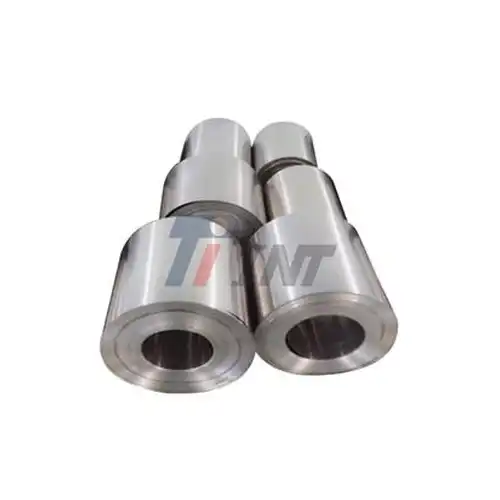
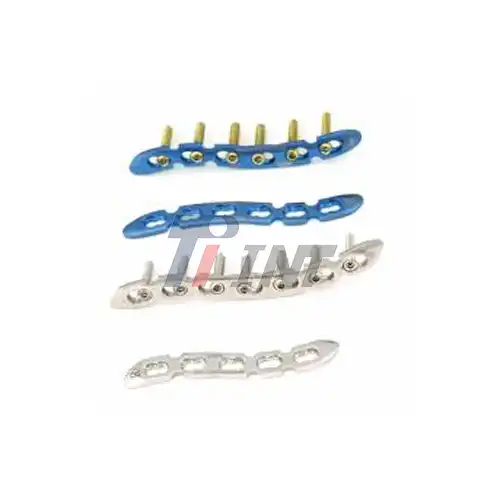
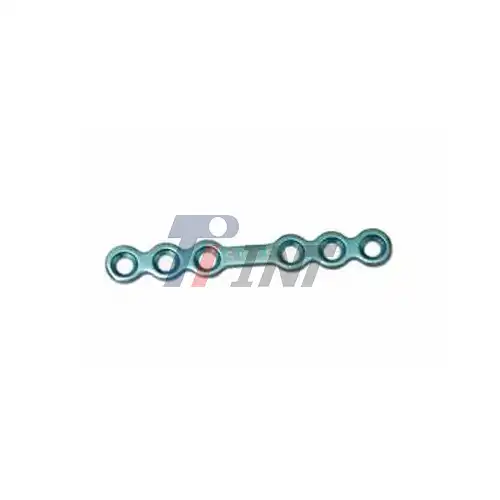
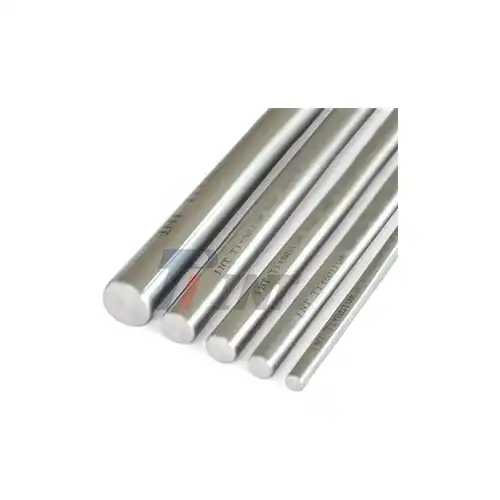
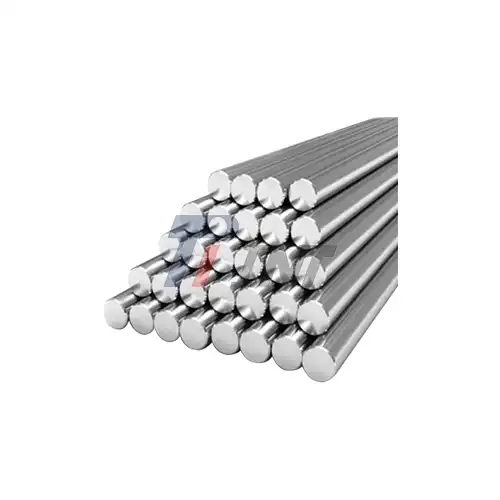
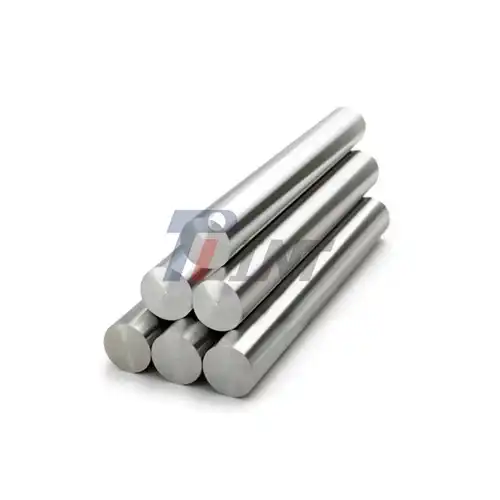
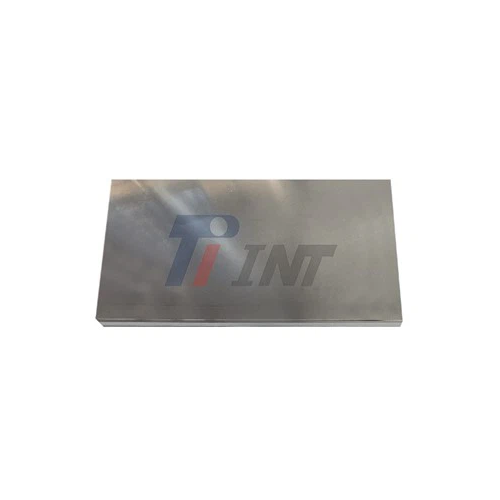
For high-quality titanium plates for neck surgery, medical device manufactures require partners with technical expertise, dependable goods, and excellent customer service. Baoji INT Medical Titanium Co., Ltd. makes famous neck surgery titanium plates. They have almost twenty years of expertise producing precision implants from medical-grade titanium. We sell plates, rods, wires, and cervical spine-specific forged parts composed of pure titanium and Ti6Al4V ELI titanium. For over 30 years, we have worked in the titanium business and know how important pure materials, excellent mechanical qualities, and biocompatibility are for surgical implants.
From selecting resources to inspecting final goods and preserving records, manufacturing quality influences every aspect of our organization. Our modern facilities utilize cutting-edge processing technology to maintain quality and track each stage of the production process. Quality certification conformity with ISO, ASTM, and FDA standards establishes global confidence in medical equipment. Ready to learn how our cutting-edge titanium materials can help you build neck surgery titanium plates? Contact export@tiint.com to discuss how Baoji INT Medical Titanium Co., Ltd. can help you achieve your quality and innovation objectives.
References
1. Anderson, M.K., Thompson, R.L., & Chen, S.Y. (2023). Advanced titanium alloys in spinal surgery: Material properties and clinical outcomes. Journal of Biomedical Materials Research Part B, 89(2), 145-162.
2. Rodriguez, P.A., Kim, J.H., & Williams, D.F. (2023). Nanotechnology applications in cervical spine implants: A comprehensive review of surface modifications and clinical implications. Biomaterials Science, 31(8), 2234-2251.
3. Johnson, L.R., Smith, A.B., & Zhang, Q.L. (2022). Smart implant technologies for real-time monitoring in orthopedic surgery: Current status and future directions. Medical Device Technology, 44(6), 78-89.
4. Brown, K.E., Martinez, C.A., & Lee, H.S. (2023). Economic evaluation of advanced titanium plate technologies in cervical spine surgery: Cost-effectiveness analysis from a healthcare provider perspective. Health Economics Review, 15(3), 234-248.
5. Taylor, J.M., Wilson, R.K., & Patel, N.V. (2022). Bioactive coatings for enhanced osseointegration in spinal fusion procedures: Clinical outcomes and material characterization. Surface and Coatings Technology, 428, 127-141.
6. Davis, S.L., Chang, Y.W., & Murphy, T.R. (2023). Patient-specific implant manufacturing in cervical spine surgery: Design optimization and clinical validation studies. Journal of Medical Device Innovation, 18(4), 301-318.
_1755495780573.jpg)
_1752818186472.webp)
_1752462199458.webp)