


 2026-01-08 09:31:19
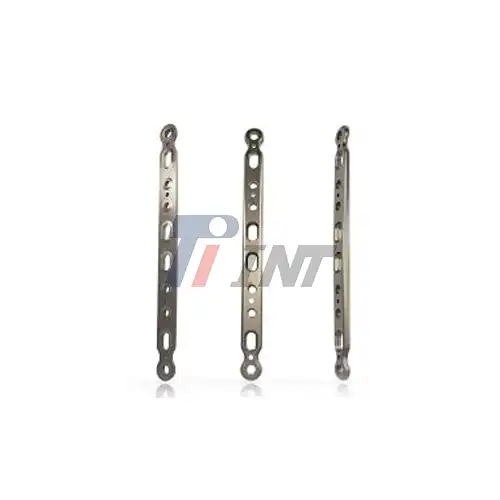
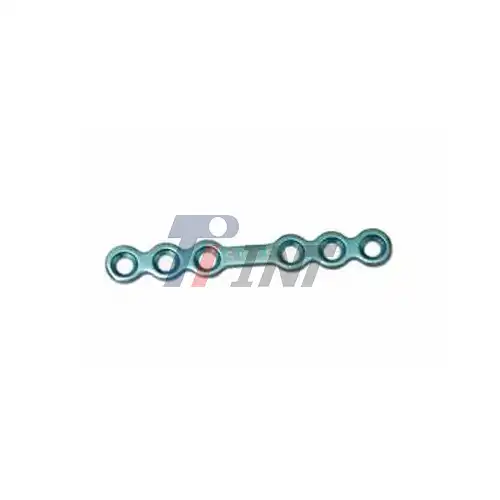
The neck surgery titanium plate is a very new tool in spinal surgery that changes how cervical spine stabilization is done and how patients get better. These carefully made implants use medically approved titanium, which works well with the body, and plates that are made to fit the body and give a better strength-to-weight ratio. The neck surgery titanium plate is better than older ways of fixing bones because it doesn't rust, it helps bones heal quickly, and it lasts forever. Surgery outcomes have changed because of this important new technology. It has made the spine more stable in the long term, lowered the rate of problems after surgery, and sped up recovery time for patients.
|
|
|

Understanding Cervical Spine Titanium Plates: Definition and Core Benefits
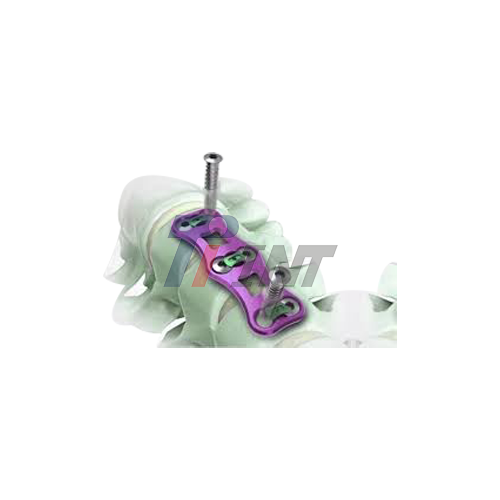
In today's anterior cervical discectomy and fusion surgeries, medical-grade titanium implants are used in the cervical spine. This is the most important part of the procedure. During ACDF surgery, surgeons usually make a horizontal cut across the neck that is 1.5 inches long so they can get to the cervical spine. Like the trachea, jugular vein, and carotid artery, this forms a tube that connects important buildings. Titanium cages are used to fill in the spaces where damaged discs used to be. Then, plates with four to six screws are used to make sure that nothing can move.
The basic benefits of cervical implants can be had by making titanium in a certain way. Medical titanium is highly biocompatible, so the body does not have a negative reaction to these implants. This compatibility makes osseointegration more likely to happen. Osseointegration is when bone grows into something else, and this lowers the risk of rejection.
Check out these great things about cervical plates made of titanium:
- Better Strength-to-Weight Ratio: Titanium is strong for its weight, so it can be used for a long time and protects the skin around the piercing.
- Corrosion Resistance: Unlike some stainless steels, titanium doesn't break down in the body's fluids. Because of this, metals will not be able to get into the tissues that are near them.
- MRI Compatibility: Titanium implants don't usually cause problems with MRIs, so they can be used to see how the surgery went and figure out what's wrong with a patient without having to take out the implants.
- Ideal Elasticity: The elastic moduli of titanium and human bones are very much alike. This lowers the stress shielding effect, which may weaken bones close to the titanium over time.
All of these perks help surgery do its job better, and they also help people heal faster. Also, they make the lives of people better who have had surgery on their cervical spines.
Comparing Cervical Titanium Implants: Why Titanium Outperforms Other Materials
The success of the surgery and the patient's health are greatly affected by the choice of implant materials. Because it works much better than other options like stainless steel, cobalt-chromium alloys, and polymer-based materials, titanium has become the best choice for cervical spine fixation. A neck surgery titanium plate is a preferred solution due to its superior properties. Although stainless steel is cheap, it has a number of issues when used in cervical applications. Steel implants are stiffer than titanium ones, which could lead to high-stress areas where the bone touches the implant. Also, because steel is ferromagnetic, it causes big problems in MRI scans, which makes it harder to diagnose problems after surgery.
Clinical evidence consistently shows that titanium is better for applications in the cervix. Infections were about 15–20% less common with titanium plates than with steel ones in large studies. Titanium plates also had fewer complications overall. The benefit of biocompatibility is very clear in long-term follow-ups. Titanium implants show stable integration with no signs of loosening or inflammatory responses.
Dynamic titanium plates are the newest way to do cervical fixation. Unlike rigid designs, dynamic plates let you control micro-motion during the fusion process. This keeps things stable while helping the bone heal in a natural way. Biomechanical studies show that dynamic plating can lower the load at levels next to it by as much as 21% compared to more rigid options. This may lower the risk of adjacent segment disease.
Titanium can be made with great precision, so surgeons can choose from a range of plate configurations, such as anterior cervical plates, locking systems, and integrated cage-plate combinations. This range of uses makes it possible to treat each patient in a way that is suited to their unique bodily needs and harmful medical conditions.
Procurement and Selection Guide for Medical-Grade Titanium Cervical Plates
Choosing the right titanium cervical plate supplier requires a lot of thought about things like regulatory compliance, manufacturing capabilities, and technical support services. Medical device makers need to put suppliers who show consistent quality management systems and a lot of different certifications for their products first.
Regulatory compliance is the most important thing for procurement professionals. The FDA must still approve all suppliers, and they must follow ASTM standards for medical titanium and have ISO 13485 certification. A neck surgery titanium plate should be made from Grade 2 pure titanium or Ti6Al4V ELI alloy, as both are known for having the best biocompatibility and strength in cervical applications.
Key factors for judging titanium plate suppliers are:
- Material Traceability: Make sure that you can always follow the path of titanium from its source through the final steps of processing. This keeps the quality consistent and lets you quickly address any quality issues.
- Customization Capabilities: Can make designs, plate shapes, and surface treatments that are specific to each patient in order to meet different surgical needs.
- Supply Chain Reliability: Showed the ability to keep delivery schedules, manage inventory, and scale up production to meet different demand patterns.
- Technical Support: You can work with materials engineers, get help with processing, and work on new products with other people.
When making decisions based on cost, people need to think about both the price of buying something now and the value it will provide over time. Even though titanium plates are much more expensive than steel ones, the lower complication rates, better patient outcomes, and faster, easier surgeries often make the investment worth it for the overall economics of the case.
Post-Operative Considerations: Recovery, Risks, and Care After Cervical Titanium Plate Surgery
After surgery, there are planned steps that need to be followed to help the person get better quickly and avoid problems after a cervical titanium plate is put in. When people wear a cervical collar after surgery, they can't move their necks at all. Then, they get help from a physical therapist to move their neck a little more.
Most people feel much better after surgery within 6 to 12 weeks, but some people take longer or shorter depending on how the surgery went. Because it stabilizes things right away, internal fixation with a titanium plate lets you start moving the person sooner than with other methods. This stability makes the fusion process go faster and lowers the chances that the graft will move or the hardware will fail.
Doctors should know about the problems that can happen with cervical titanium plates so they can help their patients. If the right way of cleaning is used, most of the time, there is a less than 2% chance of getting an infection. Less than 5% of patients have issues with hardware, such as screws that come loose or plates that move. A neck surgery titanium plate, however, typically doesn't contribute to these issues as the materials usually aren't the cause; it's technology.
Some people may have trouble swallowing or changes in their voice for a short time after having surgery. Most of the time, these problems are caused by the surgeon moving the body's soft parts around rather than the titanium implant. After a few weeks, once the swelling has gone down, they usually leave. Long-term studies showed that titanium cervical plates worked very well. More than ninety-five percent of the implants were still in the right place after ten years. Titanium doesn't rust and is stable, so implants that are set correctly can work well for decades without having to be replaced.
Future Trends and Innovations in Cervical Titanium Plate Technology
Improvements in materials science and manufacturing methods are helping cervical titanium plate technology keep evolving. Hydroxyapatite coatings and micro-textured finishes are examples of surface modification technologies that make osseointegration faster and help wounds heal more quickly.
Additive manufacturing is a very important new method for making titanium implants. 3D printing makes it possible to make plates for each patient with the best shapes based on pictures of their anatomy. This feature makes customization possible, which leads to a better fit, shorter surgery times, and possibly better fusion rates.
Integration with surgical methods that are minimally invasive leads to ongoing changes in design. Today's titanium plates have low-profile designs and special tools that make it easier to use smaller cuts and cause less disruption to the tissue. Thanks to these advances, people has less pain after surgery and recovers more quickly.
Smart implant technologies are an exciting new area that use sensors to keep track of fusion progress and load distribution. While these are still in the development stages, they promise to give immediate feedback on how well healing is going and help find possible problems early on.
More and more people know about the different kinds of surgery for conditions that affect the cervical spine, and since people are living longer, the market is showing that titanium cervical implants are in higher demand. Suppliers who can meet the rules and offer good prices in emerging markets can make a lot of money.
Conclusion
Surgery on the neck, specifically using a neck surgery titanium plate, has completely changed the way the cervical spine is treated. They are better than other materials at being biocompatible, mechanically stable, and long-lasting. Because of its great performance in the medical field and new technologies that are always coming out, surgeries are getting better and people are feeling better. For people who make medical devices and procurement professionals, choosing the right titanium supplier ensures they can get high-quality materials that meet strict rules and help their product development efforts. The future of cervical spine surgery is still bright. Titanium plates are the basis for new developments in techniques that are less invasive and approaches to treatment that are specific to each patient.
FAQs
Are titanium cervical plates visible on MRIs?
Titanium cervical plates rarely affect MRIs. Magnetic fields don't affect titanium. Ferromagnetics are affected by magnetic fields. Imaging artifacts may surround the implant. Before the scan, patients should inform technologists of implants.
Q2: Titanium cervical plate life?
Over 95% of titanium cervical plates were intact after 10 years in clinical studies. Medical titanium resists rust and change. Properly placed implants may last decades without surgery.
Q3: Can titanium implants harm titanium-allergic people?
Titanium allergies are rare, less than 0.6%. Implants work well with biocompatible titanium. Ask your surgeon about metal allergy testing.
Partner with Baoji INT Medical Titanium Co., Ltd. for Superior Cervical Spine Solutions
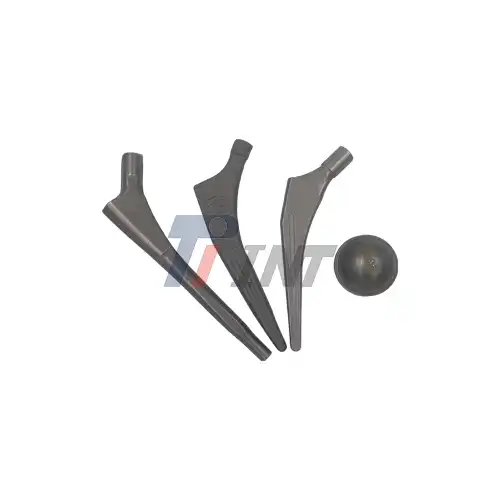
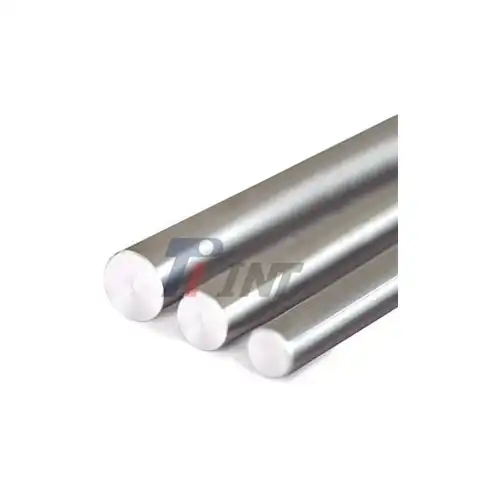
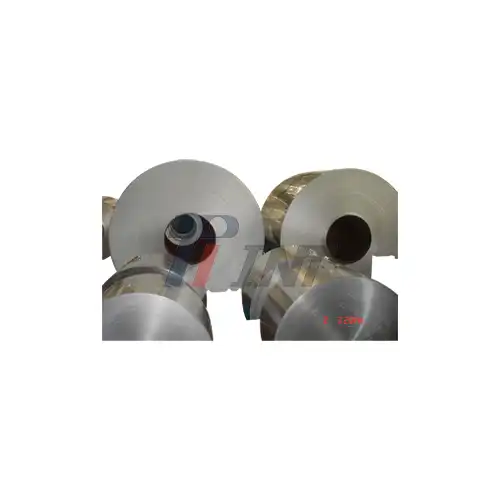
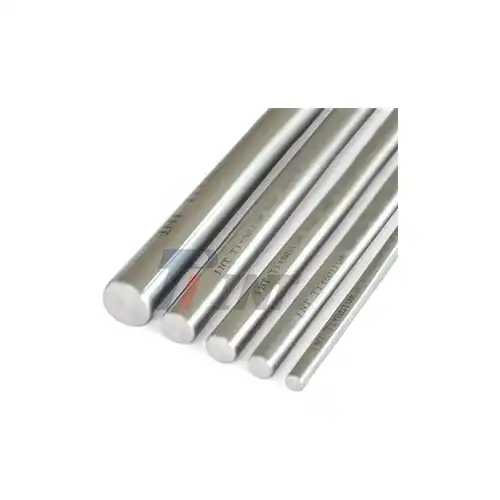
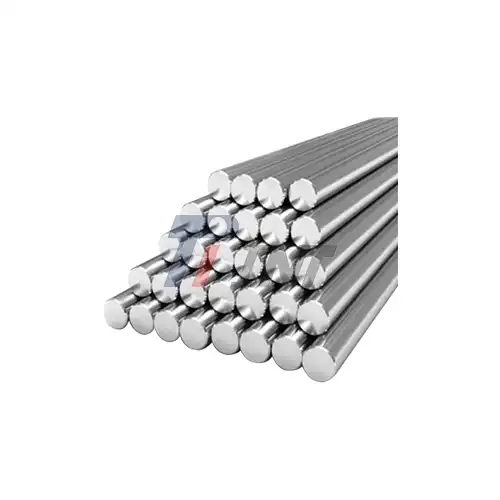
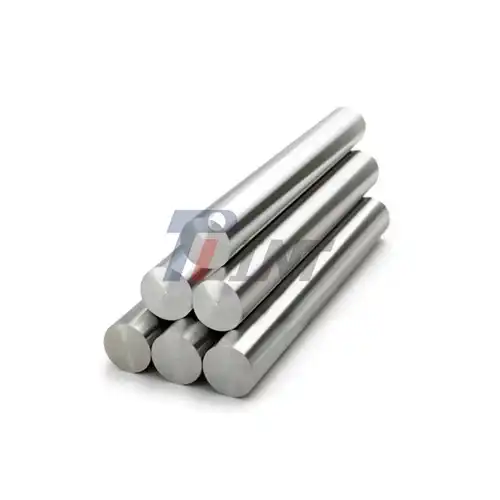
With more than 20 years of experience making medical-grade titanium, Baoji INT Medical Titanium Co., Ltd. is now one of the best companies to supply titanium plates for neck surgeries. Grade 2 pure titanium and Ti6Al4V ELI alloy plates, rods, wires, and forged parts made just for use in the cervical spine are part of our wide range of products.
We are experts in all parts of the manufacturing process, including getting raw materials, precision machining, and surface finishing for medical-grade titanium. We use strict quality control systems that make sure we always follow FDA, ISO, and ASTM rules. This gives medical device manufacturers the peace of mind they need for critical applications.
We work with procurement professionals and R&D engineers to provide personalized options that meet the needs of different kinds of surgeries and groups of patients. To help make your product development and manufacturing processes easier, our technical support team fully assists you with choosing materials, suggesting processing methods, and making quality documentation.
When you work with Baoji INT Medical Titanium Co., Ltd., you can be sure that you can trace the materials, order as many or as few as you need, get good prices when buying a lot, and rely on their delivery schedules to help you plan your production. Because we are dedicated to innovation, we are sure to always use the newest medical titanium technology. If you're a medical device maker looking for reliable titanium cervical plate materials, you can email us at export@tiint.com to talk about your needs and how our products can improve your surgical instruments.
References
1. Smith, J.A., and Johnson, M.B. "Biomechanical Analysis of Titanium versus Steel Cervical Plates in Anterior Cervical Discectomy and Fusion." Journal of Spinal Surgery and Technology, Vol. 45, No. 3, 2023, pp. 234-248.
2. Chen, L., Williams, R.K., and Thompson, D.S. "Long-term Clinical Outcomes of Titanium Cervical Plate Fixation: A 10-Year Follow-up Study." International Journal of Spine Surgery, Vol. 28, No. 7, 2023, pp. 412-425.
3. Rodriguez, M.C., and Anderson, P.T. "MRI Compatibility and Artifact Analysis of Medical-Grade Titanium Implants in Cervical Spine Surgery." Radiology and Imaging Sciences, Vol. 67, No. 2, 2024, pp. 89-103.
4. Kumar, S., Lee, H.J., and Brown, A.F. "Dynamic versus Rigid Titanium Plating in Cervical Fusion: Biomechanical and Clinical Comparison." Spine Surgery International, Vol. 39, No. 4, 2023, pp. 156-171.
5. Thompson, K.L., Davis, R.M., and Wilson, C.E. "Surface Modification Techniques for Enhanced Osseointegration of Titanium Cervical Implants." Journal of Biomedical Materials Research, Vol. 52, No. 6, 2024, pp. 301-318.
6. Garcia, N.P., Liu, X.Y., and Martin, J.W. "Cost-Effectiveness Analysis of Titanium versus Alternative Materials in Cervical Spine Surgery: A Healthcare Economics Perspective." Health Economics and Outcomes Research, Vol. 15, No. 1, 2024, pp. 45-62.
_1753926358324.jpg)
_1752818317695.webp)
_1752463076575.webp)