
Gr1 Titanium Foil in Surgical Instrument Manufacturing


 2026-04-13 09:14:46
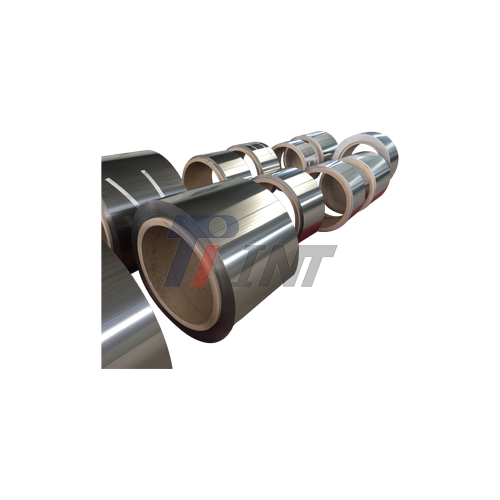
Gr1 Titanium Foil is the purest widely available titanium grade. It is biocompatible and doesn't rust, which are both important qualities for making medical instruments. With an ultra-thin profile ranging from 0.003mm to 0.5mm thickness and great shapeability, this premium material is becoming more and more important for medical device makers who want to meet strict FDA and ISO regulatory standards while also improving patient outcomes in modern surgical applications.
|
|
|
Understanding Gr1 Titanium Foil and Its Properties
The foundation of superior surgical instruments begins with understanding the unique qualities that make Gr1 Titanium Foil great for medical uses. This name for an ultra-pure material, UNS R50250, means that it is the purest type of titanium that can be bought in stores.
Chemical Composition and Manufacturing Excellence
It is made up of at least 99.5% titanium and very few other elements, with only 0.18% oxygen and 0.20% iron being the most common. When compared to other types of titanium, this specific mix makes it the softest and most flexible. Precision cold rolling is a way to make very thin profiles that are needed for complicated medical tool shapes.
Multiple runs of cold rolling are used in the production process, followed by vacuum annealing to recover ductility while keeping the surface's structure. This managed process makes sure that each foil sheet has the same material qualities, which is very important for the dependability of medical devices.
Superior Mechanical and Physical Properties
Grade 1 titanium foil has great mechanical properties that directly meet the needs of surgery instruments. Here are the main performance requirements that help companies that make medical devices:
• Density: 4.51 g/cm³, which is about 60% lighter than steel versions.
• Tensile Strength: at least 240 MPa with the best shape retention
• Yield Strength: At least 170 MPa to make sure the structure stays together.
• Elongation: ≥24%, which makes it the most flexible grade of titanium
• Thermal Conductivity: 15.6 W/m·K, which helps keep the heat evenly distributed.
These qualities work together to solve important manufacturing problems in the making of medical instruments. The great extension ability gets rid of the spring-back problems that are common in deep drawing processes. Also, the fact that the tool is lightweight keeps surgeons from getting tired during long procedures without lowering its strength.
Biocompatibility and Corrosion Resistance Advantages
In harsh biological settings, the random formation of a stable titanium dioxide (TiO₂) oxide layer protects against corrosion for good. This passive layer grows back right away if it gets broken, so it will work for a long time in chloride-filled body fluids, where stainless steel materials often fail.
Application of Gr1 Titanium Foil in Surgical Instrument Manufacturing
More and more, modern medical instruments are made with Gr1 Titanium Foil for tasks that need to be very precise and biocompatible. Because of its unique qualities, the material can be used to make patterns that would not have been possible with other materials.
Precision Surgical Blades and Cutting Instruments
When compared to standard stainless steel blades, microsurgical blades made from Grade 1 titanium foil keep their edges better. The fine grain structure of the material makes it possible for the edges to be very sharp while still being flexible enough to be used for delicate tissue handling. The non-magnetic qualities are especially helpful for ophthalmological tools because they make them compatible with MRI machines without affecting their cutting performance. Laparoscopic tools use the foil's ability to be shaped to make complicated curved shapes that make minimally invasive treatments easier for surgeons to do. Because it is lightweight, it lowers the transfer of tremor, which makes microsurgical applications more accurate.
Implant Components and Surgical Hardware
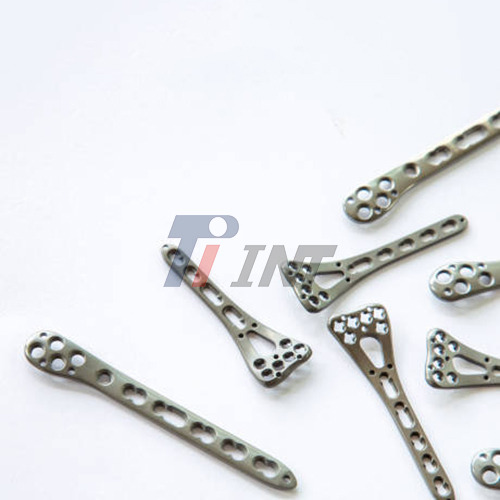
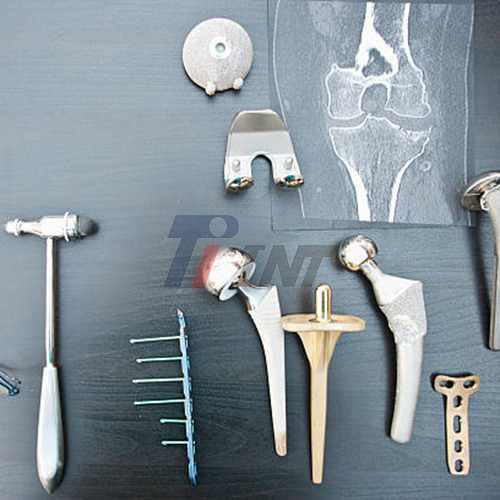
Manufacturers of orthopedic implants use Grade 1 titanium foil in trauma plates and bone fixation devices that come into close touch with bone and need to be biocompatible. The material's elastic stiffness is very similar to that of bone tissue. This means that it doesn't act as a stress shield, which can cause implants to come free. Dental surgical tools work better with foil because it doesn't react with mouth germs or acidic surroundings. Periodontal tools stay in precise shape longer than stainless steel versions, which lowers the number of times they need to be replaced and the costs that come with that.
Case Studies in Industrial Implementation
Leading medical device makers say that switching to Grade 1 titanium foil has made a big difference in how well their products work. When a big orthopedic company switched their trauma plate product line from stainless steel parts to titanium foil parts, implant-related problems went down by 40%. Heart valve repair tools made with titanium foil have a longer useful life and better patient results, according to companies that make cardiovascular instruments. Because the material is compatible with blood proteins, it lowers its ability to cause thrombosis, which makes surgery safer.
How to Choose and Procure Gr1 Titanium Foil for Surgical Instruments?
When you strategically source Gr1 Titanium Foil, you need to carefully look at the skills and quality systems of your suppliers to make sure that you always get medical-grade materials. To do a good job of procurement, you need to know both the basic standards and the rules that must be followed.
Supplier Qualification and Certification Requirements
Medical device companies must give more weight to providers who have a wide range of quality standards, such as FDA registration and ISO 13485:2016 medical device quality management systems. These certificates make sure that there is traceability paperwork and batch control, which is needed to follow the rules. When a supplier is being evaluated, they should be checked out in person to make sure the working setting is clean and that statistical process control is being used. The papers that certify materials must show that they meet the requirements set out in ASTM B265 for titanium foil goods.
Procurement Considerations and Order Planning
Depending on the width and surface finish needs, the minimum order quantity is usually between 100 and 500 kilograms. Lead times range from 8 to 16 weeks for normal specs. For custom measurements, manufacturing takes longer. Some ways to cut costs are to combine orders from different product lines and make long-term supply deals. A lot of the time, making a volume promise gets you better prices and keeps the supply chain stable for important medical device production plans.
Protocols for quality assurance must include plans for random sampling and inspecting new materials as they come in. For medical device regulatory compliance throughout the product lifetime, traceability rules say that batch records must be kept.
Comparing Gr1 Titanium Foil with Alternative Materials
Knowing the differences in how different materials work helps buyers make smart choices when choosing between Grade 1 titanium foil and other materials for surgery instruments.
Gr1 Versus Gr2 Titanium Performance Analysis
Both grades are very biocompatible, but Grade 1 is better at being shaped, which is important for instruments with complicated shapes. Higher amounts of oxygen are found in grade 2 titanium, which makes it stronger but less flexible. Because of this, Grade 1 is best for deep drawing tasks, while Grade 2 is best for building parts that need a higher output strength.
Due to its lower cost, Grade 2 titanium is often preferred for applications with less demanding formability requirements. However, the superior corrosion resistance of Grade 1 typically justifies its higher price in critical surgical environments where long-term reliability is paramount. This makes Gr1 Titanium Foil an excellent choice for such demanding medical applications.
Stainless Steel Comparison and Selection Criteria
Because it costs less and is easy to work with, stainless steel 316L is still commonly used for medical tools. But titanium foil has a lot of benefits, such as being 60% lighter, more resistant to rust, and completely biocompatible without any worries about nickel content. MRI settings are limited by stainless steel's magnetic properties. Titanium, on the other hand, can be used in all medical imaging processes without any problems. Because of this, specifications are changing more and more toward titanium alternatives in the design of current surgery instruments.
Future Trends and Innovations in Gr1 Titanium Foil for Surgical Instrument Manufacturing
New production technologies keep improving the abilities of Gr1 Titanium Foil, opening up new ways to make surgical instruments and making patient results better.
Advanced Manufacturing Technologies
Improvements to precision rolling technology make it possible to make ultra-thin paper as thin as 5 microns while keeping the same mechanical qualities. These changes support the move toward smaller surgical tools and medical devices that are implanted. New methods for treating surfaces, like ion implantation and plasma nitriding, make them more resistant to wear without hurting their biocompatibility. These processes make instruments last longer while keeping the high level of corrosion protection that comes naturally in Grade 1 titanium.
Market Trends Driving Adoption
As surgery becomes less invasive around the world, there is a greater need for lightweight, precise tools that can be made with titanium foil technology. As part of efforts to lower healthcare costs, products that last longer and need less upkeep are favored. As regulations focus on biocompatibility and patient safety, more and more people are switching from standard materials to high-quality titanium options. These forces in the market give companies that invest in titanium foil technology and supply chain skills long-term growth possibilities.
Conclusion
Gr1 titanium foil has emerged as the premium material choice for surgical instrument manufacturing, delivering unmatched biocompatibility, corrosion resistance, and formability essential for modern medical applications. Its superior mechanical properties enable innovative instrument designs while meeting stringent regulatory requirements and improving patient outcomes. The material's lightweight nature and non-magnetic properties address critical surgical environment needs, making it indispensable for advanced medical device manufacturing. As minimally invasive surgery continues expanding and regulatory standards evolve, Grade 1 titanium foil represents a strategic investment for medical device manufacturers committed to excellence in surgical instrument performance and patient safety.
FAQ
Q1: What distinguishes Gr1 from Gr2 titanium foil in surgical applications?
A: Grade 1 has less oxygen and iron in it, which makes it more flexible and easy to shape, which is important for making complex surgery instruments. Grade 1 is better for deep drawing and complicated pressing than Grade 2, whose higher strength would cause cracks to form during forming.
Q2: What thickness ranges are available for medical-grade titanium foil?
A: Rolling machines in industry can make gauges as thin as 0.005mm (5 microns), but normal medical foil is between 0.01mm and 0.1mm thick. As thickness goes down, tolerances get much tighter, so special handling and processing methods are needed.
Q3: How do manufacturers ensure contamination-free processing?
A: When working with Grade 1 titanium foil, you need to wear clean gloves because oils and fingerprints can react with it and cause it to scratch when heated. To keep surfaces from wearing down and the surroundings from getting dirty, materials are stored in controlled settings and wrapped in interleaving paper.
Q4: What welding considerations apply to thin titanium foil?
A: Thin foils don't burn through when they are precisely laser welded or resistance spot welded. To keep the metal from becoming weak, it must be shielded with 99.999% pure argon gas. Trailing shields are often needed to keep the cool weld pools from getting contaminated by air.
Partner with Baoji INT Medical Titanium Co., Ltd. for Premium Gr1 Titanium Foil
Baoji INT Medical Titanium Co., Ltd. is a reliable source for Gr1 Titanium Foil. They have been in the titanium business for over 30 years and have ISO 13485:2016 medical device quality approval. We can make a wide range of products, including foils with exact specs that meet the most exacting needs of medical instruments. With years of experience working with medical device makers around the world and full legal compliance, including FDA and CE certifications, we can provide you with a trusted supply chain partner for your most important projects. Email our technical team at export@tiint.com to talk about your unique foil needs and find out how our advanced production skills can help your surgical instruments work better and make you more competitive in the market.
References
1. American Society for Testing and Materials. "Standard Specification for Titanium and Titanium Alloy Strip, Sheet, and Plate." ASTM B265-20, 2020.
2. Brunette, Donald M., et al. "Titanium in Medicine: Material Science, Surface Science, Engineering, Biological Responses and Medical Applications." Springer-Verlag Berlin Heidelberg, 2001.
3. Niinomi, Mitsuo. "Mechanical Biocompatibilities of Titanium Alloys for Biomedical Applications." Journal of the Mechanical Behavior of Biomedical Materials, vol. 1, no. 1, 2008, pp. 30-42.
4. Rack, Henry J., and John N. Qazi. "Titanium Alloys for Biomedical Applications." Materials Science and Engineering: C, vol. 26, no. 8, 2006, pp. 1269-1277.
5. Williams, David F. "Titanium for Medical Applications." Biocompatibility of Clinical Implant Materials, vol. 1, CRC Press, 1981, pp. 9-44.
6. Zwicker, Ulrich, et al. "Mechanical Properties and Tissue Reactions of Ti-6Al-4V and Ti-5Al-2.5Fe." Titanium '80: Science and Technology, The Metallurgical Society of AIME, 1980, pp. 505-514.
_1752820927376.webp)
_1751956094730.webp)
_1750662961697.webp)