Gr5 Titanium Disc in Joint Replacement Devices


 2026-04-13 09:14:42
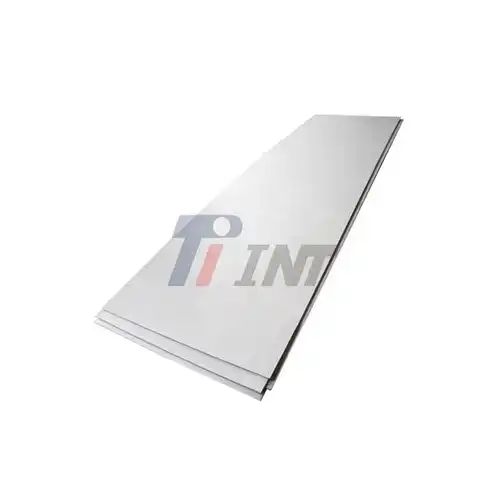
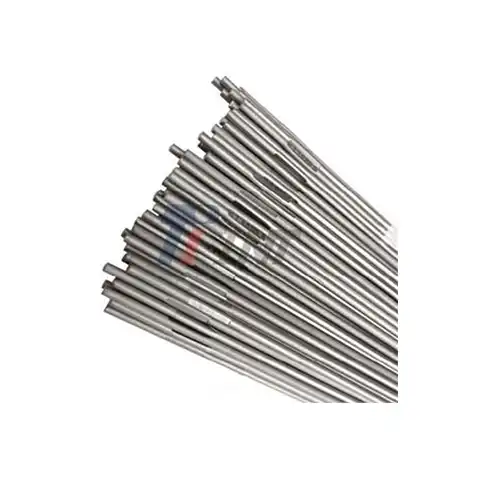
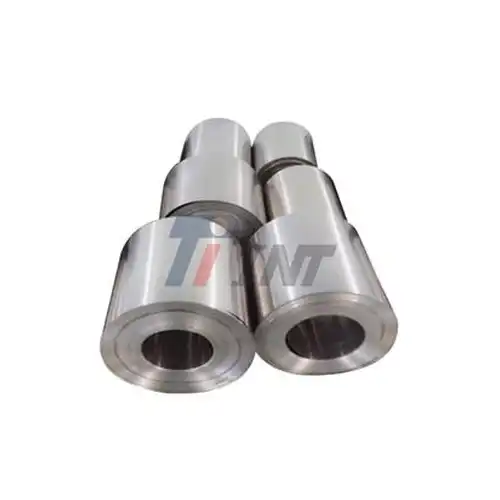
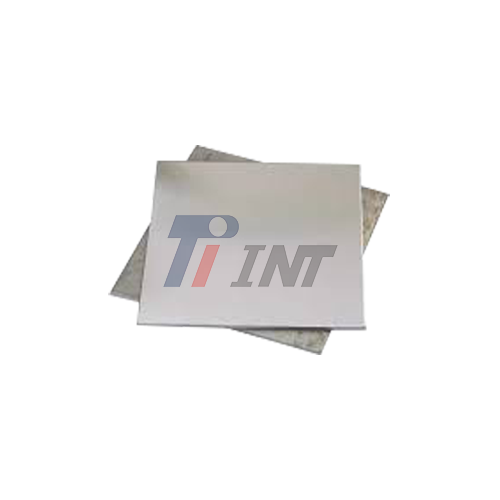
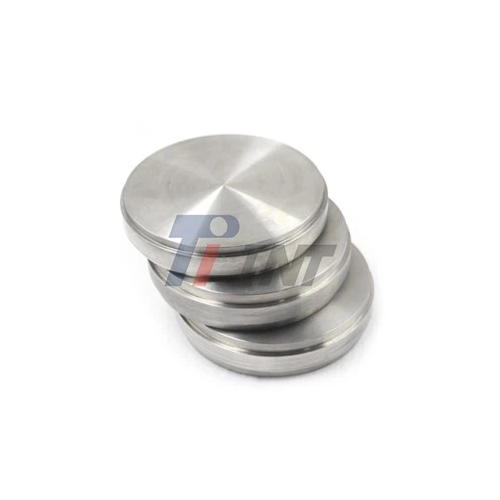
The Gr5 Titanium Disc represents a pinnacle of engineering excellence in joint replacement uses. It combines the best mechanical qualities of the Ti-6Al-4V titanium alloy with the exact manufacturing needs of medical device parts. These round metal pieces are important building blocks for hip stems, knee components, and acetabular cups because they are biocompatible and have great strength-to-weight ratios. The alpha-beta microstructure of this metal gives medical device makers unbeatable dependability in load-bearing uses while still keeping the corrosion protection that is needed for implants to work for a long time.
|
|
|
Understanding Gr5 Titanium Disc: Composition and Properties
Chemical Composition and Standards Compliance
For every high-performance joint replacement part, the Ti-6Al-4V metal is the building block. A carefully measured mixture of 6% aluminum and 4% vanadium makes up this mixture. The other 90% is pure titanium. Aluminum acts as an alpha stabilizer, making the material stronger and more resistant to high temperatures. Vanadium, on the other hand, acts as a beta stabilizer, making the material easier to heat treat and better at withstanding wear.
The standards that control the production of these parts are ASTM F136 for surgical implants, ISO 5832-3 for biological uses, and ASTM B265 for general titanium plate requirements. These strict rules make sure that every disc meets the exact chemistry standards needed for FDA approval and CE marking certification.
Mechanical Performance Characteristics
The mechanical qualities of Ti-6Al-4V discs are much better than those of other materials commonly used in orthopedic uses. These parts can handle the repeated stress that happens when a patient is doing normal activities. They have a minimum tensile strength of 895 MPa and a yield strength of 828 MPa. The 113.8 GPa elastic stiffness is very close to that of human bone. This means that there are fewer stress buffering effects, which can cause bone to break down around implants.
When it comes to joint replacement devices, fatigue resistance may be the most important success factor. It is possible for properly treated Ti-6Al-4V to keep its structural integrity for millions of load cycles, which is many times longer than what most patients need. The refined grain structure that comes from controlled casting and heat treatment methods is what gives this material its great wear performance.
Biocompatibility and Corrosion Resistance
When titanium dioxide forms a solid layer on the surface, it is very resistant to erosion in physiological settings. If this inactive oxide film gets broken, it heals itself automatically. This makes sure that it stays stable over time, even when it's exposed to the complex biochemical conditions inside the human body. While other materials, like stainless steel, tend to rust or char in chloride-rich settings, Ti-6Al-4V doesn't.
Biocompatibility testing according to ISO 10993 guidelines shows that this material is very good at not hurting tissues. Ti-6Al-4V is the best material for load-bearing implants that will be in close touch with bone because it doesn't release harmful metal ions and helps the bone fuse together.
Applications and Benefits of Gr5 Titanium Discs in Joint Replacement
Hip Replacement Component Manufacturing
The unique properties of Gr5 Titanium Disc significantly enhance the performance of hip replacement systems. When these discs are used to manufacture femoral stems, they provide superior resistance to fretting corrosion at taper junctions, a common failure point in modular hip designs. The excellent machinability of this material allows for precise fabrication of complex geometries, including porous surfaces that promote bone ingrowth.
The strength and biocompatibility of this metal are also very important for acetabular shell components, which are another important use. By making thin-walled designs that are still structurally sound, doctors can keep more of the patient's bone stock during placement procedures.
Knee Replacement Systems
Ti-6Al-4V discs are used as the raw material for the tibial baseplates and femur components of total knee replacement devices. This material is great for these high-contact-stress uses because it doesn't wear down easily and works well with ultra-high molecular weight polyethylene bearing surfaces. Compared to cobalt-chromium alloys, this material has a lower elastic stiffness, which helps keep stress levels low at the bone-implant interface.
Comparative Advantages Over Alternative Materials
Here are the main reasons why Ti-6Al-4V is better than other materials used for joint replacements:
- Weight Reduction: At 4.43 g/cm³, Ti-6Al-4V weighs about 60% less than stainless steel. This lowers the total weight of the device and makes the patient more comfortable during rehabilitation.
- Osseointegration Enhancement: Titanium's surface properties help bone connect directly, so often there is no need for cement anchoring.
- MRI Compatibility: Titanium doesn't cause as many imaging flaws as ferromagnetic materials do, so post-surgery tracking can go ahead without any problems.
- Longevity Performance: Implant mortality rates of over 95% at 15-year follow-ups have been shown in clinical studies.
Because of these benefits, patients have better results and need fewer correction surgeries. This makes Ti-6Al-4V the best choice for high-end joint replacement systems. Medical device makers can be sure that their products will work well for a long time because the material has been used successfully in difficult orthopedic uses in the past.
How to Choose the Right Titanium Disc Grade for Your Joint Replacement Devices?
Material Selection Criteria
To choose the best titanium grade, you need to carefully look at the needs of the gadget and its intended clinical uses. Gr5 Titanium Disc materials work great in places with a lot of stress where strength and resistance to wear are very important. Load-bearing needs, biocompatibility standards, processing powers, and regulatory compliance needs should all be in the choice grid.
When making a device, the makers have to think about where the implant will go and how it will be loaded. Hip stems and knee parts that are exposed to high cyclical loads benefit from Ti-6Al-4V's better mechanical qualities. Grade 2 titanium could be used for less demanding uses to save money.
Comparison with Alternative Titanium Grades
Ti-6Al-4V ELI (Extra Low Interstitial) is the best version of this metal system. It has less oxygen and nitrogen, which makes it more flexible and difficult to break. ELI grades cost more than other grades, but they are better at being machined and work better in thin-walled parts where controlling crack spread is important.
Commercially pure titanium grade 2 is very good at resisting rust and being compatible with living things, but it is not as strong. This material works well for uses like bone plates and tooth implants where high strength standards are not as strict. However, Gr5 is the best choice for joint replacement applications because it performs better under fatigue.
Supplier Evaluation Strategy
To make sure that materials are real and the quality is consistent, procurement professionals need to set up strict seller qualification procedures. Certified providers should keep up with ISO 13485 quality control systems that are made just for making medical devices. Documentation for material traceability must include mill test records, results of chemical makeup checks, and results of mechanical property tests.
Heat treatment skills should be checked by suppliers during checks because the right thermal processing has a big effect on the final mechanical qualities of Ti-6Al-4V parts. Being able to offer solution treatment and age services makes sure that the right mix of strength and flexibility is used in each case.
Procuring Gr5 Titanium Discs: Best Practices and Market Insights
Sourcing Channels and Supplier Types
The most effective way to get high-quality Gr5 Titanium Disc materials is to work directly with titanium producers. Primary makers have full control over the chemistry, processing factors, and quality processes, so the traits of each batch of material are always the same. These connections also give you access to technical support services that are necessary to make manufacturing processes run more smoothly.
Regional markets are well served by authorized wholesalers, especially when smaller amounts are needed or fast delivery is needed. But buying teams need to make sure that distributors keep their stock in the right way and use the right methods for identifying materials to avoid grade mixing or contamination.
Pricing Dynamics and Volume Considerations
Market pricing for Ti-6Al-4V materials reflects several key factors including raw material costs, processing complexity, and quality certification requirements. Medical-grade materials command premium pricing compared to industrial grades due to enhanced purity requirements and extensive documentation needs. Buying in bulk can have a big effect on unit costs, and when you buy more than 1,000 pounds per order, you usually get a price break that makes sense. Long-term supply deals keep prices stable and make sure that allocations are given priority when the market is tight.
Quality Assurance and Certification Requirements
Complete chemical analysis, mechanical property testing, and biocompatibility proof must all be part of material approval kits. Along with material safety data sheets and handling suggestions, ASTM F136 compliance paperwork should be sent with every package. When materials come in, checking procedures should check their sizes, surfaces, and that they are properly marked. Ultrasonic testing can find flaws inside a part that could weaken the end product, and hardness testing makes sure that the right conditions for heat treatment were met.
Future Trends and Innovations in Gr5 Titanium Discs for Medical Devices
Advanced Manufacturing Technologies
Making complicated joint replacement parts from Ti-6Al-4V powder material is changing a lot thanks to additive manufacturing technologies. Selective laser melting and electron beam melting make it possible to make implants that are perfect for each patient and have the right amount of pores to help bone grow while still keeping the structure strong.
These new manufacturing methods also make it possible to add antibacterial surface treatments right into the production process. This could lower the number of infections that happen after joint replacement surgery. It's now possible to make complicated internal shapes that couldn't be done with traditional machining. This means that implant design optimization has more options.
Surface Treatment Innovations
Ti-6Al-4V materials are already very biocompatible, but new surface change methods make them even better. Plasma electrolytic oxidation makes highly bioactive surface layers that speed up osseointegration while keeping the base material's mechanical qualities. Titanium dioxide nanotube arrangements that help cells connect and grow selectively have been made possible by nanotechnology. These changes to the surface can be made to fit specific clinical needs, which could increase the success rates of implants in difficult-to-treat patient groups.
Market Growth Projections
More joint replacement surgeries are being done around the world because baby boomers are getting older and older people are becoming more active, which is causing steady demand growth. According to a study of the market, quality titanium orthopedic products will grow at rates higher than 6% per year for the next ten years. Harmonization efforts among major markets are making it easier for new titanium alloy formulas to get approved. This could speed up the release of next-generation materials with better performance properties.
Conclusion
The Gr5 Titanium Disc continues to set the standard for excellence in joint replacement device manufacturing, combining proven biocompatibility with outstanding mechanical performance. Because it is strong, doesn't wear down easily, and doesn't rust, it is the best material for challenging orthopedic uses where patient safety and long-term performance are very important. Processing methods and surface treatments are always getting better, which means this already amazing material will be able to do even more and stay on top in the medical device business.
FAQ
Q1: What makes Gr5 titanium superior to stainless steel for joint replacements?
A: Ti-6Al-4V is better at being biocompatible, resistant to rust, and having a lower elastic stiffness that makes it more like bone. It doesn't rust in crevices like stainless steel does in biological settings, and it helps the bone fuse together better.
Q2: Can Gr5 titanium discs be customized for specific joint replacement applications?
A: Yes, Ti-6Al-4V discs can be made into almost any shape that is needed for new parts for joints. Because the material is so easy to work with, complicated shapes, porous surfaces, and designs that are specific to each patient can be made with great accuracy.
Q3: What certifications should suppliers provide for medical-grade Gr5 titanium?
A: As required by ASTM F136, suppliers should provide proof that their products meet the standards, as well as ISO 13485 quality system approval, material test certificates that list the chemical composition and mechanical features of the product, and ISO 10993 biocompatibility testing certificates.
Q4: How does the fatigue performance of Gr5 titanium compare to other implant materials?
A: Ti-6Al-4V is better at resisting wear than stainless steel and a lot of cobalt-chromium metals. Under high-cycle loading conditions, properly treated Gr5 titanium keeps its shape for millions of load cycles, which is long enough for joint replacement uses.
Partner with Baoji INT Medical Titanium Co., Ltd. for Premium Gr5 Titanium Solutions
Baoji INT Medical Titanium Co., Ltd. stands ready to serve as your trusted Gr5 Titanium Disc supplier, bringing over 30 years of titanium industry expertise to your joint replacement device manufacturing needs. Our ISO 13485-certified factory makes medical-grade titanium parts that meet the strictest quality standards. We offer full material tracking and expert support services to back these up. Because we always deliver on time and have a track record of precision forging, we give medical device makers the reliability and quality guarantee they need. Get in touch with our team at export@tiint.com to talk about your unique needs and find out how our advanced production skills can help you succeed in the tough orthopedic device market.
References
1. Long, M., & Rack, H.J. (1998). Titanium alloys in total joint replacement—a materials science perspective. Biomaterials, 19(18), 1621-1639.
2. Niinomi, M. (2008). Mechanical biocompatibilities of titanium alloys for biomedical applications. Journal of the Mechanical Behavior of Biomedical Materials, 1(1), 30-42.
3. Rack, H.J., & Qazi, J.I. (2006). Titanium alloys for biomedical applications. Materials Science and Engineering: C, 26(8), 1269-1277.
4. Geetha, M., Singh, A.K., Asokamani, R., & Gogia, A.K. (2009). Ti based biomaterials, the ultimate choice for orthopaedic implants–a review. Progress in Materials Science, 54(3), 397-425.
5. Liu, X., Chu, P.K., & Ding, C. (2004). Surface modification of titanium, titanium alloys, and related materials for biomedical applications. Materials Science and Engineering: R: Reports, 47(3-4), 49-121.
6. Elias, C.N., Lima, J.H.C., Valiev, R., & Meyers, M.A. (2008). Biomedical applications of titanium and its alloys. JOM, 60(3), 46-49.
_1753426807653.webp)
_1752643437358.webp)
_1751959047184.webp)