
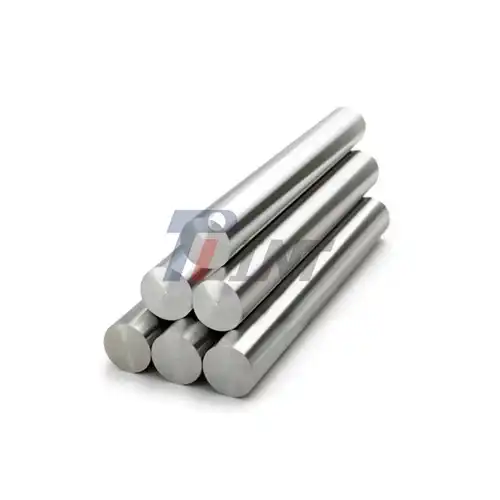
Gr1 vs Gr2 Titanium: Key Differences


 2026-04-14 14:43:50
Understanding the differences between Grade 1 and Grade 2 titanium is important for successfully procuring titanium parts for making medical devices. Gr1 Titanium Foil is the best form of titanium that can be bought in stores. It is very easy to shape and doesn't rust. Gr2 Titanium Foil is stronger and can be used for construction purposes. In medical manufacturing, each grade has its own specific use. Gr1 is best for ultra-thin uses that need to be as flexible as possible, while Gr2 is better for demanding mechanical conditions that need strong tensile qualities.
|
|
|
Overview of Gr1 and Gr2 Titanium Foil
Gr1 and Gr2 titanium foils are two types that are commonly used in industry. They are different from each other because of their chemical makeup and mechanical qualities. These commercially pure titanium types have become important materials in many manufacturing fields, especially in the medical device industry, where biocompatibility and dependability are still very important.
Chemical Composition and Purity Standards
Gr1 titanium is the purest type that can be bought. It is made up of at least 99.5% titanium and very few other elements. The oxygen content must be less than 0.18% and the iron content must be less than 0.20%. This makes it the softest and most moldable choice. This high level of purity directly turns into better resistance to corrosion and biocompatibility, both of which are important for sensitive medical uses.
Gr2 titanium has slightly higher amounts of impurities, but it still has great performance properties. The higher amounts of oxygen (up to 0.25%) and iron (up to 0.30%) make the material stronger without making it much less resistant to rusting. Because of this balance in makeup, Gr2 is usually chosen for general-purpose uses that need a modest increase in strength over Gr1.
Manufacturing Process and Form Factors
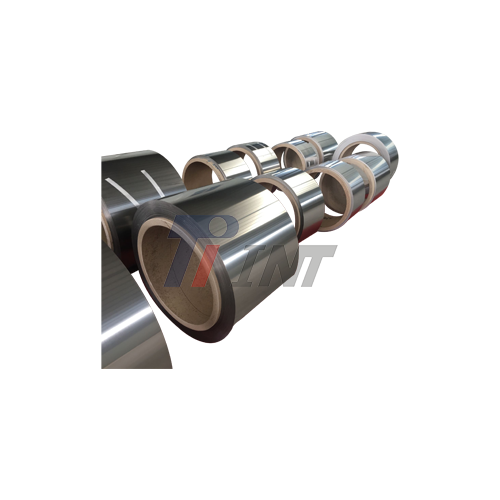
Both grades go through precise cold rolling methods to get very thin measurements, usually between 0.003mm and 0.5mm thick. Several passes of rolling are used in the manufacturing process, followed by vacuum annealing to recover elasticity and stop oxidation during heat treatment. This careful handling makes sure that the mechanical properties and surface quality stay the same, which is important for industrial processes that come after.
During production, chemical analysis, mechanical tests, and checking the dimensions are all used for quality control to make sure that ASTM B265 and other foreign standards are met. The foil products that are made have a consistent grain structure and predictable shaping properties that make them useful for a wide range of industrial tasks.
Key Differences Between Gr1 and Gr2 Titanium Foil
The main differences between these titanium types have a direct effect on how well they work in certain manufacturing processes. By knowing these differences, you can choose materials that will work best and be the most cost-effective for making medical devices.
Mechanical Property Variations
Gr1 Titanium Foil has a lower tensile strength (240 MPa at the very least) but better stretch qualities (≥24%), which makes it perfect for complex forming and deep drawing. The lower yield strength (170 MPa at most) lets the material bend a lot without cracking, which is important for complex medical component shapes.
Gr2 titanium has better mechanical qualities than other types. Its tensile strength can reach 345 MPa and its yield strength can reach 275 MPa. Even though stretch drops to about 20%, the material is still very easy to shape for most common manufacturing processes. This rise in strength is useful for structure parts that need to be able to hold more weight.
Corrosion Resistance Characteristics
When exposed to air, both types form spontaneous oxide sheets (TiO2) that are very resistant to corrosion in biological settings. Because Gr1 is purer, it performs slightly better in harsh chemical environments. This makes it the best choice for uses that will directly contact body fluids or chemicals used to sterilize.
The better resistance to corrosion is especially important in chloride settings, where stainless steel options often get pitting corrosion. Because it is naturally chemically stable, it doesn't need any protective coatings and will work reliably for a long time even in harsh working circumstances.
Fabrication and Processing Considerations
Differences in how easily different types can be worked affect the choice of manufacturing method and the tools that need to be used. Because Gr1 is so flexible, it can be used for complex pressing operations with little spring-back. This cuts down on secondary making operations and makes production more efficient.
Gr2 offers enhanced machinability and welding characteristics while maintaining good formability for standard operations. The slightly higher strength facilitates precision cutting and slows down work hardening during grinding, which helps make parts with tight specs for size.
Industrial Applications and Use Cases
Because each grade of titanium has its own unique qualities, it is best used in certain situations where better performance means big practical benefits. Medical gadget makers use these traits to make their products work better while still meeting government standards.
Medical Device Applications
Gr1 Titanium Foil works great in situations where biocompatibility and shapeability are very important. Its nonmagnetic qualities and high resistance to corrosion make it a good choice for surgical tools, implant parts, and monitoring equipment housings. The material can be formed in a lot of different ways, which lets engineers make complicated shapes that are needed for minimally invasive surgery tools.
The main areas where Gr1's purity benefits support higher prices are in cardiovascular devices, orthopedic implants, and dental tools. Because it can be sterilized and stays stable in biological settings for a long time, the material is essential for lasting implant uses.
Structural and Industrial Applications
Gr2 titanium foil is used in situations where better mechanical performance is needed while still being resistant to rust. Gr2's strength benefits make it useful for stable operation under mechanical stress in heat exchanger parts, chemical processing equipment, and aerospace structures.
The car industry is using Gr2 more and more for lightweight structural elements and parts of exhaust systems because its high strength-to-weight ratio gives them a competitive edge. The material can be used in a wide range of industries that need high performance. These examples show how versatile it is.
Performance Comparison with Alternative Materials
When it comes to tough jobs, titanium foils are clearly better than other materials. If you compare titanium to stainless steel options, titanium is more resistant to rust and makes parts about 40% lighter. This weight loss is especially helpful for portable medical devices where user acceptance is affected by ergonomics.
Alternatives to aluminum don't have the chemical protection and biocompatibility needed for medical uses, and it can be hard to get and pay for unusual alloys. Titanium's unique set of qualities makes it useful in situations where other materials can't provide the same level of performance and dependability.
Procurement Guide for Gr1 and Gr2 Titanium Foil
When buying materials strategically, you need to think about a lot of things, like scientific needs, seller abilities, and costs. Procurement programs that work well balance short-term needs with long-term supply chain stability to make sure that output skills stay the same.
Technical Specification Development
Before choosing a material, it's important to carefully look at its needs for the job, such as its mechanical loads, exposure to the environment, and shaping processes. Gr1 Titanium Foil is best for uses that need to be able to be shaped easily and avoid rust. Gr2 Titanium Foil is better for uses that need to be stronger.
When defining dimensions, it's important to think about manufacturing errors, surface finish needs, and packing issues. Most uses are covered by standard thickness ranges, but custom measurements may need longer wait times and minimum order amounts that make it harder to plan how to buy things.
Supplier Qualification Criteria
Certified sellers follow strict certification programs, such as ISO 9001:2015 quality systems and ISO 13485:2016 medical device standards. These approvals make sure that quality control and traceability documents are always the same, which is important for making sure that medical devices are made legally.
The evaluation of manufacturing capability looks at things like output capacity, expert support services, and the dependability of the supply chain. Suppliers with their own testing facilities and metallurgical knowledge can be very helpful with technical questions during the steps of material design and application development.
Cost Optimization Strategies
Long-term supply deals can save you money and make sure you can get the materials you need when the market is unstable. When sellers agree to a certain amount of goods, they can schedule production more efficiently and set prices that are competitive, which lowers the total cost of acquisition.
When managing inventory, it's important to find a balance between holding costs and supply security. This is especially true for products that take a long time to get. When you use just-in-time delivery programs, you can lower your working capital needs while still keeping the production freedom that is needed for flexible manufacturing operations.
Benefits of Choosing Certified Gr1 and Gr2 Titanium Foils
Certified materials offer quality guarantee and predictable performance, which are important for important uses. The certification process checks the properties of the material and makes sure it meets industry standards that help the governmental clearance process.
Quality Assurance and Traceability
Accredited labs do chemical analysis, mechanical testing, and dimensional proof as part of full material approval. This paperwork makes it possible to track everything from the production of the raw materials to the delivery of the finished product. It helps meet the requirements of the quality system and follow the rules set by the government.
Tracking heat lots lets you connect the features of materials to the conditions of production, which helps with efforts to improve quality and make processes run more smoothly. During the development and evaluation of a product, this information is very helpful because it shows how material accuracy directly affects performance results.
Long-term Performance Benefits
Certified materials have uniform performance traits that make it possible to make accurate predictions about a product's lifecycle. Titanium foils have a longer working life and less upkeep needs than other materials because they are more resistant to corrosion and more stable mechanically. These efficiency benefits often make the higher cost of the materials worth it because they lower the total cost of ownership. Medical device makers especially benefit from the lower legal risks that come with thorough paperwork and proven material performance.
Supply Chain Reliability
Stable supply chains are needed for planning production and keeping customer promises. Established sellers with track records are a good way to get these. Their manufacturing knowledge and technical support skills make product creation more efficient and shorten the time it takes for new goods to hit the market. Having partnerships with qualified providers lets you work together to make products and improve processes, which gives you a competitive edge. These connections are especially helpful when trying to grow a market or add new products to an existing line.
Conclusion
Choosing between Gr1 and Gr2 titanium foils relies on how well performance needs are met while cost and manufacturing limits are taken into account. Gr1 Titanium Foil is the most flexible and resistant to corrosion. On the other hand, Gr2 Titanium Foil is stronger for structure parts. Both types offer high biocompatibility and dependability, which are important for making medical devices. To make procurement work well in tough industrial settings, you need to carefully choose your suppliers, be sure they meet all of your technical needs, and plan your supply chain for the long term.
FAQ
Q1: What are the primary applications where Gr1 titanium foil outperforms Gr2?
A: Gr1 titanium foil works great in situations where it needs to be shaped easily and deeply. Medical device components with complex geometries, such as surgical instrument housings and implant shells, benefit from Gr1's superior ductility. The material's exceptional corrosion resistance also makes it preferred for components exposed to aggressive sterilization chemicals or to biological conditions that will last for a long time. Material quality has a direct effect on how well the parts work.
Q2: How do thickness tolerances differ between Gr1 and Gr2 titanium foils?
A: Both grades can get thicknesses between 0.005 mm and 0.5 mm, but Gr1 is more flexible and can make ultra-thin gauges more consistently. Tolerances in manufacturing usually fall between ±0.005mm for bigger parts and ±0.002mm for very precise uses. Because Gr2 is a little stronger than other materials, it can help keep its shape better during finishing steps that need to be very precise.
Q3: What welding considerations apply specifically to titanium foil materials?
A: Titanium foils need to be protected during welding with neutral gas (99.999% pure argon) to keep them from getting contaminated or weak. Laser welding and resistance spot welding work best on small pieces, and it's important to keep the heat under tight control to avoid burn-through. Welding is very good with both Gr1 and Gr2, but for important joint uses, Gr1's higher purity makes it slightly better at fusing.
Q4: How does surface preparation impact the performance of titanium foils?
A: Surfaces that are dirty with oils, fingerprints, or other signs of handling can scratch during heat treatment, which can make forming less effective. Gr1 Titanium Foil needs to be handled carefully with clean clothes and stored correctly with layers of paper between them to keep the surface from getting damaged. Cleaning procedures usually include alkaline degreasing followed by acid pickling to make sure the surface is ready for the next step in the process.
Contact Baoji INT Medical Titanium Co., Ltd. for Premium Titanium Solutions
Baoji INT Medical Titanium Co., Ltd. stands as your trusted Gr1 Titanium Foil manufacturer with over two decades of specialized experience in medical-grade titanium materials. Our comprehensive product portfolio includes precision-rolled titanium foils meeting the strictest medical device standards, backed by ISO 9001:2015 and ISO 13485:2016 certifications that ensure consistent quality and regulatory compliance.
Our technical expertise encompasses complete material characterization, custom thickness specifications, and application-specific processing solutions that optimize your manufacturing efficiency. With established supply chains and proven delivery reliability, we support your procurement needs from prototype development through full-scale production volumes. Contact our technical team at export@tiint.com to discuss your specific requirements and receive detailed quotations for certified titanium foil materials.
References
1. American Society for Testing and Materials. "Standard Specification for Titanium and Titanium Alloy Strip, Sheet, and Plate." ASTM B265-20.
2. Boyer, R.R. "Aerospace Applications of Beta Titanium Alloys." Journal of Materials Engineering and Performance, Vol. 14, 2005.
3. Donachie, Matthew J. "Titanium: A Technical Guide, 2nd Edition." ASM International Materials Park, Ohio, 2000.
4. Lutjering, Gerd and James C. Williams. "Titanium, 2nd Edition: Engineering Materials and Processes." Springer-Verlag Berlin Heidelberg, 2007.
5. Peters, M. and C. Leyens. "Titanium and Titanium Alloys: Fundamentals and Applications." Wiley-VCH Verlag GmbH, 2003.
6. Schutz, R.W. and H.B. Watkins. "Recent Developments in Titanium Alloy Application in the Energy Industry." Materials Science and Engineering A, Vol. 243, 1998.
_1751956867796.webp)
_1750668472070.webp)
_1750668405487.webp)
_1750662435585.webp)
_1749447504716.webp)