
Why Is Titanium So Corrosion Resistant?


 2026-04-14 14:43:47
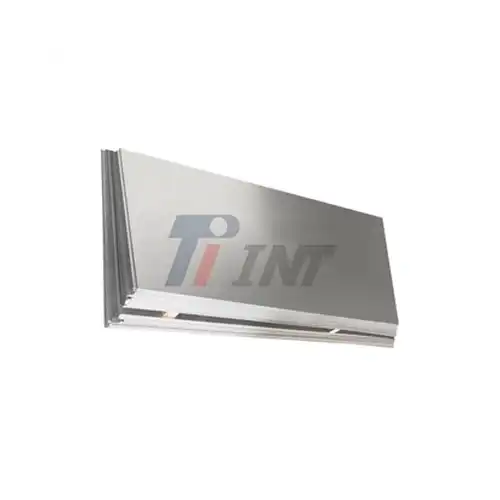
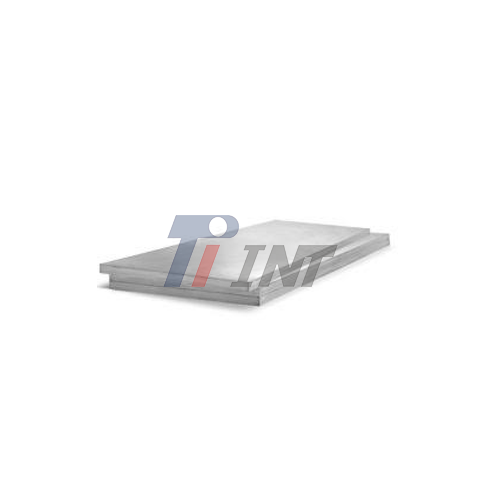
Titanium Sheet materials demonstrate exceptional corrosion resistance due to their unique ability to form a protective titanium dioxide (TiO2) oxide layer upon contact with oxygen. This naturally occurring phenomenon creates an ultra-thin, invisible barrier that regenerates automatically when damaged, providing unmatched protection against environmental degradation. The oxide film's remarkable stability and self-healing properties make titanium sheets indispensable for medical device manufacturing, where material failure is not an option.
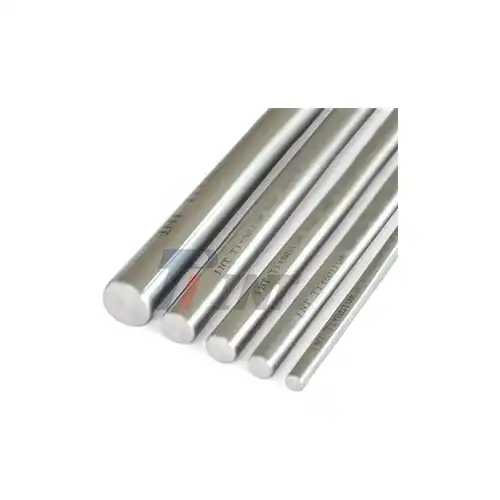
Titanium bars are very useful for business because they don't rust or break down quickly. In other words, they last a long time and work well when things get tough. In fields like medicine, aviation, chemicals, and the sea, where the cost of upkeep and how long something lasts are very important to how well it works, this quality is very important. Anyone from anywhere in the world who is a buyer, expert, dealer, or OEM client can trust this help. It talks about how titanium sheets naturally don't rust, what makes them work better or worse, and some good buying tips that will help you choose the best materials and find the best sources.
|
|
|
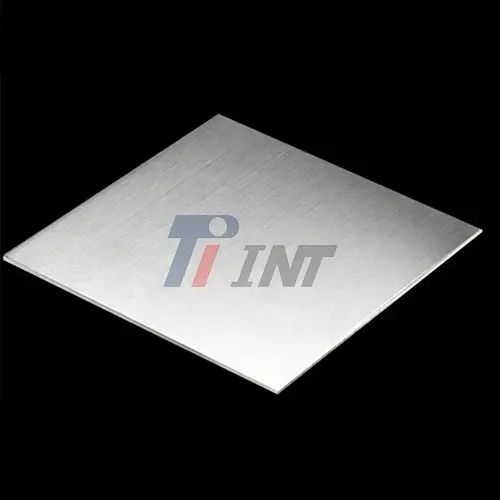
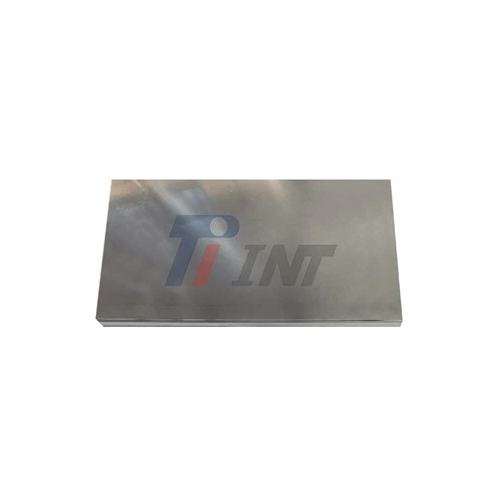
Understanding Titanium Sheet Corrosion Resistance
Titanium doesn't rust easily because a strong oxide layer (TiO2) forms on its surface. Things outside that could hurt the metal can't get through this film. Yes, this oxide layer can get better on its own. This means titanium can stay strong even after getting scratched or going through different things.
The Science Behind Titanium's Protective Oxide Layer
When titanium metal meets oxygen in the air, titanium dioxide is made right away. It only makes a fence 2 to 5 nanometers thick. Even though it's very thin, this oxide film is very strong and doesn't mix with chemicals. A paper in the Journal of Materials Science shows that this layer of defense doesn't change when the pH level goes from 3 to 12. In other words, Titanium Sheet can be used in both acidic and basic conditions, which are often found in methods used to make medical things germ-free.
Grade Variations and Their Corrosion Performance
You can get widely pure (Grade 1) titanium or alloyed (Grades 2–5) titanium. The difference is clear in how well it fights rust and how strong it is. Because it doesn't rust, Grade 2 titanium that is used in business is the best for medical purposes. Because it works better with the body, Ti-6Al-4V ELI (Extra Low Interstitial) Grade 23 is better for devices that are implanted. It is very important for each grade to pass strict tests based on ASTM F67 and F136 to make sure it is safe for medical use.
Comparison with Traditional Materials
In harsh environments, steels like aluminum and stainless steel don't rust as quickly as titanium does. It's not possible for titanium to rust or pit when salt is present. But medical grade stainless steel 316L can rust and pit. Because of this, medical tools and internal tech will last longer and need less maintenance.
Key Factors Influencing Titanium Sheet Corrosion Resistance
It depends on where the Titanium Sheet are that they rust, like when they are near saltwater in the ocean, chemical vapors, or things that are used to clean medical equipment. If the people who buy things know these things, they can pick the right goods and meet the needs.
Environmental Parameters and Their Impact
How fast things break down and how well they stay together depend on the temperature, pH levels, and salt water levels. To about 600°C, high temperatures can protect the oxide layer. But after that, the rate of oxidation goes through the roof. Titanium Sheet can be used to make medical items since it doesn't change when heated to high temperatures in a sterilizer. Titanium Sheet goods don't rust at 134°C, which is the normal temperature for cleaning.
Material Specifications and Surface Treatments
The width of a Titanium Sheet is very important; bigger sheets cover more area. To make them even more corrosion-resistant, methods and treatments that change the oxide layer or smooth out surface flaws can be used. Electric cleaning and passivation can be used to make the oxide layer more even. Health care tools need to have safe, smooth surfaces, so this is important. The surface should have a roughness of less than 0.4 Ra so that the tissue can stick well to the implant.
Quality Control and Testing Protocols
Before you buy these things, you should give them a lot of thought to make sure they will work well where you want them to. A lot of different tests, like the ASTM B117 salt spray test and the electrochemical rust test, show us how well a material works in real life.
Titanium vs Other Metals: Corrosion Resistance Comparison
It's better to use tin than stainless steel when things are rough. It lasts longer and needs less care because it doesn't pit, crack, or break as often due to stress rust.
Performance Against Stainless Steel
It is used to make a lot of medical tools, but titanium doesn't rust as easily when salt is present. Titanium can't rust, but chlorides found in body fluids can rust some types of stainless steel 316L. Wear and tear on materials can make the user less safe, so this is especially helpful for tools that last a long time.
Advantages Over Aluminum and Nickel Alloys
Iron and nickel aren't as heavy or strong as titanium. Titanium is also better since it doesn't rust. Since cost and efficiency need to be carefully weighed, this makes it great for use in cars and planes. It is called galvanic aging when different kinds of metals are mixed with aluminum alloys. Titanium Sheet products, on the other hand, don't change when mixed metals are present.
Economic Implications of Material Selection
These metal similarities show that titanium doesn't rust, which is why it is used in harsh jobs. For the time being, titanium materials cost more than other materials because they last longer and don't need as much upkeep.
How Titanium Sheets Are Made to Enhance Corrosion Resistance?
Titanium sheets are made by rolling, melting, and making sure the heat processes are done right. The ways they are treated have a direct effect on how stable and resistant to rust they are. When something is well-made, it always works the same way, no matter how many of them there are or what is going on.
Advanced Manufacturing Techniques
Because output is managed, the oxide film is even and the lattice is just right. Because of this, it lasts longer when it is under harmful stress. To keep the rolling process clean and make sure the right grain structure forms, it is very important to keep the temperature in check. Between 850°C and 950°C is the best temperature range for hot rolling. The nanoscale is then slowly cooled so that it doesn't rust as easily.
Quality Assurance and Certification Standards
Every batch has the same quality and performance because they all follow the same strict rules set by groups like ASTM, AMS, and ISO. Having ISO 13485:2016 approval means that medical-grade Titanium Sheet goods made from medical grade are safe and meet high standards for making medical gear. By focusing on quality control methods, they help people trust the products and make sure they follow the rules for buying from other countries.
Traceability and Documentation
When a business can keep track of materials from the raw materials to the end product, they can make sure the quality is good and sign off on everything. Pharmaceutical companies that send legal documents to the FDA and other governments must be able to show that they are following the rules. This makes it very important to keep track of.
Practical Procurement Considerations for Titanium Sheets
If you want Titanium Sheet that won't rust, you need to know how prices work and find a person you can trust. When someone wants to buy something, the seller has to be carefully rated on their skills, quality systems, and expert support services.
Supplier Selection Criteria
For important uses, you need products that you can depend on and that are made by companies that have a lot of experience making medical-grade titanium products. If someone wants to find a source, they should look at their quality licenses, how well they can make things, and past projects that were similar. It's important that when a medical device is used, the service can show full test results and proof that they follow the rules.
Pricing and Value Considerations
The quality, the width, and any changes that need to be made affect the price per kilogram. Bought these things should also be thought about along with how reliable the seller is. Titanium Sheet pricing reflects the complexity of production processes and raw material costs, but the long-term value proposition often justifies the initial investment through reduced maintenance and replacement costs.
Technical Support and Services
Offer extra services like custom cutting, grading help, and support after the sale to help business clients all over the world quickly get high-performance Titanium Sheet that work for their projects. If they give you advice while you're planning, they can help you choose the best products and process choices for your needs.
Conclusion
Titanium doesn't rust easily because it can make a coat of titanium dioxide that can guard itself and fix itself. For this reason, it's needed to make medicines and do other hard things. Titanium Sheet are the best choice for important tasks where failure of a material is not an option because they don't rust and are safe for living things. You can pick the best goods and sources if you know what affects rust protection, how the industry works, and your buying choices.
FAQ
Q1: Why does titanium resist corrosion better than stainless steel in medical applications?
A: Titanium's oxide layer is thicker than stainless steel's, and it doesn't mix with chemicals as much. In living things, titanium's TiO2 layer is more stable and doesn't break down when it comes in touch with chloride, which is found in human fluids. There is chrome rust on stainless steel.
Q2: How does the thickness of titanium sheets affect corrosion resistance?
A: Thicker titanium sheets provide enhanced corrosion protection due to increased material volume and structural integrity. However, the protective oxide layer forms uniformly regardless of thickness, so corrosion resistance primarily depends on surface quality and grade selection rather than thickness alone.
Q3: What certifications should I verify when procuring medical-grade titanium sheets?
A: A lot of people need certain certificates. Standard ASTM F67 is for highly pure titanium, and ASTM F136 is for Ti-6Al-4V ELI metal. ISO 13485:2016 is for quality control systems, and the FDA gives permission to make medical products. In the test records, there should also be proof of the material's science, mechanical qualities, and biocompatibility test results.
Partner with Baoji INT Medical Titanium Co., Ltd. for Superior Corrosion-Resistant Materials
Baoji INT Medical Titanium Co., Ltd. stands as your trusted Titanium Sheet supplier with over 20 years of specialized experience in medical-grade titanium materials. Our ISO 13485:2016 certified facility produces premium Titanium Sheet meeting ASTM F67 and F136 standards, ensuring exceptional corrosion resistance and biocompatibility for your critical applications. We offer comprehensive technical support, customized processing services, and complete material traceability documentation to streamline your procurement process.
Our commitment to quality excellence and on-time delivery has established long-term partnerships with leading medical device manufacturers worldwide. Contact our expert team at export@tiint.com to discuss your specific requirements and discover how our advanced Titanium Sheet solutions can enhance your product performance and reliability.
References
1. Boyer, R. R. "An Overview on the Use of Titanium in the Aerospace Industry." Materials Science and Engineering: A, vol. 213, 1996, pp. 103-114.
2. Rack, H. J., and Qazi, J. I. "Titanium Alloys for Biomedical Applications." Materials Science and Engineering: C, vol. 26, 2006, pp. 1269-1277.
3. Schutz, R. W., and Thomas, D. E. "Corrosion of Titanium and Titanium Alloys." ASM Handbook Volume 13A: Corrosion: Fundamentals, Testing, and Protection, ASM International, 2003, pp. 252-299.
4. Long, M., and Rack, H. J. "Titanium Alloys in Total Joint Replacement—A Materials Science Perspective." Biomaterials, vol. 19, 1998, pp. 1621-1639.
5. Donachie, Matthew J. "Titanium: A Technical Guide, 2nd Edition." ASM International, 2000, pp. 87-156.
6. Williams, David F. "Titanium for Medical Applications." Titanium in Medicine, Springer-Verlag, 2001, pp. 13-24.
_1772162494331.jpg)
_1750209732185.webp)