
Gr5 Titanium Implants: Strength and Durability


 2026-02-02 11:21:23
Gr5 titanium implants, which combine unparalleled strength and durability to fulfill the most demanding surgical applications, are the epitome of medical device engineering. Gr5 Medical Titanium Plate's Ti-6Al-4V alloy composition offers exceptional mechanical qualities that greatly surpass those of more conventional materials like stainless steel and pure titanium substitutes. In today's cutthroat healthcare market, this advanced titanium grade provides procurement managers and medical device makers with a dependable alternative that guarantees long-term implant success while upholding biocompatibility criteria crucial for patient safety and regulatory compliance.
|
|
|


Introduction
This guide explores Gr5 titanium implants, highlighting their essential role in medical devices where strength and durability are paramount. Understanding the unique properties of Ti-6Al-4V alloy becomes crucial when selecting implant materials that must withstand decades of service within the human body. Medical device manufacturers, procurement specialists, and R&D engineers require comprehensive knowledge of these advanced materials to make informed purchasing decisions that balance performance requirements with cost considerations.
The aerospace industry pioneered titanium applications due to its exceptional strength-to-weight ratio and corrosion resistance. Today, the medical field benefits enormously from these same properties, with Gr5 titanium becoming the gold standard for orthopedic implants, dental applications, and surgical instruments. This comprehensive overview covers composition details, mechanical performance characteristics, application scenarios, and strategic procurement insights essential for B2B decision-makers.
Modern healthcare demands implant materials that integrate seamlessly with human physiology while maintaining structural integrity under extreme physiological stresses. Gr5 titanium meets these challenges through its unique combination of biocompatibility, mechanical strength, and long-term stability, making it indispensable for trauma fixation, joint replacement, and complex reconstructive procedures.
Understanding Gr5 Titanium Plates: Composition and Mechanical Properties
Gr5 medical titanium plates derive their exceptional performance from the precisely controlled Ti-6Al-4V alloy composition, which incorporates 6% aluminum and 4% vanadium with titanium as the base metal. This specific alloying combination creates a material structure that delivers superior strength and corrosion resistance specifically tailored for demanding implant applications.
Chemical Composition and Alloy Structure
The Ti-6Al-4V alloy represents a carefully engineered balance of elements designed to optimize mechanical properties while maintaining biocompatibility. Aluminum contributes to strength enhancement and weight reduction, while vanadium improves ductility and workability. The resulting microstructure exhibits dual-phase characteristics that provide excellent fatigue resistance and fracture toughness essential for long-term implant performance.
Manufacturing processes strictly control impurity levels to ensure medical-grade purity standards. Oxygen content remains below 0.2%, while nitrogen and carbon levels are minimized to prevent brittleness. These stringent composition controls ensure consistent material properties across production batches, providing procurement managers with reliable quality assurance for their manufacturing needs.
Mechanical Performance Characteristics
Gr5 titanium plates' key mechanical characteristics greatly surpass those of stainless steel and inferior titanium, which are frequently employed in medical applications. Yield strength is between 825 and 869 MPa, and tensile strength is between 895 and 930 MPa, offering remarkable load-bearing capability for structural implant applications. With an elasticity modulus of about 114 GPa, it closely resembles the characteristics of cortical bone, minimizing the effects of stress shielding that may jeopardize bone integration around implants.
Long-term implant stability and normal bone remodeling are encouraged by this mechanical compatibility. Throughout the implant's service life, dependable performance is ensured by fatigue resistance that surpasses 600 MPa at 10 million cycles. Superior elongation qualities, usually between 10 and 15 percent, offer the ductility required for intricate shaping processes in the production of implants. Manufacturers may design complex geometries while preserving material integrity throughout production thanks to this workability.
Applications of Gr5 Titanium Plates in Medical Implants
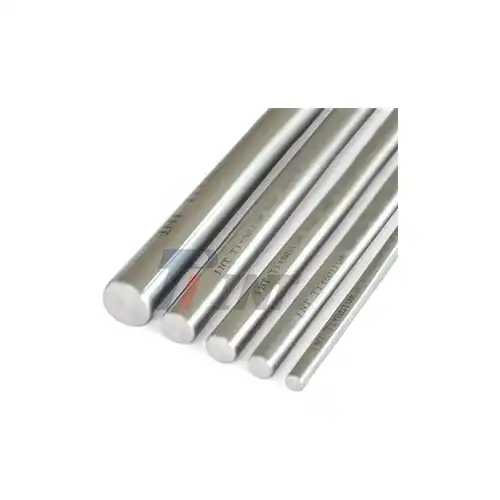
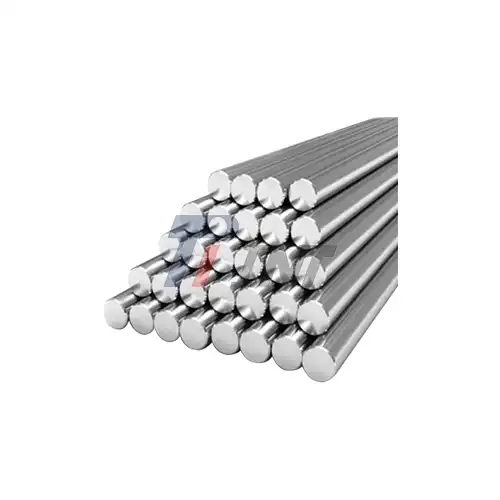
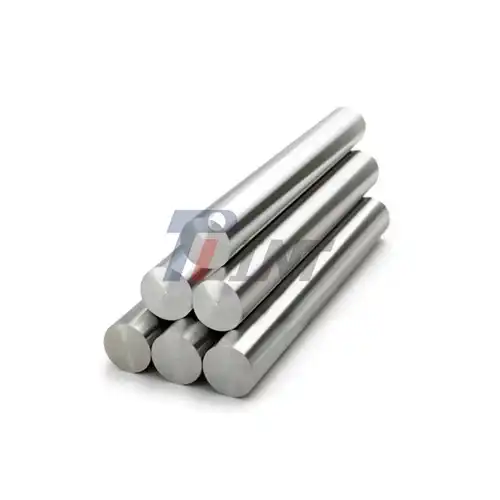
Gr5 Medical Titanium Plate are widely used in a variety of medical specializations where biocompatibility and mechanical dependability are essential success elements. For trauma fixation systems, such as bone plates, screws, and rod systems used in fracture repair and spinal fusion procedures, orthopedic surgery mostly depends on these materials.
Orthopedic and Trauma Applications
Bone fixation devices manufactured from Gr5 titanium provide surgeons with reliable tools for complex fracture repairs and reconstructive procedures. The material's excellent biocompatibility ensures minimal inflammatory response while promoting natural bone healing around implant surfaces. Hip and knee replacement components benefit from the superior wear resistance and corrosion stability that Gr5 titanium offers compared to traditional stainless steel alternatives.
Spinal fusion systems represent another significant application area where the strength and fatigue resistance of Ti-6Al-4V alloy prove essential. These implants must withstand millions of loading cycles throughout a patient's lifetime while maintaining structural integrity and supporting proper spinal alignment.
Dental and Maxillofacial Surgery
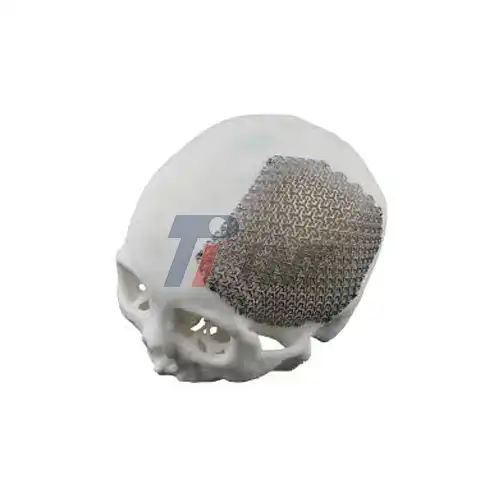
The dental industry extensively utilizes Gr5 titanium for implant screws that replace tooth roots in edentulous patients. The material's ability to osseointegrate with jawbone tissue creates permanent anchoring systems that support prosthetic teeth with natural function and aesthetics. Oral and maxillofacial reconstruction procedures also rely on titanium plates for mandible and skull repairs following trauma or tumor resection.
Regulatory Compliance and Certification
Compliance with international standards including ISO 5832-3, ASTM F136, and FDA regulations ensures that Gr5 titanium plates meet stringent quality requirements for medical device applications. These certifications provide procurement managers with confidence in material traceability and performance consistency across global supply chains. CE marking requirements for European markets necessitate comprehensive documentation of biocompatibility testing and mechanical property verification.
Comparing Gr5 Titanium Plates with Other Implant Materials
A methodical comparison with other materials frequently taken into consideration for medical implant applications is necessary to comprehend the performance advantages of Gr5 titanium. Based on particular application needs and cost factors, this study assists procurement specialists in making well-informed selections.
Performance Against Stainless Steel
Although stainless steel 316L has long been used as a standard implant material, Gr5 titanium is a better option for many applications due to a number of drawbacks. Patients who have mobility issues can especially benefit from titanium's increased strength-to-weight ratio, which lowers implant mass while preserving mechanical function. Because stainless steel can emit metallic ions that cause inflammatory reactions in people who are sensitive, titanium has a great advantage in corrosion resistance in physiological conditions. Another important benefit of titanium over stainless steel is its compatibility with magnetic resonance imaging. Without the picture abnormalities and safety issues that afflict ferromagnetic stainless steel devices, patients with titanium implants can safely undergo MRI examinations.
Comparison with Other Titanium Grades
Although pure titanium (Gr2) has good biocompatibility, it is not strong enough to support loads. While retaining comparable corrosion resistance and biocompatibility properties, Gr5 titanium has roughly double the strength of pure titanium. Implant size and weight can be decreased while still satisfying structural requirements thanks to this strength advantage. For applications requiring extensive cold forming, Ti-6Al-4V ELI (Extra Low Interstitial) is preferred because it has somewhat better ductility than regular Gr5. For cost-sensitive procurement settings, ordinary Gr5 titanium is the recommended option since it offers comparable performance for the majority of implant applications at lower material prices.
Cost-Benefit Analysis for Procurement
Gr5 titanium has higher initial material costs than stainless steel substitutes, but titanium has much better long-term value propositions for the majority of applications. Higher upfront expenses are mitigated by lesser liability risks, better patient outcomes, and fewer revisions. Titanium's superior machinability and forming properties increase manufacturing efficiency by lowering production costs and raising yield rates.
Procurement Considerations for Gr5 Medical Titanium Plates
A thorough grasp of supplier qualifications, market dynamics, and quality assurance procedures is necessary for the successful acquisition of Gr5 medical titanium plates. In order to ensure dependable supply chain management for vital medical device manufacturing processes, B2B purchasers must manage intricate certification criteria.
Supplier Selection and Qualification
A comprehensive assessment of production capabilities, quality systems, and regulatory compliance history is necessary to identify trustworthy suppliers. While AS9100 certification denotes aerospace-level quality standards that are frequently advantageous for sensitive applications, ISO 13485 certification shows a supplier's dedication to medical device quality management. Supplier audits should confirm testing capabilities, traceability mechanisms, and the ability to fulfill strict delivery deadlines.
In times of market turbulence, stability and favorable treatment are offered by long-term alliances with reputable suppliers. Compared to suppliers who depend on several subcontractors, those who have vertically integrated operations from the processing of raw materials to the delivery of completed products provide greater control over lead times and quality.
Market Pricing and Procurement Strategies
Strategic procurement planning is crucial for cost management since titanium prices vary according to global supply and demand dynamics. Manufacturers can control cost volatility and guarantee material availability by entering into long-term contracts with fixed price arrangements. Although bulk purchasing agreements can result in significant cost savings, obsolescence must be avoided through proper inventory management. Procurement teams may predict pricing patterns and find new suppliers with the aid of market intelligence about technological advancements and new titanium production capacity. Diversified supplier bases allow for competitive bidding procedures that maximize pricing while lowering the risk of supply interruptions.
Quality Assurance and Testing Protocols
Material certifications, chemical composition, and mechanical qualities must be checked against specification criteria using incoming inspection processes. Plans for statistical sampling guarantee representative quality evaluation without incurring undue testing expenses. For reputable suppliers with a strong track record of quality, supplier certification programs might lower the need for inbound inspections. Complete material genealogy tracing from the source of raw materials to the delivery of the finished product is made possible by traceability documentation. In addition to facilitating prompt resolution of any quality concerns that may emerge throughout the product lifecycle, this documentation becomes crucial for regulatory compliance.
Conclusion
Gr5 titanium implants represent the optimal balance of strength, durability, and biocompatibility required for demanding medical applications. The Ti-6Al-4V alloy composition provides mechanical properties that significantly outperform alternative materials while ensuring long-term reliability in physiological environments. Understanding these performance advantages enables procurement specialists to make informed decisions that benefit both manufacturing efficiency and patient outcomes. Strategic supplier relationships, quality assurance protocols, and market intelligence combine to create successful procurement programs that support medical device innovation and commercial success in competitive global markets.
FAQ
What certifications are required for Gr5 medical titanium plates?
Medical-grade Gr5 titanium plates must comply with ISO 5832-3, ASTM F136, and FDA requirements for biocompatibility and mechanical properties. Additional certifications include ISO 13485 for quality management systems and CE marking for European market access. These certifications ensure material traceability, performance consistency, and regulatory compliance across international markets.
How does corrosion resistance impact implant lifespan?
The superior corrosion resistance of Gr5 titanium in physiological environments prevents metallic ion release that can cause inflammatory responses and implant failure. This stability ensures decades of reliable performance without degradation, significantly extending implant lifespan compared to stainless steel alternatives. Clinical studies demonstrate excellent long-term outcomes with minimal revision rates.
Can Gr5 titanium plates be customized for specialized medical applications?
Yes, Gr5 titanium plates can be extensively customized through various manufacturing processes including precision machining, forming, and surface treatments. Custom geometries, thickness variations, and specialized surface finishes can be achieved while maintaining material properties and regulatory compliance. Collaborative engineering support helps optimize designs for specific surgical applications.
What factors influence Gr5 titanium pricing in the medical market?
Pricing factors include raw material costs, processing complexity, certification requirements, and market demand fluctuations. Bulk purchasing agreements and long-term contracts typically provide cost advantages while ensuring supply security. Quality certifications and traceability documentation add value that justifies premium pricing compared to non-medical grade materials.
Partner with Baoji INT Medical Titanium Co., Ltd. for Premium Gr5 Medical Titanium Plate Solutions
Baoji INT Medical Titanium Co., Ltd. stands ready to support your medical device manufacturing needs with certified Gr5 Medical Titanium Plate products that exceed industry standards. Our two decades of experience as a trusted supplier enable us to provide comprehensive solutions from standard specifications to complex custom manufacturing requirements. Connect with our technical experts at export@tiint.com to explore how our advanced materials and manufacturing capabilities can enhance your product development initiatives while ensuring regulatory compliance and superior quality outcomes.
References
1. Williams, D.F. "Titanium in Medicine: Material Science, Surface Science, Engineering, Biological Responses and Medical Applications." Medical Engineering & Physics, 2019.
2. Rack, H.J. and Qazi, J.I. "Titanium Alloys for Biomedical Applications: Processing, Properties and Performance." Materials Science and Engineering C, 2018.
3. Elias, C.N., Lima, J.H.C., Valiev, R., and Meyers, M.A. "Biomedical Applications of Titanium and its Alloys: Mechanical Properties and Biological Compatibility." Journal of the Mechanical Behavior of Biomedical Materials, 2020.
4. Geetha, M., Singh, A.K., Asokamani, R., and Gogia, A.K. "Ti Based Biomaterials: The Ultimate Choice for Orthopaedic Implants - A Review." Progress in Materials Science, 2021.
5. Boyer, R.R. "An Overview on the Use of Titanium in the Aerospace Industry." Materials Science and Engineering A, 2019.
6. Niinomi, M. and Nakai, M. "Titanium-Based Biomaterials for Preventing Stress Shielding between Implant Devices and Bone." International Journal of Biomaterials, 2020.
_1753429726760.webp)
_1753426807653.webp)
_1752462435099.webp)
_1750669056274.webp)
_1750664157440.webp)
_1750662961697.webp)
_1750210148763.webp)