
Guide to choosing the best titanium bars for chest reconstruction


 2026-06-17 15:53:50
Procurement professionals must make a crucial choice that directly affects patient results and operating effectiveness when using titanium bars in chest repair applications. When medical-grade titanium implants are used in treatments like the Nuss method for pectus excavatum repair, they need to be carefully checked for material specs, source qualifications, and compliance with regulations. These special orthopedic parts work like internal splints to raise the chest when it is lowered. They also solve problems like nickel intolerance and MRI compatibility that happen with stainless steel alternatives. Device makers and OEM partners can choose implants that meet both clinical standards and production needs if they know about the technical requirements and supply chain issues.
|
|
|
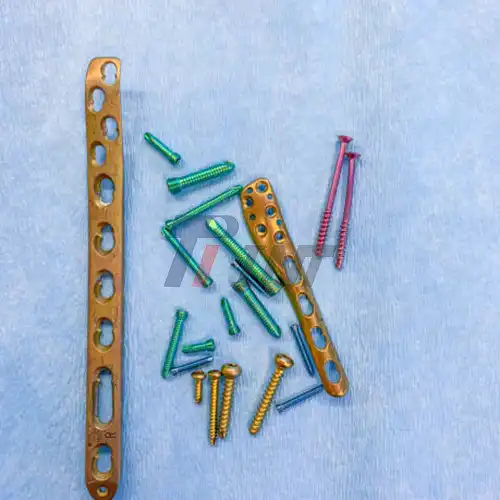
Comprehending Titanium Bars for Chest Reconstruction
Medical Applications and Surgical Purpose
Titanium implants have changed thoracic surgery by giving doctors safe ways to fix chest wall abnormalities that are present at birth. Medical-grade titanium metals are very important for the Nuss treatment, which includes making small cuts on the side and putting bent bars under the chest. For about three years, these devices stay in the body and can handle breathing motion that makes about 20,000 breath cycles daily. During this long amount of time after placement, the material must keep its structural stability while also allowing for proper bone healing and chest wall support.
Superior Material Properties Compared to Alternatives
Due to its high biocompatibility and resistance to rust, Ti-6Al-4V ELI (Extra Low Interstitial) titanium metal used in titanium bars in chest is the gold standard for chest surgery. Unlike types of stainless steel that contain nickel and chromium, this titanium grade doesn't have the 2–5% risk of allergic reactions that affect patients who are more likely to be sensitive. The amount of flexibility of the material is more like that of human bone than steel's. This means that it doesn't protect against stress as much, which can hurt long-term surgery results. Also, titanium's paramagnetic qualities mean that there aren't many magnetic susceptibility flaws during MRI treatments. This means that doctors can check on heart and lung function after surgery without worrying about picture warping.
Clinical Considerations and Risk Management
Titanium has a lot of benefits, but buying teams need to know about the problems that could arise in order to make smart choices about where to get it. Bar movement can happen in about 3 to 5 percent of cases, especially when the material standards or surgery methods aren't met. Even titanium implants can cause allergic reactions in some patients, though the rate of these reactions is still much lower than with steel implants. Pre-operative patch testing helps find people who are at risk and may need different materials or surgery methods. Device makers can lower these health risks and stay in line with regulations in different markets by being open and honest with their sources about how they track materials and make sure they meet quality standards.
Key Factors to Consider When Choosing Titanium Bars
Regulatory Compliance and Certification Standards
Medical device makers need to make sure that the titanium bars in chest their providers offer have full approval packages that meet the needs of their target markets. Getting ISO 13485:2016 approval shows that a seller is dedicated to quality control systems that are made just for medical products. Products are guaranteed to meet US regulatory standards when they are registered with the FDA and meet ASTM F136 standards for medical implant materials. The European Medical Device Regulation (MDR 2017/745) says that products with the CE mark can be sold in all EU member states. We've seen that sellers with multiple licenses usually have stronger quality systems and a more stable supply chain, which makes it easier for buying groups to do audits.
Material Grade Selection and Specifications
Choosing between available pure titanium grades and titanium blend formulas has a big effect on how well implants work. The tensile strength of Grade 5 titanium alloy (Ti-6Al-4V ELI) is higher than 860 MPa, which means it can be used for adult patients whose chest walls are stiffer and put more mechanical stress on implants. Commercially pure types of titanium, such as Grade 2 or Grade 4, are very resistant to rust but not as strong, which may be fine for juvenile uses. Bar width, length, and curve modification choices change how well surgery works for different body types. To make sure that all production batches are the same, the specs for buying things should make the mechanical qualities, surface finish requirements, and measurement tolerances very clear.
Supplier Reliability and Technical Support
OEM makers and device companies can gain a competitive edge by teaming up with experienced titanium sources who know what the medical device market needs. Suppliers who have their own research and development departments can work with you on projects to create new products and make customizations that set your products apart in crowded markets. We suggest that you look at a supplier's history of on-time delivery, stability from batch to batch, and quick responses to technical questions.
Being ready to give material certificates, tracking paperwork, and sample tests shows that a seller is committed to being open and honest. Companies that have been in the medical titanium business for a long time usually know more about the processes and have more stable quality control systems than companies that are new to the market.
Comparative Analysis: Titanium Bars vs Other Chest Correction Methods
Titanium Versus Stainless Steel Performance
When considering titanium bars in chest versus stainless steel bars for pectus excavatum repair, there are a number of performance differences that affect the choice of which bar to buy. Titanium bars are better at resisting wear under cycle loads than 316L stainless steel bars, with durability limits hitting about 510 MPa compared to 241-300 MPa for 316L stainless steel. This mechanical edge means that there are fewer failures during the three years that are usually allowed after placement.
Steel's higher mass (about 7.9 g/cm³ vs. 4.5 g/cm³ for titanium) makes patients more uncomfortable and may raise the risk of complications. A study of costs shows that titanium bars are 30–50% more expensive per unit than steel bars, but they often have a lower total cost of ownership for healthcare workers because they don't need to be replaced as often and cause fewer allergy problems.
Alternative Surgical Approaches and Device Options
The modified Ravitch treatment is a standard option that includes cutting away cartilage and making a cut in the sternum, with or without putting in a temporary bar. When compared to minimally invasive treatments using titanium bars, this open surgery method causes more damage to the tissue and takes longer to heal. Custom-made braces can help fix minor flaws without surgery, but they are hard for patients to wear and don't work very well for serious cases, so they aren't widely used.
As an experimental option, bioabsorbable polymer implants have been made, but the current versions don't have the mechanical strength needed to stabilize the chest wall well. Manufacturers of medical devices shouldn't see these choices as straight rivals, but as tools that work well together to help different types of patients and situations in the clinic.
Cost-Benefit Analysis for B2B Procurement
A full review of a buying must take into account all costs over the lifetime, not just the original purchase price. Titanium bars, which cost between $800 and $1,500 per unit based on specs, may seem pricey when compared to steel bars, which cost between $400 and $800 per unit, but this simple cost comparison leaves out important factors. Clinical studies show that titanium implants lower the overall cost of the process by about 15 to 20 percent because they reduce the need for surgery revisions.
Getting rid of problems related to allergies lowers the cost of care after surgery and raises patient happiness levels, both of which have a growing effect on how much a hospital gets paid. When supply chain managers are making business cases for titanium bars, they should include these longer-term cost factors. This is especially important when they are trying to get healthcare institutions that care about quality and are willing to spend more on better products for their patients.
Procurement Guide: How and Where to Source Titanium Bars for Chest Reconstruction?
Minimum Order Quantities and Lead Time Considerations
Knowing the limits of a supplier's capacity and the length of their production cycles helps procurement teams handle supplies more efficiently and keep the surgery schedule on track. For normal setups, well-known medical titanium makers usually need at least 50 to 200 units as a minimum order quantity. For unique specs, bigger numbers may be needed to support the cost of tooling. Standard wait times are between 6 and 12 weeks from the time of the buy order to the time of delivery.
This time includes getting the materials, making them, inspecting them for quality, and sterilizing them. For urgent needs, there may be faster production choices available at a higher cost, but we've found that keeping smart inventory gaps is cheaper than counting on rush orders. Changes in seasonal demand can make lead times longer during busy buying times, especially in places with a lot of college medical centers.
Selecting Qualified Suppliers and Distribution Partners
Because medical device rules are so complicated, choosing a provider is not just a business choice, but also a key part of managing risk. Authorized wholesalers who have long-term ties with authorized producers can guarantee the accuracy of materials and provide proof of regulatory compliance. Direct maker relationships have benefits for buyers who buy a lot, such as better prices, the ability to customize products, and first choice when supplies are low.
Before forming long-term partnerships with possible providers, we suggest doing on-site audits to check their production skills, quality systems, and compliance with regulations. Suppliers who show vertical integration from processing raw materials to making finished devices usually offer more openness and control over quality traits in the supply chain.
Pricing Structures and Budget Planning
Titanium bars in chest are affected by many factors that affect costs, such as the markets for raw materials, the difficulty of production, investments made to meet legal requirements, and how suppliers place themselves in the market. Medical-grade Ti-6Al-4V ELI bar stock costs around 35to35to50 per kilogram for big orders, and the price of a final implant includes a lot of processing that adds value. Custom bar setups that need special tools or unique curve shapes cost 20–40% more than normal stock items.
Larger device makers may be interested in combined purchasing strategies because volume-based price tiers often offer 10-15% savings for yearly pledges over $100,000. When making a budget, you should think about how the prices of raw materials might change over time. This is because titanium sponge markets have supply-and-demand gaps that can affect the costs of final devices 3 to 6 months later.
Ensuring Successful Implementation and Post-Purchase Support
Surgical Protocol Support and Clinical Training
Successful chest repair depends on both the quality of the implants and the skill of the surgeon. This means that suppliers can set themselves apart by offering value-added services. Adoption rates and clinical results are better when there are thorough surgery training programs that teach medical staff about the best ways to install, deal with complications, and remove devices. Some forward-thinking sellers offer surgical training tools, anatomy models, and proctoring services that help doctors get better at their jobs before they actually do surgery on patients.
When device makers work with clinical thought leaders to build surgery methods based on data, they gain a competitive edge and raise clinical standards across the specialty. We've seen that when providers put money into these training programs, they get more loyal customers and useful clinical feedback that helps them make new products.
Warranty Coverage and Technical Assistance
Strong support programs after the sale keep purchasing organizations safe from poor quality and give them a way to get help when problems arise during clinical use. When it comes to medical devices, standard guarantee terms cover production flaws for 12 to 24 months from the date of delivery. Suppliers who offer repair programs for recorded clinical fails or more thorough coverage that lasts through the normal implantation time show that they have faith in the quality of their products.
The availability of technical support for questions about fixing problems, checking materials, and asking for legal paperwork has a big effect on how efficiently device makers can run their businesses. Suppliers who have specific customer support teams with medical device experience are better at solving problems than companies that use general customer service staff who don't have the right knowledge.
Long-Term Partnership and Innovation Collaboration
Because the medical device business is changing so quickly, providers and users need to work together on projects that keep things better and keep them competitive. Device makers can stay ahead of clinical trends and legal changes with the help of suppliers who are willing to spend in research and development (R&D) in new metal formulas, surface treatments, and production technologies. Joint development deals for custom implant designs or private setups protect intellectual property and meet clinical needs that haven't been met yet.
Regular reviews of the business that look at quality measures, service performance, and market trends keep everyone on the same page about what is expected and how to make things better. These strategic partnerships go beyond simple business relationships. They create value for both parties, which improves the market places of both over time.
Conclusion
To choose the best titanium bars in chest for chest repair, you have to think about a lot of things, including technical specs, regulatory compliance, source reliability, and total cost. Medical-grade titanium alloys are much better than regular materials because they are better at being biocompatible, having good dynamic qualities, and being compatible with imaging. These benefits directly improve patient results. Instead of just looking at unit price, procurement workers should look at a supplier's list of certifications, their ability to make the product, and their after-sale support system.
When you compare titanium to other materials and surgery methods, you can see when investing in high-quality implants is worth it in terms of both health and money. By forming smart partnerships with reliable titanium providers, you can keep your supply chain stable and work together on new ideas that will help you stay ahead of the competition in the medical device market as it changes.
FAQ
Q1: What distinguishes medical-grade titanium from industrial titanium materials?
A: Medical-grade titanium passes strict purity standards set by ASTM F136 and ISO 5832-3. It has very low amounts of oxygen, nitrogen, and carbon in its interstitial space, which means it is biocompatible. These requirements make sure that the mechanical qualities and rust protection stay the same over time, which is needed for long-term insertion. Industrial types of titanium may have higher amounts of impurities that are fine for non-medical uses but not for touch with the human body. Certified medical providers keep detailed records that connect the heat numbers of finished products to the heat numbers of raw materials. This lets managers handle recalls and look into quality issues when needed.
Q2: How do procurement teams verify supplier regulatory compliance?
A: Full source checks should look at ISO 13485 certificates, FDA company registration, and any market-specific approvals, such as CE marking paperwork. Ask for copies of certificates that the materials meet ASTM F136 standards and look over the quality management system rules that guide production, inspection, and tracking. Independent checks of management system compliance are done by third-party licensing groups such as BSI, TÜV, or Intertek. Regular renewal rounds and yearly surveillance checks make sure that ongoing compliance is maintained instead of just being achieved once. This is why certificate expiration dates are important proof points.
Q3: What factors influence titanium bar customization costs?
A: Custom designs that need special tools, different heat treatment processes, or non-standard size requirements raise the cost per unit because of the time and money needed to set them up and the less efficiently they can be made. The number of orders has a big effect on the price because the costs of tools are spread out over many production sizes. Processing costs are higher for complex curve shapes that need advanced making methods or multi-axis cutting processes compared to simpler designs. Requests for shorter wait times may be charged extra to favor production plans and get them done faster.
Partner With a Trusted Medical Titanium Bar Manufacturer
With more than 30 years of experience, Baoji INT Medical Titanium Co., Ltd. makes approved medical-grade titanium products that are used in chest surgery. Our wide range of products includes Ti-6Al-4V ELI bars, plates, and cast parts made with ISO 13485:2016 and CE-certified quality systems, which makes sure that your medical device projects always meet legal requirements. We know how important it is for you to be able to track materials, make sure they have the same mechanical properties, and get them to you on time so that you can meet your clinical and production deadlines.
Our expert team gives you full advice on how to choose the right materials, can customize them to meet the specific needs of your surgery, and provides all the paperwork you need to support your regulatory applications. As a well-known and dependable titanium bar seller in global markets, we welcome sourcing managers, R&D experts, and OEM makers to look into how our services can make your supply chain stronger. Email our team at export@tiint.com to talk about your unique needs, get material certifications, or set up a review of a sample for your next project to build a chest repair device.
References
1. Croitoru D, Kelly RE, Goretsky MJ, et al. "Experience and Modification Update for the Minimally Invasive Nuss Technique for Pectus Excavatum Repair in 303 Patients." Journal of Pediatric Surgery (2002).
2. Hebra A, Swoveland B, Egbert M, et al. "Outcome Analysis of Minimally Invasive Repair of Pectus Excavatum: Review of 251 Cases." Journal of Pediatric Surgery (2000).
3. Steinmann B, Schmid RA. "Surgical Treatment of Pectus Deformities." European Journal of Cardio-Thoracic Surgery (2017).
4. Park HJ, Lee SY, Lee CS, Youm W, Lee KR. "The Nuss Procedure for Pectus Excavatum: Evolution of Techniques and Early Results on 322 Patients." Annals of Thoracic Surgery (2004).
5. ASTM International. "Standard Specification for Wrought Titanium-6Aluminum-4Vanadium ELI (Extra Low Interstitial) Alloy for Surgical Implant Applications (UNS R56401)." ASTM F136-13.
6. Rushing GD, Goretsky MJ, Gustin T, et al. "When It Is Not an Infection: Metal Allergy After the Nuss Procedure for Repair of Pectus Excavatum." Journal of Pediatric Surgery (2007).
_1753429871786.webp)
_1751957234428.webp)
_1750663253486.webp)
_1755062186746.jpg)