



Which medical device companies supply titanium plates for brain surgery


 2026-06-17 15:53:55
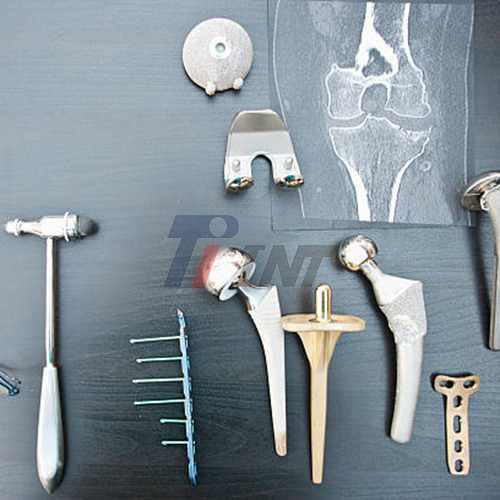
When procurement managers and research and development engineers look for Titanium Plate for Brain Surgery, they find a market that is mostly made up of well-known global makers and sellers of specialized materials. Big medical device companies like Medtronic, Stryker, DePuy Synthes (Johnson & Johnson), and Zimmer Biomet make cranial fixation systems with titanium plates that are allowed by the FDA and are used for cranioplasty and stabilizing bone flaps. These leaders in the field offer full lines of brain implants with all the necessary legal paperwork. Material suppliers that focus on high-purity medical-grade titanium, like those that offer ASTM F67 and ASTM F136 titanium plates, also work with OEM manufacturers and custom implant makers who need raw materials or partially finished parts instead of finished devices with a brand name. Getting to know both the makers of finished devices and the sellers of raw materials helps procurement teams make sure that their buying strategies meet the needs and quality standards of their manufacturing processes.
|
|
|
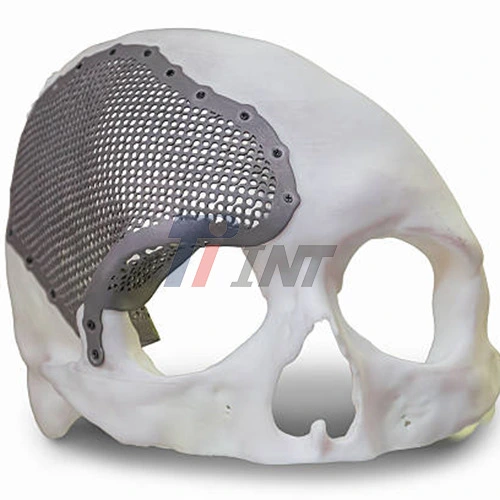

Understanding Titanium Plates for Brain Surgery
Titanium skull plates are an important part of current neurosurgical repair. These bio-inert devices solve important problems in skull repair after an accident, tumor removal, or decompressive skull surgery. Biological grafts are more likely to be rejected or attacked by the immune system. Titanium plates, on the other hand, provide solid structural stability while still being very biocompatible. Their non-ferromagnetic features get rid of image artifacts during MRI scans done after surgery, making it possible to see brain structures clearly. This is a big benefit that changes how patients are monitored in the long term.
Material Specifications and Standards
Medical-grade titanium plates have to meet strict international standards for their clarity, strength, and ability to be tracked. As per ASTM F67, there are four grades of widely pure titanium. Grades 1 and 2 are usually chosen because they are easier to shape for cranial uses. As per ASTM F136, Ti-6Al-4V ELI (Extra Low Interstitial) titanium alloy is the best choice when better tensile strength is needed without affecting biocompatibility.Both ISO 5832-2 and ISO 5832-3 are European standards that are the same.
Following these rules makes sure that the performance of materials is the same from one seller to the next and from one batch of production to the next. The people in charge of buying things should make sure that the sellers keep full mill test records, heat lot traceability, and batch certification paperwork. These papers show that the makeup of the material, the results of mechanical tests, and the level of cleanliness meet the standards for surgical insertion.
Plate Designs and Fixation Methods
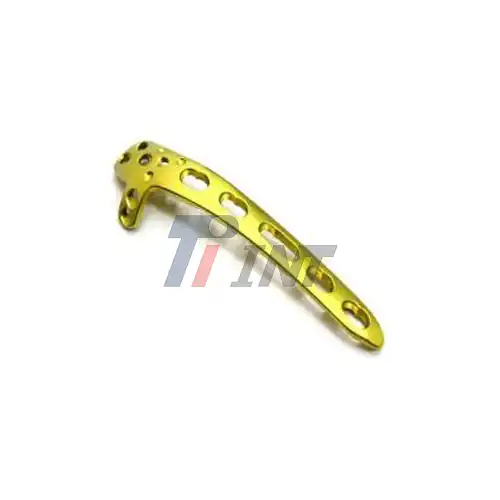
Cranial titanium plates have a lot of different shapes, thicknesses, and ways of fixing them in place based on where they are in the body and what the surgery goals are. Different flaw sizes and head shapes can be accommodated by straight plates, curved plates, and mesh combinations. Plate thickness usually falls between 0.4mm and 1.2mm, which strikes a balance between supporting the structure and keeping the profile as low as possible under the head tissue.
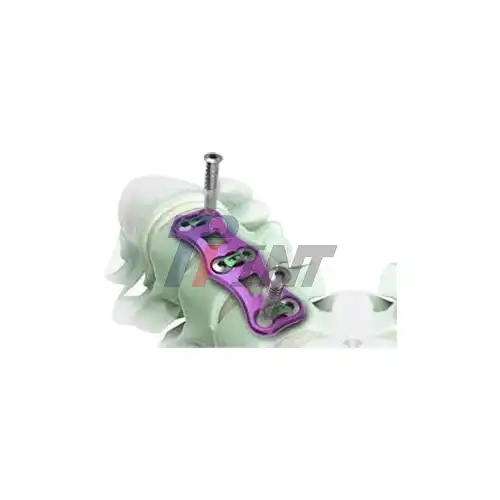
Fixation is based on titanium screws that go into good bone nearby. Screws that self-tap and self-drill cut down on surgery time and bone damage. Locking plate-screw connections keep the angle stable and distribute mechanical loads better than traditional compression methods. Some high-tech systems use CAD/CAM customization to make devices that are exactly the right size and shape for each user by using data from a CT scan. This customization cuts down on surgery time and improves the look of the results, but it needs suppliers with advanced digital production skills.
Safety and Biocompatibility Considerations
Titanium is very biocompatible because it has a solid oxide layer that forms on its surface on its own. This layer stops metal ions from getting into nearby flesh. Clinical data covering decades shows that there is little to no inflammatory response and very few allergic reactions compared to other metal implants. Even though the material has a higher elastic stiffness than real bone, it doesn't have as much of an effect on stress shielding when plates are built correctly, with the right amount of thickness and porosity.
Before putting something on the market, regulatory bodies like the FDA require strict biocompatibility testing based on ISO 10993 standards. Tests check for cytotoxicity, hypersensitivity, soreness, and poisoning to the whole body. Suppliers must show proof that these evaluations were done. People who are in charge of buying things should ask for Certificates of Compliance that show they follow FDA 21 CFR Part 820 (Quality System Regulation) and ISO 13485 (Medical Device Quality Management Systems). These certifications show that the manufacturing controls, risk management methods, and post-market monitoring are strong. These things lower the risks and liabilities in the supply chain, especially when considering Titanium Plate for Brain Surgery.
Leading Medical Device Companies Supplying Titanium Plates for Brain Surgery
To find reliable sources, you need to know about both the companies that make finished medical devices and the companies that supply materials to the neurosurgical market. In the medical gadget supply chain, each group meets a different set of buying needs.
Major Finished Device Manufacturers
Medtronic is the leader in neurosurgical devices. Its Neurosurgery section offers a full range of head fixation systems. Their titanium plate portfolios include choices that are already shaped to fit the body and flexible systems that can be used with a variety of surgical methods. Large hospital systems and OEM partners that want a well-known name like Medtronic's regulatory framework and global distribution network.Stryker's Neurotechnology and Spine business makes titanium craniofacial plates that screw together in a special way.
They put a lot of stress on surgery speed by using streamlined instruments and sterile packaging that is ready for the operating room. This fits with how procurement managers prioritize standardizing procedures and surgeon choice.The Synthes craniomaxillofacial product line is made by DePuy Synthes, which is part of Johnson & Johnson's Medical Devices Companies. Their titanium plate methods are based on decades of medical knowledge that has been applied to neurosurgical problems.
The company's quality assurance procedures and large clinical evidence files help procurement teams get through the steps needed by institutions to get permission.Through its CMF (Cranio-Maxillofacial) and Thoracic divisions, Zimmer Biomet makes head stabilization devices. Their product line includes things that can be used for both emergency trauma operations and elective reconstructive procedures, so it can be used for a wide range of surgery workloads.
Specialized Material Suppliers and OEM Partners
Specialized titanium sources are just as important for companies that make custom implants or need material for their own manufacturing as they are for companies that make branded devices. Not finished branded goods, but the quality of the raw materials, the ability to handle them, and the ability to work together technically are what these suppliers care about.This group is shown by Baoji INT Medical Titanium Co., Ltd. The company was started in 2003 by Mr. Zhan Wenge, who has worked in the titanium business for more than thirty years. It has become a standard for research and production of medical-grade titanium materials.
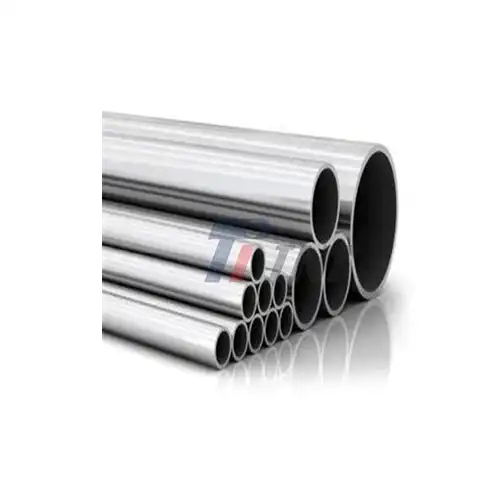
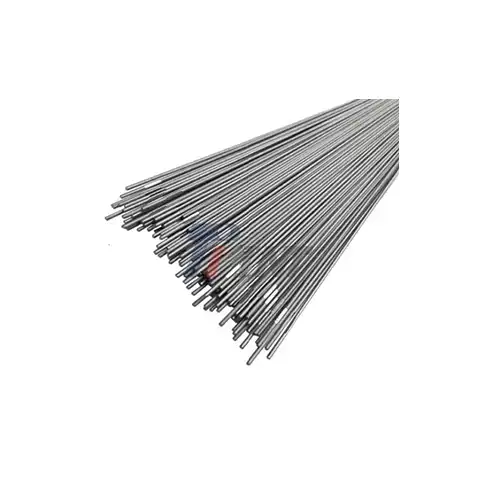
We offer a wide range of materials, such as pure titanium and Ti6Al4V ELI alloys in rods, wires, plates, and precision-forged products that are designed to be used in medical device production.Our material specs are exactly in line with ASTM F67 and ASTM F136 standards, so they can be used in neurosurgical procedures. We show that we care about quality management systems by having ISO 9001:2015, ISO 13485:2016, and CE certifications. These meet the needs of picky buying managers and R&D engineers. Compliance isn't the only thing that sets us apart; we also offer a wide range of technical support, such as help with choosing materials, advice on processing technologies, help with quality control, and full traceability paperwork that makes your regulatory approval processes easier.
Comparative Assessment of Supplier Offerings
When buying teams look at providers, they should compare them in a number of structured ways. Certifications from regulatory bodies are the basis. For example, FDA company registration, ISO 13485 certification, and CE marks show that a product meets basic requirements to enter the market. In addition to these basic standards, you should also look at the seller's certifications. For example, does the supplier keep up with current Good Manufacturing Practice (cGMP) compliance? Are they registered with the right officials in the places you want to reach?Pricing systems change a lot between sellers of materials and producers of finished devices.
Branded systems cost more because of the money spent on research and development, the creation of clinical proof, and the infrastructure for sales. Material providers usually have lower unit costs, which makes them more appealing to OEM manufacturers and custom implant makers who handle design and regulatory tasks themselves.The image of the client is a very important indicator of how reliable the seller is. Long-term partnerships with well-known medical device makers show steady quality and reliable delivery performance. At Baoji INT Medical Titanium, we've built relationships that last more than ten years. This shows how committed we are to customer service, consistent products, and on-time delivery. These long-lasting partnerships show that procurement managers care about more than just material standards. They also value stable supply chains and working together to solve problems.
Procurement Considerations When Choosing Titanium Plates for Brain Surgery
To do good buying, you need to find a balance between technical requirements, following the rules, keeping costs low, and making sure the supply chain is strong. Because they have such a direct effect on patient safety and surgery results, neurosurgical implants need to be evaluated very carefully.
Essential Evaluation Criteria
Compatible product sizes are the first step in the decision process. Cranial defects are very different in size and location, so plate stocks need to cover a wide range of shapes. When suppliers offer a wide range of sizes, customers don't have to deal with as many vendors. This makes quality management and buying procedures easier. Check to see if the seller keeps enough supplies or manufacturing capacity to meet your production needs without having to wait for long lead times.Regulatory approval is more than just claims of proof.
Ask for paperwork packages that include material test certificates, biocompatibility test results, design history files (for finished devices), and sterilization validation studies. Suppliers should be happy to give these papers; if they don't want to or give short answers, it could mean that they aren't following the rules. We know how important this is, so our paperwork systems keep track of every production batch, from where the raw materials come from to the final review.
This way, you can be sure that regulatory audits go smoothly.Supplier dependability includes things like being able to pay their bills on time, having a good quality system, and communicating clearly. Check to see if possible partners can consistently improve processes by doing quality system checks on a regular basis. When possible, trips to a manufacturing site show how the equipment is maintained, how clean it is, and how well employees are trained. These things directly affect how consistent the product is and how many defects it has.
Custom Versus Off-the-Shelf Solutions
Standard titanium plates are easy to get and don't cost as much per unit, making them good for high-volume surgery programs where the structural needs are known ahead of time. Keeping track of inventory is easier, and operations are less likely to go wrong when surgeons are familiar with standard methods. Off-the-shelf plates work well for simple skull flaws where the differences in anatomy are within normal ranges of size. Custom titanium plates made from images of the patient give better physical fit and better cosmetic results.
It takes less time to shape the bone during surgery, and there are fewer holes between the plate sides and the natural bone. Customization is especially helpful for complicated repairs with irregular flaw shape or revision processes. On the other hand, there are longer wait times—usually two to four weeks from when the imaging is sent to when the device is delivered—and higher unit costs because of design engineering and specialized manufacturing.
Material providers like Baoji INT Medical Titanium back both ways of doing things. We offer basic titanium plate stock in a range of thicknesses and sizes so that businesses can keep their own machining capabilities. At the same time, our precision casting skills allow us to make unique blanks that our OEM partners then machine into implants that are perfect for each patient. This saves money and gives designers more freedom, especially when it comes to Titanium Plate for Brain Surgery.
Logistics and International Shipping
When you buy neurosurgeon implants in bulk, you have to follow special treatment rules. Titanium plates are strong, but they need to be protected in order to keep the surface from getting damaged in a way that could make them less biocompatible or cause stress concentration points. Make sure that the sellers you're working with use tested packaging methods that will keep the product's integrity through normal shipping stresses and environmental exposures
When you move things across international borders, you have to deal with customs paperwork, import tariffs, and the need to get regulatory clearance. At crossings, medical gadgets are looked at more closely, and delays caused by missing or wrong paperwork cost a lot of money. For easy customs processing, experienced providers offer full business invoices, certificates of origin, and regulatory documents that are already formatted.
Titanium Plates vs. Other Materials in Brain Surgery
The choice of material has a huge impact on how well surgery goes, how quickly patients heal, and how well implants work in the long run. When you compare titanium to other materials, it's easy to see why it's become the best choice for brain repair.
Titanium Versus Absorbable Polymers
Polymers that are easily absorbed, like polylactic acid (PLA) and polyglycolic acid (PGA), could get rid of lasting foreign bodies. These materials break down slowly through hydrolysis, which should help bone to heal naturally. But degradation rates aren't always the same, and when breakdown products build up in one place, they can cause inflammation. During the absorption process, mechanical strength drops in unpredictable ways, which raises the risk of failure during the critical repair phase.
The fact that titanium doesn't break easily changes what was seen as a problem into a benefit when you think about the long term. The stable oxide layer doesn't cause much of a reaction from the flesh, and its mechanical qualities stay the same forever. Surgeons can safely predict how implants will behave years after surgery, but during long healing times, absorbable materials make it harder to know how strong the structure is. Titanium is a safe material for permanent support in adult cranioplasty, where bone regeneration is restricted. Procurement managers should know that absorbable plastics work well in some pediatric situations where the brain is still growing, but titanium is more predictable for most neurosurgical repairs.
Titanium Versus Stainless Steel
Stainless steel plates, usually 316L stainless steel according to ASTM F138, are an older type of head support device. They are strong enough mechanically and cost less in raw materials than titanium. However, a number of health issues have caused the business to switch to titanium.Resistance to corrosion varies a lot. The elements iron, chromium, and nickel in stainless steel can release ions in physiological settings, especially in tissues that are high in chloride.
This release of ions can sometimes cause sensitive reactions, especially in people who are allergic to nickel. The oxide layer on titanium stops these ions from moving, which pretty much eliminates the risk of sensitivity.MRI compatibility is a very important change in how things work. Because stainless steel is ferromagnetic, it causes big problems during magnetic resonance imaging. These artifacts hide nearby brain tissue, making it very hard to watch patients after surgery.
Titanium is not magnetic, so images of it don't get distorted much. This makes it easy to see where surgery was done and find problems like hematomas or swelling. As more neurosurgeon follow-up MRI procedures are used, this imaging benefit has become more important.Differences in weight, even if they seem small, can make a patient less comfortable. Titanium has a lower density than titanium, which makes implants less bulky and less noticeable under the head. When compared to stainless steel, titanium implants get fewer complaints from patients about being aware of them.
Cost-Effectiveness Analysis
Due to its higher initial cost, titanium is more expensive than stainless steel or plastics. Titanium costs more to work with and needs special tools to be machined, which drives up the price per unit. Total cost of ownership estimates, on the other hand, show a different picture. Lower rates of complications keep the costs of repeat surgery to a minimum. Titanium is better at being biocompatible and imaging compatible, which lowers the risk of illness and lets doctors find complications early, so they don't have to do expensive second surgeries.
Revision surgeries have a lot of direct costs, like operating room time, drugs, and longer hospital stays. They also have secondary costs, like longer healing times for patients and the chance of being sued. Long-term implant security means that replacements are not needed. Titanium implants usually stay in place forever without any problems, unlike absorbable materials that may need to be rebuilt again or stainless steel plates that need to be taken out because of sensitivity reactions.
This stability lowers the total cost of care for each patient over their lives. Purchasing managers shouldn't just look at the price of a product; they should also look at how much value the product delivers as a whole. Downstream costs are affected by material consistency, regulatory support quality, and the ability to work together technically. This is because of fewer quality problems, faster product development processes, and easier regulatory clearances, especially when using Titanium Plate for Brain Surgery.
How to Select the Right Medical Device Supplier for Titanium Plates
Strategically choosing your suppliers saves your business from poor quality, supply problems, and not following the rules. It also gives you a competitive edge through partnerships for innovation and lower costs.
Comprehensive Procurement Criteria
Verification of quality standards starts with confirmation of approval. Make sure that the goods you want to buy are included in the ISO 13485 approval scope. Some suppliers keep certificates for a small number of product lines while advertising their ability to do more. Ask informed bodies or registrars for up-to-date certificates and audit reports. Check that the information of the license match the requirements for the purchase to make sure they are the same.
Compliance verification goes beyond licenses and includes how things are done. Check to see if providers have strong change control, complaint handling, and corrective action processes in place. These parts of the quality system have a direct effect on how consistent your products are and how well you can handle problems in the field. Mature providers are open to checks of their quality systems and share performance measures like defect rates, on-time delivery percentages, and customer happiness scores in a clear way.Knowing what causes costs is important for setting competitive prices.
The types of materials used, how hard they are to handle, how many tests are needed, and the number of orders all affect how much something costs. Ask for specific quotes that break down the prices into parts for materials, processing, testing, and administration. This openness lets you compare sellers in a useful way and finds ways to lower costs by improving specifications or combining orders in larger amounts.Flexible contract terms can adapt to changing business needs. Medical device development takes years, and supply agreements should include clauses that protect intellectual property, deal with changes in volume, and handle changes in specifications. Talk about the wording in the contract so that it protects both the stability of the provider and your company's need to be able to change with the times.
Aligning Supplier Capabilities With Client Segments
OEM makers need suppliers to work with them on growth instead of just selling them materials. It becomes very important to have technical knowledge, the ability to make prototypes, and the willingness to sign secrecy agreements. Suppliers should be able to show that they have experience turning idea designs into goods that can be made. They should also be able to offer design-for-manufacturing advice that improves both performance and production efficiency.
Baoji INT Medical Titanium has built its name on working with OEMs in this way. Our engineering team, which is led by Mr. Zhan Wenge, works closely with device developers during the steps of choosing materials, making prototypes, and increasing output levels. We know that your success depends on materials that work well and expert help that you can count on throughout the lifecycle of the product.Different things are more important to hospitals than to distributors. Buying choices are based on how readily available finished devices are, how full the regulatory paperwork is, and how competitive the prices are.
These buyers usually choose well-known brand-name systems over custom ones because they value clinical track records that have been proven to work and easier buying processes.Suppliers who offer flexible minimum order amounts and staged payment terms that work with small businesses and starts with limited working capital are good for them. We at Baoji INT Medical Titanium know the problems that new medical device companies have to deal with. We're ready to support initial production runs with reasonable minimums because we want to encourage new ideas in the business. Many of the relationships we've had for ten years started with small sales from companies that have since grown into big players in the market.
Pre-Purchase Due Diligence and Trial Orders
Before committing to a large order, material specs are checked by trying samples. Ask for samples of the material along with mill test reports, and use accredited labs to do your own independent verification testing. Check the tensile strength, stretch, hardness, and grain structure against guidelines that have already been made public. When claimed standards don't match test results, it could mean that quality control isn't working as well as it should.Validating a certificate means getting in touch with the organization that issued it to make sure it is real and up to date.
Certificate theft is rare, but it does happen. Third-party proof gets rid of this risk. Also, look over the certificates to see if there are any restrictions or exceptions that could affect your unique uses. Trial orders lower financial risk and set standards for how well suppliers do their jobs. Set up initial purchases at levels that allow for useful review but don't go overboard so that you don't have too much to lose if quality or delivery problems arise. Set clear acceptance criteria, such as required surface finish, dimensional limits, and full paperwork.
When a trial is finished successfully, it gives people more confidence to make bigger promises and sets performance standards for ongoing supply management.Having more than one approved source for important materials makes the supply chain less vulnerable. Primary supplier ties save money on volume and allow for better technical cooperation. Secondary sources, on the other hand, provide backup capacity in case of delays. By testing different providers on a regular basis with small split orders, you can keep these backup relationships going without hurting your main partnerships.
Conclusion
Finding Titanium Plate for Brain Surgery means navigating a complicated global supply chain that balances technical requirements, legal compliance, source trustworthiness, and cost concerns. Major device makers, like Medtronic and Stryker, offer full finished systems that work with standard surgical programs. On the other hand, specialized material providers allow for unique solutions and partnerships with original equipment manufacturers (OEMs). Successful procurement strategies look at providers as a whole, not just their prices and product details.
They also look at how mature their quality system is, how well they can help with technical issues, and how willing they are to work with the company in the long run. Titanium is the market leader even though it costs more at first because it is better at biocompatibility, MRI compatibility, and mechanical stability. Procurement professionals make sure that reliable supply chains support both operating efficiency and patient safety goals by putting in place strict seller qualification processes, keeping strategic relationships, and making sure that material choices are in line with surgical needs.
FAQ
What certifications should I verify when sourcing Titanium Plate for Brain Surgery?
Give top priority to providers who have ISO 13485:2016 certification especially for making medical devices, FDA company registration showing compliance with U.S. market rules, and CE marking showing compliance with European regulatory rules. Ask sellers for up-to-date certificates and use awarding bodies to make sure they are real. Also, make sure the materials meet the requirements of ASTM F67 or ASTM F136 by checking the mill test papers that come with every package. Biocompatibility testing that meets ISO 10993 guidelines should be recorded and open for review. As a whole, these approvals show strong quality systems, compliance with regulations, and material performance good enough for surgical insertion.
How do custom titanium cranial plates compare to standard designs regarding lead time and cost?
Custom plates made just for a patient usually take two to four weeks from the time a CT scan is sent to the time the device is delivered. This is because of design engineering, manufacturing setup, and quality control. Standard plates can be shipped within days if they are in stock. Depending on how complicated the problem is, unique solutions can cost 30% to 100% more than standard ones. But custom plates cut down on surgery time because they fit the body better and don't need to be contoured during the procedure. This could make up for the higher cost of the materials by making surgery more efficient. To find the most cost-effective choice, you should compare both options based on the number of cases, the difficulty of the defect, and the institution's surgical procedures.
What minimum order quantities should I expect from medical titanium material suppliers?
Minimum order amounts are very different depending on the supplier and the type of goods. Because of the costs of production batches, large producers often need large minimums, like hundreds of kilograms or more. Specialized medical providers, like Baoji INT Medical Titanium, have less strict minimums that make it easier for new medical device businesses to develop prototypes and make small batches of products. Plate stock minimums can be anywhere from 10 to 50 kilograms, based on the size and requirements. When evaluating suppliers, be clear about how much you need and how much you expect your business to grow. Long-term suppliers are usually willing to take smaller orders at first, knowing that the number will go up as your goods get better.
Partner With a Trusted Titanium Plate for Brain Surgery Supplier
Baoji INT Medical Titanium Co., Ltd. is ready to help you with your neurosurgical material needs with the knowledge and quality that your important uses need. We have been making Titanium Plate for Brain Surgery since 2003. Mr. Zhan Wenge has more than 30 years of experience in the titanium business, and we have many standards, such as ISO 9001:2015, ISO 13485:2016, and CE marking. Our full range of materials, including pure titanium and Ti6Al4V ELI in rods, wires, plates, and precision made items, meets all the needs of medical device manufacturers, from those making prototypes to those making a lot of them.
We set ourselves apart by working together technically to help you choose the right materials, help with processing technology, and full traceability paperwork that makes your regulatory routes easier. We've been working with top medical device companies for ten years, which shows how committed we are to quality, on-time delivery, and helpful customer service. Talk to our export team at export@tiint.com about how our medical-grade titanium parts can help your supply chain and shorten the time it takes to make a product.
References
1. American Society for Testing and Materials. (2013). ASTM F67-13: Standard Specification for Unalloyed Titanium, for Surgical Implant Applications. ASTM International, West Conshohocken, PA.
2. American Society for Testing and Materials. (2013). ASTM F136-13: Standard Specification for Wrought Titanium-6Aluminum-4Vanadium ELI Alloy for Surgical Implant Applications. ASTM International, West Conshohocken, PA.
3. International Organization for Standardization. (2016). ISO 13485:2016 Medical Devices – Quality Management Systems – Requirements for Regulatory Purposes. Geneva, Switzerland.
4. Niinomi, M. (2008). Mechanical biocompatibilities of titanium alloys for biomedical applications. Journal of the Mechanical Behavior of Biomedical Materials, Volume 1, Issue 1, pp. 30-42.
5. Sanan, A., & Haines, S.J. (1997). Repairing holes in the head: A history of cranioplasty. Neurosurgery, Volume 40, Issue 3, pp. 588-603.
6. U.S. Food and Drug Administration. (2020). Medical Device Quality Systems Manual: A Small Entity Compliance Guide. Center for Devices and Radiological Health, Rockville, MD.
_1752463076575.webp)