

 2026-01-16 09:32:28
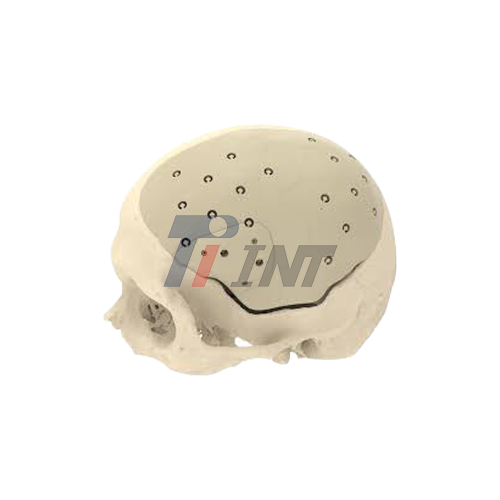


The Significance of Titanium Plates in Cranioplasty
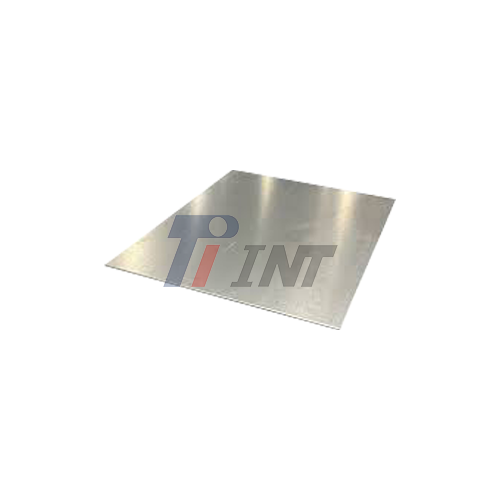
Cranioplasty, a surgical procedure to repair skull defects, has been revolutionized by the use of titanium plates. These plates play a crucial role in restoring both the form and function of the skull, providing essential protection to the brain. The significance of titanium plates in cranioplasty extends far beyond their structural role, impacting patient outcomes and quality of life.
Titanium, as a material for cranioplasty plates, offers unparalleled benefits. Its biocompatibility ensures minimal risk of rejection or adverse reactions, making it an ideal choice for long-term implantation. The lightweight nature of titanium is particularly advantageous in cranioplasty, as it minimizes additional strain on the patient's head while providing robust protection.
The durability of cranioplasty titanium plate is another critical factor. These plates are designed to withstand the stresses of daily life, providing long-lasting protection for the brain. Their corrosion resistance is especially valuable in the biological environment of the human body, ensuring the plate maintains its integrity over time.
Customization and Precision in Titanium Plate Design
One of the most significant advantages of titanium plates in cranioplasty is the ability to customize them to each patient's unique skull anatomy. Advanced imaging techniques and 3D printing technology allow surgeons to create plates that match the exact contours of the patient's skull defect. This level of customization ensures a perfect fit, which is crucial for both functional and aesthetic outcomes.
The precision in design extends to the thickness and shape of the plate. Surgeons can specify variations in thickness across different areas of the plate, optimizing strength where needed while maintaining overall lightness. This attention to detail in design contributes to improved patient comfort and a more natural feel post-surgery.
Surgical Techniques for Securing Titanium Plates
The process of securing a titanium plate during cranioplasty is a delicate and highly specialized procedure. Surgeons employ a variety of techniques to ensure the plate is securely fastened and optimally positioned for long-term success. The choice of technique often depends on the specific requirements of the case and the surgeon's expertise.
One common method involves the use of titanium screws to anchor the plate to the surrounding bone. These screws are designed to provide a strong hold without risking damage to the underlying brain tissue. The number and placement of screws are carefully determined to ensure even distribution of force and optimal stability.
In some cases, surgeons may use a combination of screws and small titanium plates or mesh to create a more comprehensive fixation system. This approach can be particularly useful in cases where the skull defect is large or irregularly shaped, providing additional support and stability to the main cranioplasty titanium plate.
Innovative Fixation Methods
Recent advancements in surgical techniques have introduced innovative methods for securing titanium plates. One such method is the use of bioabsorbable fixation systems. These systems provide initial stability for the plate but gradually dissolve over time, reducing the long-term presence of foreign material in the body.
Another cutting-edge approach is the use of computer-assisted navigation systems during surgery. These systems allow for real-time, precise positioning of the titanium plate and fixation screws, enhancing the accuracy of the procedure and potentially improving outcomes.
Post-Operative Care and Long-Term Outcomes
The success of a cranioplasty using a titanium plate extends well beyond the operating room. Post-operative care plays a crucial role in ensuring proper healing and integration of the plate. Patients typically undergo a period of close monitoring to watch for any signs of infection or complications.
In the immediate post-operative period, patients may experience some swelling and discomfort around the surgical site. Careful management of pain and swelling is essential for patient comfort and optimal healing. Surgeons often prescribe a regimen of medications and provide specific instructions for wound care to promote healing and prevent complications.
Long-term outcomes for patients with cranioplasty titanium plate cranioplasties are generally positive. The durability and stability of titanium plates contribute to lasting protection for the brain. Many patients report improved quality of life, including reduced headaches and increased confidence in their appearance.
Monitoring and Follow-Up
Regular follow-up appointments are crucial for monitoring the integration of the titanium plate and assessing overall healing. These appointments may include imaging studies to evaluate the position of the plate and ensure there are no signs of loosening or other complications.
Patients are typically advised about activities they can safely engage in and any precautions they should take to protect the surgical site. With proper care and follow-up, titanium plate cranioplasties can provide long-lasting results, allowing patients to return to their normal activities with confidence.
Conclusion
The use of titanium plates in cranioplasty represents a significant advancement in neurosurgical techniques. These plates offer a combination of strength, lightness, and biocompatibility that makes them ideal for skull reconstruction. The surgical techniques for securing these plates continue to evolve, offering improved outcomes and reduced complications for patients.
As technology advances, we can expect to see further innovations in the design and application of cranioplasty titanium plate for cranioplasty. These developments will likely focus on enhancing customization, improving fixation methods, and further optimizing the long-term integration of the plates.
For those seeking more information about titanium plates for cranioplasty or other medical titanium products, Baoji INT Medical Titanium Co., Ltd. offers extensive expertise and a wide range of high-quality medical titanium materials. To learn more or discuss specific requirements, interested parties can contact them at export@tiint.com.
FAQs
What makes titanium an ideal material for cranioplasty plates?
Titanium's biocompatibility, lightweight nature, durability, and corrosion resistance make it ideal for cranioplasty plates. It offers excellent strength-to-weight ratio and can be customized to fit each patient's unique skull contours.
How long does a titanium plate cranioplasty typically last?
With proper care and barring any complications, titanium plate cranioplasties can last a lifetime. The material's durability and resistance to corrosion contribute to its long-term stability in the body.
Are there any risks associated with titanium plate cranioplasty?
While titanium is generally safe, there are always risks associated with any surgical procedure. These may include infection, bleeding, or rare cases of allergic reactions. Your surgeon will discuss all potential risks before the procedure.
References
1. Zanaty, M., et al. (2015). "Cranioplasty: Review of materials and techniques." Journal of Neurosciences in Rural Practice, 6(4), 543-552.
2. Alkhaibary, A., et al. (2020). "Cranioplasty: A comprehensive review of the history, materials, surgical aspects, and complications." World Neurosurgery, 139, 445-452.
3. Neovius, E., & Engstrand, T. (2010). "Craniofacial reconstruction with bone and biomaterials: Review over the last 11 years." Journal of Plastic, Reconstructive & Aesthetic Surgery, 63(10), 1615-1623.
4. Mostafa, A. A., et al. (2020). "Titanium alloys for medical applications: An update." Materials Science and Engineering: C, 117, 111364.
5. Shah, A. M., et al. (2014). "Materials used in cranioplasty: a history and analysis." Neurosurgical Focus, 36(4), E19.
_1755495780573.jpg)
_1755062427525.png)
_1750923514395.webp)
_1750663715751.webp)
_1750663253486.webp)