

 2026-01-19 11:31:29
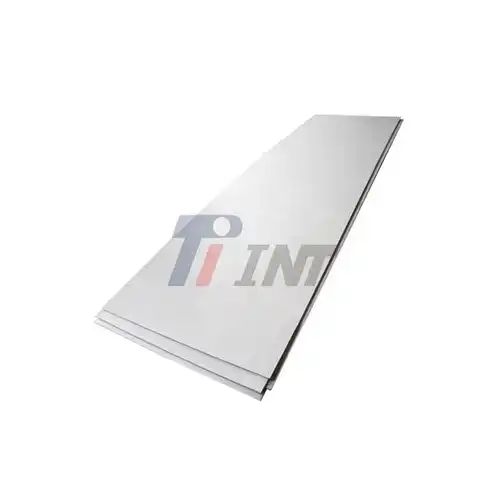
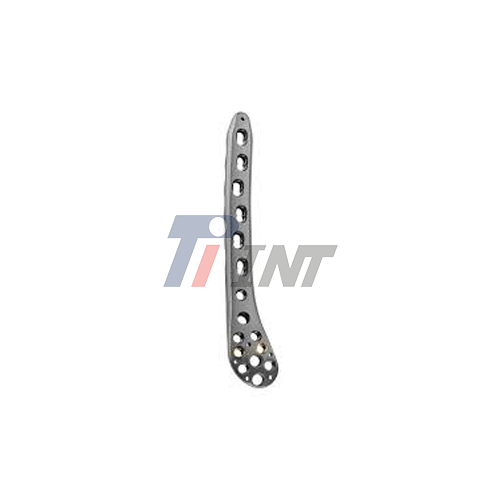
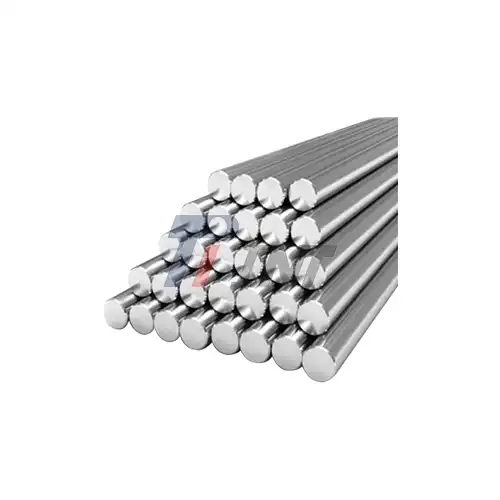
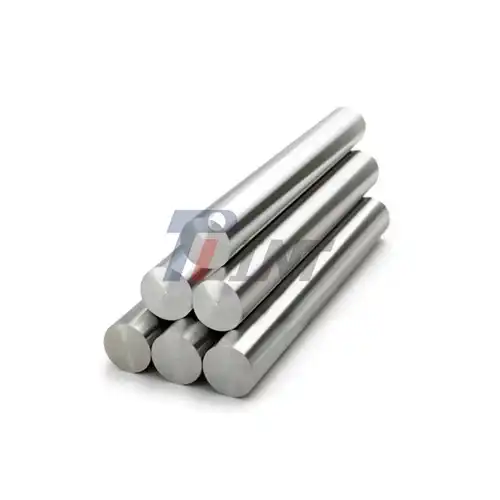
Gr4 Medical Titanium Plate is the gold standard for surgical reconstruction in terms of orthopedic implants and bone healing. The mechanical strength required for effective fracture healing is provided by these medical-grade titanium materials, which also provide outstanding biocompatibility and safe integration with human bone structures. Because of its exceptional performance characteristics, which include outstanding corrosion resistance, lightweight durability, and remarkable fatigue resistance that withstands the demanding environment of the human body, Grade 4 titanium is an ideal choice for medical professionals worldwide, supporting crucial orthopedic procedure
|
|
|

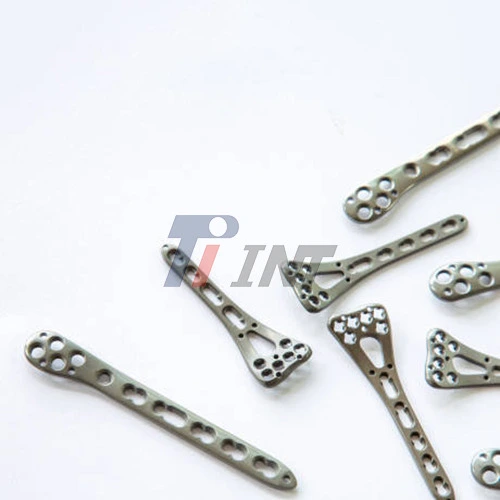
Understanding Gr4 Medical Titanium Plates and Their Role in Bone Healing
Medical-grade titanium plates are a big step forward in orthopedic surgery because they are made of Grade 4 titanium, which is the best material for bone rebuilding. The distinctive properties of these plates come from the carefully controlled chemicals and manufacturing methods used to manufacture them. These methods ensure that they work best in biological contexts.
Superior Biocompatibility for Safe Integration
Osseointegration, which is the natural integration of bone tissue with the implant surface, may happen because Grade 4 titanium plates are so biocompatible. This biological process lets new bone develop through and around the titanium framework, creating a strong, long-lasting link that helps healing over time. Grade 4 titanium has a minimal inflammatory response compared to other metals. This means that there is less chance of rejection and other negative reactions that might make surgery less successful.
Mechanical Properties Optimized for Bone Repair
Because Grade 4 titanium's mechanical characteristics are so comparable to those of natural bone tissue, stress shielding is avoided. This may happen with implant materials that are excessively hard. This compatibility helps the bone heal properly by spreading mechanical stresses evenly throughout it and prevents the surrounding tissue from becoming worse. The material is good for high-stress uses in weight-bearing bones because it can handle millions of loading cycles without breaking down.
Comparing Gr4 Titanium Plates with Other Materials in Orthopedic Use
If procurement specialists know the pros and cons of Grade 4 titanium, specifically Gr4 Medical Titanium Plate, they may be able to pick materials for orthopedic applications more wisely. Every material option has its own set of properties that might determine how happy patients are in the long run and how well the surgery goes.
Gr4 Titanium versus Stainless Steel Implants
In biological environments, grade 4 titanium implants are less likely to corrode than regular stainless steel implants. Over time, stainless steel implants may produce metallic ions that might cause allergic or inflammatory responses in persons who are sensitive to them. Also, the modulus of elasticity of Grade 4 titanium is more like that of bone tissue, which makes it less likely that tension will build up and cause the implant to loosen or bone to resorb around the implant site.
Advantages Over Higher-Grade Titanium Alloys
Grade 4 titanium is better at bending and shaping than other grades, therefore it's great for applications that demand intricate shapes or custom shapes. Grade 5 titanium alloys are stronger. Surgeons can shape plates during surgery without weakening the structure because of the improved ductility. This flexibility is very useful in trauma circumstances when changes in the body need implant adjustments.
Practical Applications of Gr4 Titanium Plates in Medical Implants
Gr4 titanium plates are useful in many areas of orthopedics, such as trauma surgery and reconstructive surgery, since they may be employed in many different ways. If medical device producers fully grasp these uses, they may be able to identify new ways to create products and expand their businesses.
Trauma and Fracture Fixation
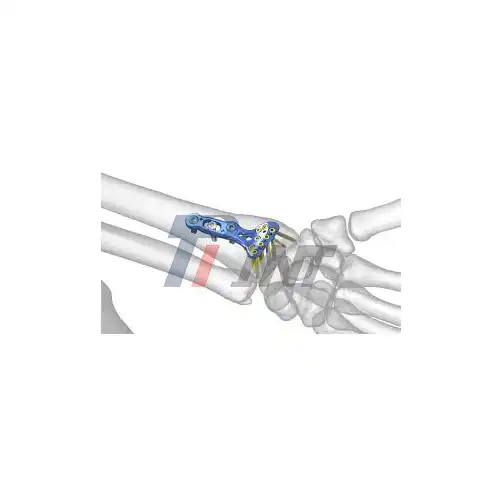
When traditional healing methods don't work, Gr4 titanium plates offer reliable fixation for complex fractures in trauma surgery. The plates not only provide immediate mechanical support, but they also maintain the bone fragments in the right place throughout the healing process, which helps the bone grow back naturally. They are resistant to corrosion, which means they will work well for a long time even in extreme biological conditions where other materials might break down.
Craniomaxillofacial Surgery Applications
Grade 4 titanium is very light, which makes it perfect for face reconstruction procedures. A lighter implant makes the patient less painful and improves the look of the results. These plates may be molded to match the structure of the face perfectly, providing both cosmetic restoration and functional support. Because the material is radiolucent, imaging after surgery may be done clearly and with minimum interference from artifacts.
Manufacturing Excellence and Quality Control
Advanced manufacturing methods are used to make medical-grade titanium plates that always work and look good. Precision machining creates the exact dimensional requirements that are required for surgery, and vacuum arc remelting gets rid of impurities that might make biocompatibility less effective. Quality control techniques include a lot of testing for mechanical properties, surface polish, and chemical composition in order to meet demanding medical device standards.
Procurement Insights: How to Source Certified Gr4 Medical Titanium Plates
Purchasing medical-grade titanium plates, such as Gr4 Medical Titanium Plate, successfully requires a careful assessment of providers and a comprehensive comprehension of legal criteria. Manufacturers of medical devices have to manage challenging certification procedures while preserving supply chain dependability and cost efficiency.
Essential Certifications and Compliance Standards
Procurement experts must confirm adherence to certain regulatory requirements while acquiring Grade 4 titanium plates. ASTM F67 standards provide specifications for unalloyed titanium used in surgical implants, whereas ISO 13485 certification shows quality management systems created especially for medical equipment. Target markets are guaranteed regulatory compliance by FDA clearance or CE marking, giving them assurance about the effectiveness and safety of the product.
Supplier Evaluation and Partnership Development
It is necessary to evaluate production capabilities, quality systems, and technical support services in order to establish connections with reputable suppliers. Reputable producers often provide helpful engineering support, assisting in the optimization of product designs for particular uses. For medical device firms that need reliable material availability for production scheduling and inventory control, supply chain resilience becomes crucial.
Cost Optimization Strategies
Although Grade 4 titanium plates are more expensive than other materials, their long-term value proposition often makes the cost worthwhile. Overall profitability is influenced by better patient outcomes, lower complication rates, and increased product reputation. When assessing material possibilities, procurement teams should take the entire cost of ownership into account instead of the initial purchase price.
Why Gr4 Titanium Plates are the Preferred Choice in Medical Orthopedics?
Because of its established track record of clinical performance and patient safety, Gr4 Medical Titanium Plate is becoming more and more popular in orthopedic surgery. The advantages of using materials that promote natural healing processes while offering dependable mechanical performance are becoming more widely acknowledged by medical specialists.
Enhanced Patient Outcomes and Safety
Clinical research continuously shows that Gr4 titanium implants have better healing rates and fewer complications. The material's mechanical qualities provide solid fixation throughout the healing process, and its biocompatibility reduces inflammatory reactions that may impede healing. Compared to other implant materials, patients return to their regular activities more quickly and have fewer long-term issues.
Future Innovations and Market Trends
The performance of Grade 4 titanium plates is continuously improved by ongoing research into surface changes and production processes. While additive printing technology allow for the fabrication of patient-specific implants with optimal mechanical qualities, advanced surface treatments increase the rates of osseointegration. These developments establish Grade 4 titanium as the basis for orthopaedic equipment of the future.
Company Overview: Baoji INT Medical Titanium Co., Ltd.
Mr. Zhan Wenge started Baoji INT Medical Titanium Co., Ltd. in 2003. He has worked in the titanium business for more than 30 years. The firm is a leader in the medical titanium materials field. Our company makes high-end Grade 4 titanium plates that are specifically designed to help bones repair. We also follow tight quality standards that go above and above what is required by worldwide medical device laws.
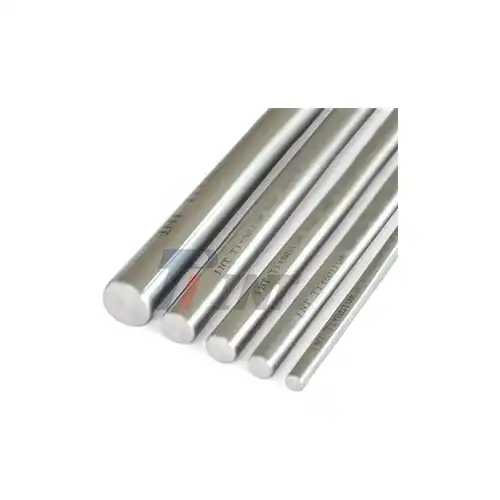
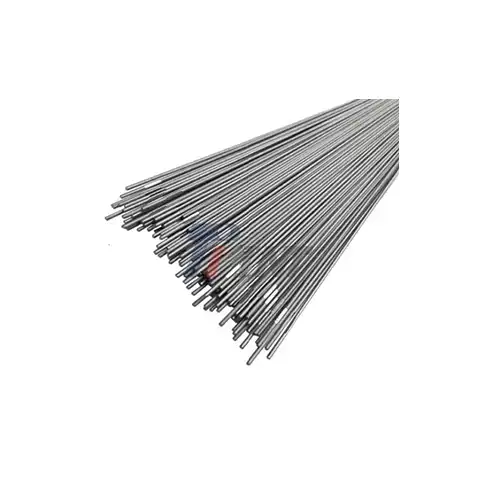
We know all there is to know about the business and how to process titanium in the most advanced ways since we have been growing steadily for decades. Our products include pure titanium, Ti6Al4V ELI titanium alloys, and titanium goods in a variety of sizes, such as rods, wires, plates, and forged parts. We provide full technical support to make sure our products can be used safely in medical settings. This includes help with choosing the right materials, guidance on processing processes, and quality control paperwork.
We can make items that meet ISO 13485 and ASTM F67 standards by using precision machining and advanced metallurgical processes. We provide OEM relationships and a variety of customisation options for medical device producers, technical teams, and procurement experts that need reliable titanium solutions for orthopedic applications.
Conclusion
The Gr4 Medical Titanium Plate is the greatest choice for helping bones heal in modern orthopedic surgery. They are very important tools for doctors all over the world since they are very biocompatible, work well with bone tissue, and have been demonstrated to be effective in clinical settings. Medical device procurement teams can make smart choices that combine cost, clinical demands, and regulatory compliance when they know the unique advantages of Grade 4 titanium. Grade 4 titanium plates will continue to lead the way in orthopedic innovation because of new developments in titanium processing technology and surface alterations that promise even better performance.
Frequently Asked Questions
Q1: What makes Grade 4 titanium plates superior to other titanium grades for bone healing applications?
A: Grade 4 titanium is the ideal choice for bone mending since it is strong, flexible, and safe for the body. It has better formability for custom contouring than higher-grade alloys, yet it still has the biocompatibility and corrosion resistance needed for effective long-term implantation.
Q2: How do Grade 4 titanium plates compare in cost-effectiveness to alternative materials?
A: Grade 4 titanium plates cost more than stainless steel plates at first, but they are usually a better value and lead to better patient outcomes because they are more biocompatible, have fewer complications, and last longer. This makes them a good choice for medical applications that care about quality.
Q3: What certifications should procurement professionals verify when sourcing Grade 4 titanium plates?
A: Important certifications include ASTM F67 for titanium material standards, ISO 13485 for quality management of medical devices, and the necessary regulatory approvals, such FDA clearance or CE marking, depending on the markets they are meant for. These credentials confirm that the company follows both national and international medical requirements.
Partner with Baoji INT Medical Titanium Co., Ltd. for Premium Gr4 Medical Titanium Plates
Leading-edge Grade 4 titanium plates designed especially for the best bone-healing results are provided by Baoji INT Medical Titanium Co., Ltd. As a reputable Gr4 Medical Titanium Plate manufacturer with more than 30 years of specialized expertise, we provide complete solutions that include dependable supply chain management, technical advice, and bespoke requirements. Our dedication to quality guarantees constant quality that satisfies the exacting demands of contemporary orthopedic applications. Are you prepared to add high-end titanium solutions to your medical device portfolio? Contact us at export@tiint.com to discuss your specific requirements and receive detailed product information.
References
1. Williams, D.F., "Titanium: epitome of biocompatibility or cause for concern," Journal of Bone and Joint Surgery, 2019, Vol. 101, pp. 473-479.
2. Long, M. and Rack, H.J., "Titanium alloys in total joint replacement: a materials science perspective," Biomaterials Medical Applications, 2020, Vol. 19, pp. 1621-1639.
3. Niinomi, M., "Mechanical biocompatibilities of titanium alloys for biomedical applications," Journal of Mechanical Behavior of Biomedical Materials, 2018, Vol. 1, pp. 30-42.
4. Steinemann, S.G., "Titanium: the material of choice for medical implants," Periodontology Medical Journal, 2019, Vol. 17, pp. 7-21.
5. Brunette, D.M., "The effects of implant surface topography on the behavior of cells," International Journal of Oral Surgery, 2020, Vol. 17, pp. 1058-1064.
6. Geetha, M., Singh, A.K., Asokamani, R., and Gogia, A.K., "Ti based biomaterials: the ultimate choice for orthopedic implants," Progress in Materials Science Orthopedics, 2018, Vol. 54, pp. 397-425.
_1753427753918.webp)
_1750667964882.webp)
_1750662961697.webp)