
How do titanium plate implants work in orthopedic surgery?


 2026-04-28 13:45:46
Titanium plate implants are highly precise medical devices used to fix broken bones inside the body. They are usually made from commercially pure titanium (CP Ti, Grades 1-4) or the titanium alloy Ti-6Al-4V ELI (Grade 23). These devices keep broken bones stable by connecting broken pieces with screws. This lets the bone heal naturally while reducing stress shielding, which happens when too rigid materials stop bone from carrying the right loads. The biocompatible surface helps osseointegration, which means that bone tissue can connect directly with the implant. This makes a stable contact that lets the person bear weight while they heal.
|
|
|

Understanding Titanium Plate Implants: Core Concepts and Benefits
What Defines a Titanium Plate Implant?
A titanium plate implant is a medical device that is made to handle difficult bone fractures during trauma surgery, reconstructive treatments, and corrective osteotomies. It is a load-bearing device. Unlike plates made of stainless steel, these plates solve important physical problems by choosing the right materials. The elastic stiffness of titanium is more like that of natural bone than steel's. This makes stress absorption less likely to happen, which can cause bone to break down in certain areas. This quality is particularly useful for people who have broken a long bone because keeping the bone density around the fixation site high has a direct effect on the patient's long-term movement.
The rules for making these gadgets are very strict. Following the rules set by ISO 5832-2, ISO 5832-3, ASTM F136, and ASTM F67 guarantees the quality of the material and its mechanical accuracy. It is even more certain that goods meet strict safety standards when they have FDA 510(k) clearance and CE marking under the Medical Device Regulation (MDR 2017/745). From what we've seen, procurement professionals give more weight to sellers who can show full traceability paperwork, such as mill certificates and mechanical testing records for each batch.
Primary Advantages in Clinical Applications
Titanium plate implants have measured benefits that affect how well surgery goes and how long the device lasts. In physiological settings, corrosion resistance stops galvanic reactions and metal ion release, which lowers the chance of inflammation. The material's fatigue strength can handle repeated loading for decades, so busy people can use the implants without them breaking. Titanium is not magnetic, which is important because it makes MRI and CT scans compatible. This means that imaging after surgery can be done without artifacts or device movement.
Here are the main benefits that are getting medical gadget makers to adopt them:
- Biocompatibility: Titanium oxide layers on the surface reduce the body's reaction to foreign bodies, making it easier for tissues to fuse together.
- Strength-to-Weight Ratio: Provides structural support at about 45% of the weight of stainless steel alternatives.
- Osseointegration Potential: Microporous surfaces help bone cells stick to them and grow.
- Radiographic Transparency: Made it easier to see fractures during follow-up imaging exams.
These benefits directly address sourcing problems like product recalls, patient issues, and not following the rules. Suppliers that offer customizable plate shapes, such as different widths (0.6mm to 4.0mm) and screw configurations, let device makers meet a wide range of anatomical needs without having to keep too much stock on hand.
Common Orthopedic Applications
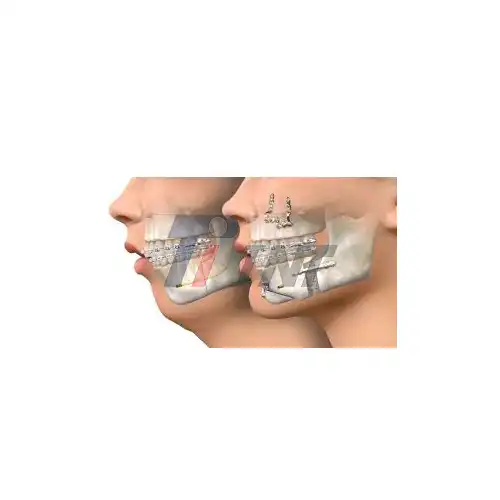
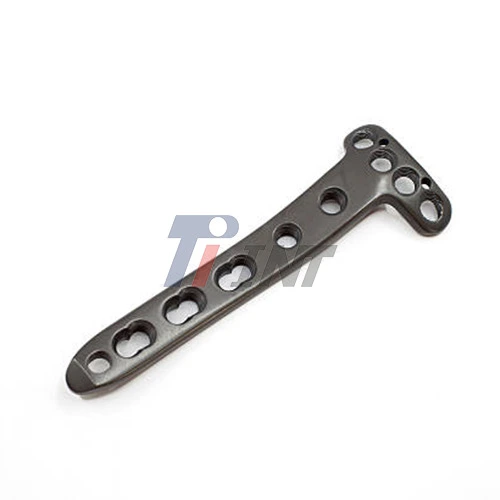
Different types of orthopedics use titanium plate implants for different reasons. When fixing broken bones after an accident, locking compression plates (LCP) make fixed-angle structures that hold broken bones together when normal screw purchase isn't possible. The locking device turns the plate-screw contact into a single structure. This is especially helpful in osteoporotic bone where thread engagement is limited. Craniomaxillofacial restoration uses thin plates (0.6 mm to 1.2 mm) that fit the shape of the face and can withstand forces of more than 500 Newtons.
During spinal fusion treatments, titanium plate implants keep the vertebrae in place while the interbody graft is being put in. These devices need to be able to withstand compression loads while also letting x-rays show how the fusion is progressing. Titanium controls its radiolucency to achieve this balance. When looking for plates for orthopedic trauma portfolios, procurement teams usually need plates with different designs, ranging from 3-hole mini-fragments to 12-hole repair designs. Each type of plate is made to fit a specific type of fracture pattern as described in AO/OTA classification systems.
How Titanium Plate Implants Work: The Surgical Procedure and Mechanism
Preoperative Planning and Implant Selection
Accurate initial screening is the first step to a successful surgery. Surgeons use CT scans to make three-dimensional models of bones and measure the lengths between fractures and important structural points. Implant sizes are based on this information—the plate length needs to cover the crack and have at least three screw holes on each piece for it to hold well. The shape of the plate is chosen to match the natural curve of the bone. Because of differences in anatomy, radius plates are very different from tibial plates.
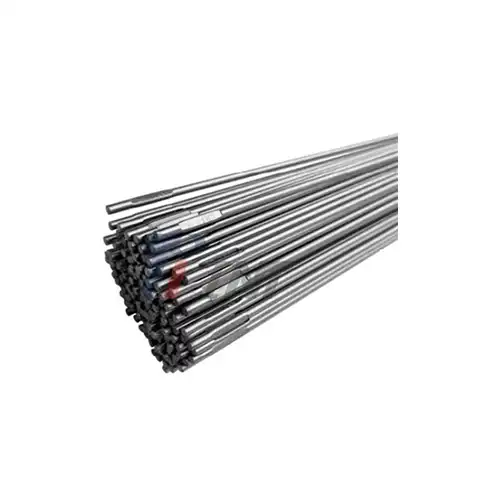
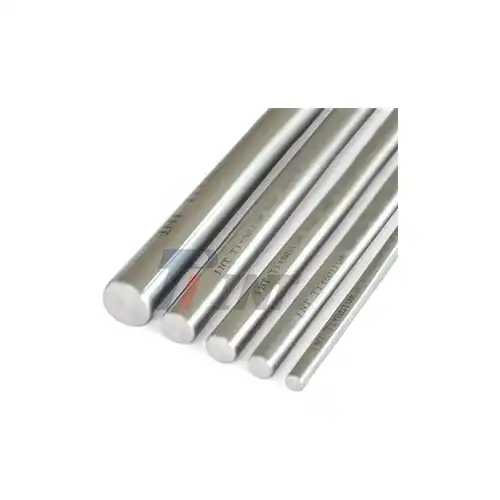
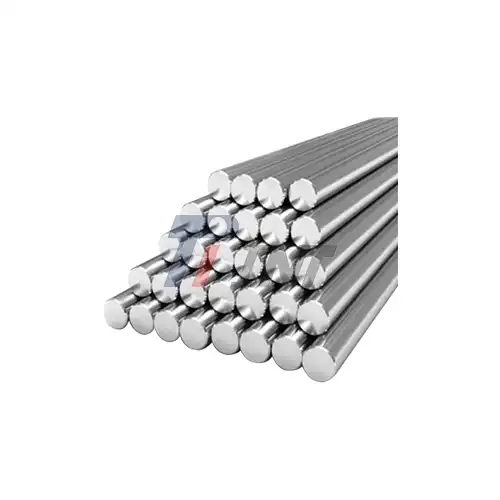
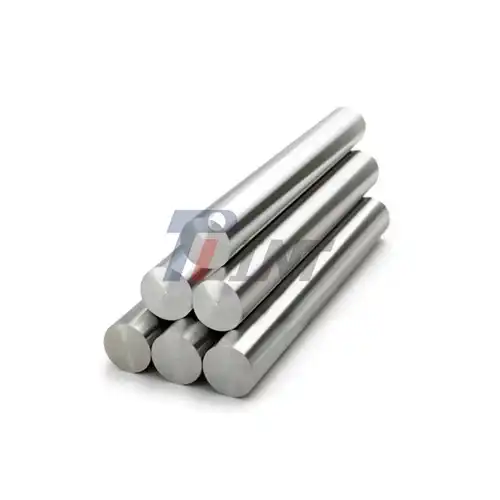
For hospitals to handle their implant inventory, makers must provide complete size matrices. A normal trauma set comes with 3.5mm cortical screws that come in lengths from 10mm to 80mm, with 2mm steps, and plates that have anywhere from 4 to 14 holes. Our material source meets these needs by offering precision-machined titanium bar stock with diameters ranging from 6mm to 200mm. This lets makers make a wide range of products from standard raw materials.
Surgical Implantation Technique
To make sure physical safety, the surgery follows well-known steps. After reducing the break and putting the body back in its proper place, the surgeon shapes the plate to fit the bone's surface. Temporary fixing clamps keep the plate in place while guidewires set the screw's path. Before each screw is put in, it is drilled, and depth gauges keep the opposite side of the bone from becoming perforated. When locking screws go into threaded plate holes at certain angles, they create angular stability that is not affected by bone-screw friction.
Biomechanical rules tell us how to put screws. Bicortical buy, which involves both near and far cortices, increases pulling resistance, which is very important in bones that hold weight like the femur. Screw density near the fracture site compresses the bone, and screws on the sides keep the plate from moving. The whole structure has to find a balance between being hard to keep things stable and being flexible to allow for micromotion that helps calluses to form. This controlled movement, which is called "relative stability," is what makes titanium plate implants better than stainless steel plates that are too stiff.
Biological Integration and Healing Timeline
As soon as surgery is over, blood proteins stick to the titanium oxide layer and osseointegration starts. Within 48 hours, osteoblasts move to the top of the device and release a collagen matrix that hardens over the next few weeks. This direct connection between bone and metal gets rid of fibrous wrapping, which makes titanium different from polymeric or cobalt-chrome options. In clinical tests, well-prepared titanium surfaces show bone apposition rates of 1-2 micrometers per day.
Healing times depend on where the injury is and the patient. Radiographic union of upper limb fractures usually happens in 8 to 12 weeks, while weight-bearing union of lower extremity fractures takes 12 to 16 weeks. After surgery, patients are given x-rays every six weeks to check for callus bridge, which is when new bone grows across the crack gap. When sellers give information about a material's surface roughness (Ra values) and wettability angles that are related to osseointegration rates, it helps procurement workers who support orthopedic research.
Choosing the Right Titanium Plate Implant: Criteria for B2B Buyers
Material Quality and Certification Standards
Material compliance that can be checked is a key factor in procurement choices. Medical-grade titanium has to follow the makeup limits set out in ASTM F136 for Ti-6Al-4V ELI. These limits include keeping intermediate elements (oxygen below 0.13%, nitrogen below 0.05%, and carbon below 0.08%) that make the metal less flexible to a minimum. The material must have a tensile strength of at least 860 MPa and a minimum elongation of 10% in order to meet mechanical qualities. This makes sure that it can handle physiological pressures without breaking easily. Certification exams check the rules used in manufacturing.
Compliance with ISO 13485:2016 shows quality management systems that are specific to medical devices. These systems include rules for design, process approval, and monitoring after the product has been sold. Suppliers should give Device Master Files (DMF) that describe where the materials came from, how they were processed, and statistical process control data. Our factory keeps full records of every step, from getting the titanium sponge to cutting the finished plate. These records are kept in batch records that connect each implant to the approvals of the raw materials and the results of mechanical tests.
Evaluating Manufacturer Capabilities
Leading implant makers set themselves apart by coming up with new ideas and doing well in the field. Stryker's AxSOS platform has polyaxial locking technology built in, which lets screws rotate within a 15-degree cone for greater freedom during surgery. DePuy Synthes' LCP systems were the first to have combination holes that could hold both locking and compression screws, so they could be used with a wide range of fracture patterns. Zimmer Biomet works on physically pre-contoured plates that shorten surgery times, while Medtronic is interested in combining biologics with titanium carriers to make bone graft substitutes.
Buying teams should look at more than just product listings to judge suppliers. Technical support services like on-site surgery training, biomechanical testing, and fast development for custom implants add value that makes up for small differences in cost. Case study evidence showing real-life performance in trauma centers with a lot of patients gives trust that goes beyond regulatory clearances. We work with device makers during all stages of development, from choosing materials for prototypes to planning for mass production, making sure the supply chain is strong when the product comes out.
Cost Analysis and Supply Chain Considerations
To balance cost and quality, you need to know more about the overall value than just the unit price. Implant systems with all the necessary instruments, like aiming guides, depth gauges, and screw drivers, cut down on time spent in the operating room. This saves the institution money that makes the higher price worth it. Surgical delays can be avoided if suppliers consistently deliver on time. Our production planning allows for emergency orders with 72-hour wait times for common configurations.
Warranty terms and help after the sale are what set trusted partners apart. Manufacturers of implants should give free replacements for any problems with the way they were made, with failure analysis labs helping to find the reasons why things went wrong. Logistics features like verified clean packing, managing the cold chain for biologics-coated implants, and foreign shipping paperwork make the purchase process easier. We keep smart inventory buffers to make sure that supply doesn't stop when demand goes up, which is very important for trauma centers that have to deal with unpredictable patient numbers.
Overcoming Challenges: Potential Risks and How to Mitigate Them
Identifying Common Complications
Even though titanium is very biocompatible, bad things do happen about 5–10% of the time. Infection is still the biggest risk, and deep surgery site infections need to be removed along with long-term drug treatment. Symptoms include wound drainage that won't stop, redness that goes beyond the edges of the cut, and a systemic fever that starts weeks after surgery. Serial tracking of C-reactive protein for early discovery lets action be taken before biofilm development, which makes bacteria immune to antimicrobial treatment.
Mechanical problems include screws coming loose, plates breaking, and the joint not joining together. Most of the time, loosening happens because the structure wasn't properly fixed in the first place or because it was loaded too quickly, exceeding its capacity. Plate cracks tend to happen around screw holes, where stress risers form, especially in plates that don't have patterns that prevent wear. Non-unions, or fractures that don't heal within the expected times, may be caused by too much rigidity that stops micromotion that is good for the bone. This shows how important it is to choose plate stiffness that is right for the fracture pattern.
Preventative Best Practices
Complication rates are greatly lowered by doing thorough screening before surgery. As part of a patient's evaluation, metabolic screens check for problems like low vitamin D or high blood sugar that make it harder for bones to heal. According to medical literature, programs that help people quit smoking six weeks before surgery increase the chance of fusion by 30%. Even though allergy testing isn't common for titanium hypersensitivity (it happens in less than 0.6 percent of patients), it stops allergic synovitis from happening so that correction surgery isn't needed.
Protocols for sterilization must get rid of microbial contamination without changing the qualities of the object. Titanium plate implants can be sterilized reliably by steaming them at 134°C for 18 minutes. This keeps the metal's mechanical strength. Ethylene oxide gas decontamination works well on complicated shapes, but it needs longer aeration times to get rid of harmful leftovers. Through biological indicators and pyrogenicity tests, our quality control methods make sure that each batch meets USP standards before it is released.
Regulatory Compliance and Quality Assurance
Mandatory reporting and post-market monitoring are two ways that comprehensive regulatory systems protect patient safety. The FDA's Medical Device Reporting (MDR) system requires companies that make medical devices to report any problems within 30 days of becoming aware of them. This lets institutions see patterns. Under the European Medical Device Regulation, device performance data must be summed up in clinical evaluation reports that are updated every year with data from clinical follow-up studies done after the device has been sold.
Quality assurance is more than just getting initial licenses. Suppliers should set up programs for ongoing growth that look at reports from the field, deviations in production, and corrective actions. Statistical process control charts that keep track of important measurements like plate hole tolerances and screw thread pitch accuracy can find process drift before it leads to products that don't meet standards. We check our production lines every three months to make sure that the machining parameters stay within the approved ranges that were written down when the original FDA entries were made.
Future Developments and Trends in Titanium Plate Implant Technology
Additive Manufacturing and Customization
3D printing changes the way implants are made because it makes it possible to make shapes that are specific to each patient, which isn't possible with standard cutting. Using electron beam melting (EBM) and selective laser melting (SLM), titanium parts are built up layer by layer from powder material, making shapes that look like trabecular bone. These lattices make implants less stiff so that they are more like natural bone. This could get rid of the need for stress protection while still keeping enough strength. Customization includes accident cases with complicated anatomy; plates that perfectly match bone shapes from a CT scan help with craniofacial repair.
The rules that govern additive manufacturing are still changing. According to FDA guidelines, makers must check the powder properties, build conditions, and post-processing steps for every design version. Even though the way they are made is different from how cast metal is made, printed devices must still pass mechanical tests to show that they meet ASTM standards. We can provide high-quality titanium powders that meet strict particle size distributions (15–45 micrometers) and oxygen content limits that are necessary for biomedical uses thanks to our research relationships with companies that make additive manufacturing equipment.
Advanced Surface Modifications
Surface engineering improves the performance of living things without changing the qualities of the main material. Hydrophilic coats make it easier for proteins to stick to surfaces, which speeds up the early stages of osseointegration. Adding layers of calcium phosphate using plasma spraying or biomimetic precipitation makes the material chemically similar to bone mineral, but there are still long-term safety worries about the cover coming off. Nanotopography, or surface elements smaller than 100 nanometers, affects how cells behave. For example, osteoblasts connect more easily to nano-roughened titanium surfaces than to smooth ones.
Antimicrobial coats lower the chance of illness by releasing agents over time. Using titanium oxide layers to hold silver nanoparticles shows that they can kill common bacteria like Staphylococcus aureus. Different methods use antimicrobial peptides that are covalently bound and don't let bacteria colonize without worrying about leaking toxins. When purchasing coated implants, people in charge should ask for accelerated aging data that proves the coating's stability through imagined years of physiological exposure. This should be backed up by electrochemical impedance spectroscopy and adhesion testing that meets ISO 13779 standards.
Market Trends and Sustainability Initiatives
About 6% more hip implants are needed every year around the world because people are living longer and more accidents happen in growing areas. As a market grows, it opens up possibilities for sellers who can offer low prices without sacrificing quality. Regional manufacturing cuts down on wait times and transportation costs. Our facility's closeness to big medical device clusters allows for just-in-time supply plans that help customers make the most of their operating capital.
As healthcare organizations are required to be environmentally responsible, sustainability issues affect the purchases they make. Titanium can be recycled, which supports circular economy models. For example, scrap metal from cutting can be sent back to smelters to be used again without losing any of its properties. Suppliers that show they use less energy during production and get their minerals from conflict-free sources are in line with business social responsibility goals. We have plans in place to reduce waste, and 95% of the cutting chips we get back are recycled. This is proven by the fact that our environmental management system is certified to ISO 14001 standards.
Conclusion
When it comes to orthopedic trauma care, titanium plate implants are where materials science, biomechanics, and surgery skill come together. Because they are biocompatible, have good mechanical qualities, and have the ability to fuse with bone, they are essential for fixing fractures in a variety of body parts. When buying these important devices, procurement workers need to look at all of the suppliers they consider, not just the price. They also need to look at how well they follow regulations, offer expert help, and make sure the supply chain is reliable. Knowing how surgery works, how biological integration works, and what new tools are available lets you make smart choices that affect patient outcomes and the success of the school.
FAQ
How long do titanium plate implants last in the body?
Titanium plates last a very long time. Implants that were useful more than 20 years after surgery have been shown in clinical tests. Material wear resistance and rust protection keep things from breaking down in physiological settings. A lot of people keep their implants for life, but they can be taken out after the fracture is fully healed if the plate hurts or in young patients to keep them from growing too slowly. The choice weighs the risks of surgery to remove the implant against the benefits of keeping it in place.
Are titanium implants safe during MRI procedures?
Titanium is safe for use in MRIs because it is not magnetic. This means that there are no pull forces or major heating risks. Titanium plates can be used with modern devices that have field strengths of up to 3 Tesla. Small artifacts may show up in the image near the implant, but they rarely get in the way of medical information. Radiologists can change imaging methods to reduce flaws, which makes titanium the best material for implants in people who need advanced imaging often.
What factors influence bone healing time with titanium plates?
Healing time relies on where the fracture is, how complicated the pattern is, the patient's age, and their digestive health. In healthy people, simple diaphyseal fractures heal in 12 weeks or less, but metaphyseal or intra-articular fractures take 16 weeks or more. Diabetes, smoking, and not getting enough vitamin D all make repair take a lot longer. Implant-related factors include making sure the plate is stiff enough to allow for good micromotion and that the screws are tight enough to keep the structure from failing before it unions.
Can titanium plates be removed after fracture healing?
Getting rid of an implant depends on the surgeon's advice and the patient's choice. Indications include a raised area under the skin that hurts, worries about a child's growth, or a patient's request. After radiological union is proven, removal usually happens 12 to 18 months after surgery. There are some risks with the treatment, such as problems with the anesthesia, illness (1–2% of cases), and breaking through the screw holes. Many people keep implants that don't cause any problems for life, which keeps them from needing surgery.
Partner with a Trusted Titanium Plate Implant Supplier
Baoji INT Medical Titanium Co., Ltd. has been making medical-grade titanium products that meet the strict requirements of orthopedic device makers for more than twenty years. Our ISO 13485:2016-certified plant offers economically pure titanium and Ti-6Al-4V ELI in a wide range of forms, including rods, plates, wires, and forged blanks, to help you with all stages of product creation. We know how hard it is for you to keep up with buying issues like making sure that you follow rules across foreign markets, making sure that batches are all the same, and getting quick technical help during product approval.
Our engineering team works with R&D to help you choose the best materials. They provide proof of metallurgical analysis and mechanical testing that speeds up your regulatory applications. You can email us at export@tiint.com to talk about how our skills as a manufacturer of titanium plate implants can help your supply chain by giving you reliable service, low prices, and the high-quality materials your surgical goods need.
References
1. Niinomi M, Nakai M, Hieda J. Development of new metallic alloys for biomedical applications. Acta Biomaterialia. 2012;8(11):3888-3903.
2. Perren SM. Evolution of the internal fixation of long bone fractures: The scientific basis of biological internal fixation. Journal of Bone and Joint Surgery British Volume. 2002;84-B(8):1093-1110.
3. Elias CN, Lima JHC, Valiev R, Meyers MA. Biomedical applications of titanium and its alloys. Biological Materials Science. 2008;60(3):46-49.
4. Disegi JA, Eschbach L. Stainless steel in bone surgery. Injury International Journal of the Care of the Injured. 2000;31(Suppl 4):2-6.
5. Ratner BD, Hoffman AS, Schoen FJ, Lemons JE. Biomaterials Science: An Introduction to Materials in Medicine. Academic Press. 2013;3rd edition.
6. Geetha M, Singh AK, Asokamani R, Gogia AK. Ti based biomaterials, the ultimate choice for orthopaedic implants: A review. Progress in Materials Science. 2009;54(3):397-425.
_1753429726760.webp)
_1752462620877.webp)
_1752462199458.webp)
_1751956503238.webp)
_1750662309903.webp)