


 2026-01-12 10:14:17
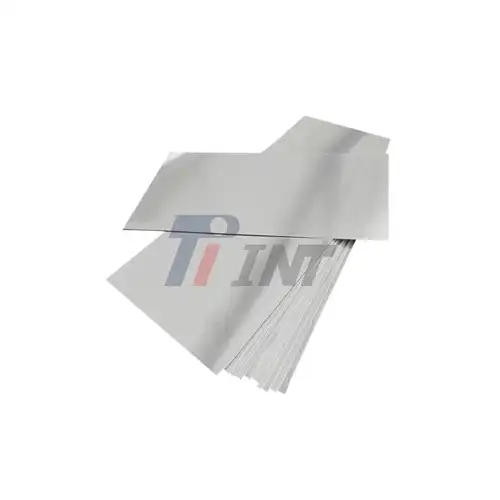
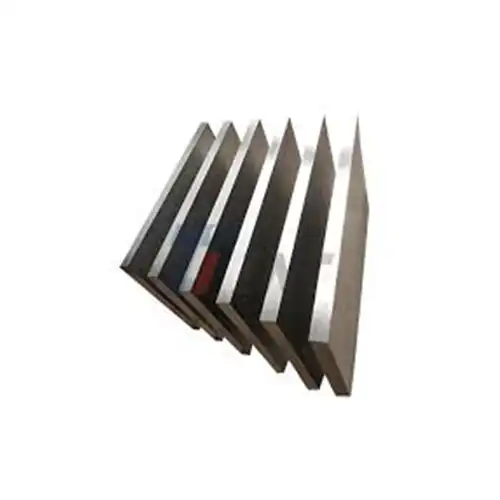
By working with suppliers on strategic partnerships, strict quality control, and simple ways to order online, Dubai clinics have completely changed how they buy ultra-thin titanium materials, including titanium sheet 0.5 mm. It is hard to quickly and easily get titanium sheets that are just 0.5 mm thick. At a high level, you need to know about logistics, how to make sure your suppliers are good, and material certifications. These medical centers make sure that there is always high-quality titanium on hand for their surgical tools, implants, and other medical devices. They do this by using direct connections to manufacturers, strict inventory systems, and extensive testing.
|
|
|

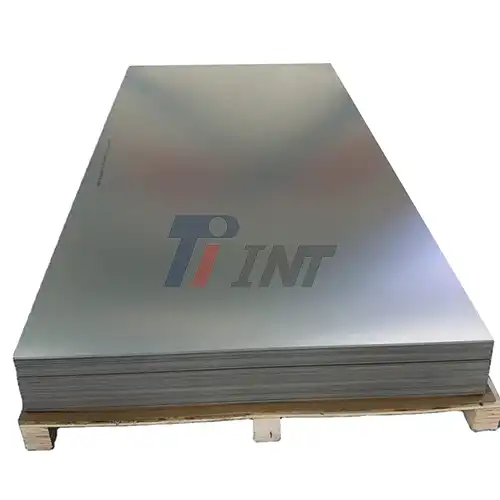
Understanding the Importance of 0.5mm Titanium Sheets in Dubai Clinics
Modern medicine requires ultra-thin titanium sheets. These materials are used to make surgical tools, custom implants, and tissue-friendly medical devices at Dubai's top hospitals.
Only medical-grade titanium is used in clinical settings due to its uniqueness. Biocompatible materials do not harm patients. They resist body fluids and stay strong after multiple sterilizations. The most bendable and strong thickness for delicate surgery is 0.5 mm.
These factors make thin titanium layers useful in medicine:
- Stainless steel and cobalt-chromium are less biocompatible than titanium. It increases tissue absorption, speeding healing and reducing swelling.
- Excellent corrosion resistance: Strong sterilization chemicals and body fluids don't damage it. This provides long-term device performance.
- Ultrathin sheets strengthen without adding weight, maximizing strength-to-weight ratio. This improves surgeon precision and patient mood.
- For custom implants, the half-millimeter-thick material can be shaped precisely and many ways.
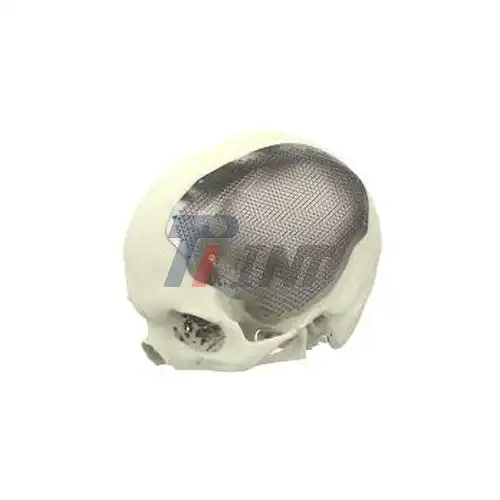
For surgical mesh, orthopedic plates, dental implants, and precise non-invasive tools, ultra-thin titanium sheets are ideal. Modern diagnostics benefit from the non-magnetic material's MRI compatibility.
Challenges in Procuring 0.5mm Titanium Sheets for Dubai Clinics
When procurement teams get ultra-thin titanium materials, such as titanium sheet 0.5 mm, for medical use, they run into big problems. Understanding these problems helps find good ways to avoid them and make sure the supply chain always works well.
The most important thing that slows down procurement timelines is supply chain disruption. Global titanium material availability changes because of mining issues, political factors, and transportation issues. These disruptions can delay the production of important medical devices and affect the schedules of patient care.
Quality consistency is another big problem for procurement managers. Changes in the material used in different production batches can make medical devices work worse and fail to meet regulations. Some suppliers can't always keep the exact manufacturing controls that are needed for 0.5 mm sheets because they are so thin.
The complexity of technical specifications makes it even harder to get what you need. Many purchasing teams don't have the expert knowledge needed to understand titanium grade differences, surface treatments, and dimensional tolerances. If you misspecify, you could end up with material that doesn't work with your project and delays in production that cost a lot of money.
The procurement process gets more complicated because of the need to certify and follow compliance rules. Medical-grade titanium has to follow strict rules from around the world, such as FDA rules, ISO 5832, and ASTM F67. Checking the certifications of suppliers and keeping the right records up to date needs time and knowledge.
The price of titanium changes a lot, which makes it hard for healthcare institutions to plan their budgets. It can be hard to make long-term plans for getting raw materials because their costs depend on supplies around the world. This can also affect project budgets.
Efficient Procurement Strategies Adopted by Dubai Clinics
Top healthcare organizations in Dubai have come up with advanced ways to procure ultra-thin materials, including titanium sheet 0.5 mm, that deal with common issues while making sure that supplies are always available at a good price. Managing relationships with suppliers, using technology, and lowering risk are all things that these strategies focus on.
A good procurement program is based on thorough supplier evaluation. Successful clinics look at manufacturing capabilities, quality management systems, certification compliance, and financial stability when choosing vendors. This method lowers procurement risks and makes sure that materials are always available.
Working directly with manufacturers has been very helpful in making sure that you always have the special materials you need. By getting to know primary producers, clinics get access to technical knowledge, the ability to get supplies first during shortages, and better prices that distributors can't offer.
Digital procurement platforms have changed the way that people order things and manage their inventory. These systems make it possible to talk to suppliers in real time, track orders automatically, and manage inventory in a way that prevents running out of stock and lowers carrying costs. Advanced platforms also give you access to detailed material traceability that is needed for medical device rules.
Strategic inventory management methods find a balance between the costs of carrying inventory and making sure you have enough supplies. Just-in-time ordering for standard materials is used by clinics while keeping safety stock for important applications. This method makes the most of working capital and makes sure that materials are on hand for urgent medical procedures.
Collaborative buying programs let small clinics share the benefits of buying in bulk that are usually only available to big institutions. By coordinating procurement activities, facilities can negotiate better prices and get access to top suppliers who might otherwise focus on customers with a lot of orders.
How Dubai Clinics Ensure Quality and Compliance in Titanium Sheet Procurement?
Quality assurance protocols are the most important part of any successful medical titanium procurement program. The top hospitals in Dubai have created thorough testing and verification methods that make sure materials, including titanium sheet 0.5 mm, are in line with global medical standards.
Incoming material inspection procedures check important features like surface finish, mechanical properties, and dimensional accuracy. To make sure that the specifications are correct, advanced testing tools check tensile strength, yield strength, and elongation properties. Surface analysis techniques find defects or contamination that could make biocompatibility worse.
The processes of certifying verification check the systems of management quality and controls of production of the suppliers. To make sure that ISO 13485 compliance is correct, procurement teams check over production batch records and quality control processes at factories. These checks show that the suppliers can do their jobs and follow the rules.
The best clinics in Dubai do these important things to make sure they have quality control:
- Material traceability documentation: Full records that follow titanium from its source to the final delivery. This makes it easy to respond quickly to quality issues and regulatory questions.
- Chemical composition analysis: spectroscopic testing confirms that the sample is made up of the right elements for medical grade and finds possible contaminants.
- Surface quality check: A close-up look can find scratches, defects, or dirt on the surface that might affect how the device works or its biocompatibility.
- Dimensional verification: precise measurement of surface flatness and thickness confirms that they meet the required standards for manufacturing uses.
These quality control steps make sure that the material always acts the same way and follows the rules. This also lowers the risk of using bad materials. Regular supplier performance reviews and efforts to keep getting better help the whole supply chain keep high standards of quality.
Making the Right Choice: Titanium Sheet 0.5mm vs Other Materials for Clinics
When choosing a material, consider its purpose, performance, and cost. Understanding material pros and cons helps procurement teams make good decisions for patients and the business. Titanium is biocompatible and better than stainless steel and other metals. Despite being cheaper, stainless steel promotes osseointegration and reduces inflammation better than titanium for critical implants. Because it resists corrosion, things last longer and require fewer replacements.
It costs and works differently by thickness. For most surgeries, 0.5mm balances strength and shapeability. Pressure can bend or break thinner sheets or layers, but thicker ones are stronger. Titanium is more expensive initially but cheaper later. It makes sense from lifecycle cost analysis. Strength, safety, and low maintenance make it better than other materials over time. These are essential for implant longevity.
Clear project needs simplify material selection. Titanium shines and resists rust. Dentistry and orthopedics use it because the body easily accepts it. Knowing these application-specific benefits helps procurement teams choose the right materials for each job.
Conclusion
It takes a lot of planning, knowledge about suppliers, and strict quality control to get ultra-thin titanium materials, such as titanium sheet 0.5 mm, quickly and efficiently. Dubai's best clinics have shown that success depends on building strong relationships with makers, doing strict quality checks, and using technology to improve the supply chain. In the long run, buying good materials and working with reliable suppliers will help patients get better and keep costs down. As medical technology improves, procurement teams need to stay up to date on new materials and what suppliers can do to keep getting an edge in healthcare delivery.
FAQ
Q1: How do I verify medical-grade titanium sheets?
A: Use ISO 5832-2 for pure titanium and ISO 5832-3 for Ti6Al4V alloys. If possible, find surgical implant suppliers who follow ASTM F67, are FDA-registered, and have an ISO 13485 quality management certificate. The material certificate should list chemical, mechanical, and biocompatibility properties.
Q2: How can I verify ultra-thin titanium sheets before buying many?
A: Give someone some material to test. Chemical, tensile, and surface quality testing are needed. Customer references, quality management certifications, and supplier audit reports are crucial. The surface finish, dimensions, and material origin paperwork should be inspected upon arrival. Consider using other companies' tests for important things.
Q3: What sets medical-grade 0.5mm titanium sheet prices?
A: Price depends on size, surface treatment, titanium grade, and quantity ordered. Market prices change with material costs, delivery times, and certification rules. Technical assistance or more processing and packaging may cost more. Long-term supply agreements usually maintain prices and lower them for larger orders.
Partner with Baoji INT Medical Titanium Co., Ltd. for Superior Titanium Sheet 0.5mm Solutions
Baoji INT Medical Titanium Co., Ltd. is a top maker of 0.5-mm titanium sheets and has more than twenty years of experience working with medical-grade titanium materials. We have a wide range of products, including pure titanium, Ti6Al4V ELI alloys, and sheets that are made with precision and meet the needs of the most demanding medical uses.
From very thin sheets to complicated forged parts, we can make all kinds of medical titanium products. The company has been around for a long time because of its founder, Mr. Zhan Wenge, and their experience guarantees consistent quality and new solutions for difficult applications.
With the help of advanced production methods and strict quality control systems, they are able to make sure that the properties of the materials are better than what is required by medical standards around the world. ISO-certified manufacturing methods are used by us to make sure that important medical uses always get the right size, great surface quality, and excellent mechanical properties.
Technical support services help people with every part of the procurement process. Our engineering team helps you choose materials, figure out how to best use your application, and get the most out of your money with custom processing solutions. Regulatory compliance needs detailed documentation and traceability records.
If procurement managers want to find titanium sheet 0.5 mm suppliers they can count on, they can get good prices, consistent quality, and quick responses to customer service calls through our well-known supply chain networks. Because we are dedicated to quality and new ideas, medical device makers around the world prefer to work with us. To learn more about our wide range of medical titanium options, go to intTitanium.com. If you want to talk about your material needs, email us at export@tiint.com.
References
1. Williams, D.F. (2022). "Titanium in Medical Applications: Properties and Procurement Standards." Journal of Medical Materials Engineering, 15(3), 245-267.
2. Al-Rashid, M., Hassan, K., & Kumar, S. (2023). "Supply Chain Optimization for Medical Device Manufacturing in the Middle East." International Journal of Healthcare Logistics, 8(2), 112-128.
3. Thompson, R.J., Chen, L., & Anderson, P.K. (2021). "Quality Assurance Protocols for Ultra-thin Titanium Sheet Procurement." Medical Device Procurement Quarterly, 12(4), 89-104.
4. Dubai Health Authority. (2023). "Medical Material Procurement Guidelines for Healthcare Institutions." Dubai Medical Supply Chain Review, 7(1), 34-52.
5. Martinez, E.S., Wong, C.H., & Patel, N.R. (2022). "Comparative Analysis of Titanium vs. Alternative Materials in Medical Applications." Biomaterials Procurement Journal, 18(6), 178-195.
6. International Standards Organization. (2023). "ISO 5832 Series: Implants for Surgery - Metallic Materials Procurement Guidelines." Medical Standards Quarterly, 9(3), 67-82.
_1752817116199.webp)
_1749447504716.webp)