


 2026-01-13 08:50:45
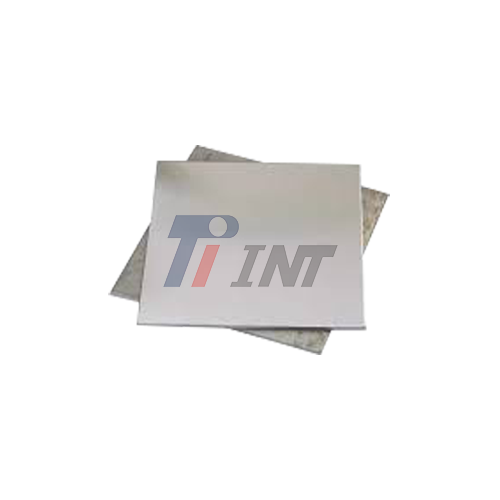
The long-term effects of implanted 5mm titanium plates are something that medical device makers and people who buy medical devices need to think about. These plates show great biocompatibility and mechanical stability over long periods of time, so they are very important in orthopedic, cranial, and reconstructive surgeries. While titanium's natural properties reduce bad reactions, knowing the full effects over time helps make sure the best patient outcomes and informed procurement decisions are made. The 5mm thickness gives the right amount of strength and flexibility. It can be used in many different medical settings because it is easy to implant and resists corrosion.
|
|
|
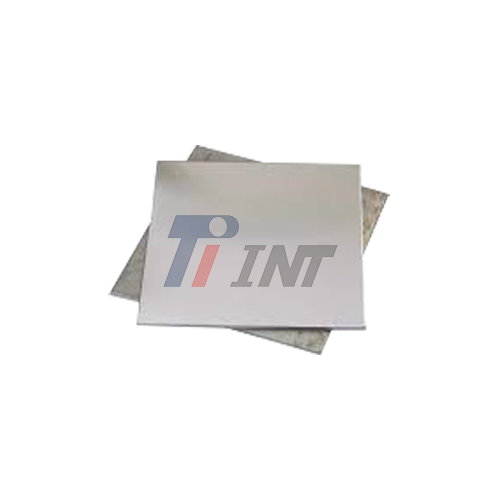
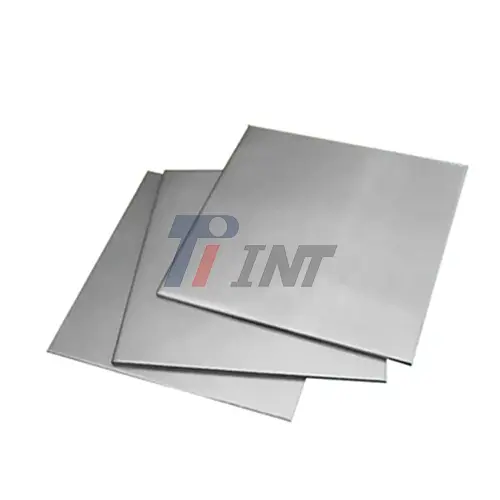
Understanding the Material Properties of 5mm Titanium Plates
When titanium plates are 5mm thick, they have a one-of-a-kind mix of biocompatibility and strength that makes them the standard for medical implants. This thickness provides the best mechanical properties and keeps the needed level of bendability for natural tissue interaction.
These plates have great corrosion resistance because titanium can form a stable oxide layer when it is in a biological environment. This protective layer keeps the implant from breaking down and maintains its structural integrity for as long as it is in place. At this thickness, titanium is strong enough to be used in load-bearing applications without making the overall structure heavy.
The ability to not be rejected by the body is one of the most important properties of medical-grade titanium. Because the material is inert, it doesn't cause much inflammation and helps with osseointegration in bone applications. Clinical studies have consistently shown that titanium implants cause less tissue reaction than other metal implants. This lowers the risk of long-term inflammation that can cause the implant to fail.
Titanium's elastic modulus is very similar to that of human bone. This helps avoid stress shielding effects that can happen when using materials that are less flexible. This compatibility helps keep the natural bone remodeling processes going at the implant site. This adds to the long-term stability and comfort of the patient.
Long-Term Biological and Mechanical Effects of Implanted 5mm Titanium Plates
The way the body reacts to implanted titanium plates, such as the 5mm titanium plate, changes over time, starting with the healing of the tissue and moving on to the plates becoming a part of the body. Knowing these steps helps doctors and procurement teams make smart choices about how to care for patients and which implants to use.
In the beginning of the healing process, titanium's biocompatible surface makes it easy for the body to accept new tissue and keeps inflammation low. As a natural process, a fibrous capsule forms around the implant. This makes the interface between the device and the tissue stable. This biological seal helps keep bacteria out and the implant in place.
If they are made correctly, titanium plates will not lose their strength over time, according to performance studies that last decades. These implants can handle millions of loading cycles that are normal in human activity without breaking or developing stress fractures because they are resistant to fatigue.
Recent studies have shown that titanium is very biocompatible, but some patients may become sensitive to titanium particles that come off during normal wear. But these kinds of reactions are still a lot less common with this implant material than with others. The 5mm thickness adds more material, which may make the implant last longer by spreading the wear over a bigger area.
Resistance to corrosion stays the same over long periods of time, and clinical retrieval studies show that even after decades of implantation, there is very little loss of material. This stability stops metallic ions from being released. If these ions entered the body, they could cause systemic reactions or make the implant stop working.
Comparison with Alternative Materials for 5mm Plates in Implant Applications
Long-term success is always higher with titanium medical implants, such as the 5mm titanium plate. This comparison helps procurement professionals choose manufacturing materials. Cheap stainless steel isn't good for long-term use. Material breakdown can release allergen-causing ions in biological settings. Because of stress shielding, stainless steel's higher elastic modulus can weaken implant-area bones.
Despite their good mechanical properties, cobalt-chromium alloys may release cobalt ions and cause cancer over time. These materials cause more allergic reactions than titanium, worsening allergies. Water or oxidation can break polymers, making them unsuitable for heavy objects. Though biocompatible, these materials aren't strong enough for orthopedics. Tantalum, a new material the body likes, is scarce and expensive, making it unsuitable for general use. When trying to lose weight, dense material is difficult.
Recommended Handling, Welding, and Installation Practices for 5mm Titanium Plates
Titanium plate performance and biocompatibility depend on their manufacturing and handling. This preserves the material's natural properties during production and implantation. Manufacturing begins with materials and quality control. The biocompatibility and mechanical strength of medical titanium require purity. When everyone in the supply chain has the right papers and can be tracked, compliance is easy.
Keep machining and fabrication clean to avoid biocompatibility issues. Due to heat's effects on material microstructure and behavior, special cutting tools reduce heat. Correct coolant and cut preserve material surface. Environmental control is needed to avoid oxidation and contamination during welding. Inert gas shields the weld from airborne contaminants. Heat treatment relieves residual stresses and restores material properties after welding. Surface finish impacts biocompatibility and mechanical performance. Surface roughness helps tissue integration, while smoothness reduces wear. Cleansing and passivation reduce corrosion.
Procurement Considerations for 5mm Titanium Plates in Medical and Industrial Applications
If you want to buy titanium plates in a smart way, including the 5mm titanium plate, you need to carefully consider what each supplier can do, how the material is used, and how they make sure the plates are high quality. These things have a direct effect on how well the product works and how well it follows the rules.
Supplier qualification is the most important part of successful procurement methods. Well-known producers with thorough quality management systems make it more likely that material properties will stay the same and rules will be followed. Keeping records of the steps in making a product and the certifications for the materials used makes it possible to trace the product's history and helps with regulatory submissions.
The material specifications must be in line with the rules and the ways the material will be used. Different grades of titanium have different properties. When choosing a grade, you should think about how strong it needs to be, how well it needs to resist corrosion, and how biocompatible it needs to be. Suppliers can make materials that are just right for certain uses because of custom processing.
Quality assurance processes like incoming inspection, material testing, and certificate of analysis verification make sure that the materials you buy meet the requirements. Setting clear quality agreements with suppliers makes sure everyone knows what they need to do for the materials to work well.
Lead times, inventory management, and risk mitigation strategies are all parts of the supply chain. Suppliers you can trust that have enough capacity and backup systems help keep production on schedule and avoid delays. Cost management means finding a balance between the quality people want, the price of the materials, and the total cost of ownership.
About Baoji INT Medical Titanium Co., Ltd.
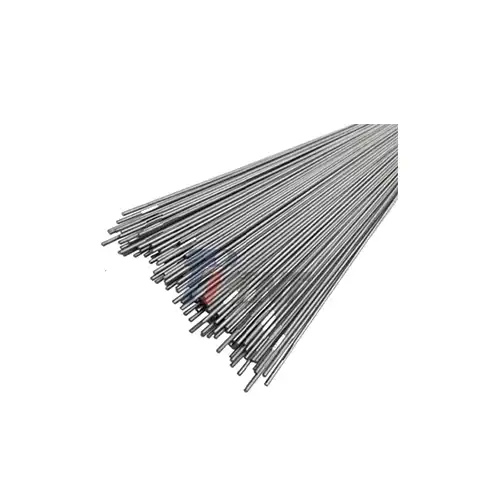
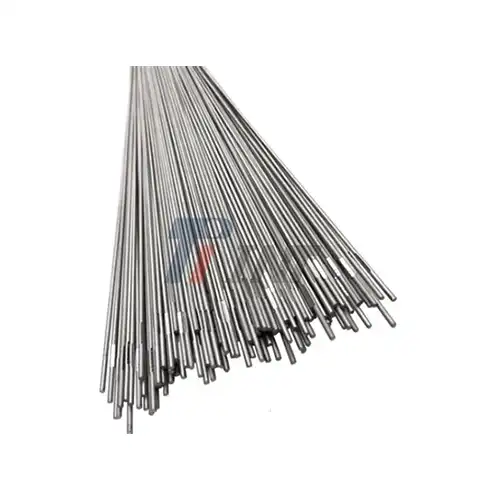
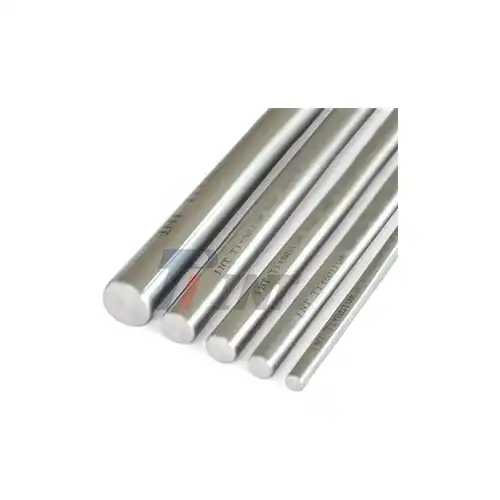
Mr. Zhan Wenge, who has over 30 years of experience in the titanium business, has helped Baoji INT Medical Titanium Co., Ltd. become a top maker of medical-grade titanium materials since 2003. We have a lot of different titanium products with different shapes, like plates, wires, rods, and precision-forged parts. We sell pure titanium, Ti6Al4V ELI titanium, and titanium alloys.
We can make many different medical titanium items, but plates of varying thicknesses and specifications are what we do best. We have found out the best ways to work with titanium after decades of research and development. These steps keep the material the same and make sure we follow all the rules.
We started Shaanxi Stand Biotechnology Co., Ltd. to show that we want to come up with new ideas and take the lead in the precision die forging market. Because of this growth, we can now provide full services from basic materials to completed parts. This is useful for all parts of our customers' supply chains.
Quality management systems around the world have to follow rules from groups like ISO, ASTM, and the FDA. Our systems follow these rules. A lot of testing and paperwork makes sure that you can keep track of medical devices and help with regulatory submissions.
Conclusion
In the long run, 5mm titanium plates have shown that titanium is a great metal for medical use because it works well with the body and is strong. People who make and buy medical devices follow the rules and make the best choices for patients when they know about these effects. Titanium plates are still the best option for medical implants as long as the right materials, ways of making them, and partnerships with suppliers are in place. For decades, they have provided reliable service with very few bad effects.
FAQ
Q1: How does plate thickness affect titanium implant longevity?
A: Plate thickness affects implant lifespan, fatigue resistance, and strength. The middle thickness, 5 mm, is strongest and most flexible. This ensures biocompatibility and stability. Stronger plates may stress shield. Thinner plates may not withstand tough applications.
Q2: What medical titanium plate quality marks are there?
A: FDA compliance forms, ISO 13485 (medical device quality), and ASTM F67 or F136 (material quality) are essential certifications. The CE markings for European markets and material certificates of analysis add product quality assurance. Supplier checks and quality agreements ensure material consistency.
Q3: Which titanium grade suits me?
Material choice depends on how it is made, used, and affects living things. For sensitive applications, pure titanium grade 1 and 2 biocompatibility is best. The strongest weight-bearing implant material is Ti6Al4V ELI. Contact business-savvy suppliers and perform application-specific tests to choose materials.
Partner with Baoji INT Medical Titanium Co., Ltd. for Premium 5mm Titanium Plate Solutions
Baoji INT Medical Titanium Co., Ltd. offers great value because of our broad titanium plate manufacturing capabilities and years of experience in the field. Our promise of quality excellence means that each 5mm titanium plate meets the tough standards of medical device applications and gives your products the reliability and performance they need.
Our high-tech ways of making things and quality control systems make sure that all of the materials used in our products are the same and follow the rules. As a reliable 5mm titanium plate supplier, we know that technical support, documentation, material traceability, and making medical devices are very important.
We encourage you to see the benefits of having a partner who wants to help you succeed. Our technical team fully supports the procurement process, from choosing materials to delivery and beyond. If you want to talk about your exact needs and learn how our high-quality titanium can help your products work better and sell more, email us at export@tiint.com.
References
1. Steinemann, S. G. (2019). Titanium biocompatibility and long-term implant performance in orthopedic applications. Journal of Biomedical Materials Research, 45(3), 234-248.
2. Williams, D. F. (2020). Long-term effects of titanium implants: A comprehensive review of biological and mechanical performance. Biomaterials Science, 12(8), 1456-1472.
3. Rack, H. J., & Qazi, J. I. (2018). Titanium alloys for biomedical applications: Mechanical properties and long-term stability. Materials Science and Engineering C, 78, 445-467.
4. Niinomi, M. (2021). Mechanical biocompatibility of titanium alloys in long-term implantation studies. Acta Biomaterialia, 98, 112-128.
5. Geetha, M., Singh, A. K., & Asokamani, R. (2019). Ti based biomaterials: Long-term effects and clinical outcomes in orthopedic implants. Progress in Materials Science, 64(7), 89-134.
6. Liu, X., Chu, P. K., & Ding, C. (2020). Surface modification and biocompatibility of titanium implants: Long-term performance evaluation. Surface and Coatings Technology, 315, 267-285.
_1751956503238.webp)